Artwork
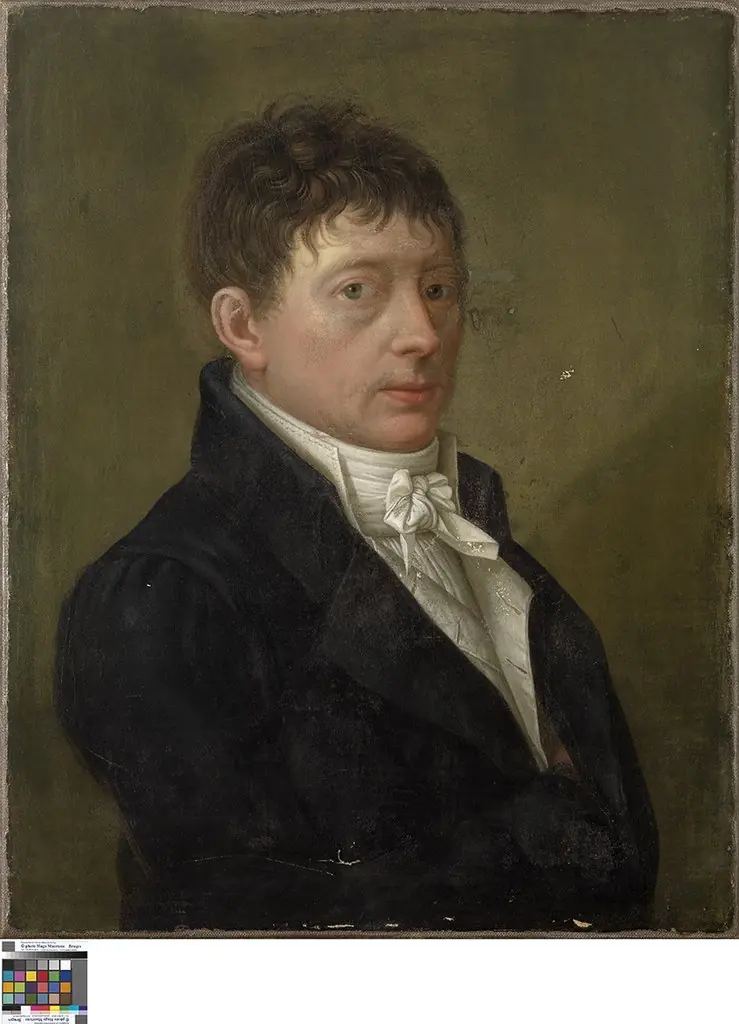
Portret van Geerebaert
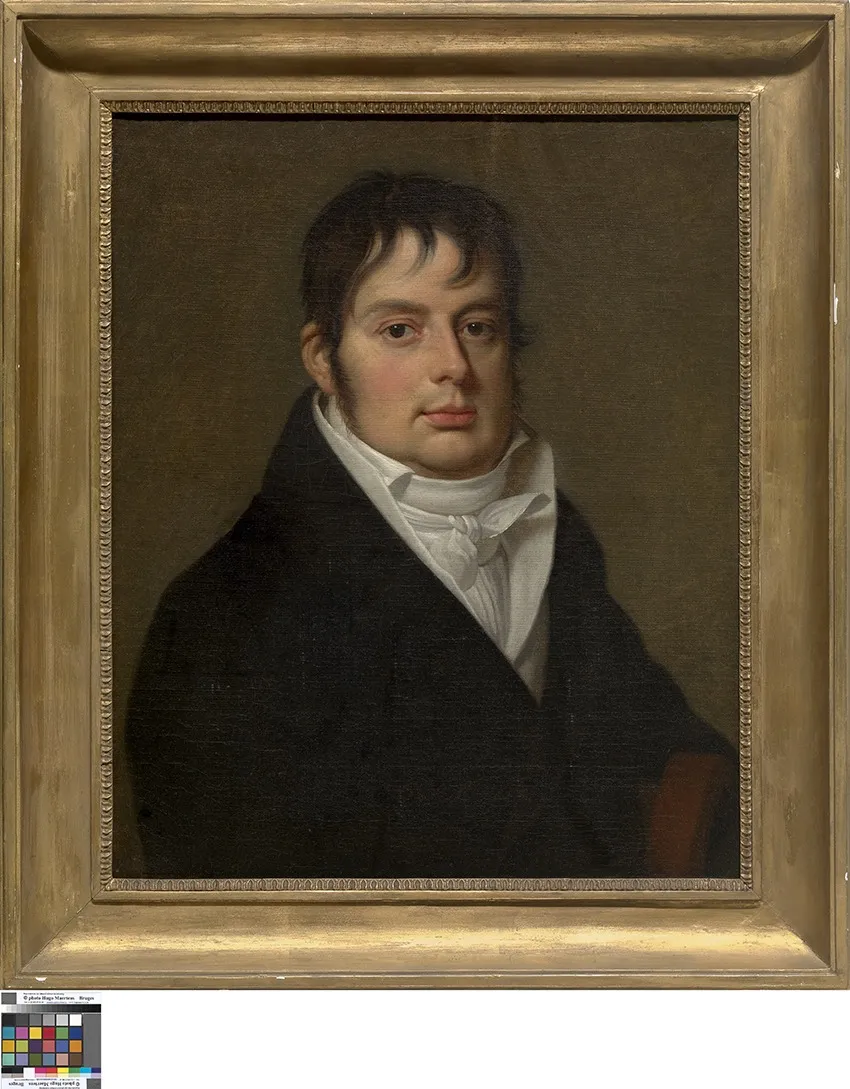
Portret van Geerebaert is an oil painting by the Rococo painting artist Joseph-François Ducq. It dates from 1762 and is held in the collection of the Groeningemuseum.
About this work
If you're interested in learning more about the artist behind this work, you might want to look up Joseph-François Ducq.
This painting depicts a man dressed in a black coat with a white cravat and shirt. The background is a muted brown color.
The man's attire and the painting's style suggest it was created in the 18th century. The artist has used oil paint to achieve a realistic representation of the subject.
If you're interested in learning more about the artist behind this work, you might want to look up Joseph-François Ducq.
Overview
Created in 1762, this oil on canvas portrait presents a solitary gentleman attired in a dark coat, white shirt and cravat, set against a subdued brown backdrop. The work exemplifies the Rococo approach to portraiture, emphasizing elegance and refined detail, and is currently displayed in the collection of the Groeningemuseum.
Subject & Meaning
The sitter is rendered with a calm, dignified bearing, his attire reflecting the fashion of the mid‑eighteenth century. The restrained palette and modest setting focus attention on the individual’s presence rather than narrative symbolism, typical of private portrait commissions of the period.
Technique & Style
Executed in oil, the painting achieves a smooth, lifelike surface through layered glazing that captures the texture of fabric and the subtle play of light on the face. The Rococo influence appears in the delicate handling of brushwork and the gentle tonal transitions that soften the overall composition.
History & Provenance
The portrait was produced by Flemish painter Joseph‑François Ducq and later entered the holdings of the Groeningemuseum in Bruges. Its documented presence in the museum’s collection underscores its role as a representative example of Ducq’s early portrait work.
Context
Ducq, trained in Bruges and Paris before a period of study in Italy, returned to his native city in the early nineteenth century to teach at the Bruges Academy. The painting reflects the artistic currents of his formative years, when Rococo aesthetics still informed Flemish portraiture.
Artist & collection
Artist
Joseph-François Ducq, a Flemish historical and portrait painter, was born at Ledeghem in 1763.

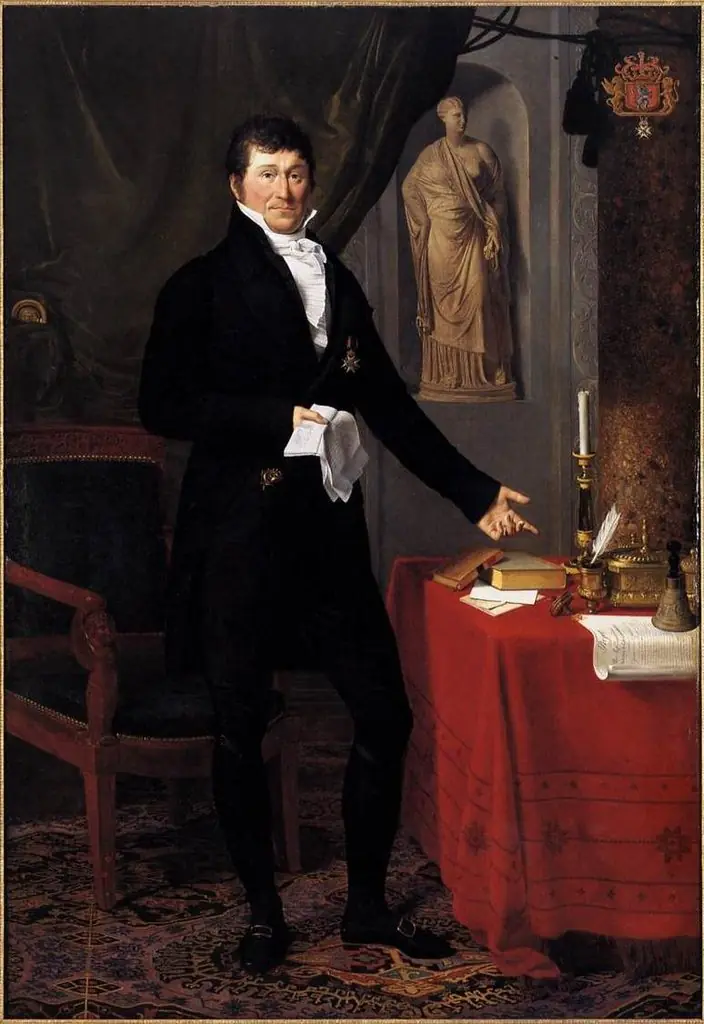 Portrait of Charles-Louis Baron de Keverberg de Kessel
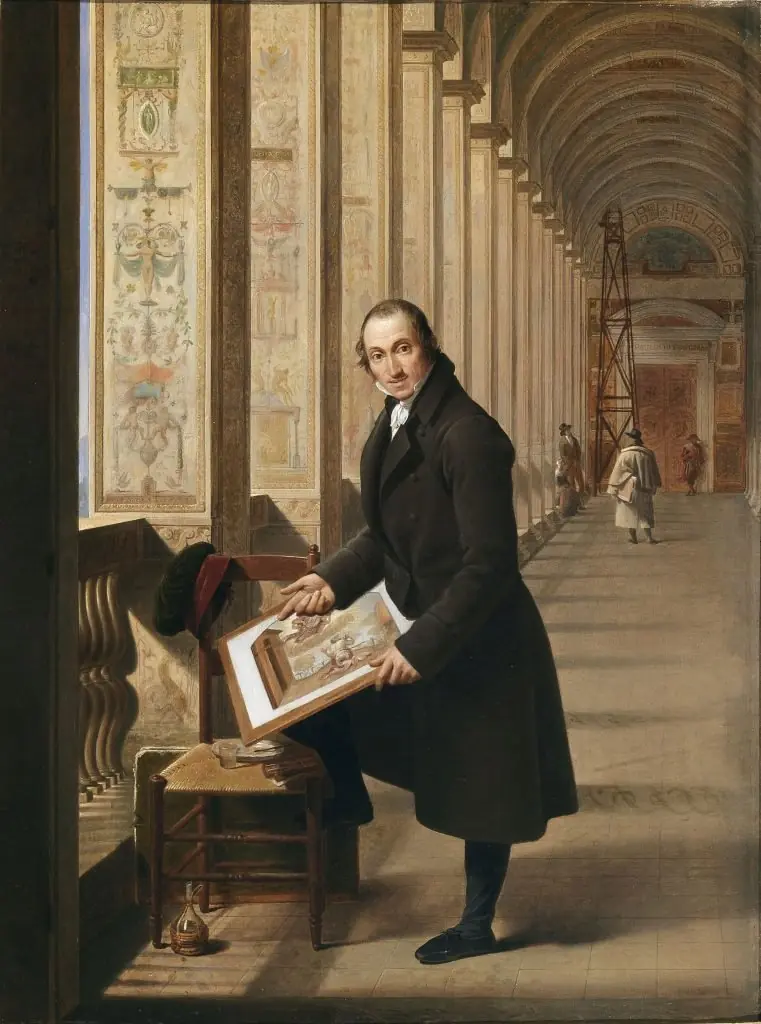 Portret van de graveur Joseph-Charles de Meulemeester aan het werk in de Loggia van het Vaticaan
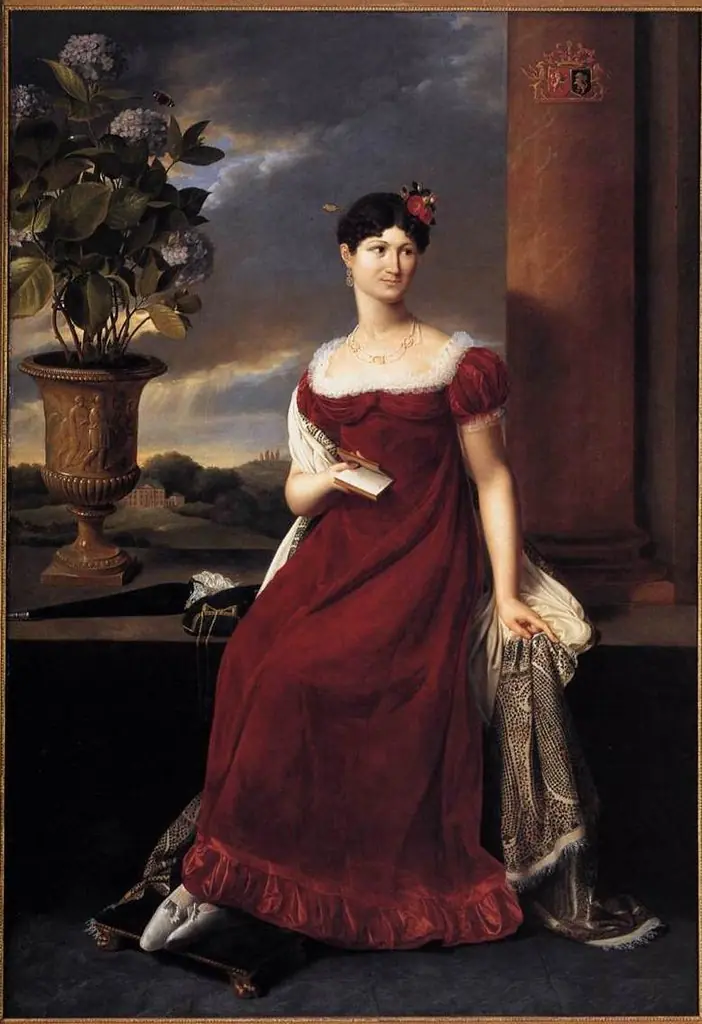 Mary Lodge, Bride of Baron Charles-Louis de Keverberg de Kessel
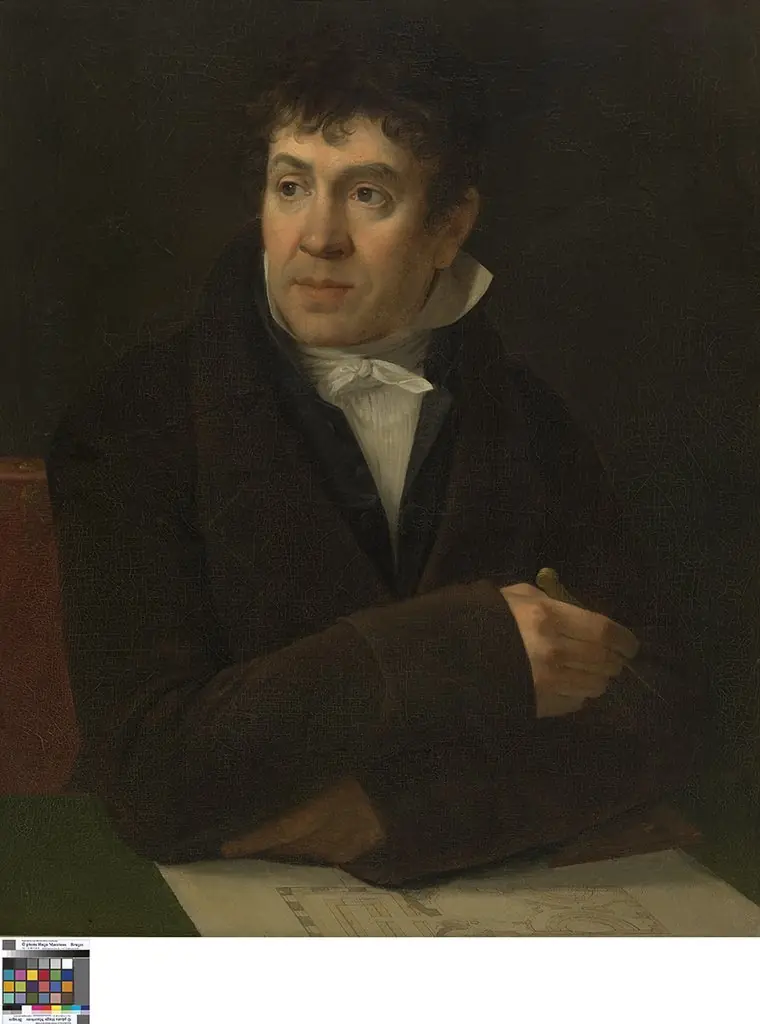 Portrait of Joseph François van Gierdegom
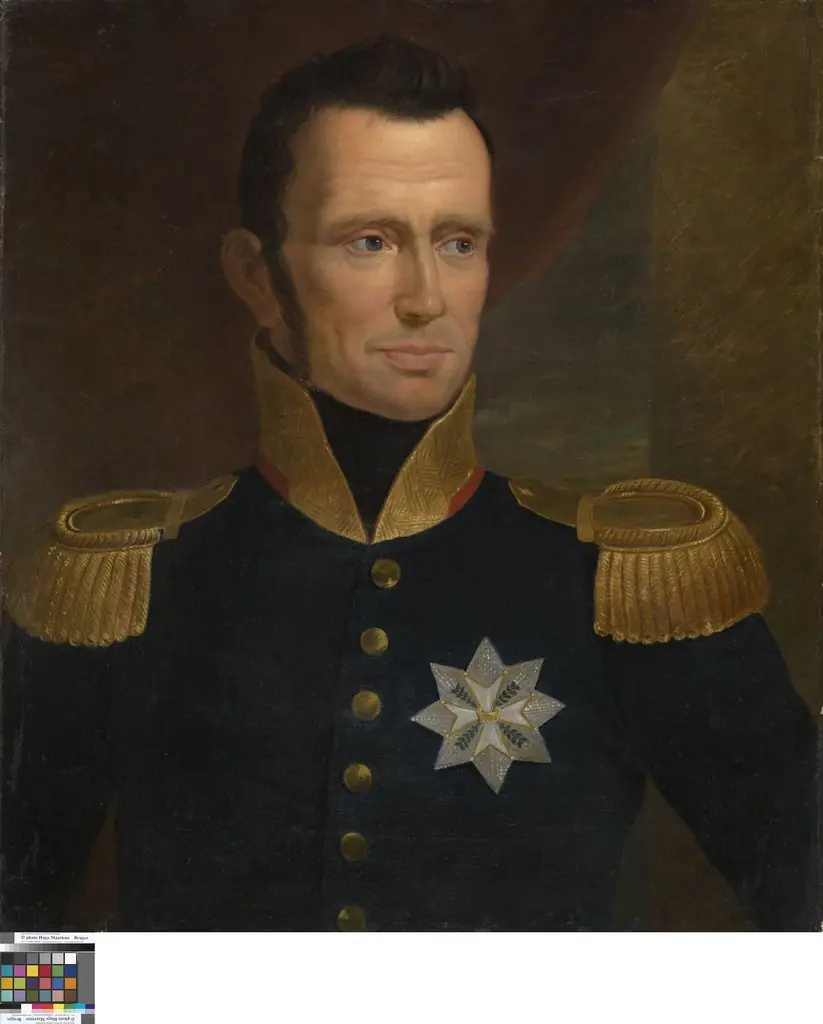 Portret van koning Willem I
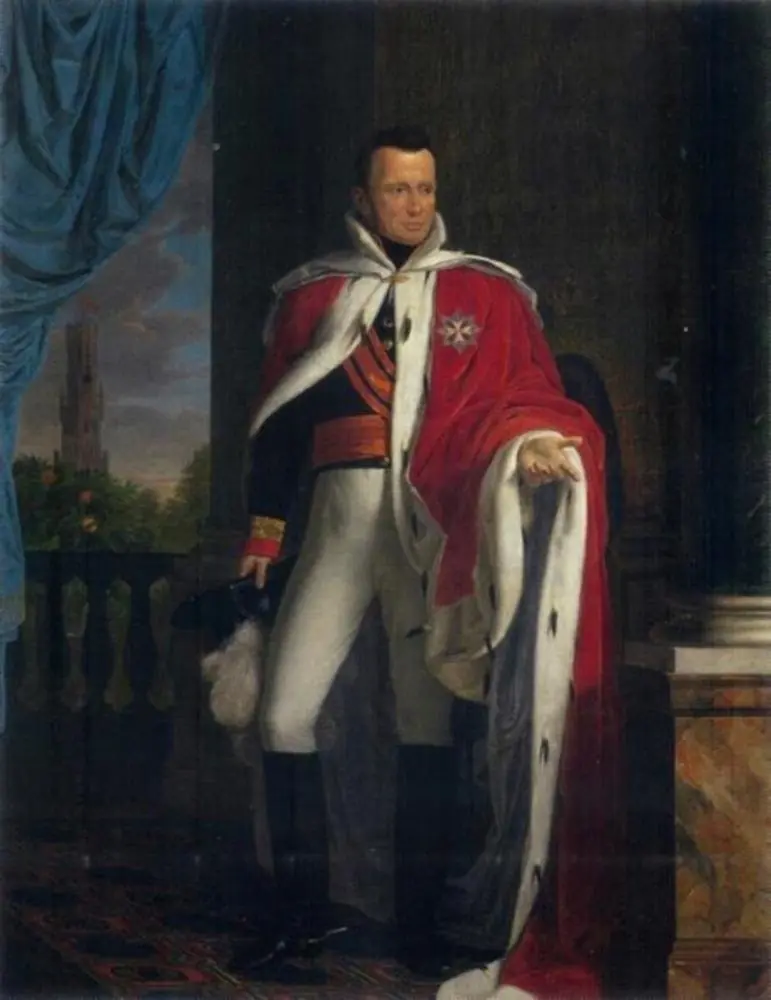 Portrait of king Willem I (1772-1843)
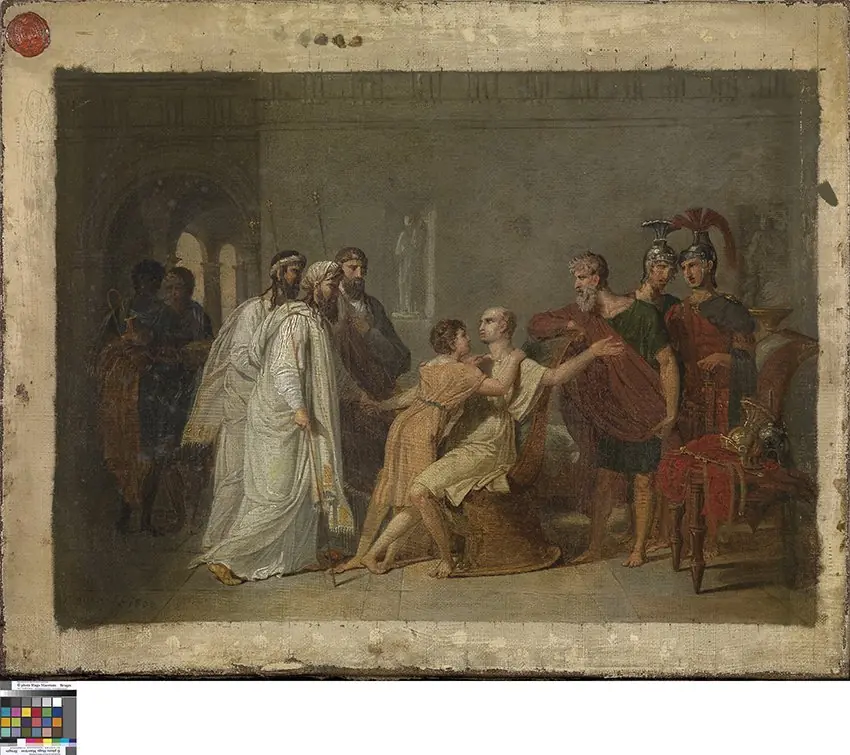 Terugkeer van Scipio's zoon
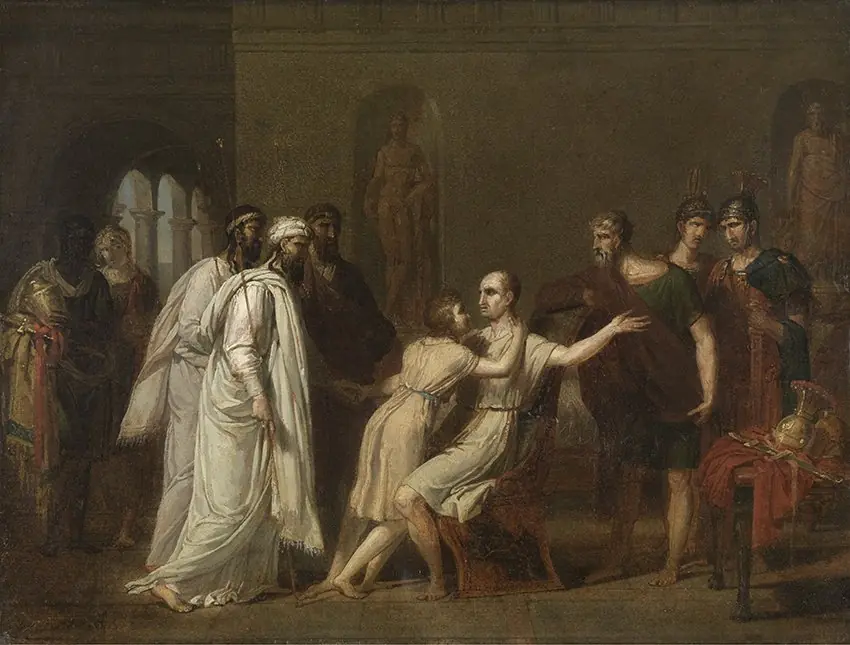 Terugkeer van Scipio's zoon
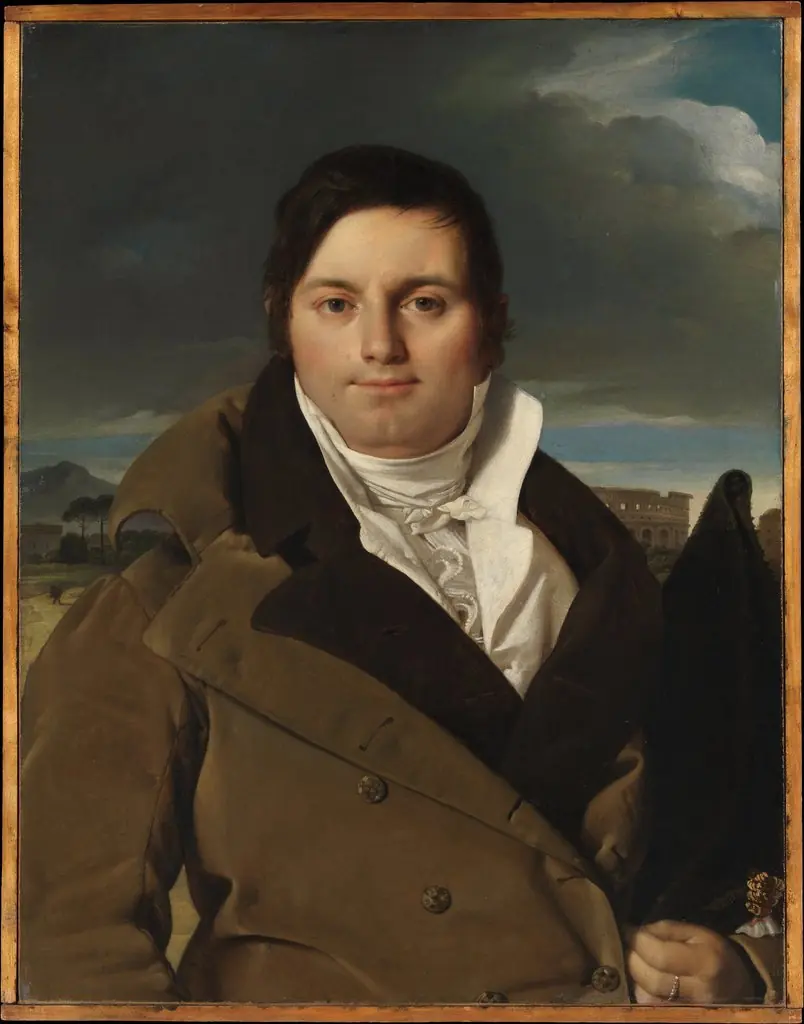 Joseph-Antoine Moltedo
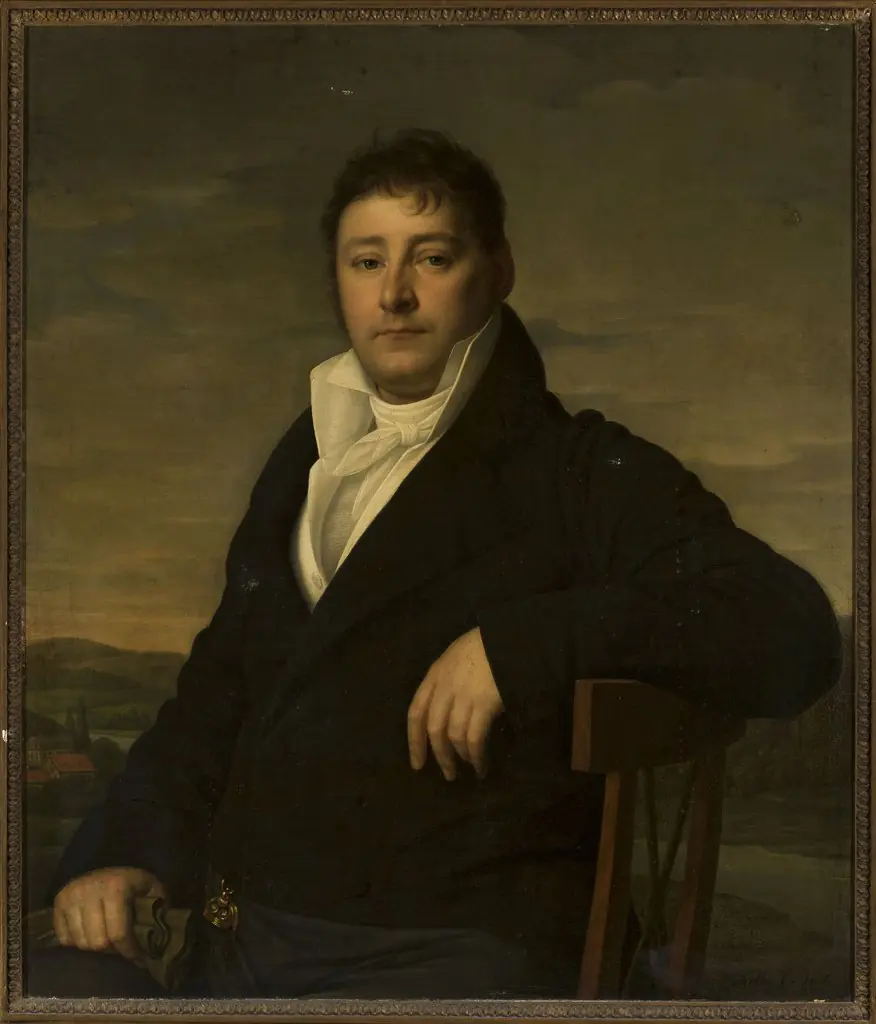 Portrait of Valentin Hellmann
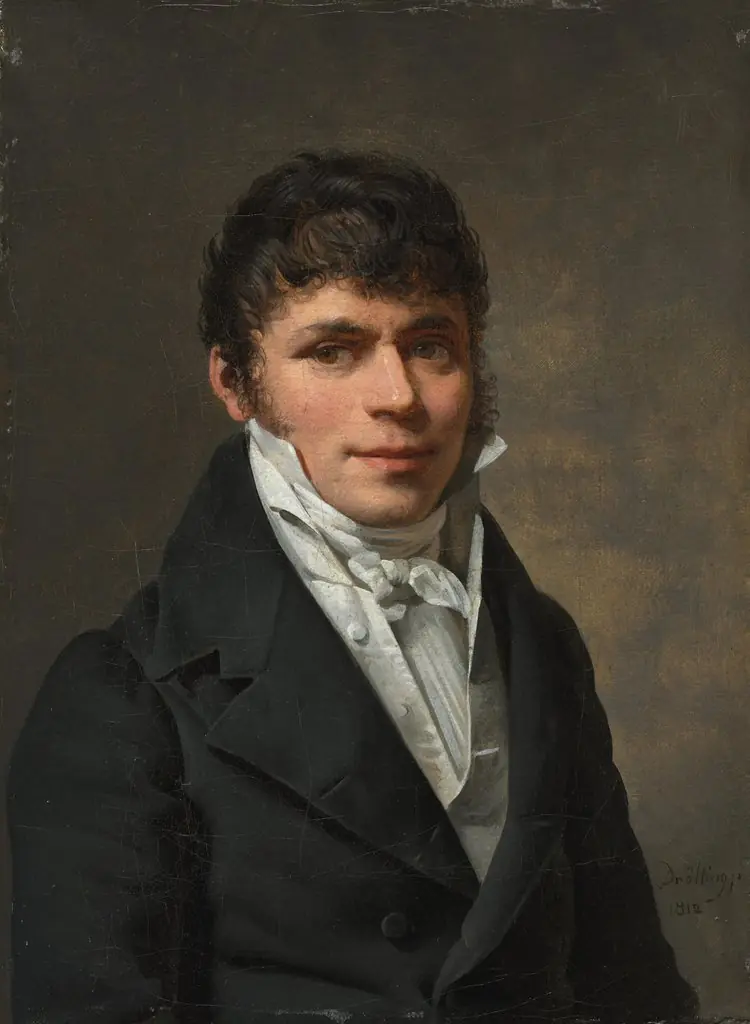 Nicolas Louis Faret and Madame Nicolas Louis Faret
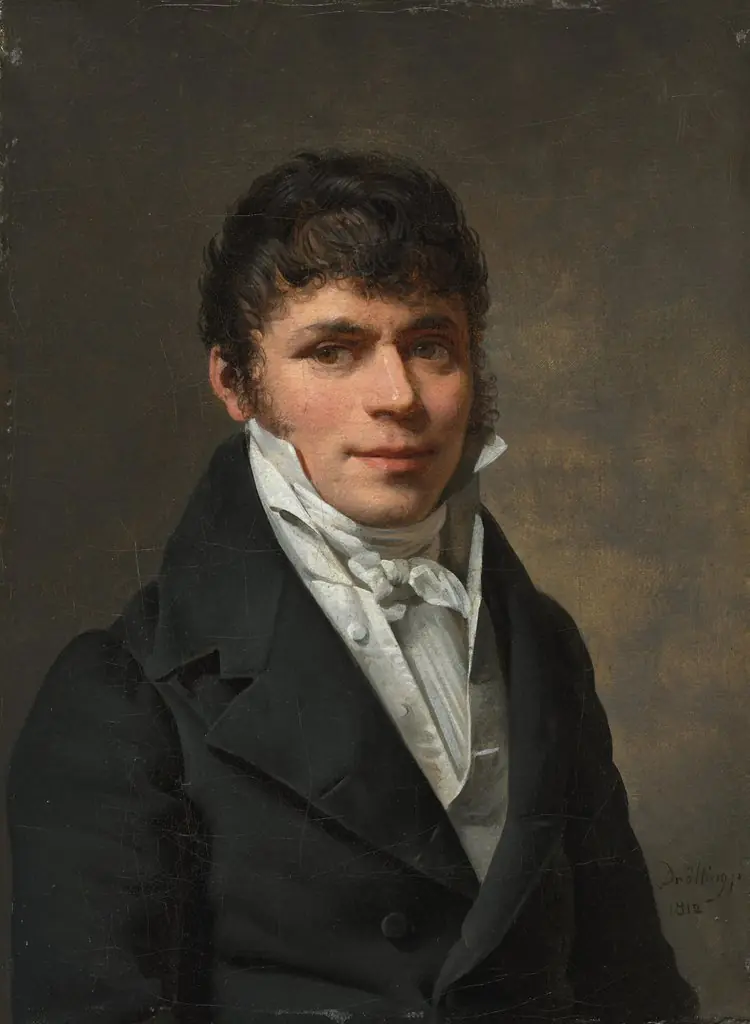 Nicolas Louis Faret
 Nicolas Louis Faret
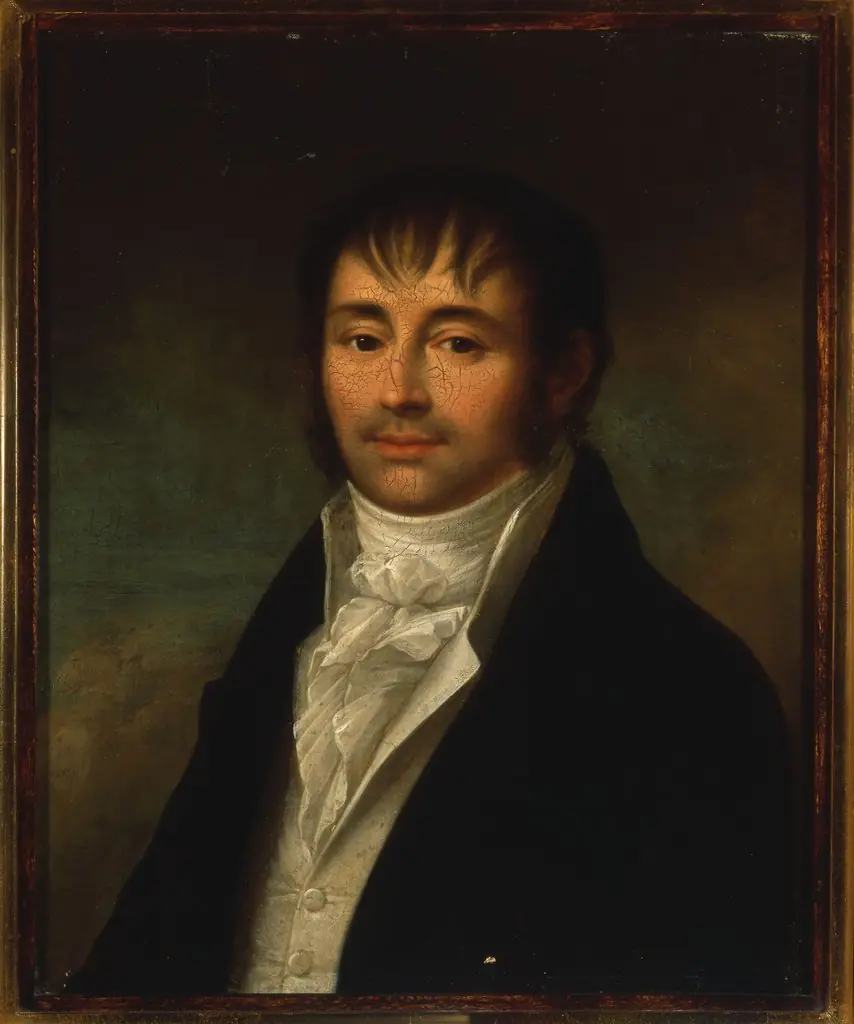 Portrait of Euzebiusz Słowacki
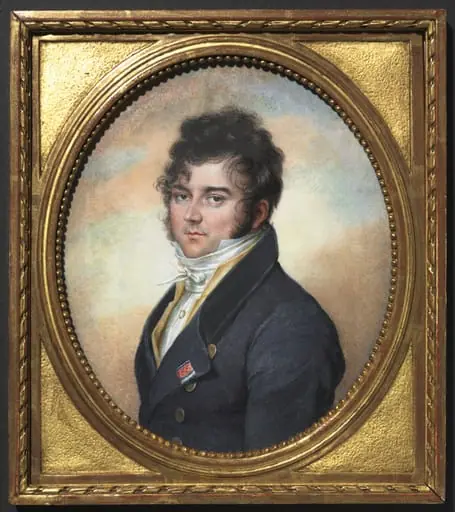 Portrait of a Man
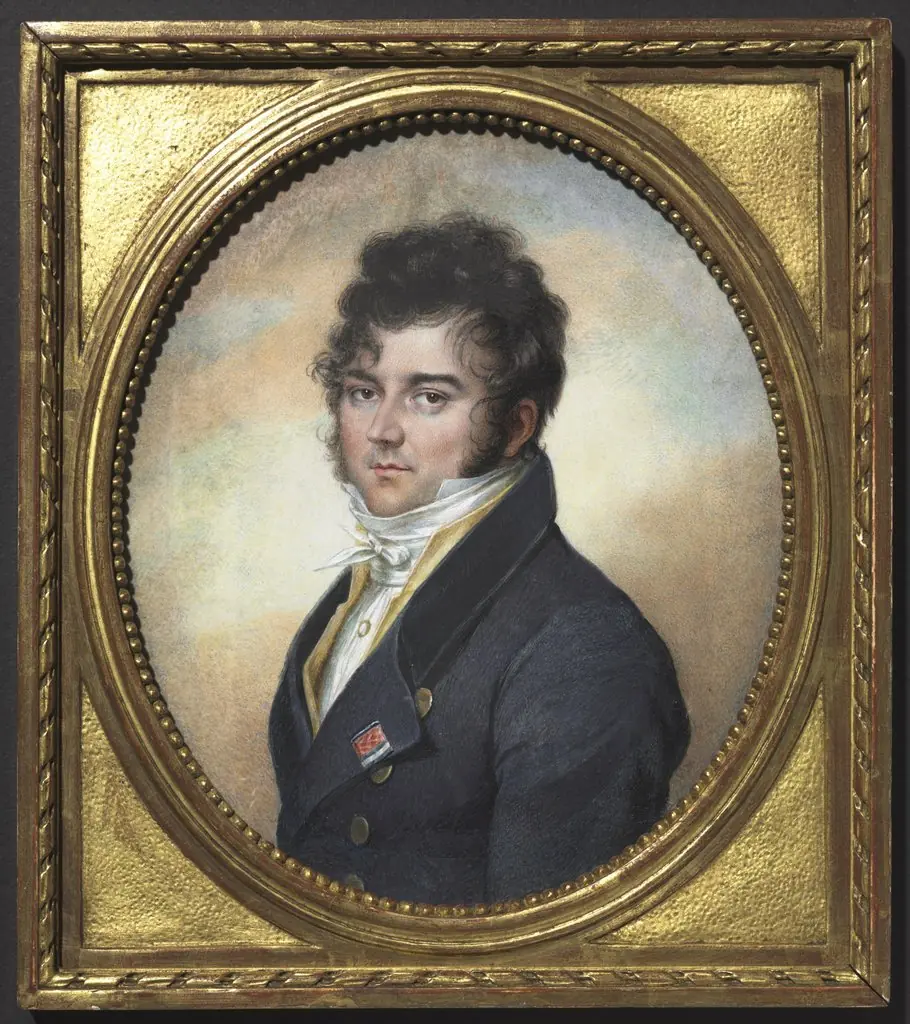 Portrait of a Man
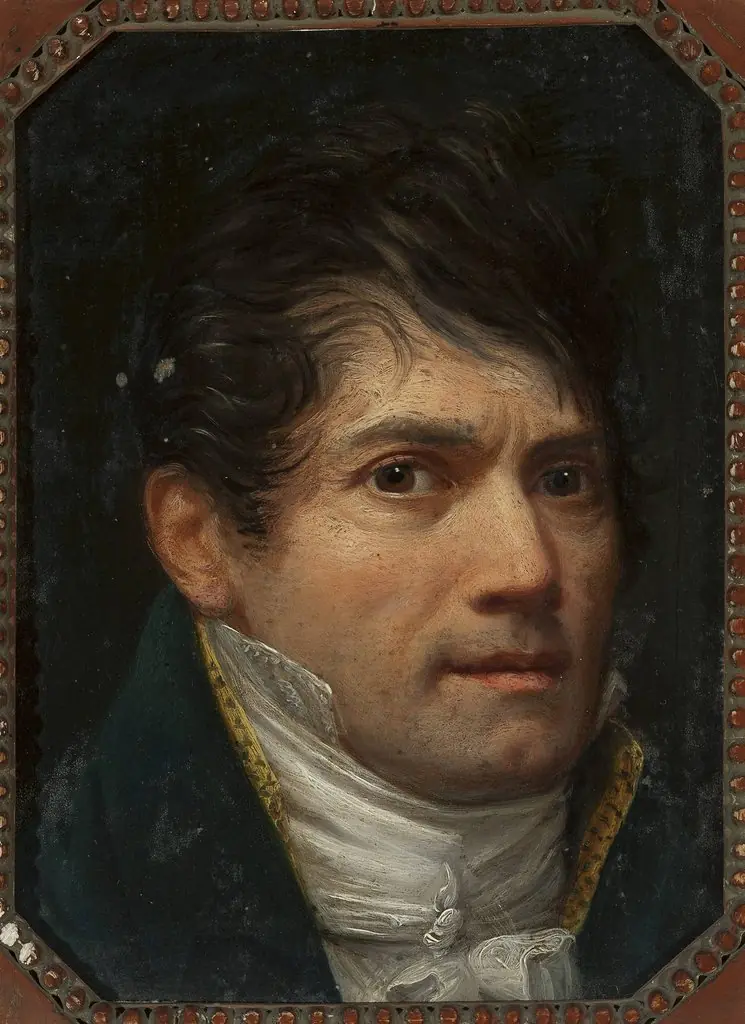 Portrait of a man
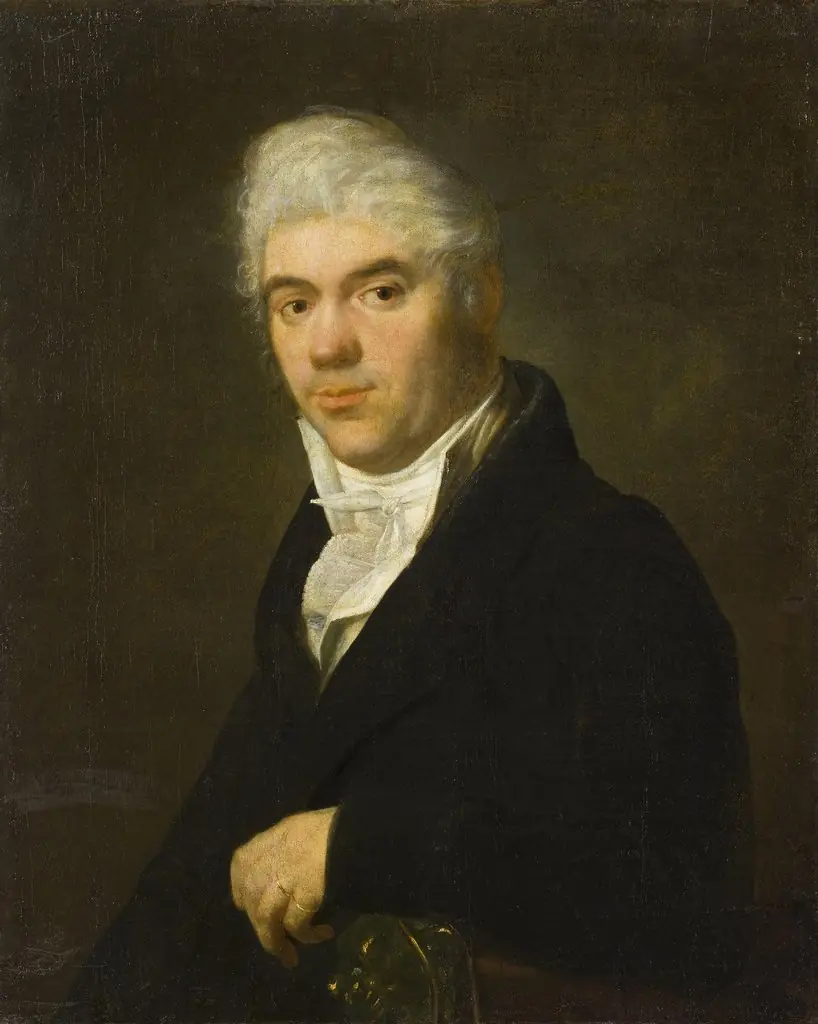 Portrait of a Man from the Schmidt Family
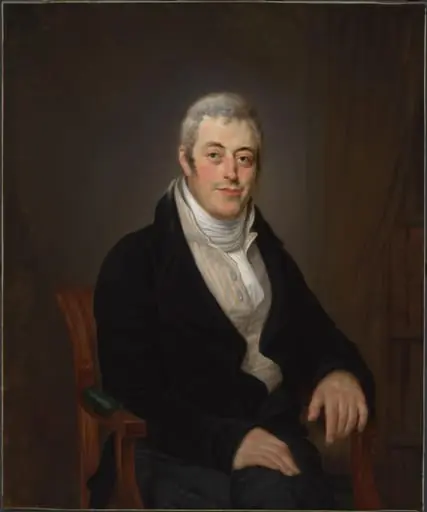 Portrait of Jonas Daniel Meijer (1780-1834)
 Portret van een man