Artwork
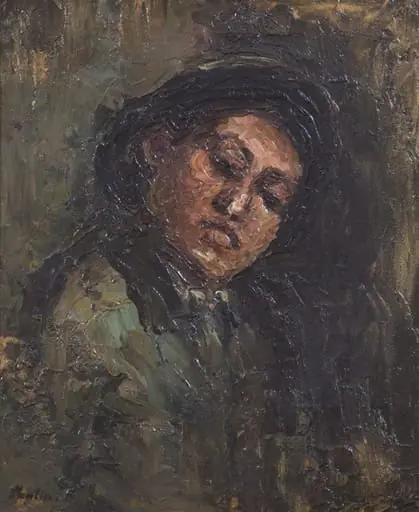
Cap de fetiță
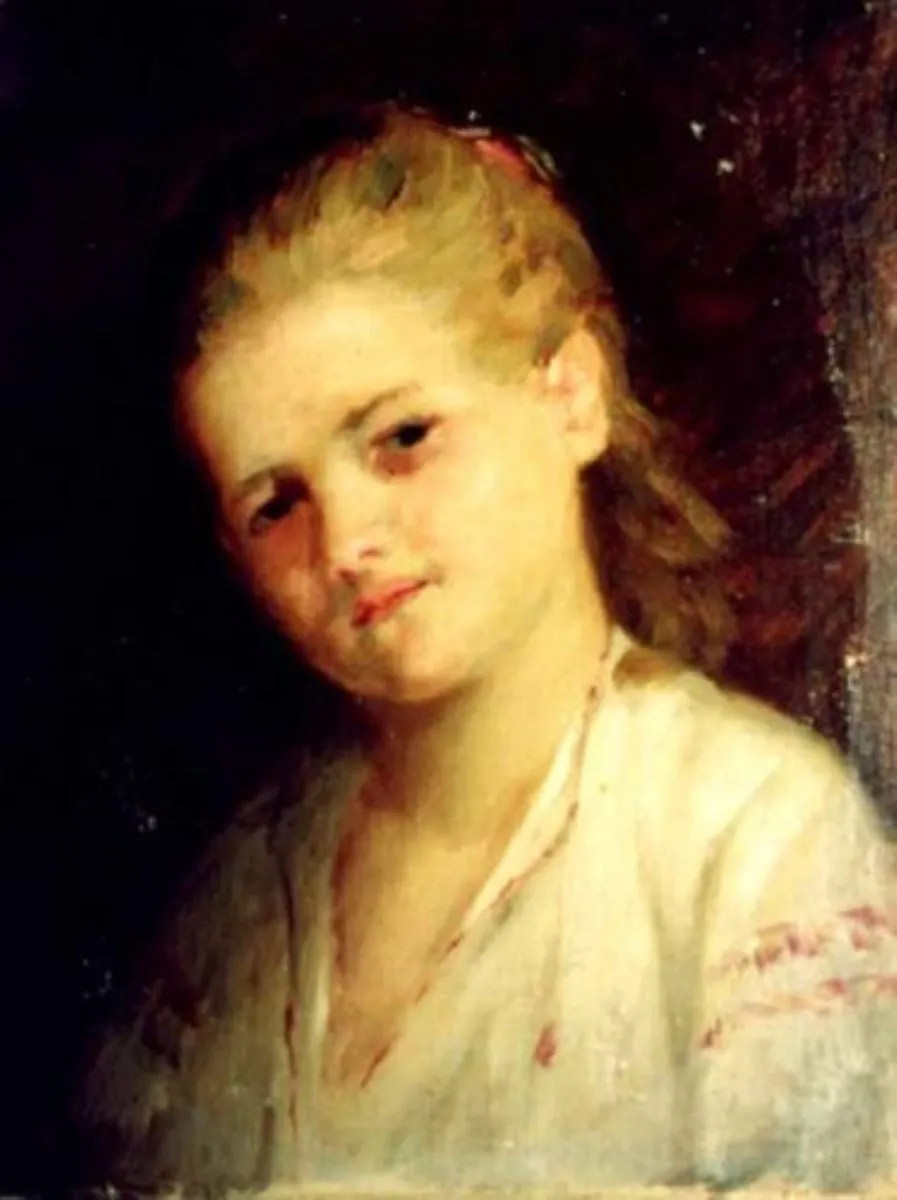
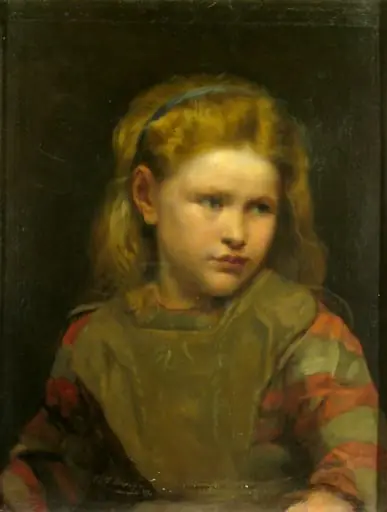
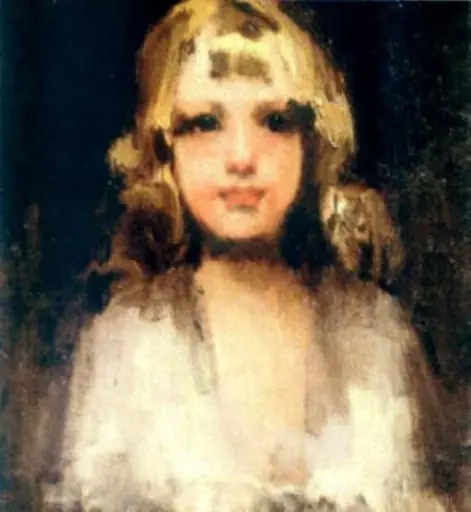
Cap de fetiță is an unspecified painting by the Byzantine icon painting artist Sava Henția. It dates from 1850 and is held in the collection of the Bucharest Municipality Museum.
About this work
Overview
Painted around 1850 by Sava Henția, a Romanian artist trained in the Austrian imperial tradition, *Cap de fetiță* is a small-scale portrait depicting a young girl’s face and upper torso. Executed in oil, the work is part of the Museum of Ethnography’s collection and reflects a quiet fusion of folk sensibility with academic technique, avoiding overt religious symbolism despite its serene, contemplative tone.
Subject & Meaning
The subject is a young girl, her identity unrecorded, portrayed with gentle intimacy. Her light brown hair is neatly drawn back, and her expression is tranquil, with a barely perceptible smile suggesting quiet dignity. The absence of context or narrative cues shifts focus to her presence alone, evoking a sense of personal stillness rather than symbolic or cultural allegory.
Technique & Style
Henția employs soft, blended brushwork to model the girl’s face, creating subtle transitions between light and shadow—reminiscent of sfumato. The pale dress, accented by a faint red on the sleeve, contrasts gently with the dark, undefined background, isolating the figure. The technique prioritizes tonal harmony over detail, emphasizing texture and mood rather than precise rendering.
History & Provenance
The painting entered the Museum of Ethnography’s holdings in the late 19th or early 20th century, likely as part of a broader effort to document Romanian domestic life and visual culture. Its origin as a private work by Henția, who also worked in decorative arts, suggests it may have been a study or personal piece, later recognized for its quiet aesthetic value.
Context
In mid-19th century Romania, artists like Henția navigated between Western academic training and local traditions. While religious iconography influenced the composition’s serenity, this portrait diverges from ecclesiastical models by focusing on secular, everyday presence. It reflects a growing interest in individual identity amid national cultural awakening.
Legacy
Though not widely exhibited, *Cap de fetiță* remains a quiet example of early Romanian portraiture that bridges academic technique and folk intimacy. It contributes to the understanding of how artists of the period engaged with personal expression outside grand historical or religious themes, offering a subtle counterpoint to more monumental works of the era.
Artist & collection
Artist
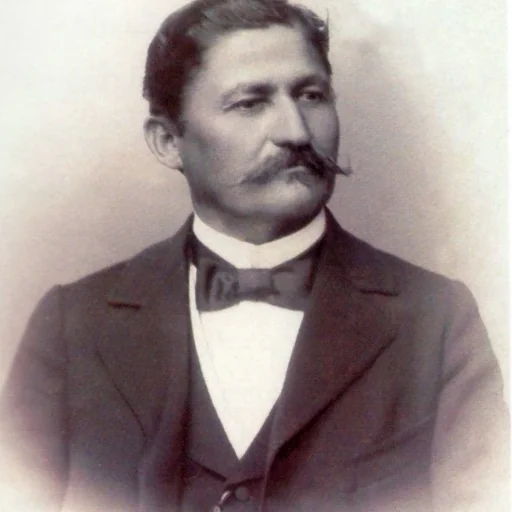
Sava Henția (1 February 1848, Sebeșel - 21 February 1904, Sebeșel) was an Imperial Austrian-born Romanian painter, decorator and illustrator.