Artwork
The Passion: The Crowning with Thorns
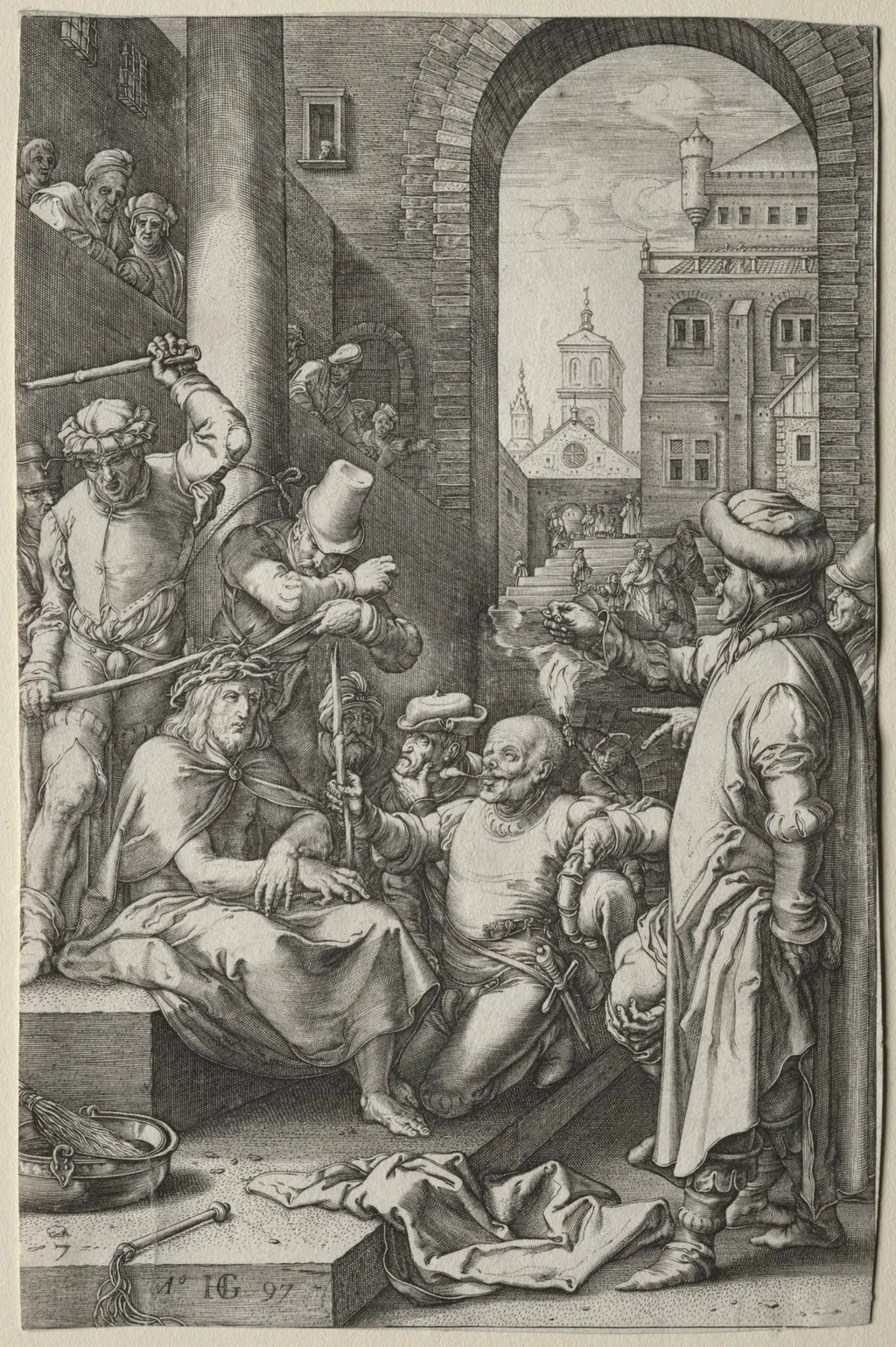
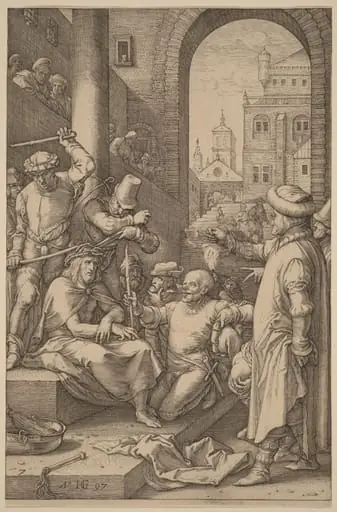
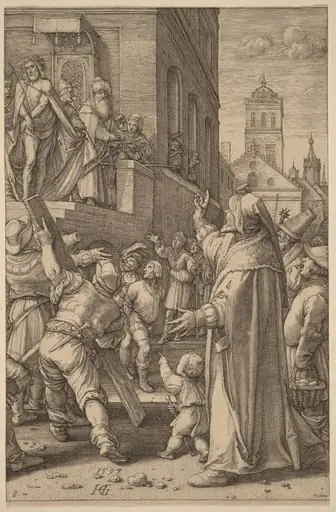
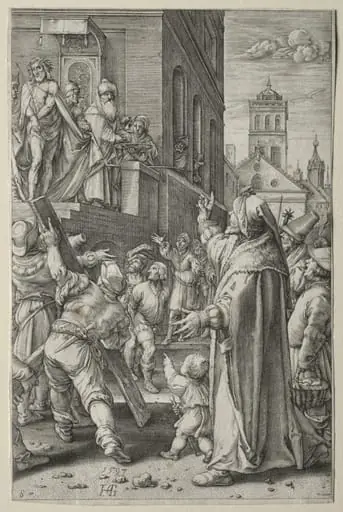
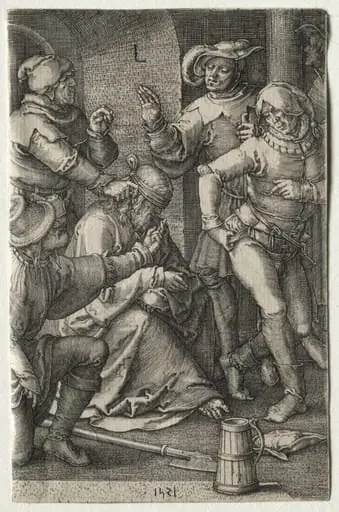
The Passion: The Crowning with Thorns is a print by the Renaissance artist Hendrik Goltzius. It dates from 1597 and is held in the collection of the Cleveland Museum of Art. Created in 1597 by Hendrick Goltzius, this print is part of a series depicting scenes from the Passion of Christ.
About this work
Overview
The work is held in the collection of The Cleveland Museum of Art and exemplifies Goltzius’s mastery of the medium during the late Renaissance.
Created in 1597 by Hendrick Goltzius, this print is part of a series depicting scenes from the Passion of Christ. Executed in engraving, it captures a moment of intense physical and emotional pressure. The work is held in the collection of The Cleveland Museum of Art and exemplifies Goltzius’s mastery of the medium during the late Renaissance. Its composition and tonal contrasts reflect the artist’s interest in dramatic narrative and human expression.
Subject & Meaning
The scene illustrates the moment Christ is forced to wear a crown of thorns, a prelude to his crucifixion. Figures surround him in a tight, agitated group—some mock him with laughter, others grip instruments of torment. The kneeling figure’s vulnerability contrasts with the brutality of his tormentors. The background architecture, including a church tower, subtly frames the event as both historical and spiritually significant, anchoring the suffering within a sacred context.
Technique & Style
Goltzius employed fine, controlled engraving lines to model form and depth, using stark contrasts between light and shadow to heighten emotional tension. The figures are rendered with muscular, exaggerated anatomy, a hallmark of his Mannerist style. The dense clustering of bodies and the sharp delineation of textures—fabric, skin, thorns—demonstrate his technical precision and ability to convey movement within a static medium.
History & Provenance
The print was produced during Goltzius’s mature period in Haarlem, when he was renowned across Europe for his engravings. It was likely made for a private collector or devotional use, given its religious subject. The work entered the Cleveland Museum of Art’s collection in the 20th century, having passed through several European holdings before its acquisition. Its condition remains strong, with clear lines and minimal fading.
Context
In late 16th-century Northern Europe, religious prints were widely circulated for personal devotion and instruction. Goltzius’s series on the Passion responded to both Catholic devotional traditions and Protestant interest in biblical imagery. His style, influenced by Italian Mannerism and classical sculpture, stood apart from the more restrained Dutch tradition, positioning him as a bridge between southern and northern artistic currents.
Legacy
Goltzius’s engravings, including this one, influenced generations of printmakers through their technical ambition and expressive intensity. His use of chiaroscuro and anatomical dynamism became benchmarks for later artists exploring emotional depth in printmaking. Though his fame waned after his death, scholarly interest revived in the 19th and 20th centuries, securing his place in the history of Northern Renaissance print culture.
Artist & collection
Artist
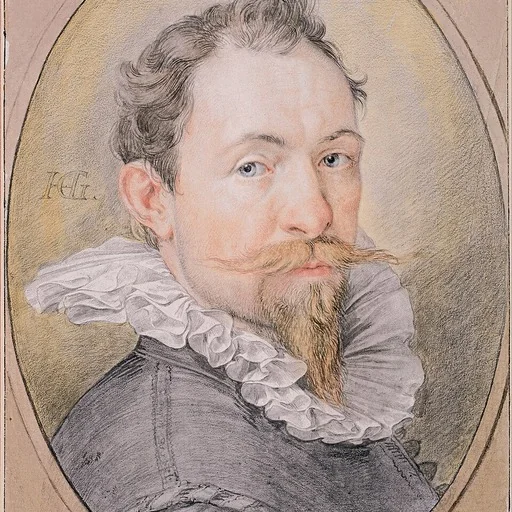
Hendrick Goltzius (German: , Dutch: ; né Goltz; January or February 1558 – 1 January 1617) was a German-born Dutch printmaker, draftsman, and painter.