Artwork
Bacchante with an Ape
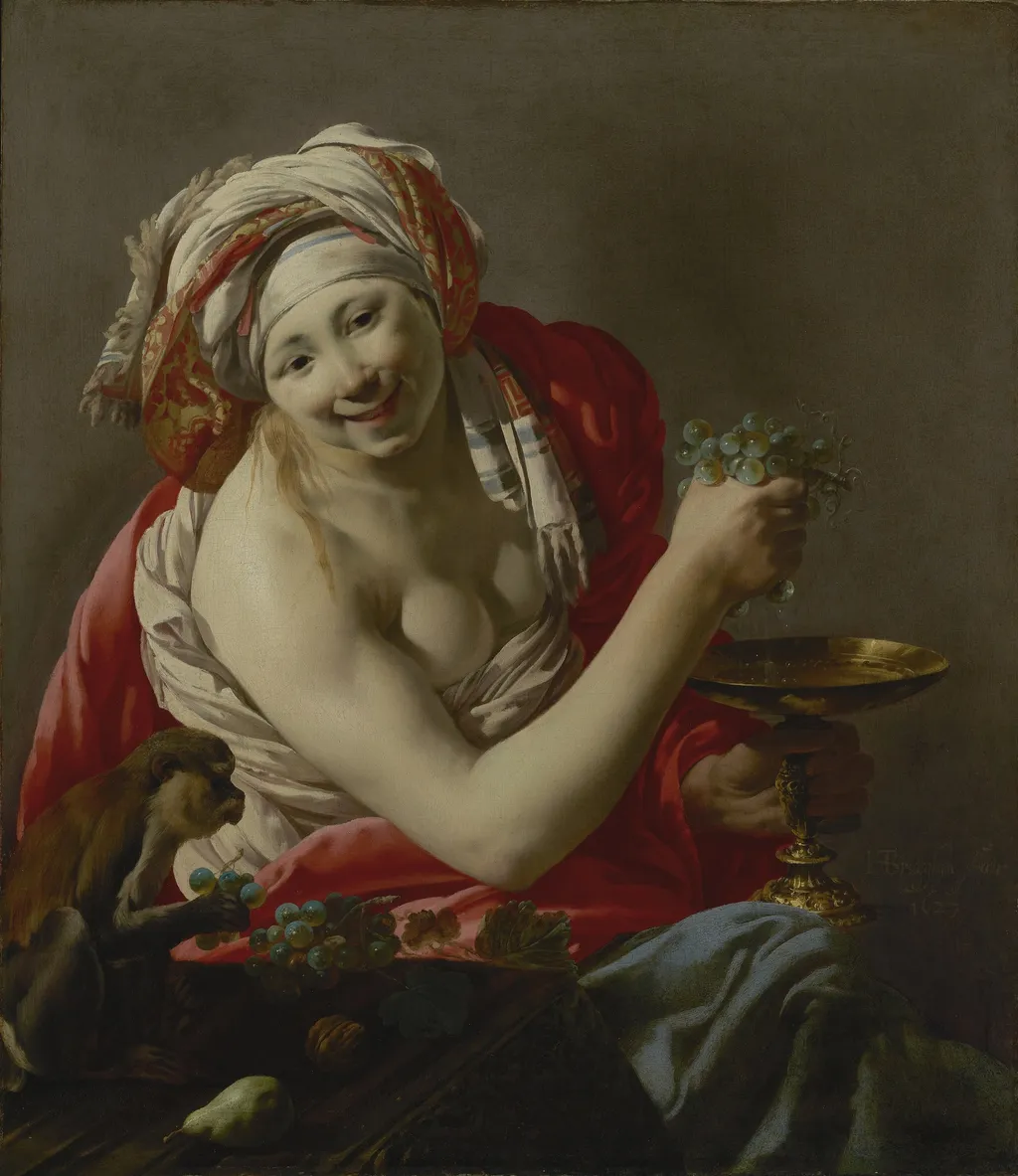
Bacchante with an Ape is an oil painting by the Dutch Golden Age artist Hendrick ter Brugghen. It dates from 1627 and is held in the collection of the J. Paul Getty Museum.
About this work
Overview
The scene is rendered in the Caravaggesque style, marked by strong contrasts of light and shadow and a focus on everyday realism.
Hendrick ter Brugghen’s 1627 oil painting depicts a reclining woman, identified as a bacchante, accompanied by a monkey. The scene is rendered in the Caravaggesque style, marked by strong contrasts of light and shadow and a focus on everyday realism. Though rooted in classical mythology, the subject is presented with intimate, unidealized humanity, characteristic of Utrecht Caravaggisti who adapted Italian innovations to Dutch sensibilities.
Subject & Meaning
The figure, dressed in simple drapery and holding grapes, evokes the mythological followers of Bacchus, yet her demeanor is calm and grounded, not ecstatic. The monkey, gazing upward at the fruit, introduces a note of quiet curiosity rather than revelry. The pairing suggests themes of indulgence and companionship, but without overt moralizing—offering a contemplative take on pleasure, common in Dutch genre painting of the period.
Technique & Style
Ter Brugghen employs chiaroscuro to model the woman’s form, with soft light falling across her skin and fabric, while the background recedes into shadow. The textures of wool, skin, and fur are rendered with subtle brushwork, emphasizing tactile realism. The composition is intimate and horizontally balanced, drawing attention to the quiet interaction between woman and animal, avoiding theatricality in favor of restrained observation.
History & Provenance
Painted in 1627, near the end of Ter Brugghen’s life, the work reflects his mature style developed after his time in Rome. It entered the J. Paul Getty Museum’s collection in the 20th century, having passed through private European hands since its creation. Its survival and attribution remain consistent with scholarly records, affirming its place among the artist’s best-preserved genre works.
Context
In early 17th-century Utrecht, artists like Ter Brugghen bridged Italian Baroque innovations with local traditions of realism. While religious subjects dominated much of Dutch art, genre scenes featuring mythological figures in domestic settings gained popularity. This painting exemplifies how classical themes were reimagined through a Dutch lens—focusing on quiet, human moments rather than grand narratives.
Legacy
Ter Brugghen’s integration of Caravaggio’s lighting and naturalism influenced later Dutch painters, though his own reputation waned after his early death. 'Bacchante with an Ape' endures as a quiet testament to his ability to infuse myth with psychological depth and everyday presence. It remains a key example of how Northern artists transformed Southern models into something uniquely personal and understated.
Own this work as a print
Artist & collection
Artist
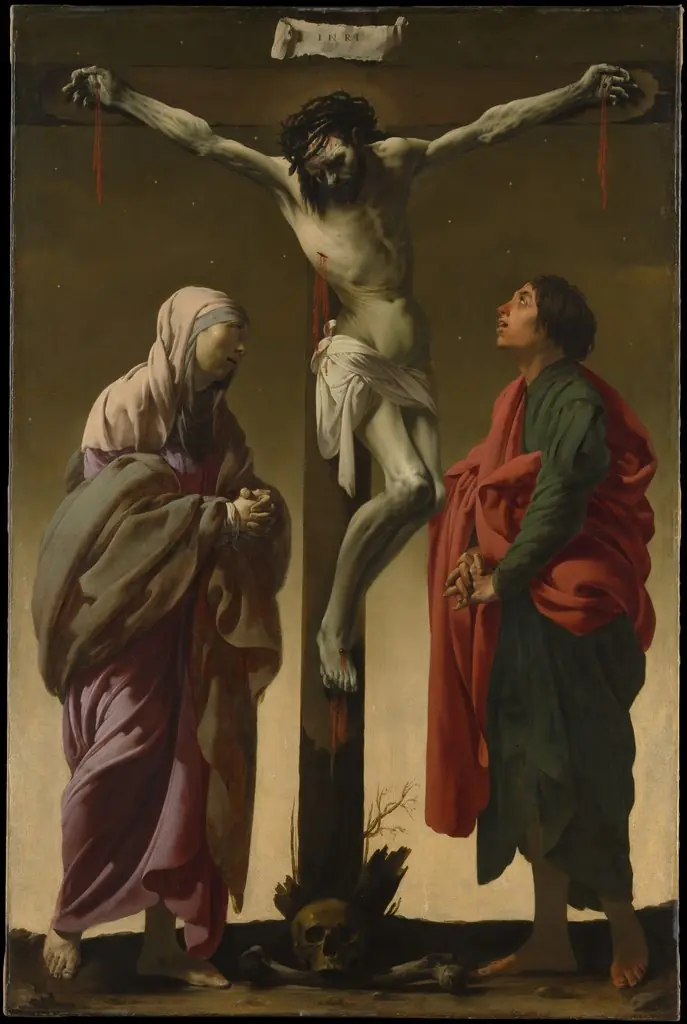
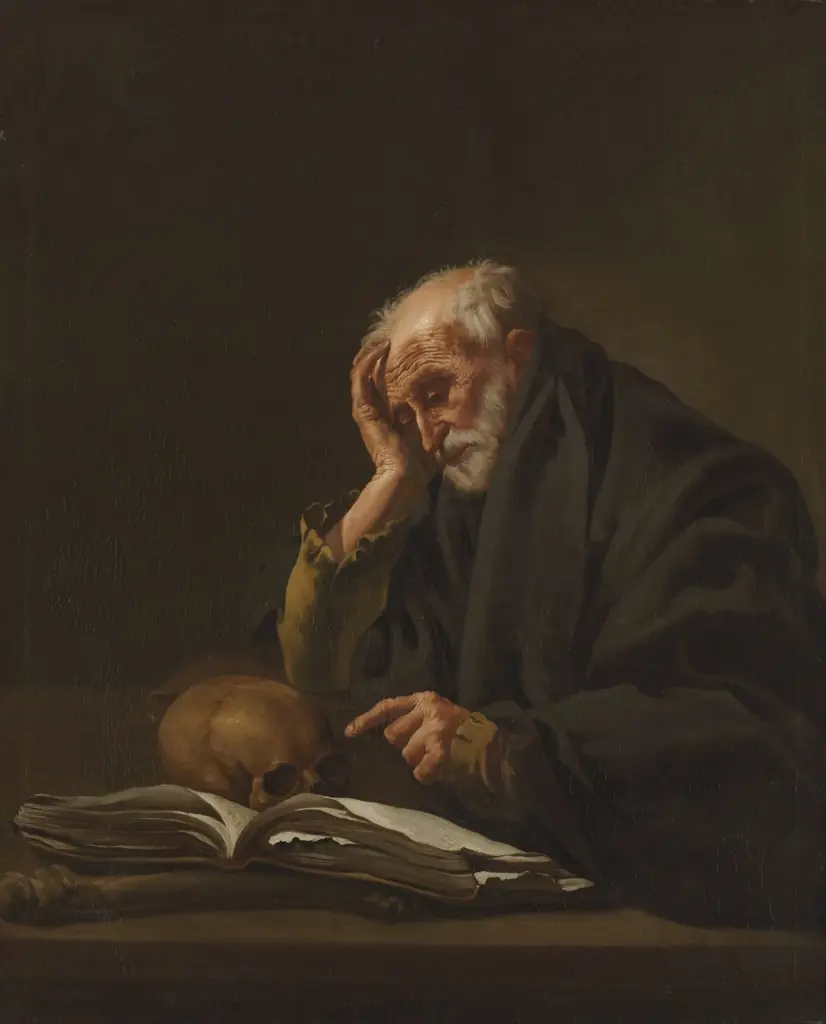
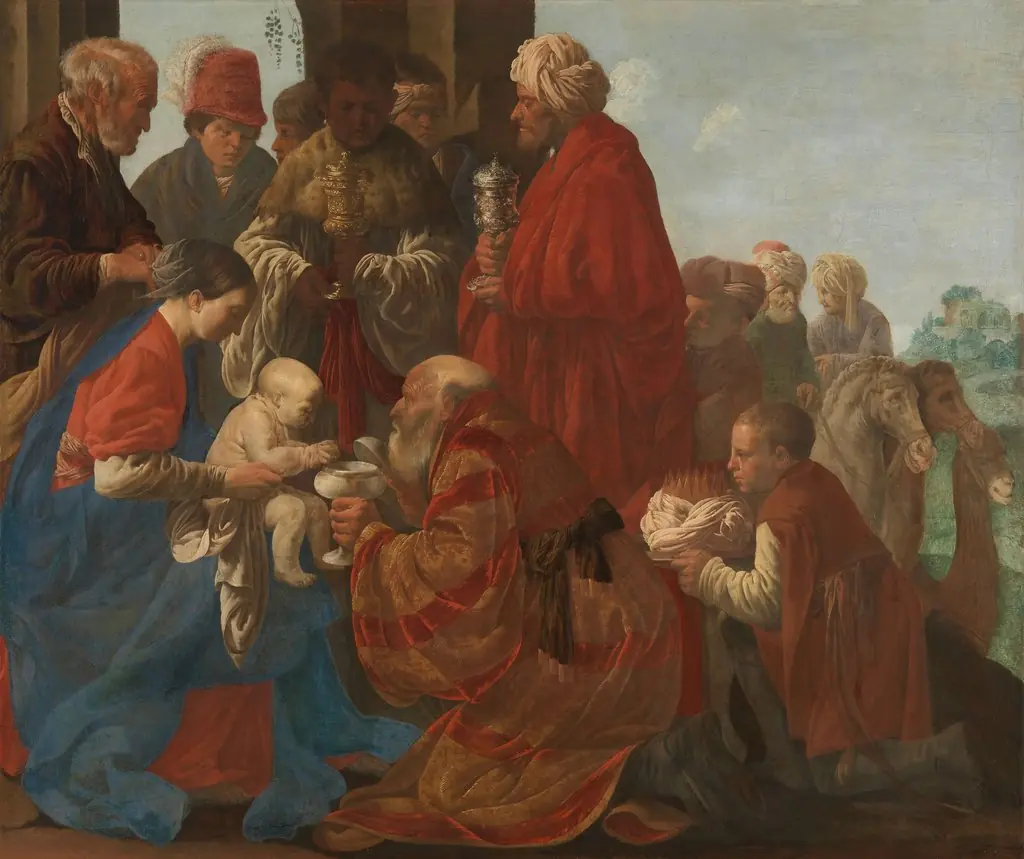
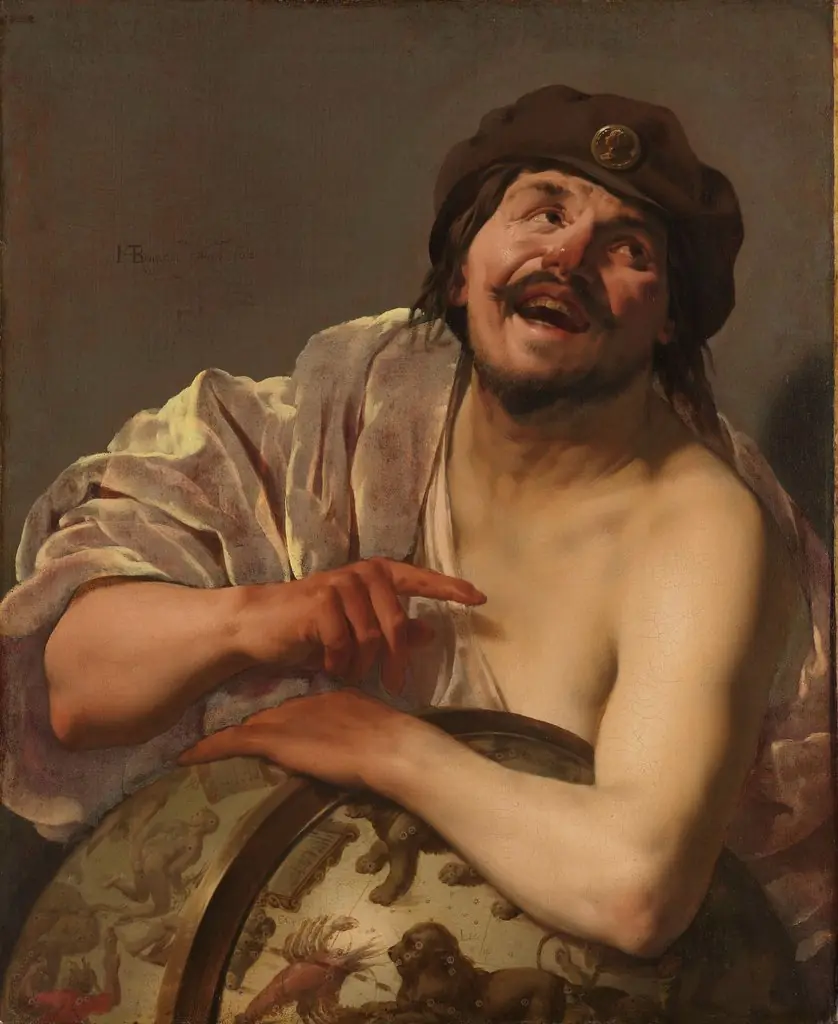
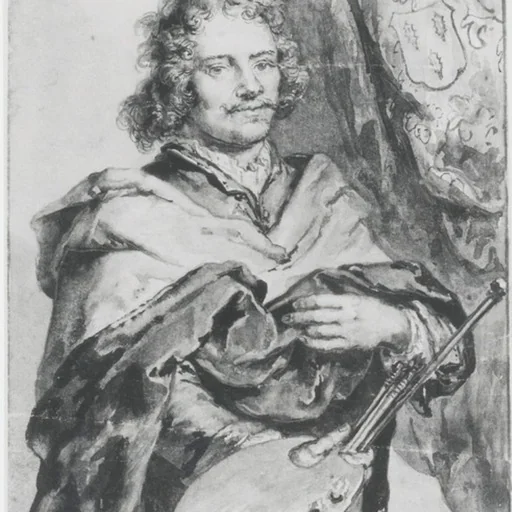
Hendrick Jansz ter Brugghen (or Terbrugghen; 1588 – 1 November 1629) was a Dutch painter of genre scenes and religious subjects.