Artwork
The Contest between Apollo and Pan
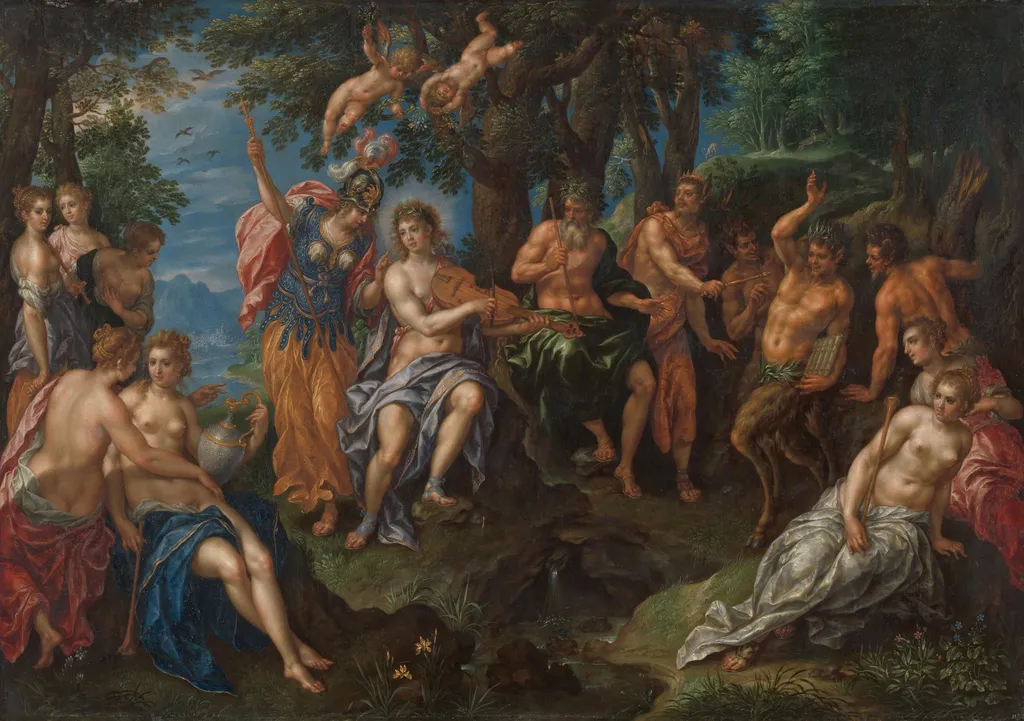
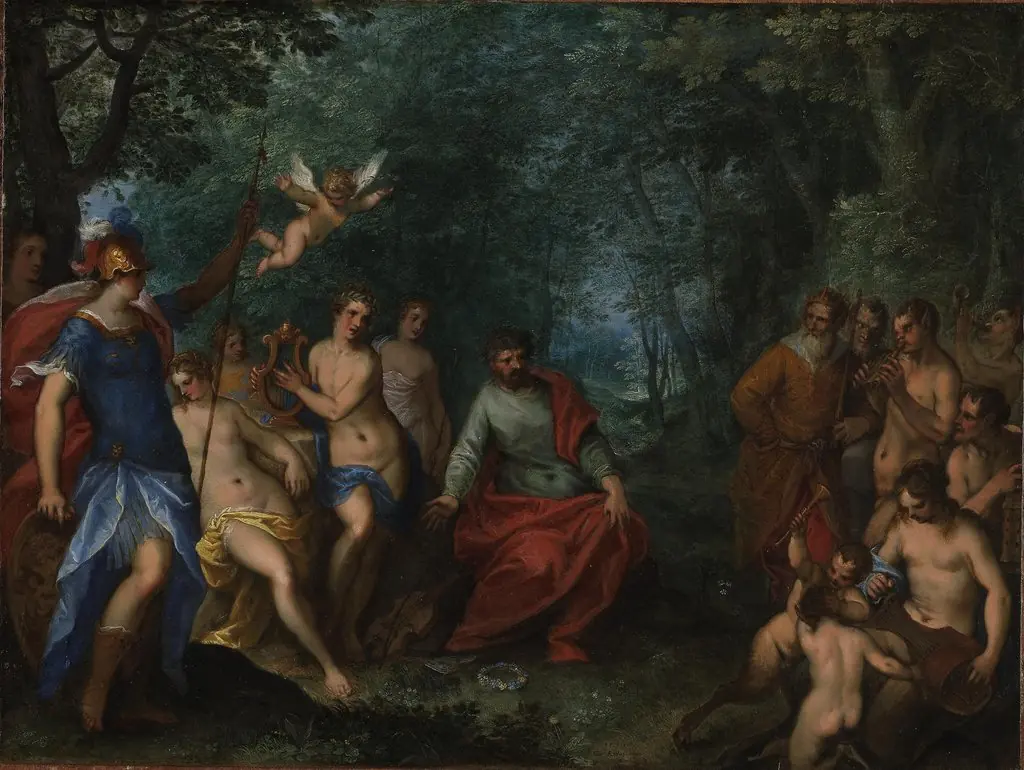
The Contest between Apollo and Pan is an unspecified painting by the Early Baroque Italian artist Hendrick de Clerck. It dates from 1600 and is held in the collection of the Rijksmuseum. This painting depicts a mythological musical contest between Apollo, god of refined music, and Pan, the rustic deity of the wild.
About this work
Overview
This painting depicts a mythological musical contest between Apollo, god of refined music, and Pan, the rustic deity of the wild. Set in a forest clearing, the scene captures the moment of judgment after their performance, with spectators including muses, satyrs, and the figure of King Midas, who has been cursed with donkey ears for his dissenting opinion.
Subject & Meaning
The contest originates from a myth in which Pan’s earthy, spontaneous melody is judged superior to Apollo’s polished strings. The outcome challenges ideals of artistic superiority, suggesting that natural expression may outweigh cultivated elegance. Midas’s punishment for his criticism underscores the myth’s warning against misjudging divine art and the consequences of arrogance.
Technique & Style
The composition arranges figures in a loose semicircle around the judges, creating a dynamic yet balanced scene. Figures are rendered with attention to gesture and costume, emphasizing their mythological identities. The forest setting is rendered with loose brushwork, enhancing the sense of an open, natural space where the divine and the earthly intersect.
History & Provenance
The painting is part of a 17th-century Dutch tradition of mythological scenes, likely commissioned by a collector interested in classical narratives. It entered the Rijksmuseum’s collection in the 19th century, where it remains as an example of how Northern European artists interpreted Greek myths through contemporary visual language.
Context
During the Dutch Golden Age, mythological subjects were popular among patrons seeking to display classical learning. This painting reflects broader cultural debates about the value of art—whether refined or rustic—and aligns with contemporary interest in moral allegories drawn from antiquity, often used to comment on social behavior.
Legacy
The painting preserves a lesser-known episode from Ovid’s Metamorphoses, contributing to the visual record of Greek myths in early modern Europe. Its depiction of judgment and transformation influenced later interpretations of divine authority and artistic merit, serving as a quiet counterpoint to more heroic mythological narratives.
Own this work as a print
Artist & collection
Artist
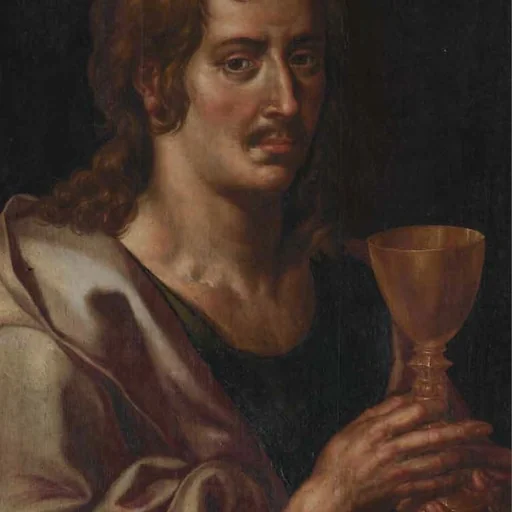
Hendrick de Clerck (c. 1560 – 27 August 1630) was a Flemish painter active in Brussels during the late sixteenth and early seventeenth centuries. Stylistically he belongs to the late Mannerist generation of artists…

 Untitled
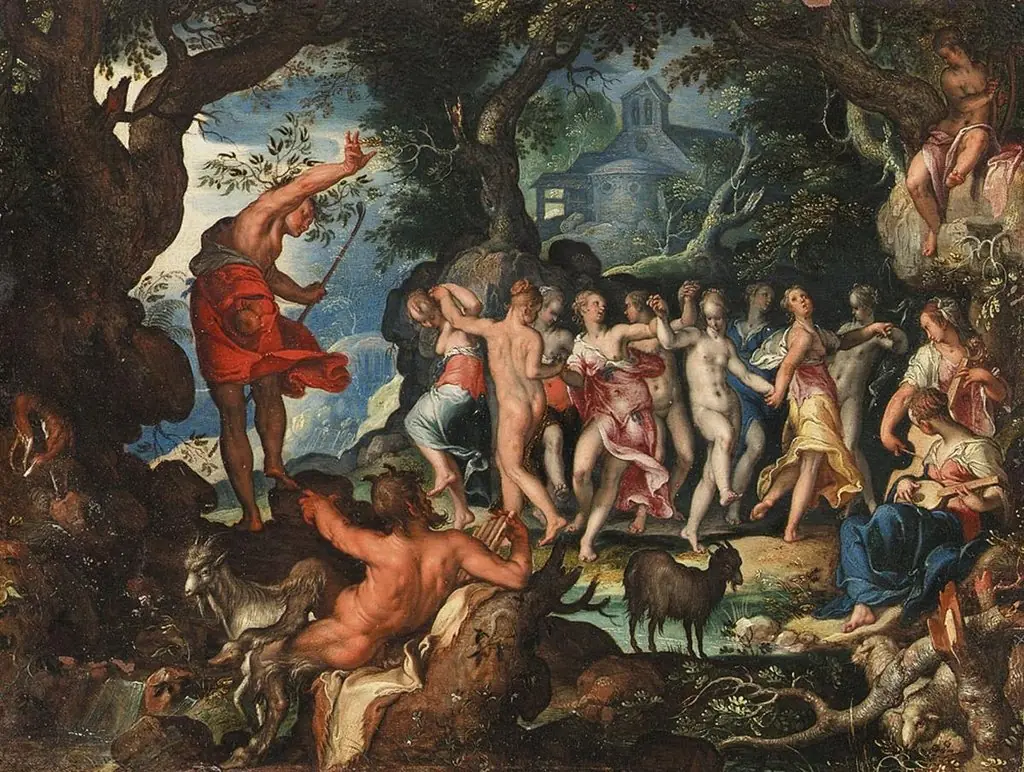 The Apulian Shepherd
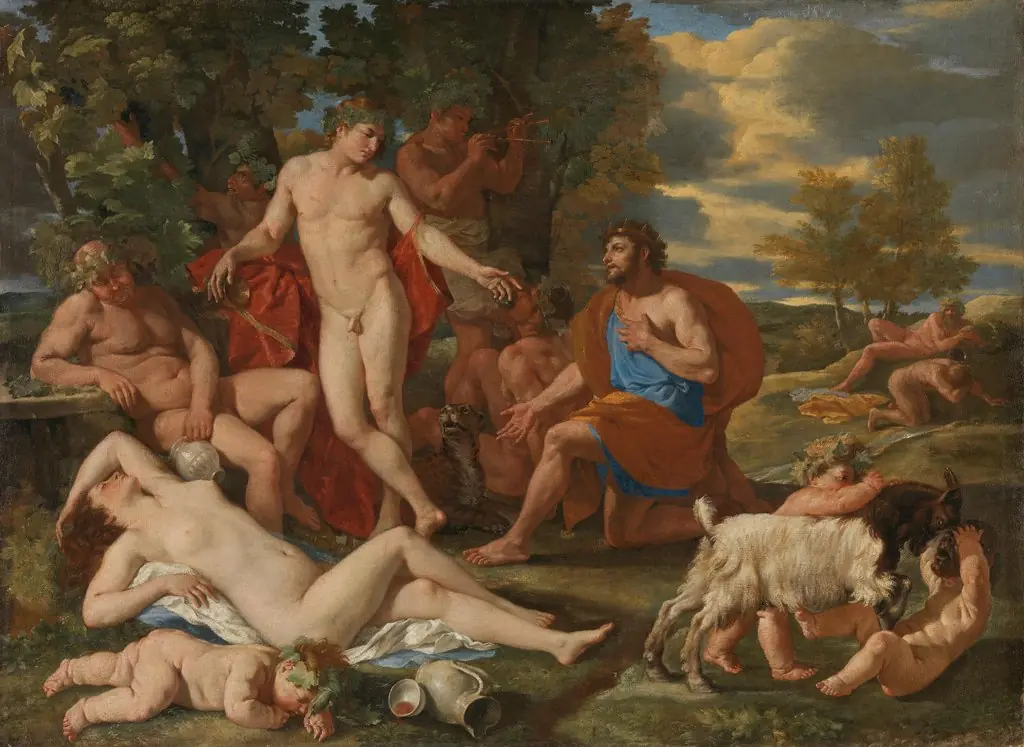 Midas and Bacchus
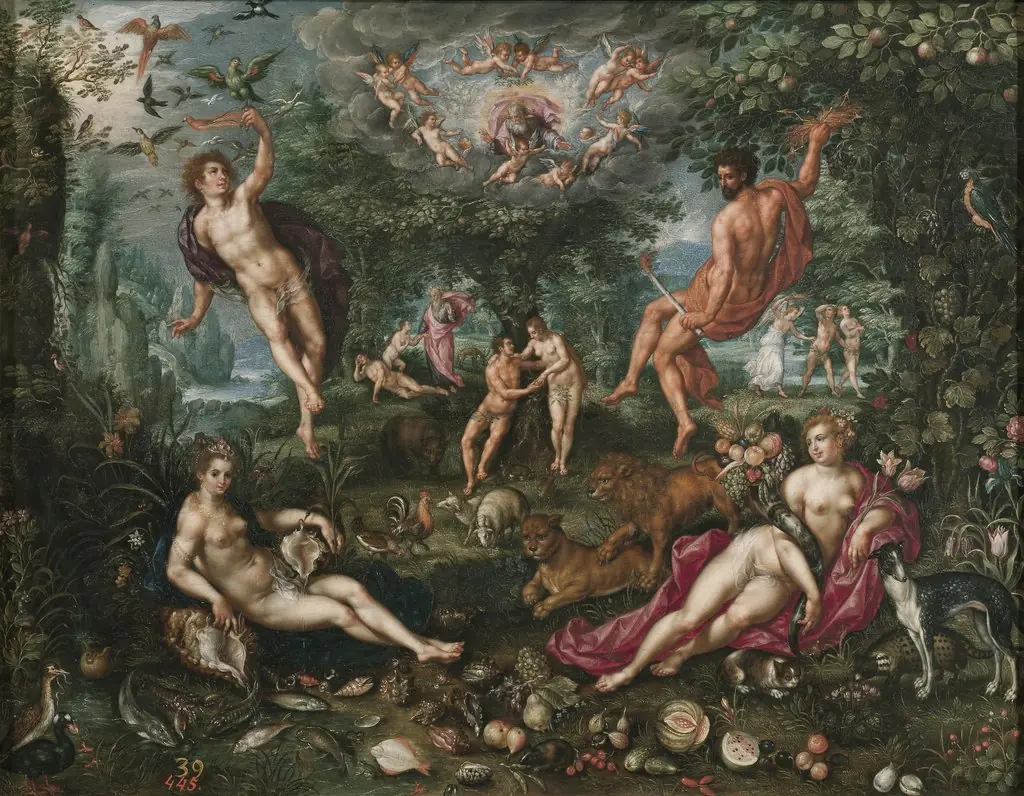 Paradise with the Four Elements
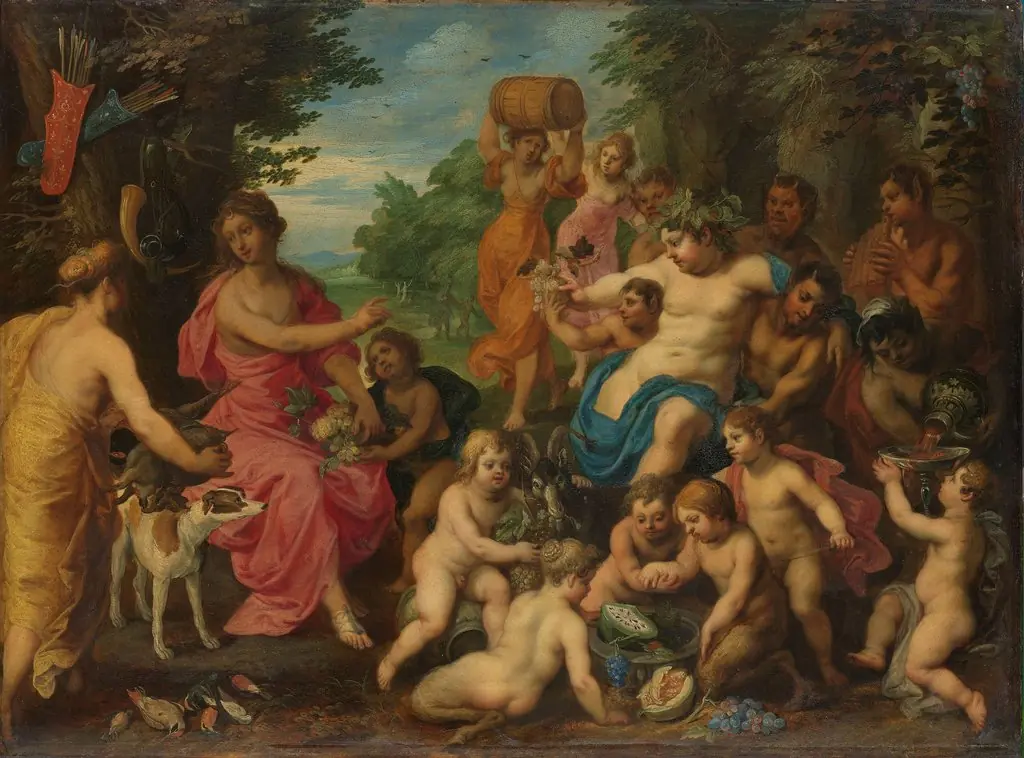 Diana Offered Wine and Fruit by the Young Bacchus and his Retinue
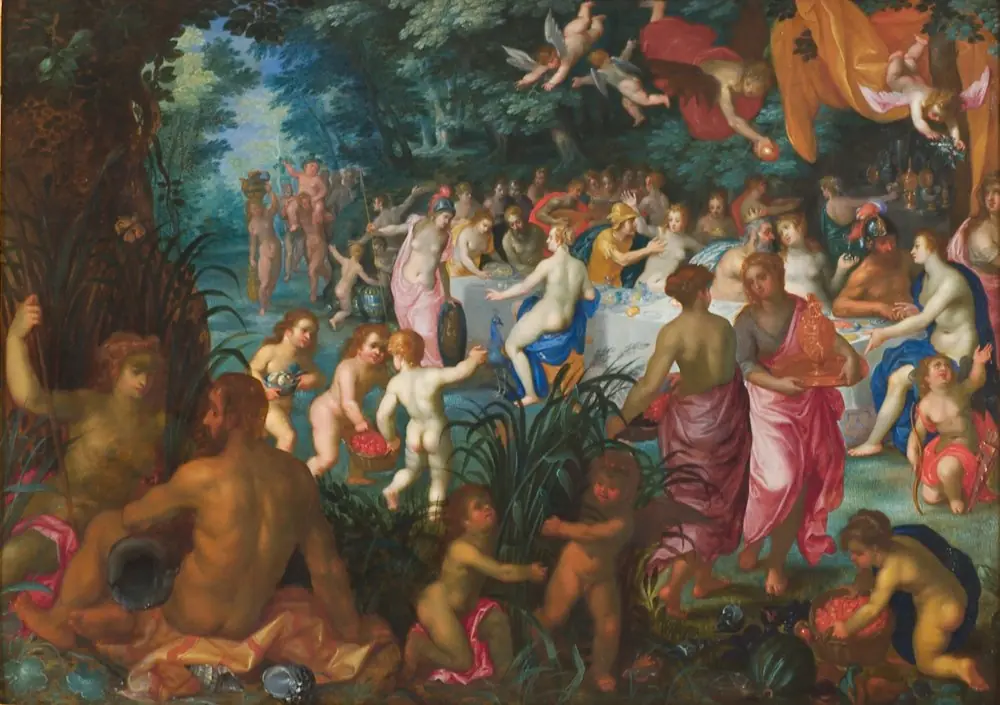 The Marriage of Peleus and Thetis
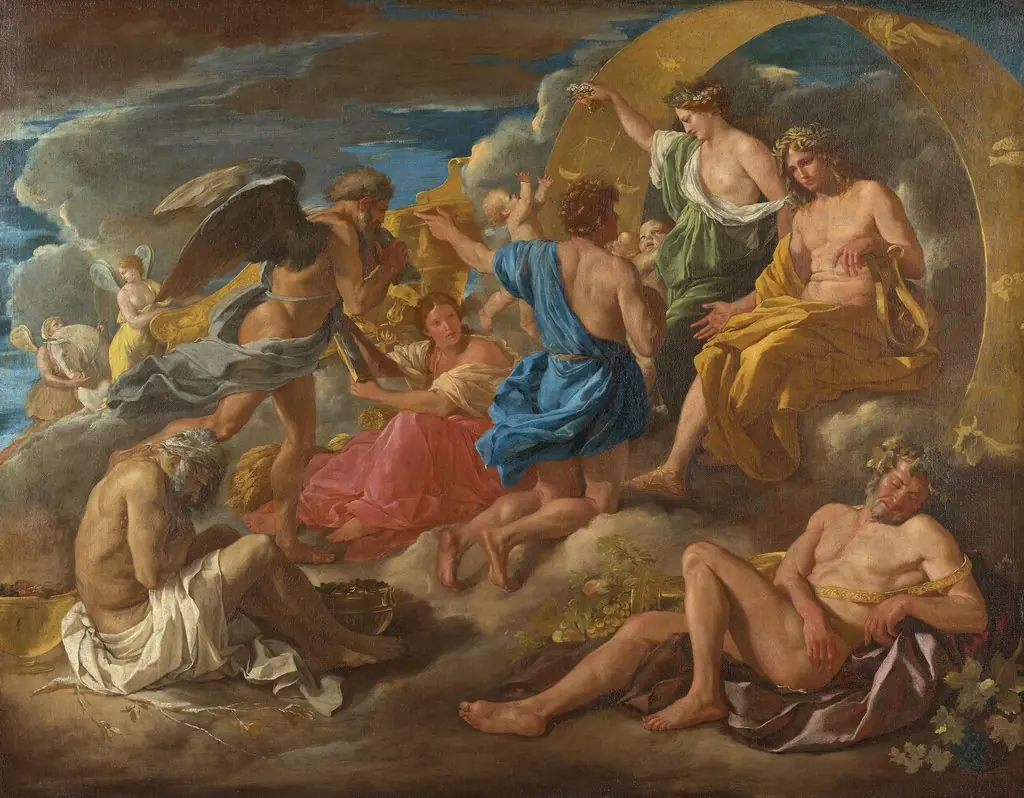 Helios and Phaeton with Saturn and the Four Seasons
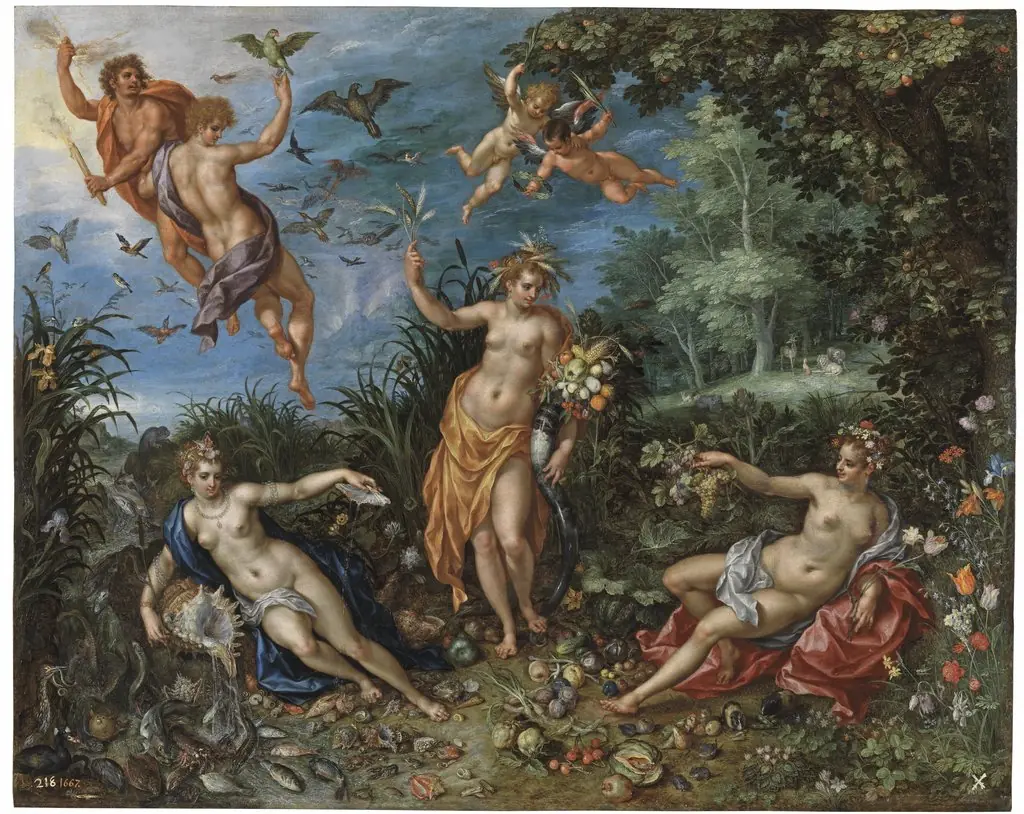 Allegory of Abundance and the Four Elements
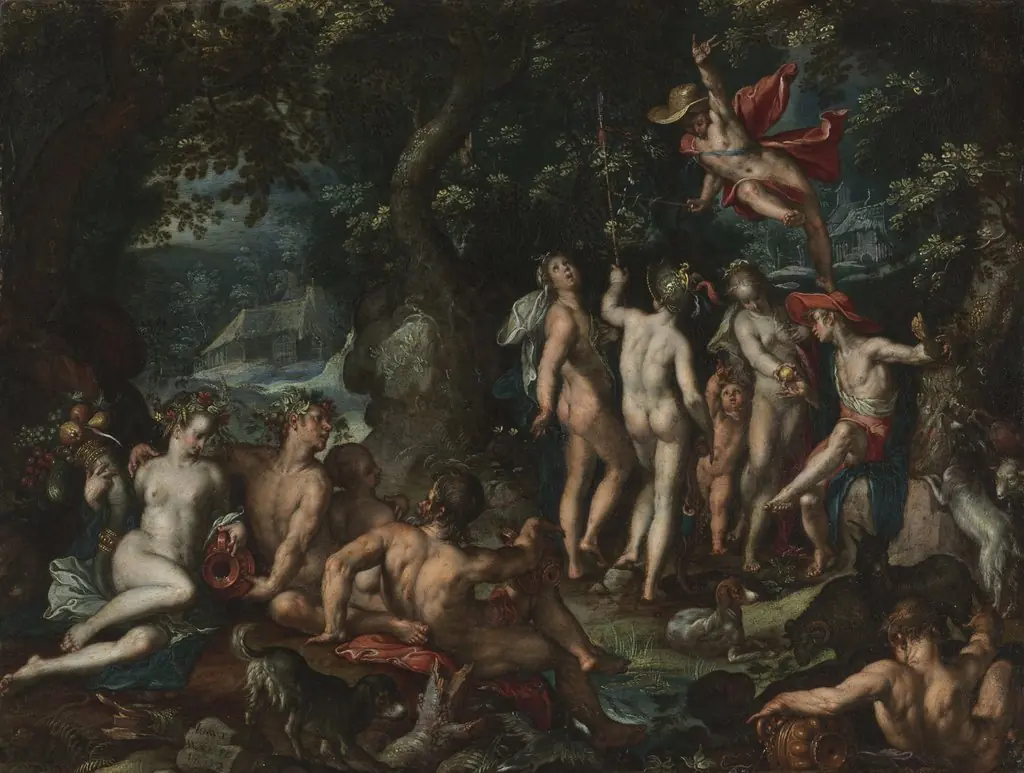 The Judgment of Paris
 Apollo Chasing Daphne
 The contest of Apollo and Pan