Artwork
Self-Portrait
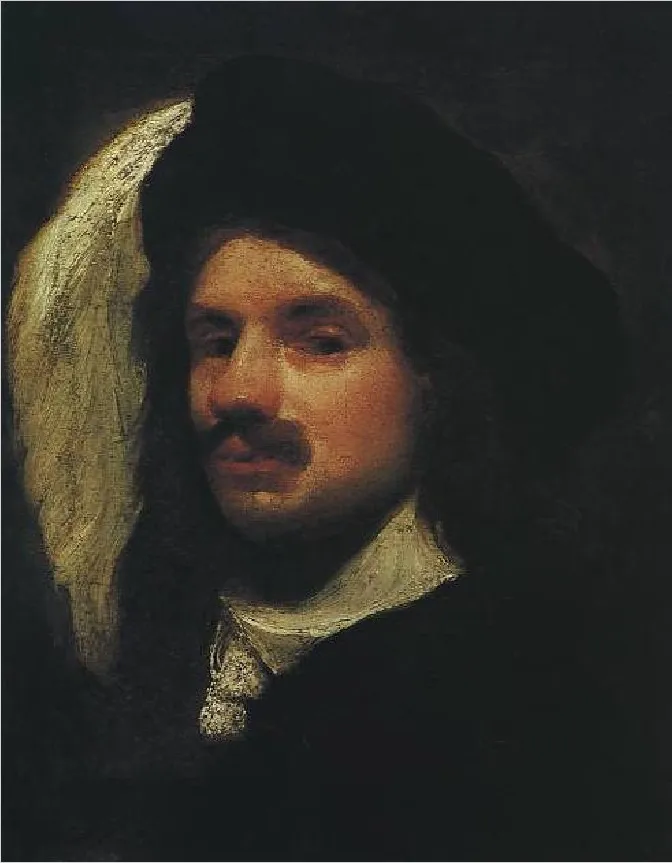
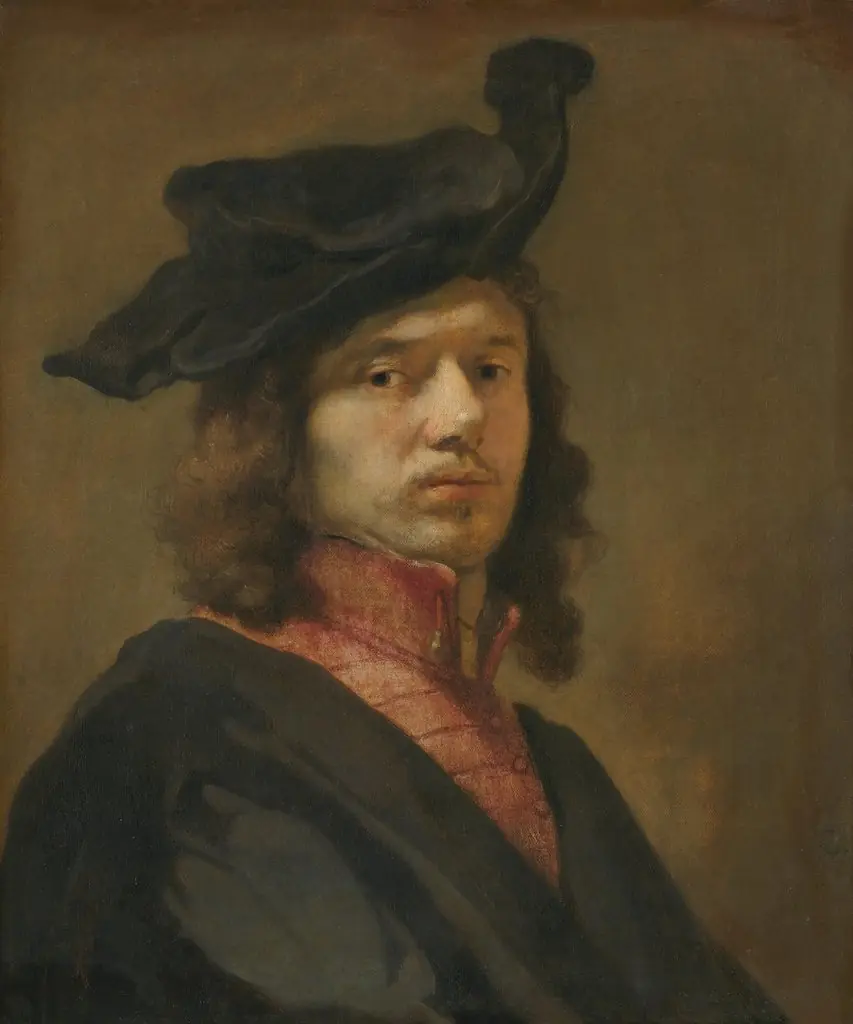
Self-Portrait is an oil painting by the Flemish Baroque painting artist Michiel Sweerts. It dates from 1650 and is held in the collection of the Uffizi Gallery.
About this work
If you're interested in learning more about this style of painting, you might want to explore the technique of chiaroscuro.
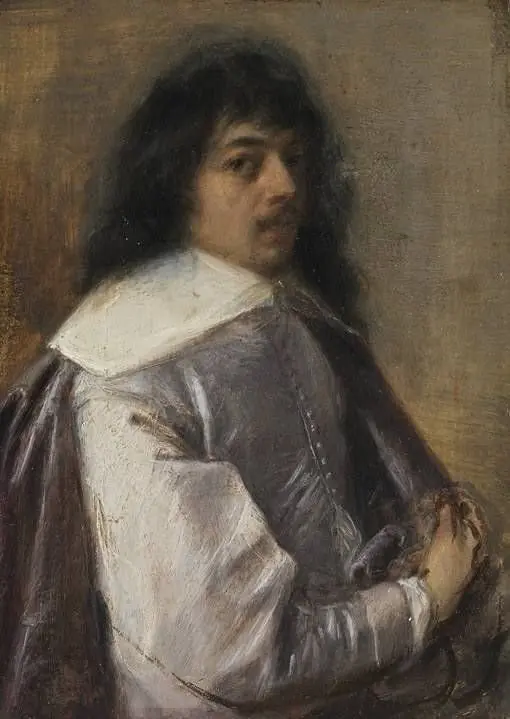
This painting is a self-portrait of a man with a mustache and dark hair. He is wearing a dark hat and a white collar. The background is dark, which makes the subject stand out.
The man's facial expression is neutral, and he is looking straight at the viewer. His attire suggests that he is from the 17th century. The overall mood of the painting is somber.
If you're interested in learning more about this style of painting, you might want to explore the technique of chiaroscuro.
Overview
Painted around 1650, this oil-on-canvas self-portrait is attributed to Michiel Sweerts, a Flemish artist known for his diverse subject matter and itinerant life across Europe. The work presents the artist facing the viewer directly, rendered with quiet intensity against a deep, unmodulated background. It belongs to the Uffizi Gallery’s collection, reflecting its historical significance within early modern European portraiture.
Subject & Meaning
The portrait captures Sweerts in a moment of stillness, his gaze steady and unadorned by gesture or symbolism. Dressed in dark clothing with a high white collar and broad-brimmed hat, he presents himself not as a nobleman or scholar, but as a working artist. The neutrality of his expression suggests introspection rather than performance, aligning with the genre of the tronie—a study of character over identity.
Technique & Style
Sweerts employs subtle chiaroscuro to model the face and hat, drawing attention to the contours of his features without dramatic contrast. The dark background isolates the figure, enhancing the focus on texture: the rough weave of his hat, the crispness of the collar, and the softness of his mustache. Brushwork is restrained, prioritizing naturalism over flourish, typical of Northern European portraiture of the mid-seventeenth century.
History & Provenance
Sweerts traveled extensively, working in Rome, Brussels, and possibly Asia, before his death in 1664. This self-portrait likely dates from his time in Italy, where he engaged with Caravaggisti traditions. It entered the Uffizi collection in the eighteenth century, possibly through Medici patronage or acquisition from a Roman artist’s estate, though its exact path remains undocumented.
Context
In mid-century Europe, self-portraiture was increasingly used by artists to assert professional identity. Sweerts’ work aligns with contemporaries like Rembrandt and Velázquez, who portrayed themselves with psychological depth rather than idealization. Unlike courtly portraits, this image rejects grandeur, reflecting a quieter, more personal mode of self-representation emerging among artists outside royal courts.
Legacy
Though Sweerts’ reputation faded after his death, this portrait remains a key example of his ability to merge genre realism with introspective portraiture. Modern scholarship values it for its unembellished presence and technical restraint, offering insight into the self-perception of itinerant artists in a period when artistic identity was being redefined beyond guild traditions.
Artist & collection
Artist
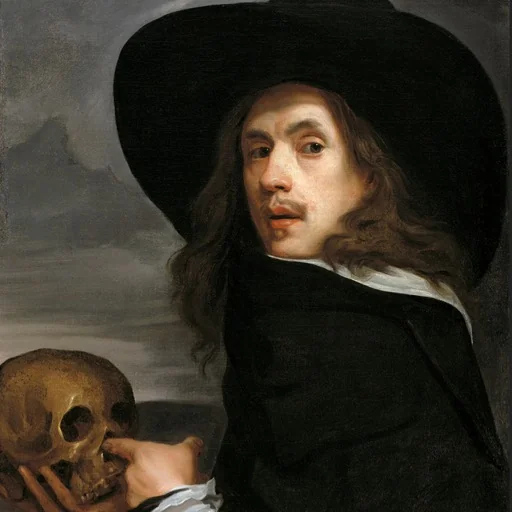
Michiel Sweerts or Michael Sweerts (29 September 1618 – 1 June 1664) was a Flemish painter and printmaker of the Baroque period, who is known for his allegorical and genre paintings, portraits and tronies.

 Portrait of an unknown man
 Portrait of a man
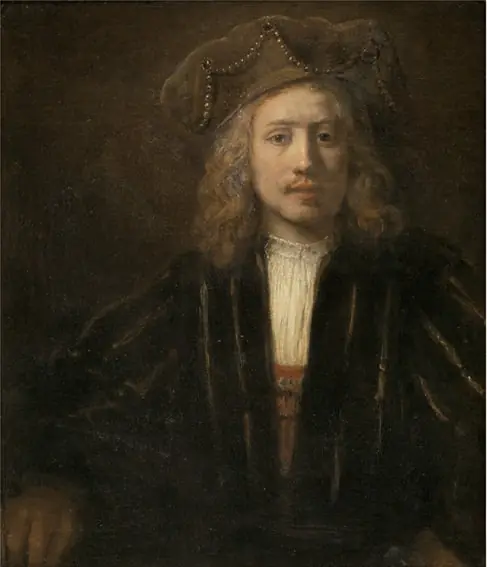 Young Man in a Pearl-trimmed Cap
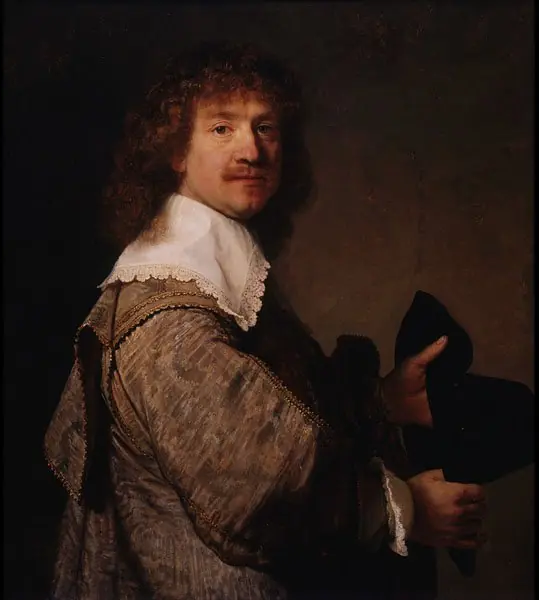 Portrait of a Man Holding a Hat
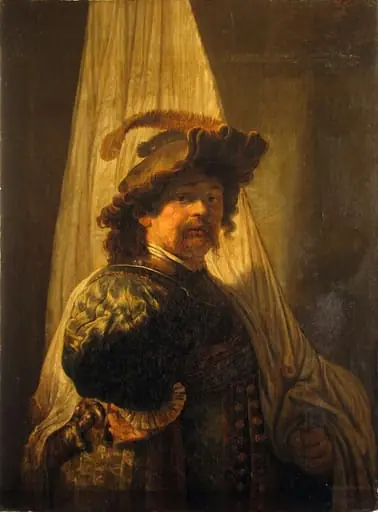 Stegar civil
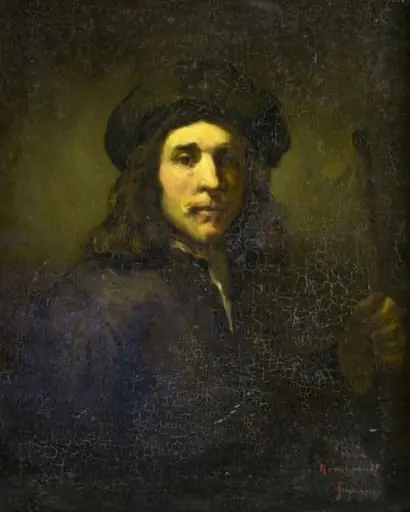 Bărbatul cu baston - copie după Rembrandt
 Self-portrait
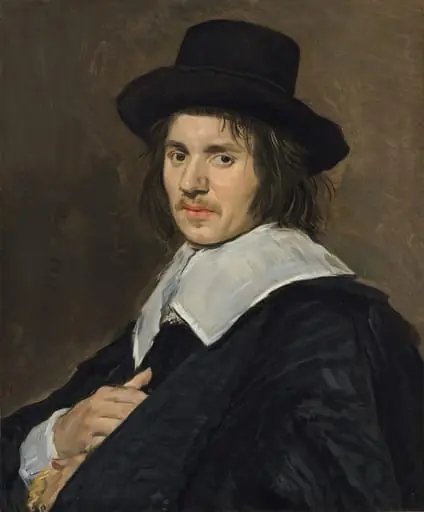 Portrait of a Man
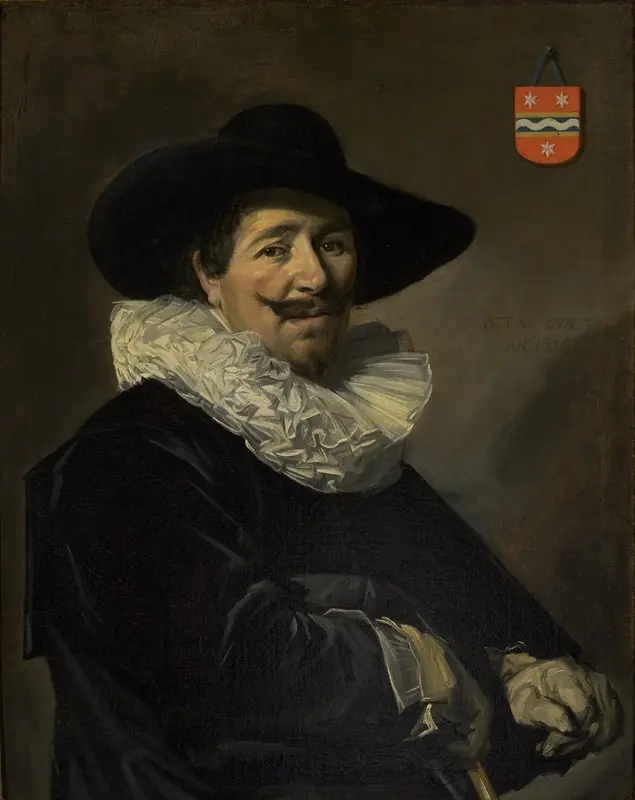 Portrait of Andries van Hoorn
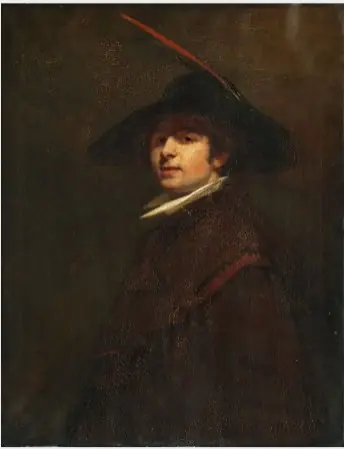 'The Masquerader' (A Self-Portrait)
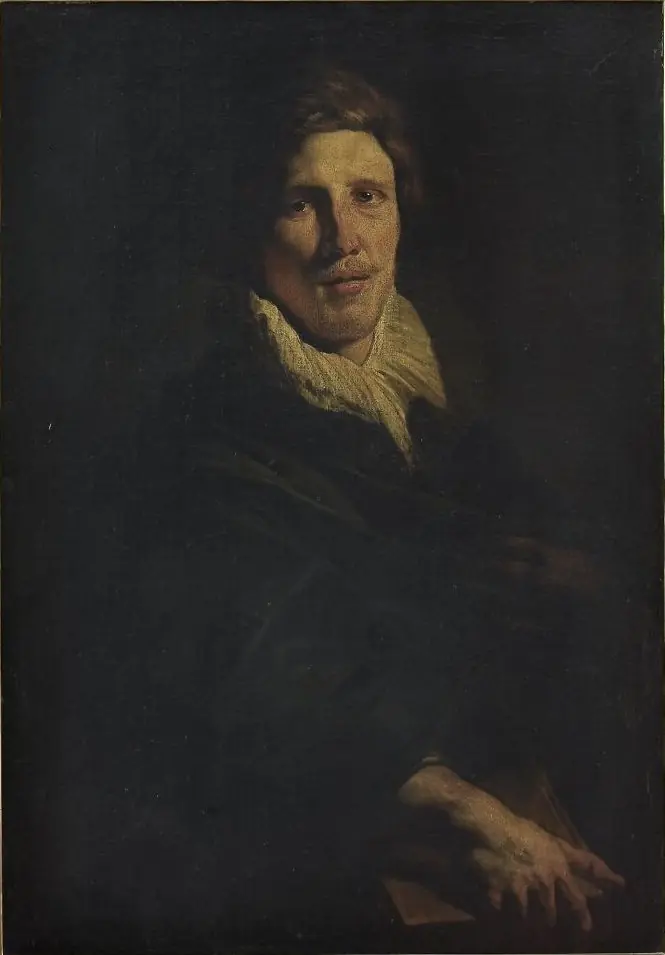 Portrait of a young gentleman, formerly believed to be a self-portrait
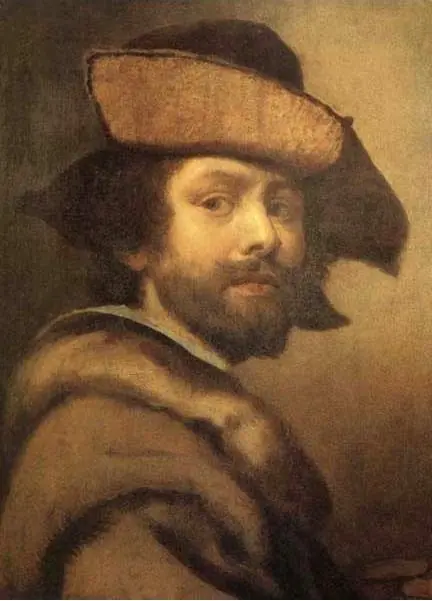 Self-portrait