Artwork
The Breakfast
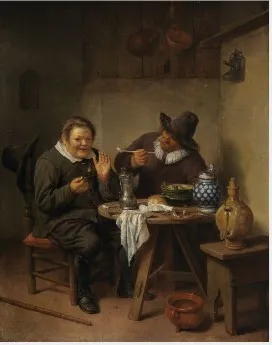
The Breakfast is an oil painting by the Dutch Golden Age artist Hendrik Martenszoon Sorgh. It dates from 1656 and is held in the collection of the National Gallery of Ireland.
About this work
Overview
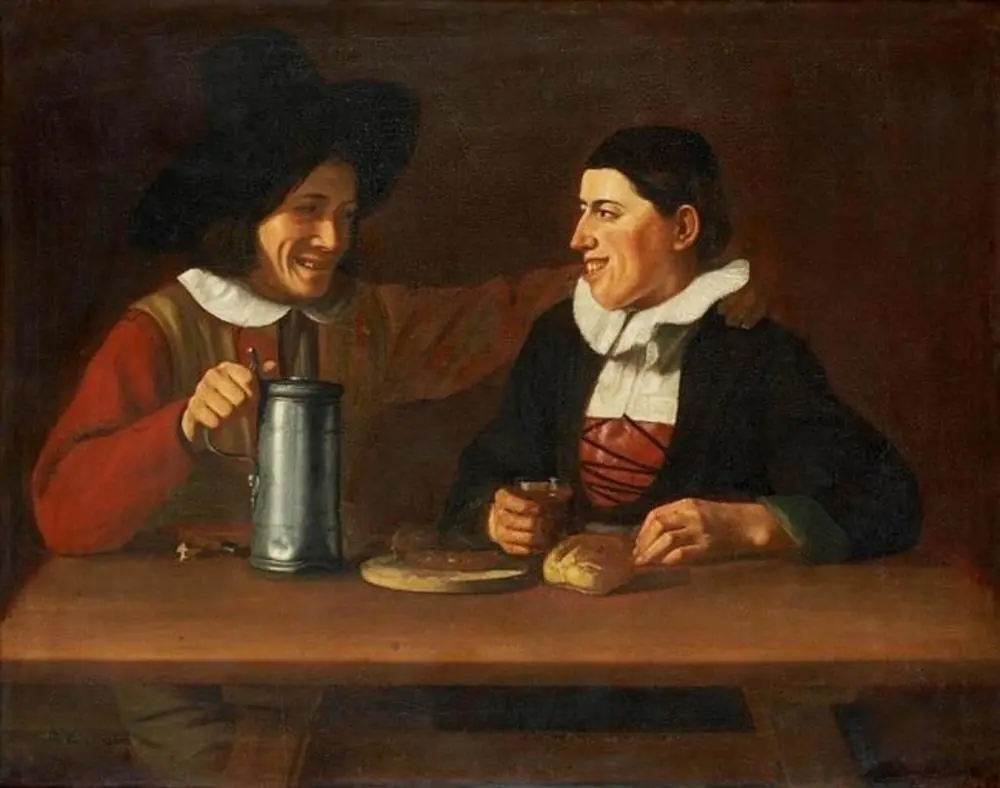
Painted in 1656 by Hendrik Martenszoon Sorgh, The Breakfast is an oil-on-canvas work depicting two men sharing a modest meal. It resides in the National Gallery of Ireland. The scene unfolds in a confined interior, rendered with quiet attention to everyday detail. The composition avoids theatricality, focusing instead on the stillness and intimacy of a routine moment in domestic life.
Subject & Meaning
Two men, dressed in dark, simple garments, sit at a low table engaged in eating and drinking. One wears a hat; the other does not. Their postures suggest familiarity and ease, with no indication of social hierarchy or narrative drama. The absence of gesture or expression implies a meditation on ordinary companionship, valuing quiet presence over action or symbolism.
Technique & Style
Sorgh employed muted earth tones and soft, diffused lighting to evoke warmth without glare. The brushwork is restrained, with careful attention to textures—wood grain, rough stone, fabric folds—without embellishment. Shadows are gently modeled, enhancing the sense of enclosure. The composition is tightly framed, drawing focus to the table and the figures’ subtle interaction.
History & Provenance
The painting was created during the Dutch Golden Age, a period when genre scenes of domestic life gained popularity among middle-class patrons. It entered the National Gallery of Ireland’s collection in the 19th century, likely through private acquisition. Its provenance before that remains undocumented, though its style aligns with Sorgh’s known body of work from the 1650s.
Context
In mid-17th century the Netherlands, artists increasingly turned to intimate interiors as subjects, reflecting a cultural shift toward valuing private life. Sorgh, active in Rotterdam, was part of this trend, influenced by contemporaries like Pieter de Hooch. Unlike grand historical or religious scenes, works like The Breakfast celebrated the dignity of unremarkable moments in ordinary homes.
Legacy
The Breakfast exemplifies the quiet realism that defined Dutch genre painting of the era. While not widely reproduced or celebrated in popular culture, it remains a representative example of how artists captured the stillness of daily life. Its endurance in museum collections underscores its role in documenting the aesthetic values of its time.
Artist & collection
Artist
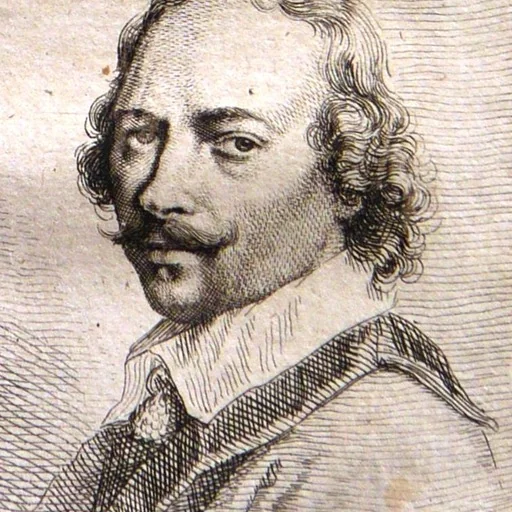
Hendrik Martenszoon Sorgh (1610–1670) was an artist, born in Rotterdam.

 Sending the Boy for Beer
 Two grinning men behind a table with a pewter, glass of wine and bread
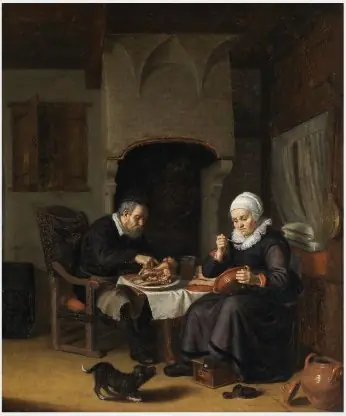 The Repast
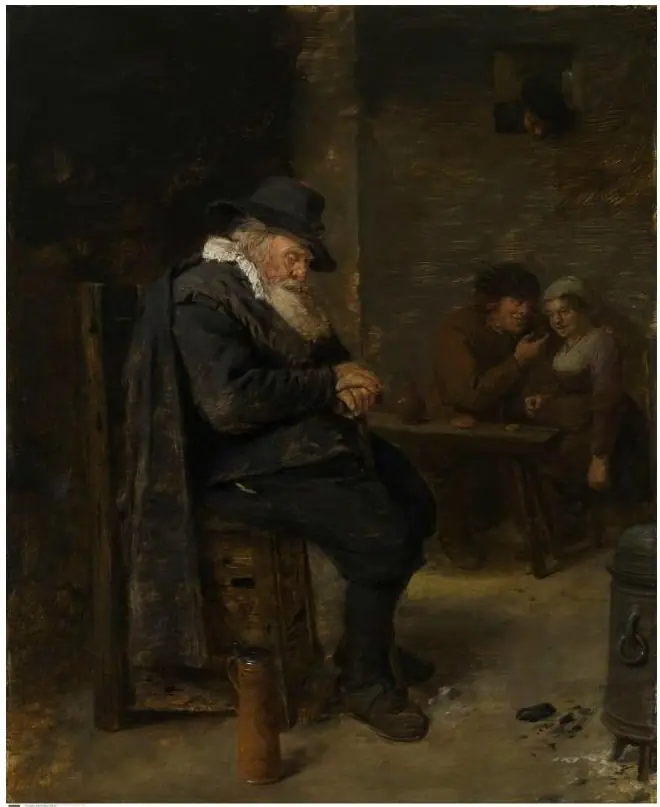 Interior of an inn with an old man asleep and an amorous couple
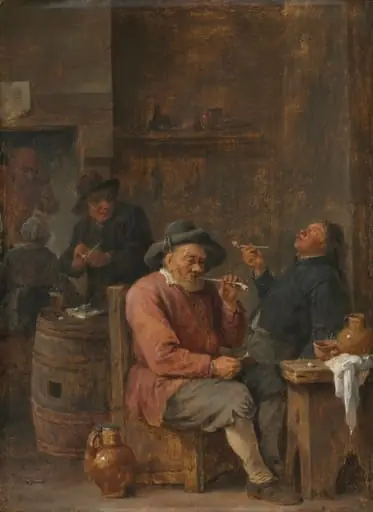 Peasants Smoking in an Inn
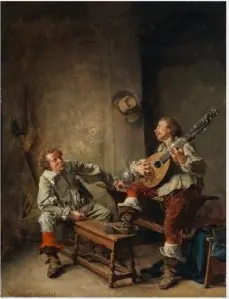 A Song
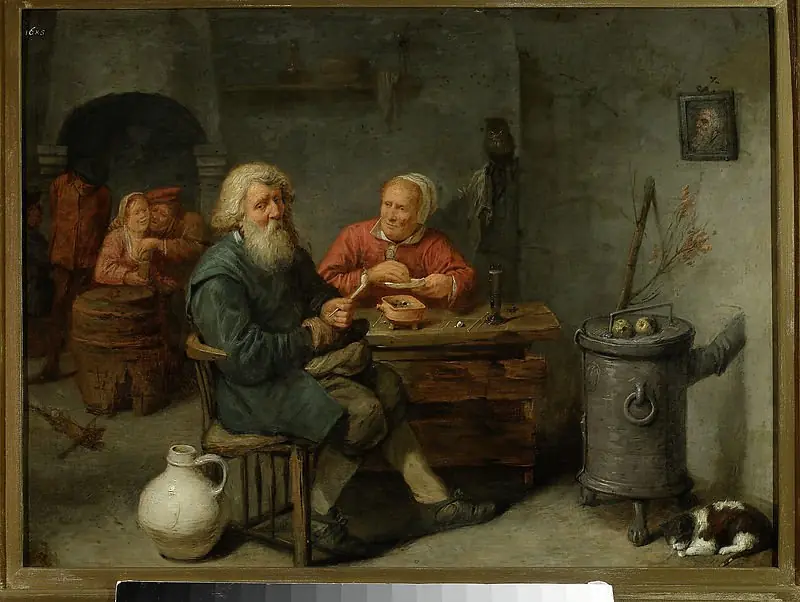 Scene in a tavern
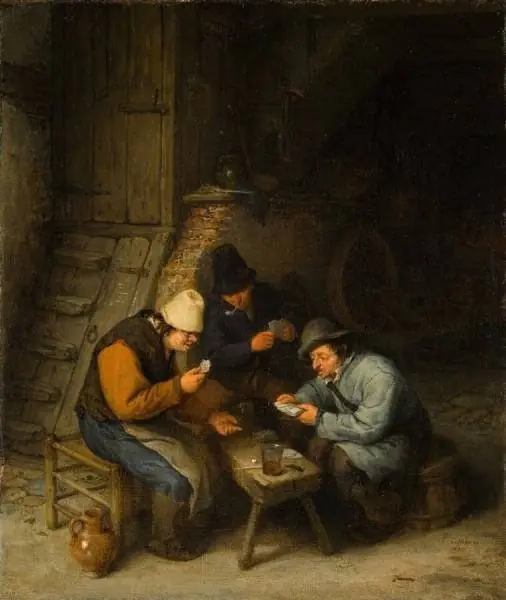 Peasants Playing Cards
 Hustle-cap
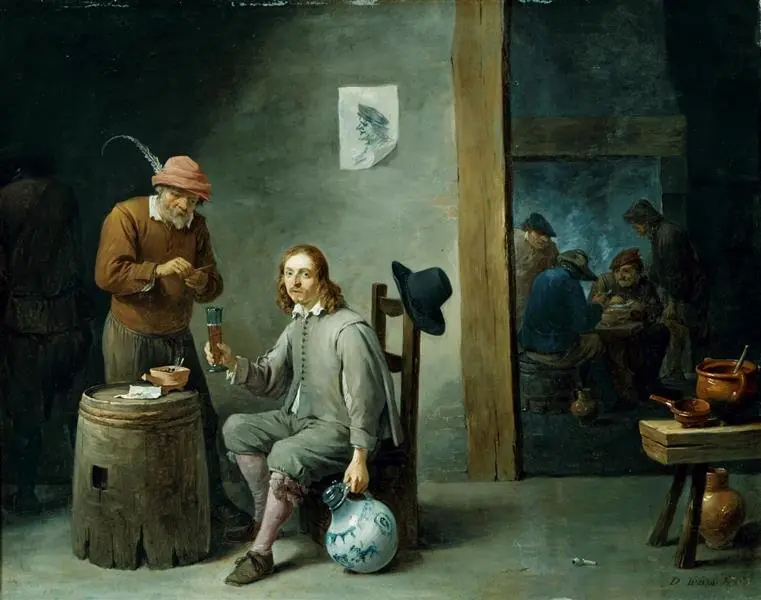 Self-portrait in an inn
 Două personaje în interior
 Breakfast of a Young Man