Artwork
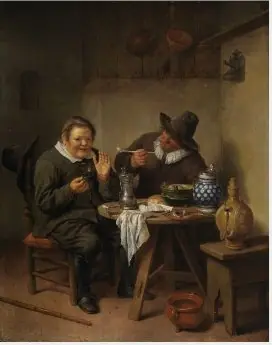
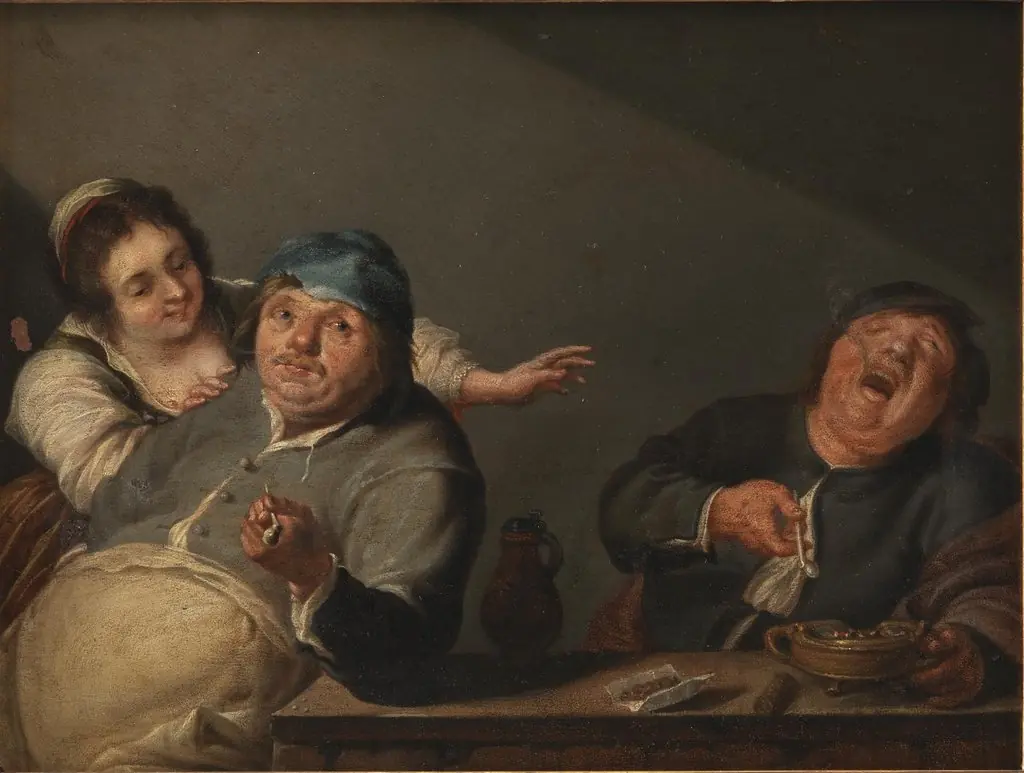
Two grinning men behind a table with a pewter, glass of wine and bread
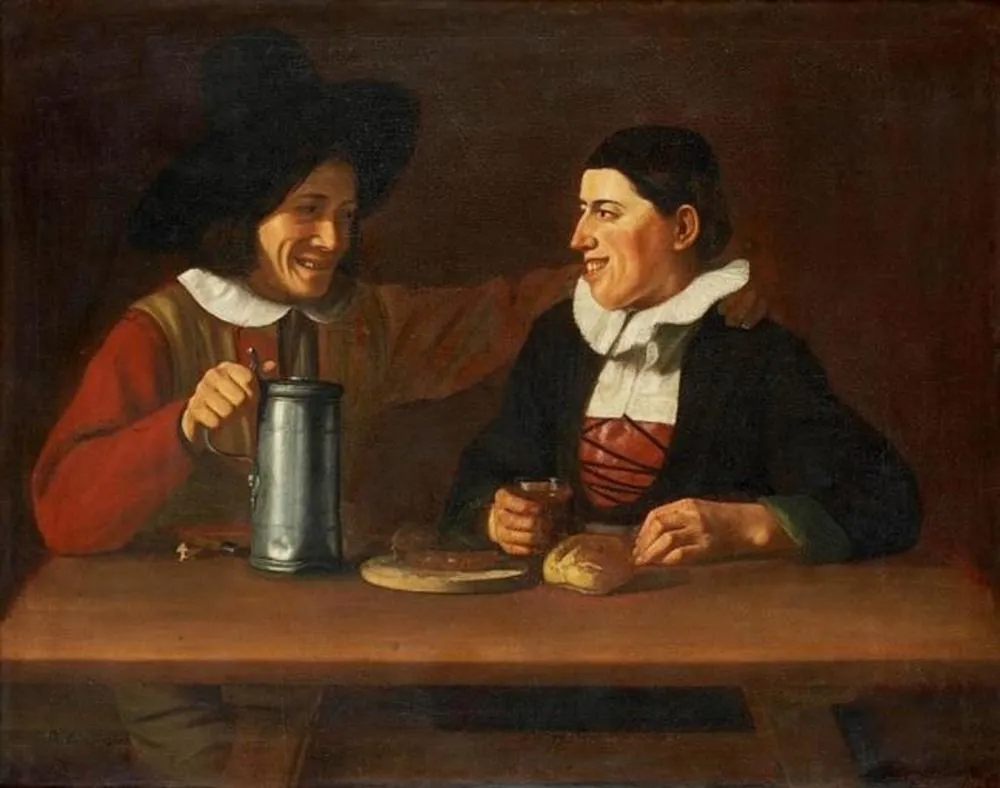
Two grinning men behind a table with a pewter, glass of wine and bread is an oil painting by the Dutch Golden Age artist Martin Dichtl. It dates from 1665 and is held in the collection of the Kunsthistorisches Museum.
About this work
Overview
Martin Dichtl’s oil painting, executed in 1665, presents a domestic genre scene that is part of the collection of the Kunsthistorisches Museum. The work captures two men seated at a modest wooden table, engaged in a moment of convivial laughter. Their attire, bright against a dark backdrop, draws the eye to the interaction and the simple objects that surround them.
Subject & Meaning
The composition focuses on two figures who appear to be sharing a casual drink and a piece of bread. One figure grips a pewter pitcher, while the other holds a glass of dark liquid, suggesting wine, alongside a loaf. The relaxed posture and smiles convey a sense of camaraderie and everyday pleasure within a modest setting.
Technique & Style
Dichtl employs a pronounced chiaroscuro, using deep shadows to frame the illuminated faces and vivid clothing. The contrast between the dark background and the bright reds, whites, and dark jackets enhances the three‑dimensionality of the figures. Fine brushwork renders the texture of the metal pitcher, glass, and crumbs, adding tactile realism to the scene.
History & Provenance
Created in the mid‑17th century, the painting has remained in the Austrian capital’s principal museum, the Kunsthistorisches Museum, where it is displayed among other Baroque genre works. Its provenance traces back to the artist’s workshop, with no recorded changes of ownership before entering the museum’s collection.
Context
Dichtl’s work belongs to the broader tradition of Northern European genre painting, which often highlighted ordinary moments and social interaction. The emphasis on light, texture, and the intimate setting reflects contemporary interests in capturing the moral and visual aspects of daily life during the Baroque period.
Artist & collection

 The Breakfast
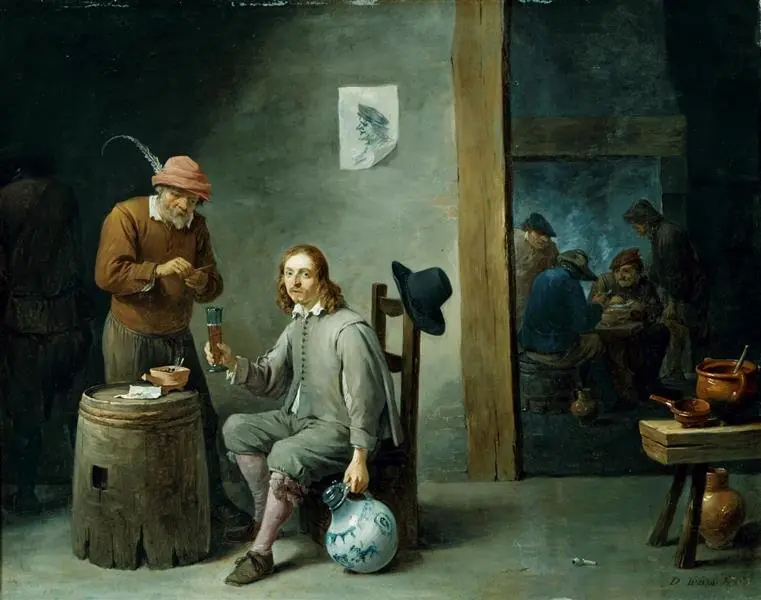 Self-portrait in an inn
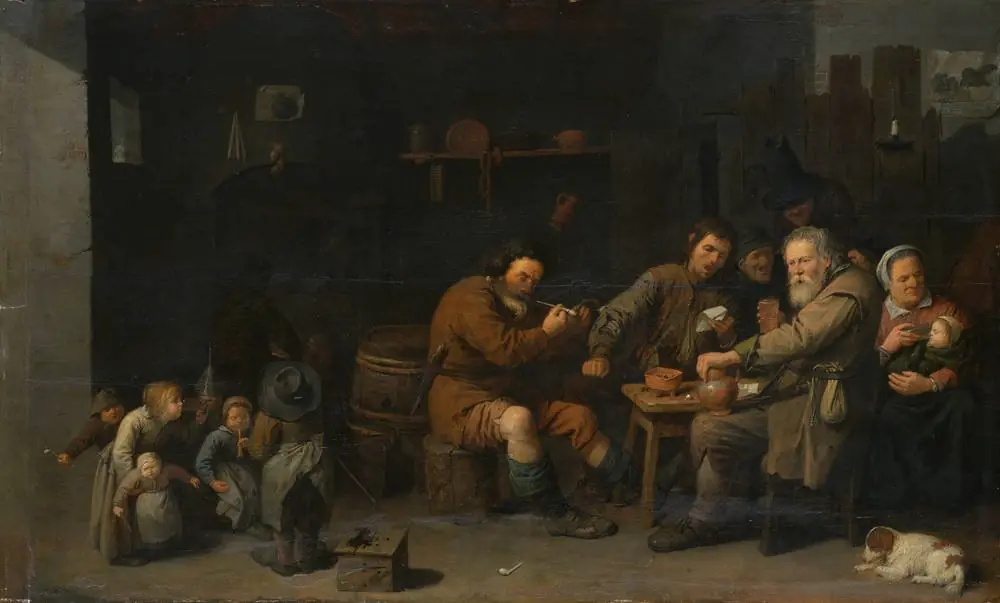 Peasant family
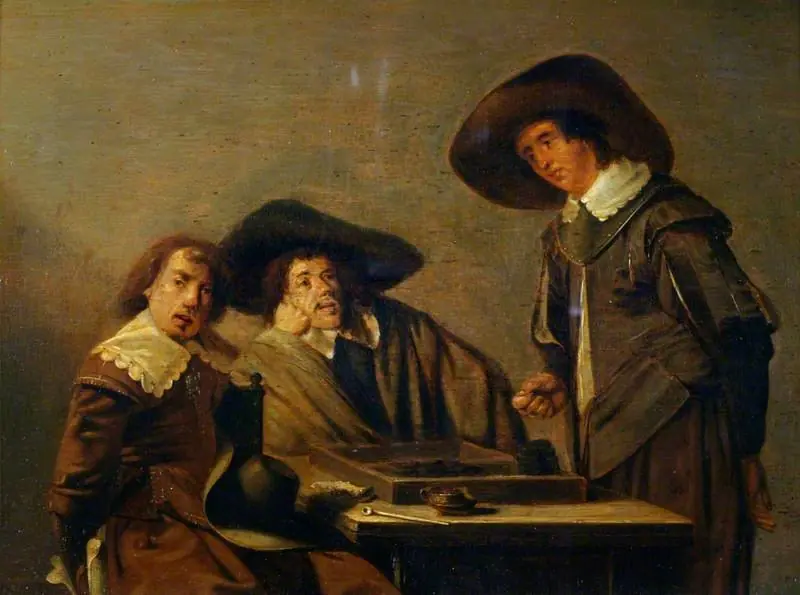 Backgammon Players
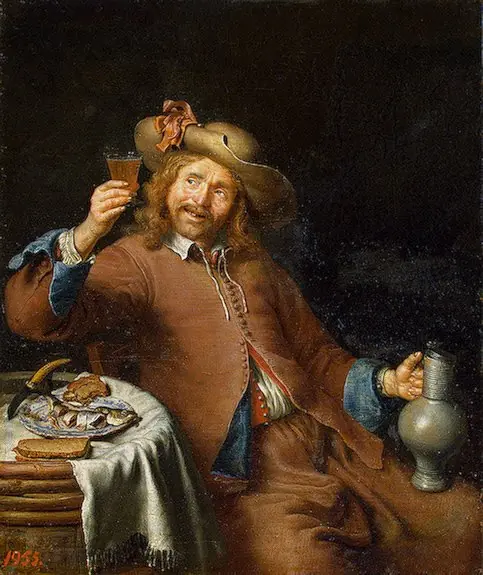 Breakfast of a Young Man
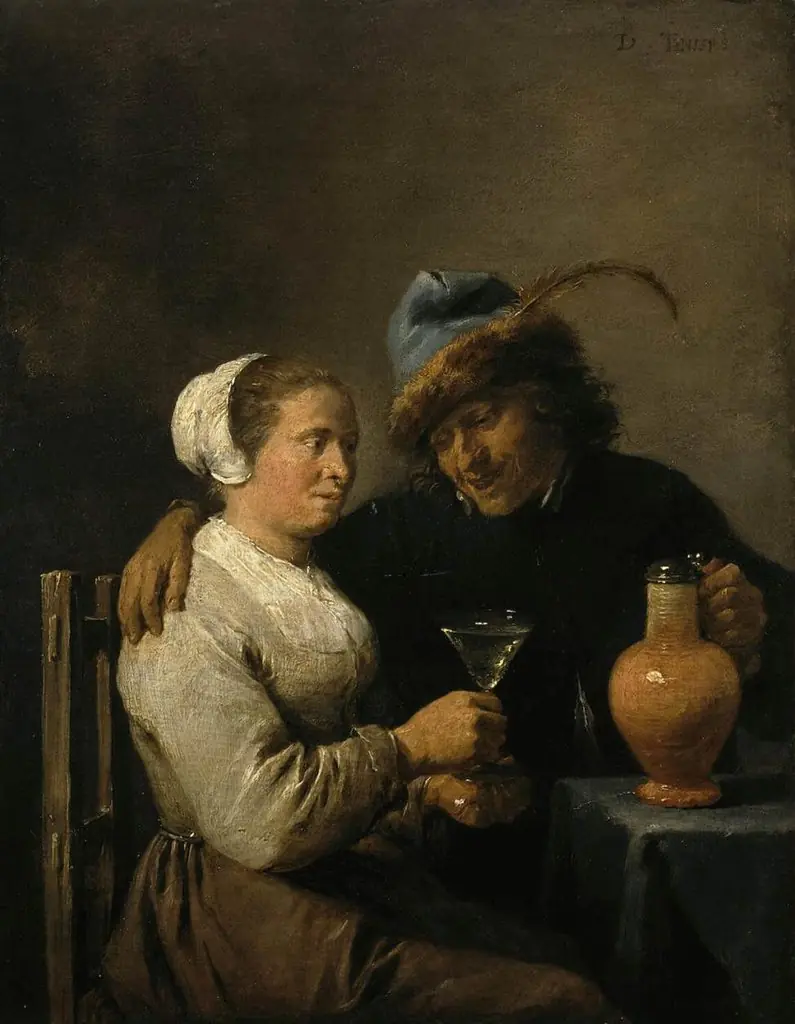 Scene in a Tavern
 Banquet at the Crossbowmen’s Guild in Celebration of the Treaty of Münster
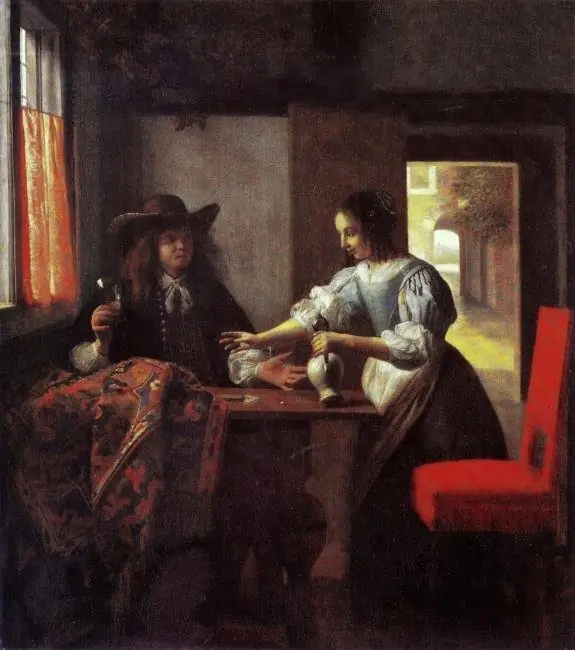 Man with a glass and a woman with a jug in an interior
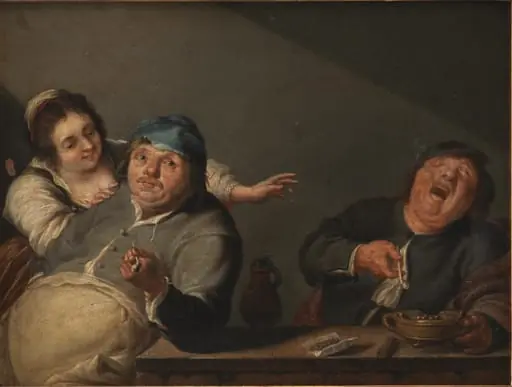 Smokers
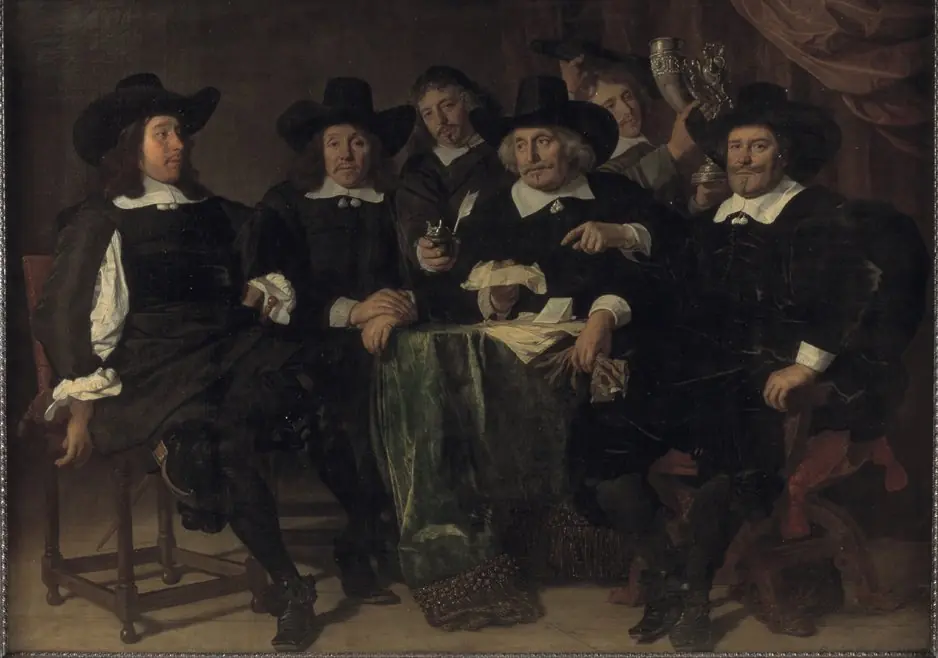 The directors of the Amsterdam civic guard of St. George in 1656
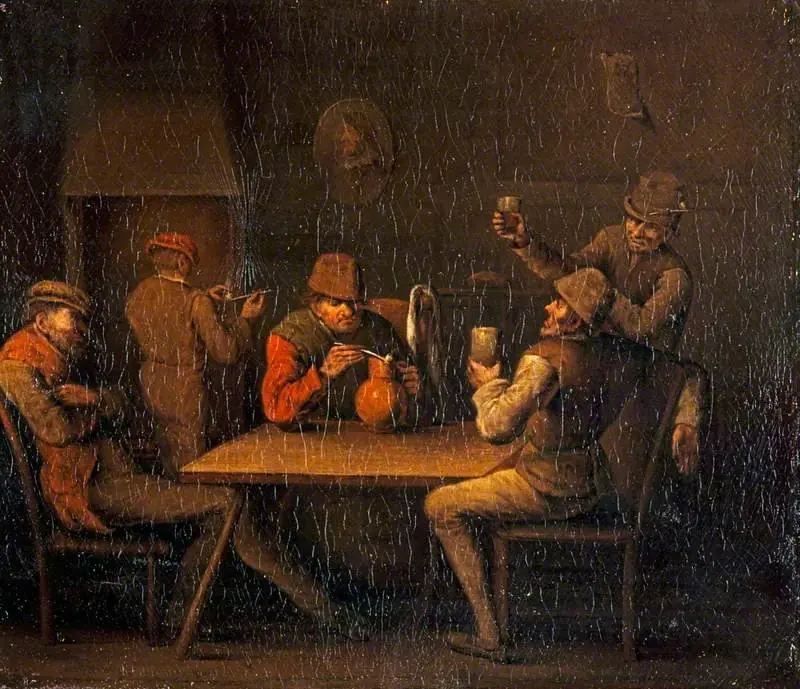 Boors Carousing
 Smokers