Artwork
The Housekeeper
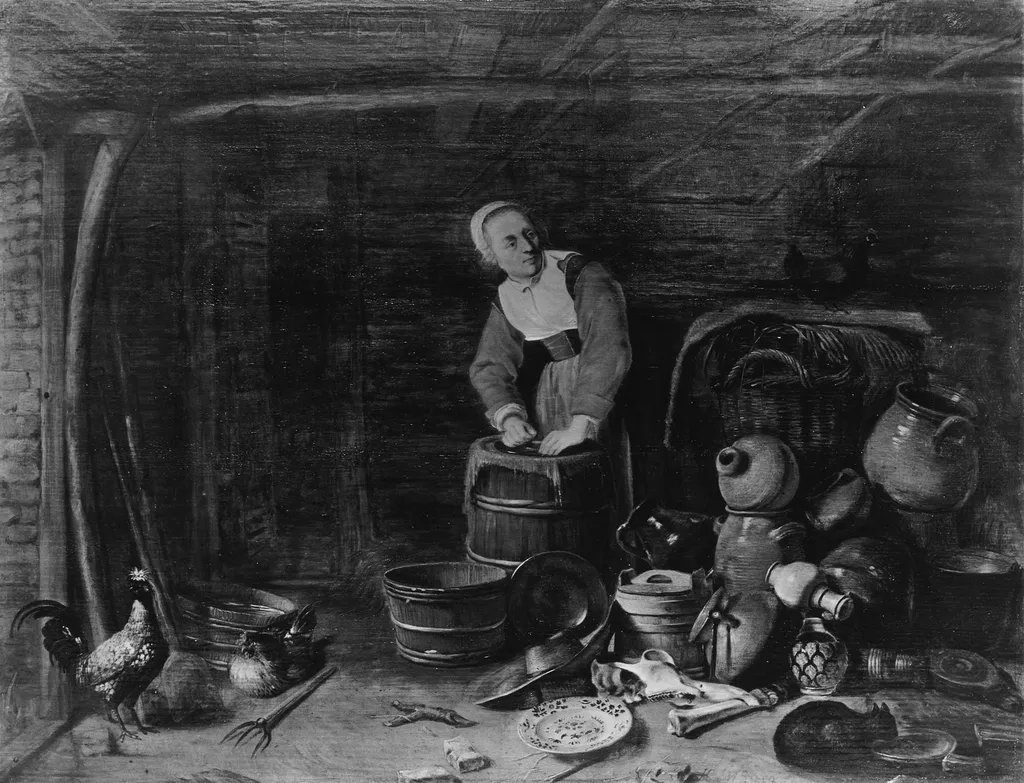
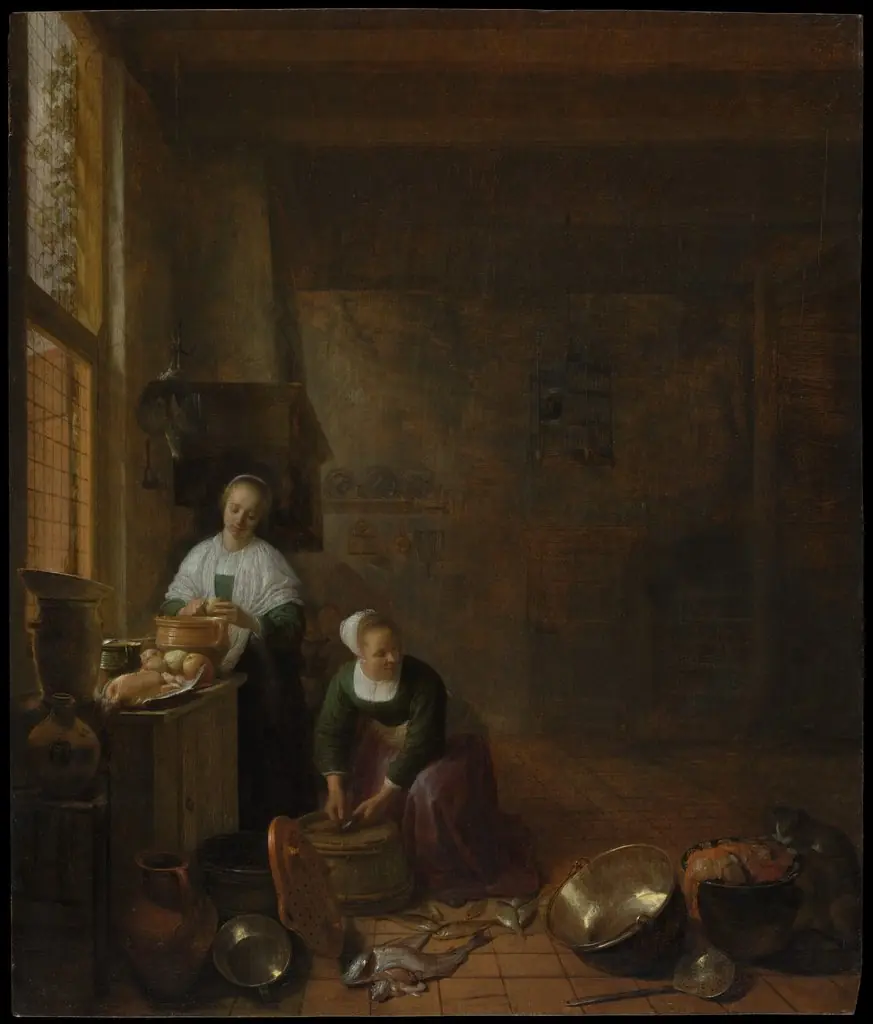
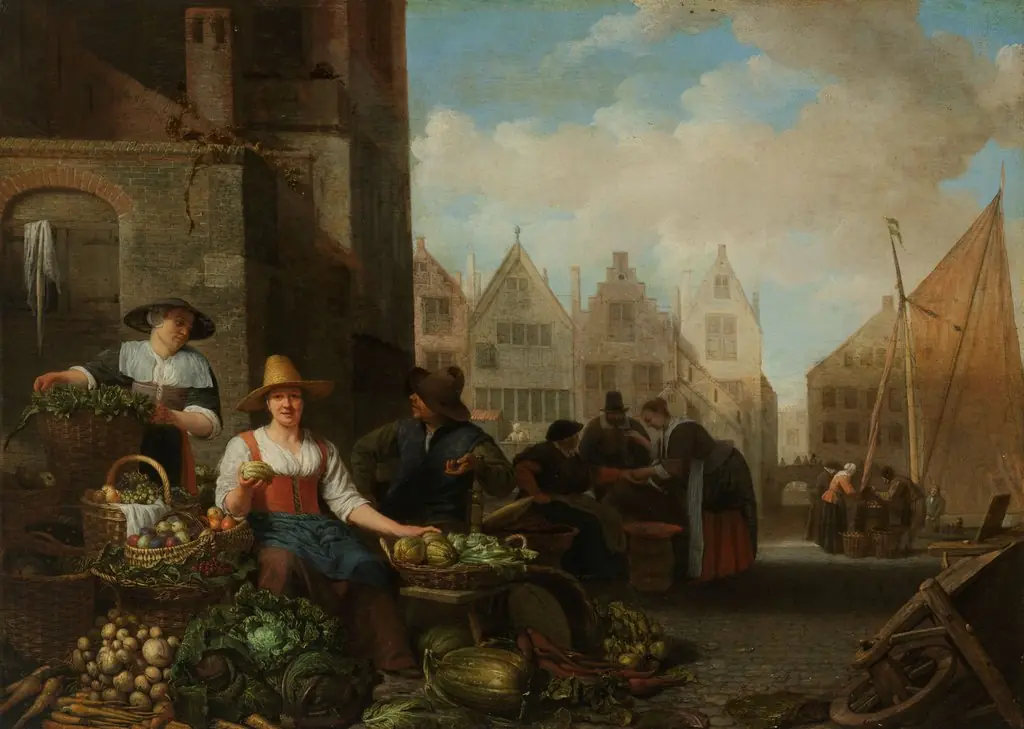
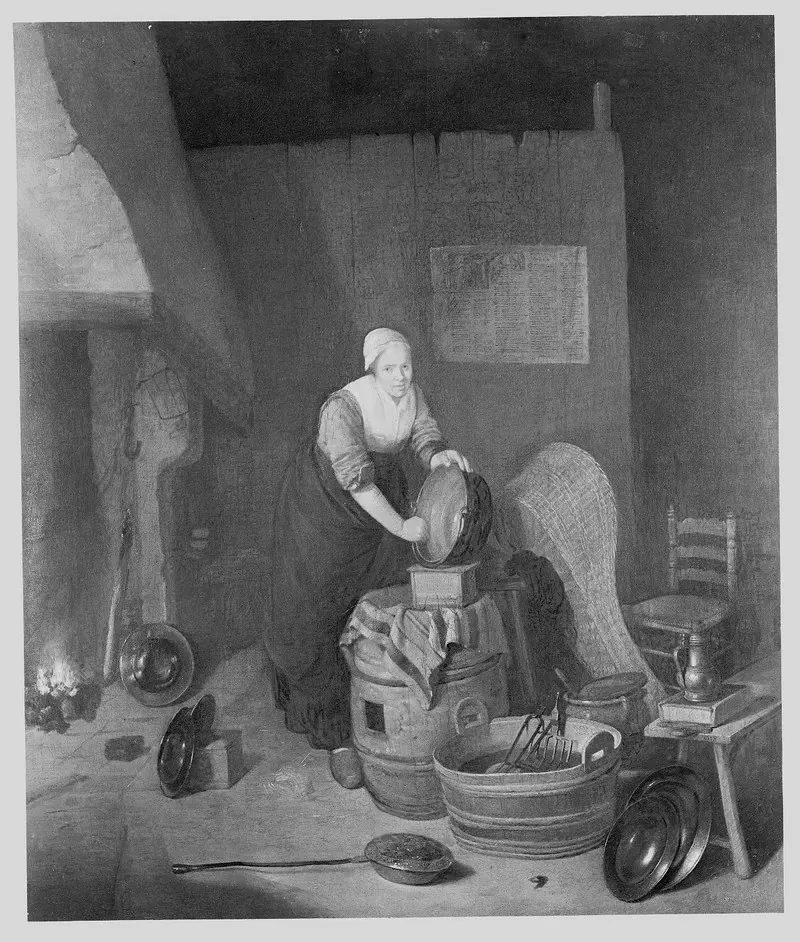
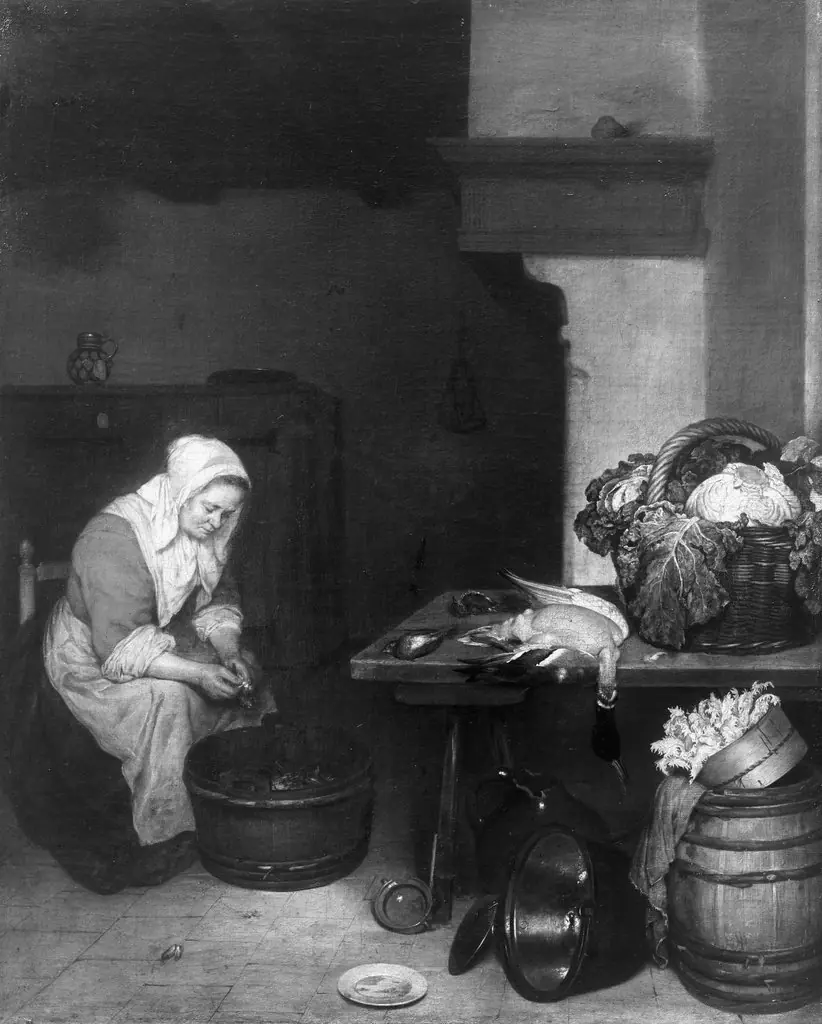
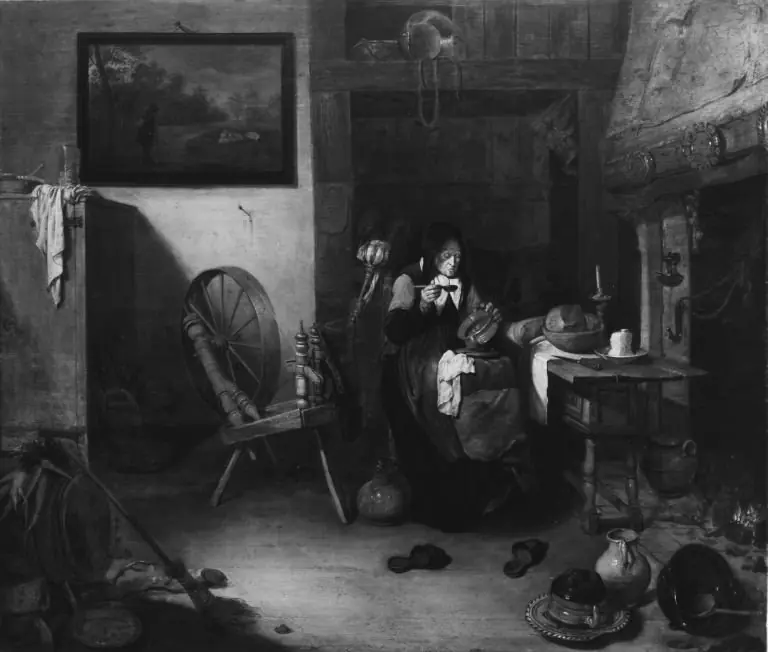
The Housekeeper is an unspecified painting by the Dutch Golden Age artist Hendrik Martenszoon Sorgh. It dates from 1656 and is held in the collection of the Art Institute of Chicago.
About this work
Overview
The work belongs to the Dutch Golden Age tradition of genre scenes, focusing on ordinary life with restrained realism.
Painted in 1656 by Hendrik Martenszoon Sorgh, this oil on panel depicts a domestic servant engaged in quiet routine. The work belongs to the Dutch Golden Age tradition of genre scenes, focusing on ordinary life with restrained realism. It is currently held in the collection of the Art Institute of Chicago, acquired as part of a broader effort to represent everyday Dutch interiors of the mid-seventeenth century.
Subject & Meaning
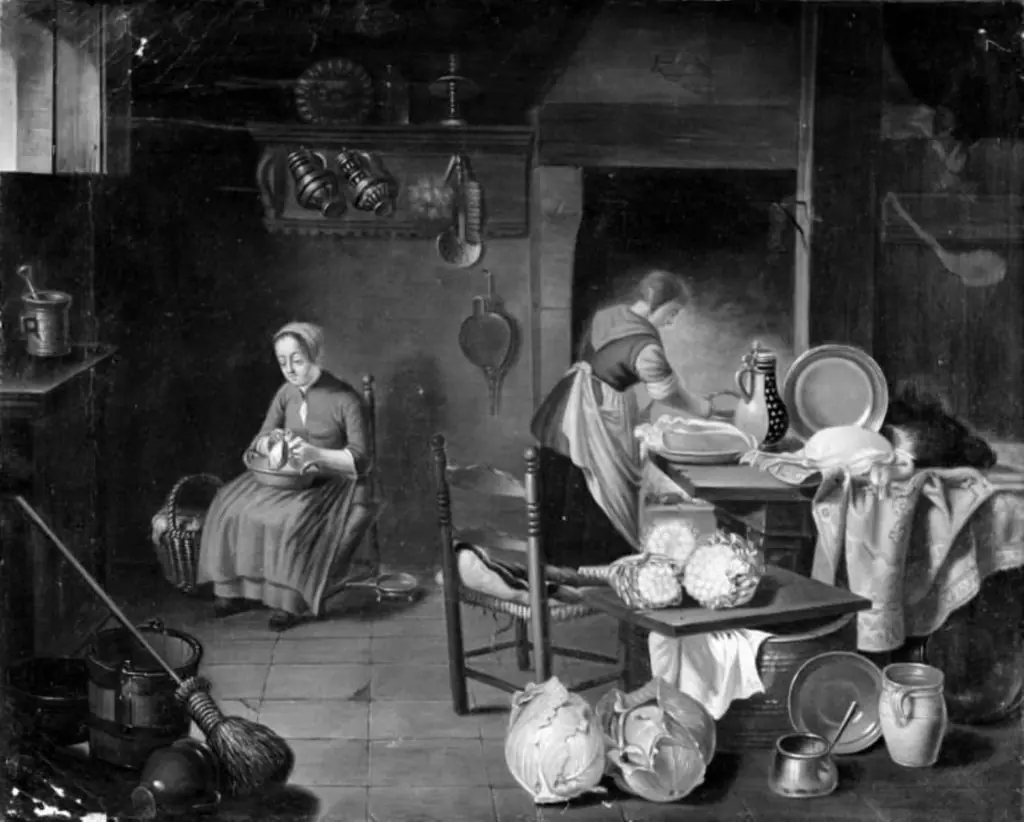
The figure is a housekeeper, shown in modest attire, attending to household duties with calm focus. No narrative climax is present; instead, the painting emphasizes dignity in labor. The absence of ornamentation and the plain setting suggest an interest in the quiet routines of domestic service, reflecting contemporary Dutch values of order, diligence, and private virtue.
Technique & Style
Sorgh employs a muted palette dominated by earth tones and soft lighting, characteristic of Leiden fine painting. Brushwork is precise yet unobtrusive, capturing textures of fabric and wood with subtle variation. The composition is tightly framed, drawing attention to the figure’s posture and the spatial intimacy of the room, avoiding theatricality in favor of observational clarity.
History & Provenance
The painting entered the Art Institute of Chicago’s collection in the early twentieth century, likely through a private acquisition from a European dealer. Its early provenance is not fully documented, but it aligns with other works by Sorgh known to have circulated among Dutch collectors in the late seventeenth and eighteenth centuries.
Context
Created during the height of Dutch genre painting, the work reflects a cultural shift toward valuing domestic life over religious or mythological themes. Sorgh, active in Rotterdam, was influenced by contemporaries like Pieter de Hooch and Jan Steen, yet his approach remains more reserved, emphasizing stillness over anecdote.
Legacy
Though not widely exhibited, the painting contributes to scholarly understanding of how domestic labor was visually represented in the Netherlands. It stands as an example of how minor figures in society were rendered with quiet humanity, influencing later realist traditions without seeking public acclaim.
Own this work as a print
Artist & collection
Artist
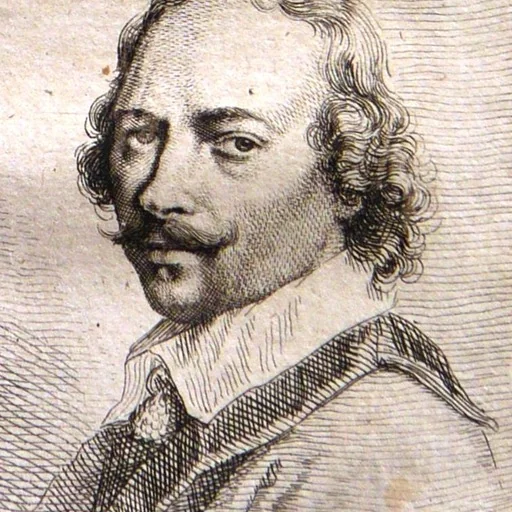
Hendrik Martenszoon Sorgh (1610–1670) was an artist, born in Rotterdam.