Artwork
Statue of Female Nude with Lion, Great Exhibition 1851
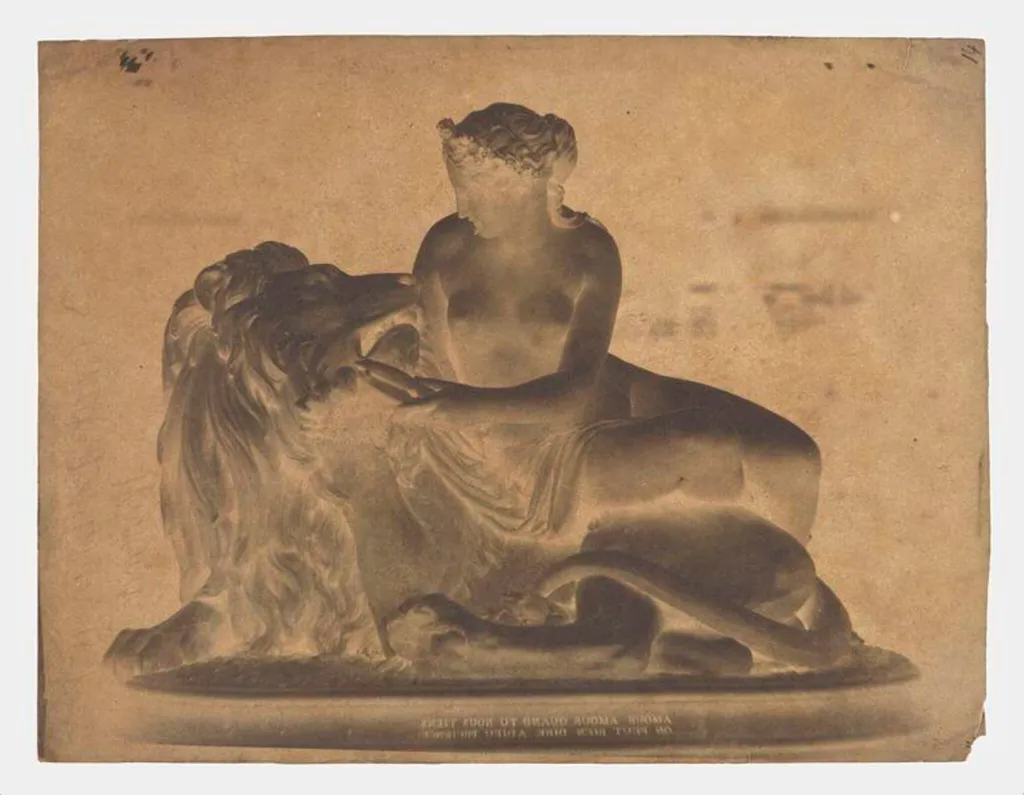
Statue of Female Nude with Lion, Great Exhibition 1851 is a photographic photography by the Impressionist artist Nicolaas Henneman. It dates from 1851 and is held in the collection of the Victoria and Albert Museum. A black-and-white waxed paper negative from 1851 captures a sculptural group displayed at the Great Exhibition in London.
About this work
This photo was taken at the Great Exhibition in 1851, where new art and inventions were shown.
This is a black-and-white photo of a statue. A woman sits on a rock, half-draped in cloth, with one arm resting on a crouching lion. The lion’s fur is detailed, and its head is lowered toward her hand. The woman’s hair is styled in loose curls, and her face is calm.
This photo was taken at the Great Exhibition in 1851, where new art and inventions were shown. The artist, Henneman, captured the statue’s mix of strength and grace.
Look up Henneman, Nicolaas to see more of his work.
Overview
A black-and-white waxed paper negative from 1851 captures a sculptural group displayed at the Great Exhibition in London. The image shows a seated female figure, partially draped, alongside a crouching lion. The photograph, made by Nicolaas Henneman, documents one of the many artworks exhibited to showcase industrial and artistic innovation of the era. The composition emphasizes the interplay between human form and animal power, rendered in tonal contrast typical of early photographic processes.
Subject & Meaning
The sculpture depicts a calm female figure seated on a rock, one hand gently resting on the head of a lion. The lion, though powerful, is depicted in a subdued, attentive posture, suggesting harmony rather than dominance. The partial drapery and serene expression of the figure evoke classical ideals of beauty, while the animal’s presence introduces themes of tamed strength and natural order. Together, they convey a quiet narrative of balance between civilization and the wild.
Technique & Style
The photograph employs the waxed paper negative process, which allowed for greater detail and tonal range than earlier methods. Henneman’s careful lighting highlights the texture of the lion’s fur and the soft folds of the drapery, while the woman’s features remain softly modeled. The composition is centered and frontal, typical of documentary photography of the time, prioritizing clarity and fidelity over dramatic effect. The image preserves the sculptural detail with precision, reflecting the technical aims of early photographic documentation.
History & Provenance
The photograph was taken during the Great Exhibition of 1851 at the Crystal Palace in London, a global showcase of art and industry. Nicolaas Henneman, a Dutch photographer known for his work with William Henry Fox Talbot, was commissioned to record key exhibits. This image is one of many produced to create a visual archive of the event. The original sculpture’s creator remains unidentified, but the photograph’s existence confirms its inclusion among the exhibition’s notable artworks.
Context
The Great Exhibition reflected Victorian fascination with both classical antiquity and natural history. Sculptures combining human and animal forms were common, symbolizing moral or philosophical ideals. The pairing of a nude female figure with a lion aligned with contemporary tastes for allegorical subjects rooted in mythology and Renaissance tradition. Photography’s role in documenting such works marked a shift toward systematic visual archiving, supporting scholarly and public engagement with art beyond the exhibition’s physical space.
Legacy
Henneman’s photograph preserves a now-lost or obscure sculpture, offering insight into the range of works displayed at the Great Exhibition. As an early example of photographic documentation in an art context, it exemplifies how photography began to serve as a tool for cultural record-keeping. The image remains a reference for scholars studying 19th-century sculpture reception and the evolving relationship between art and mechanical reproduction.
Artist & collection
Artist
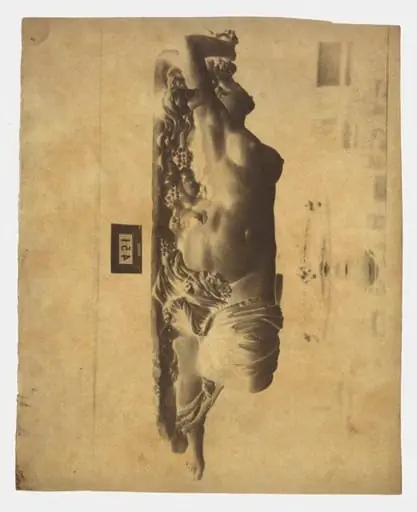
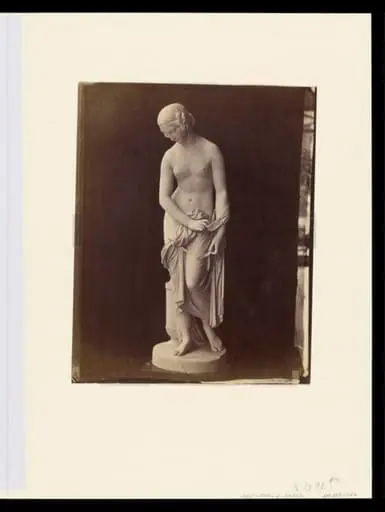
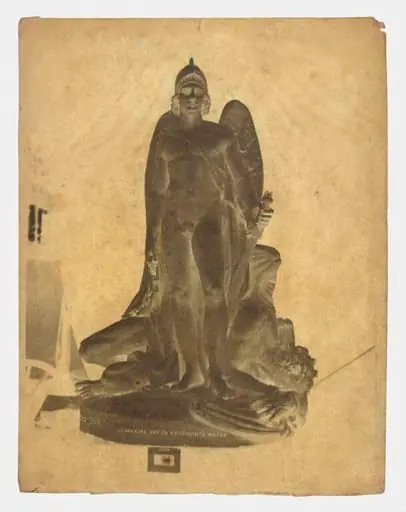
These are early photographs of statues and sculpture displayed at the 1851 Great Exhibition in London.

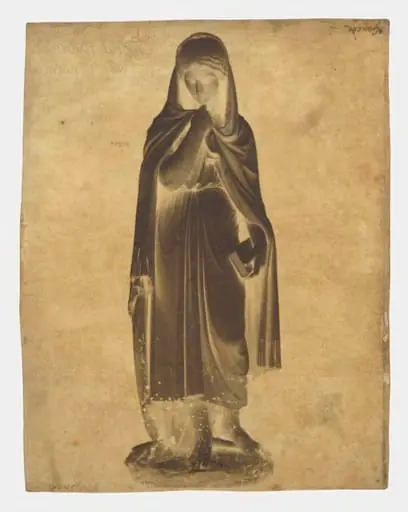 Sculpture of a Woman, Great Exhibition 1851
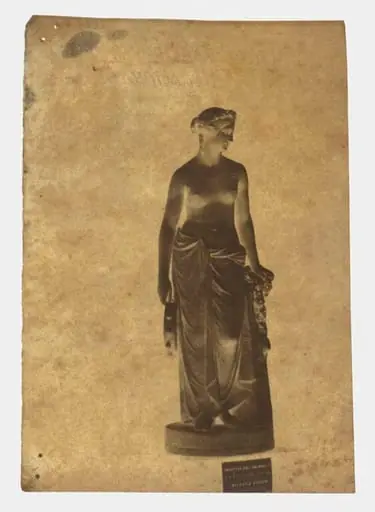 Dancing Girl Reposing, Prize Statue, Great Exhibition 1851
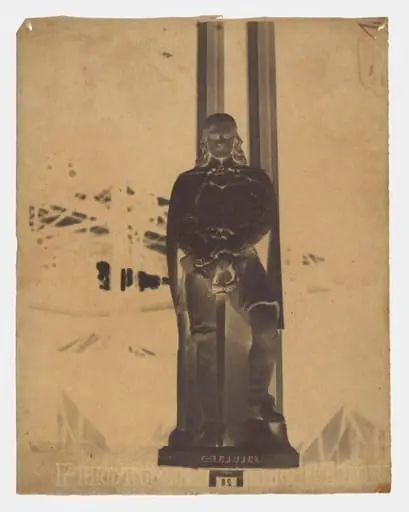 Statue titled Falkland, Great Exhibition 1851
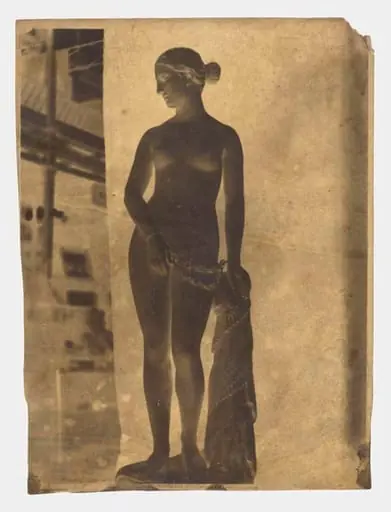 Sculpture of a Female Nude, Great Exhibition 1851
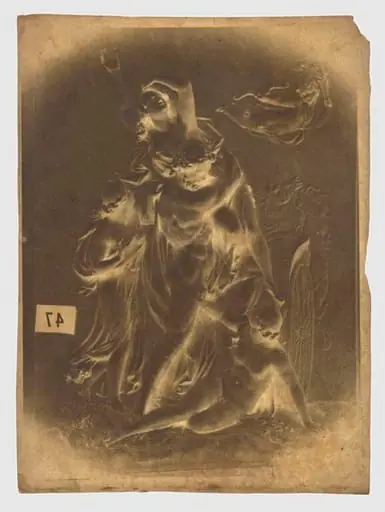 Stone Relief, Great Exhibition 1851
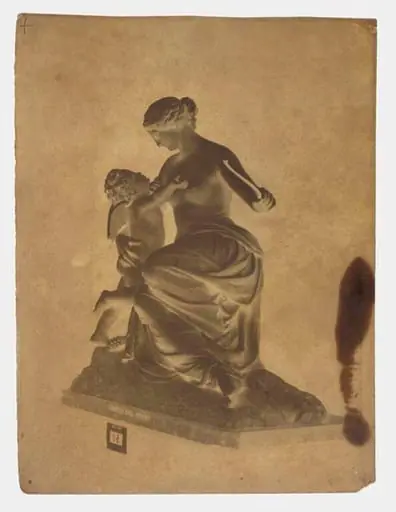 Statue of Venus and Cupid, Great Exhibition 1851
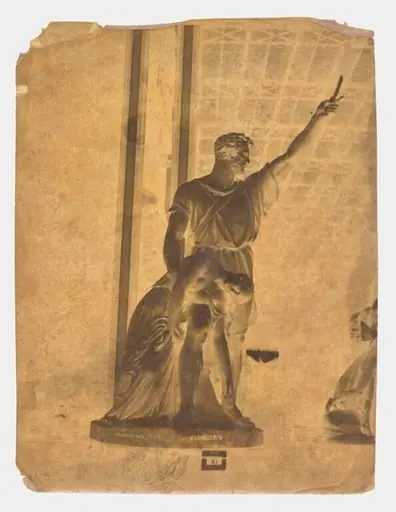 Statue titled Virginius, Great Exhibition 1851
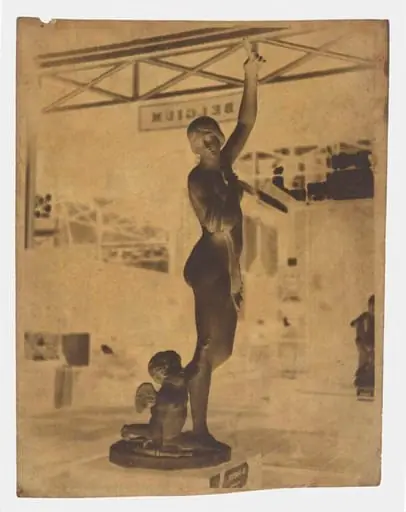 Statue of Female Nude with Cherub, Great Exhibition 1851