Artwork
Au Hanneton
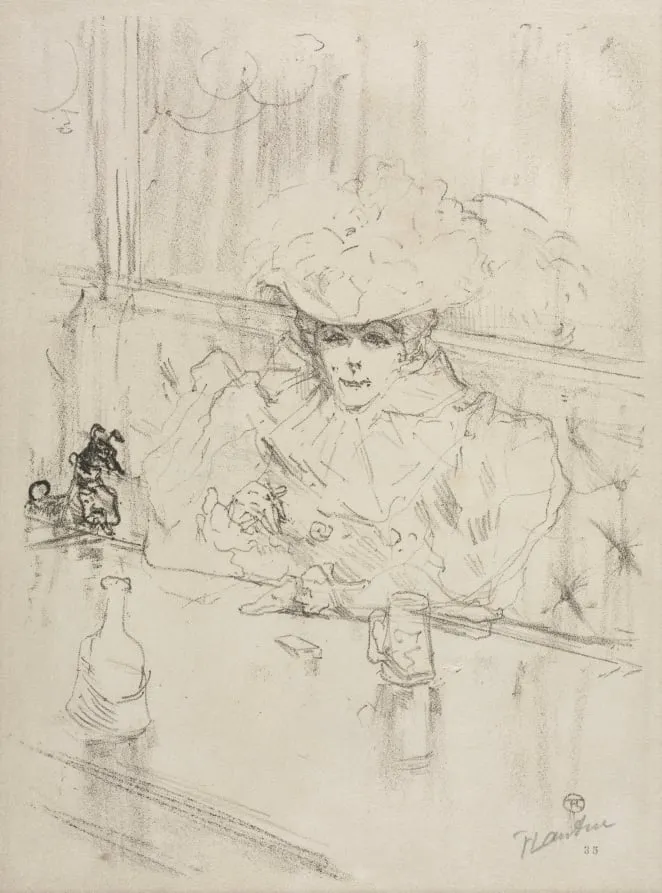
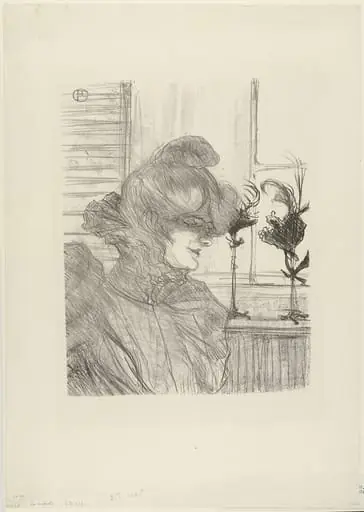
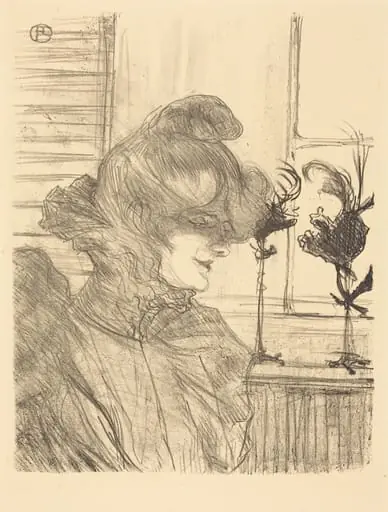
Au Hanneton is a print by the Impressionist artist Henri de Toulouse-Lautrec. It dates from 1898 and is held in the collection of the Cleveland Museum of Art.
About this work
Overview
Au Hanneton, a print by Henri de Toulouse-Lautrec from 1898, captures a moment in a dimly lit Parisian café, focusing on a solitary female figure amidst everyday objects.
Subject & Meaning
The work portrays a woman in contemplative solitude, surrounded by a half-empty beer mug, a basket, and other items, reflecting Toulouse-Lautrec’s fascination with the lives of individuals within Paris’s nocturnal, possibly marginalized, social scenes.
Technique & Style
Characterized by quick, sketchy lines, the print conveys a sense of immediacy and unfinished spontaneity. Soft lighting, with a strong emphasis on the subject’s face and table objects, utilizes chiaroscuro effects to create depth.
History & Provenance
Created in 1898, Au Hanneton is part of Toulouse-Lautrec’s prolific output of works depicting Parisian nightlife, influenced by his unique outsider’s perspective shaped by his physical condition and aristocratic yet empathetic viewpoint.
Context
Emerging from the decadent and theatrical culture of late 19th-century Paris, the work is emblematic of the city’s vibrant, often overlooked, nocturnal world, as seen through the lens of Toulouse-Lautrec’s empathetic and observant artistry.
Artist & collection
Artist
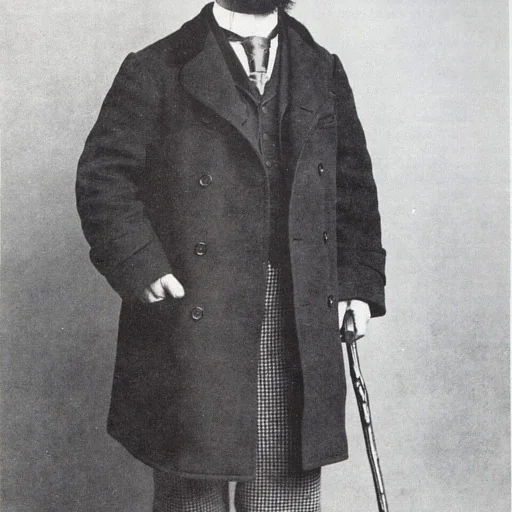
Comte Henri Marie Raymond de Toulouse-Lautrec-Montfa (24 November 1864 – 9 September 1901), known as Toulouse-Lautrec (French: ), was a French painter, printmaker, draughtsman, caricaturist, and illustrator.

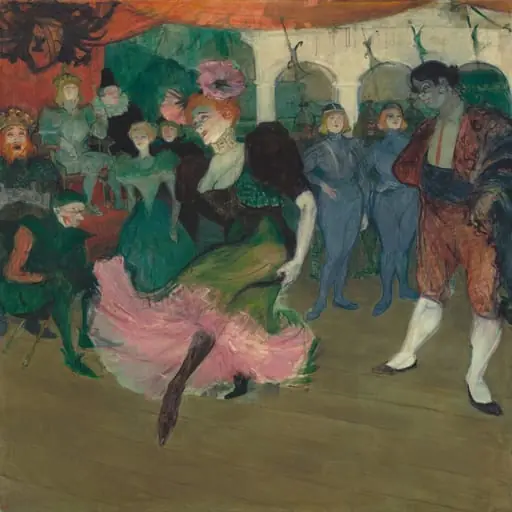
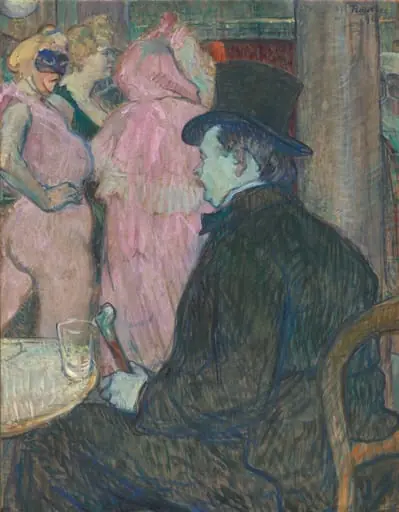
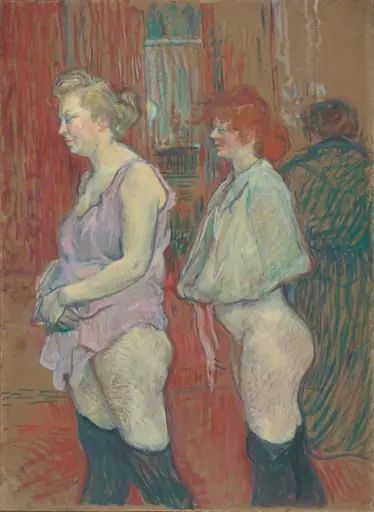
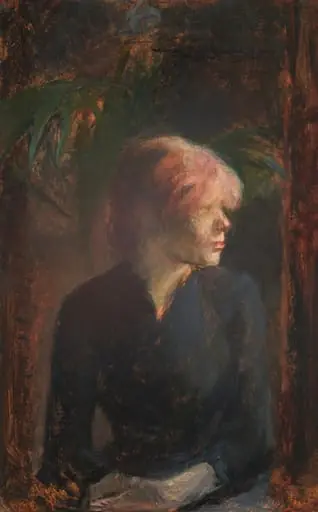
 Untitled
 Mme. Le Marguoin, Milliner (Mme. Le Marguoin, modiste)
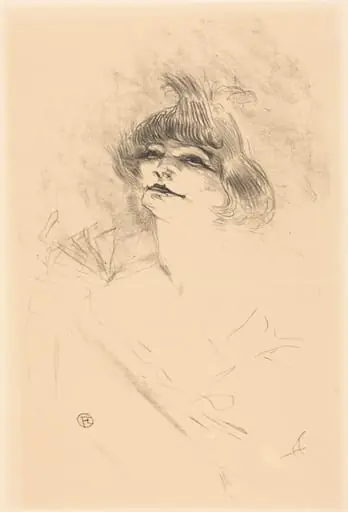 Polaire
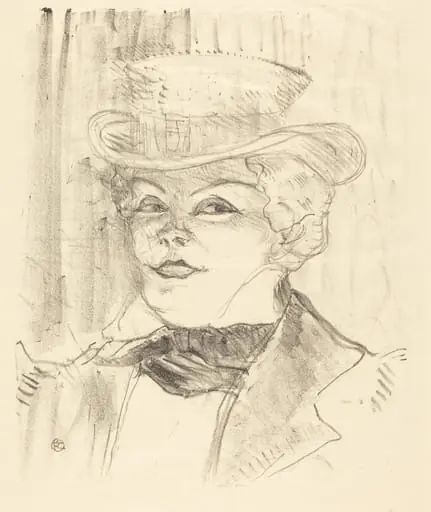 Mme. Réjane
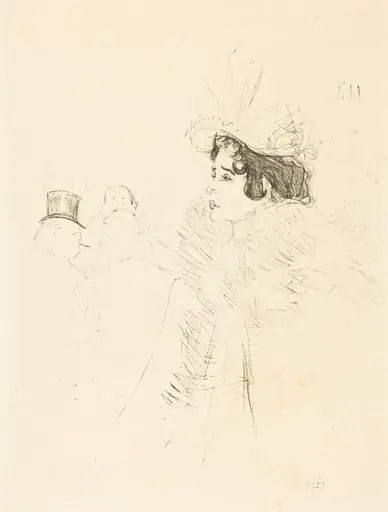 Miss May Belfort in the Irish and American Bar, rue Royale (Miss Belfort Belfort au Irish and American Bar, Rue Royale)
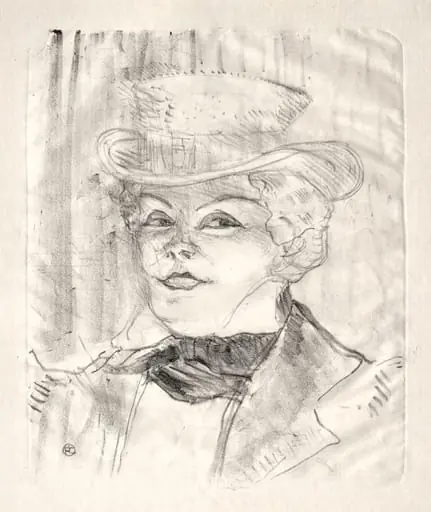 Madame Réjane
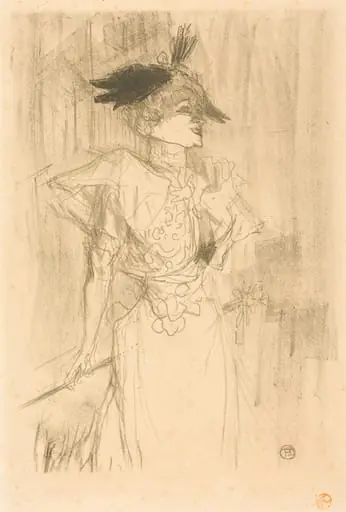 Mlle. Marcelle Lender, Standing (Mlle. Marcelle Lender, debout)
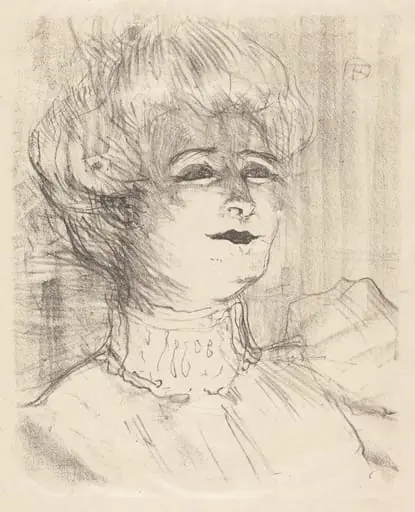 Jeanne Hading
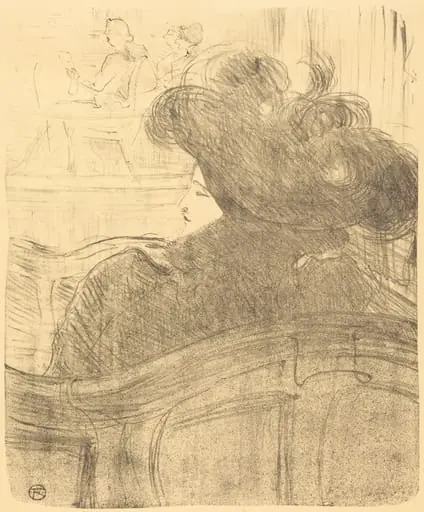 Cléo de Mérode
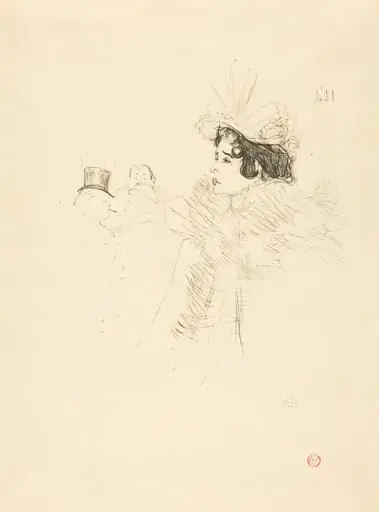 Miss May Belfort in the Irish and American Bar, rue Royale (Miss Belfort Belfort au Irish and American Bar, Rue Royale)