Artwork
Cléo de Mérode
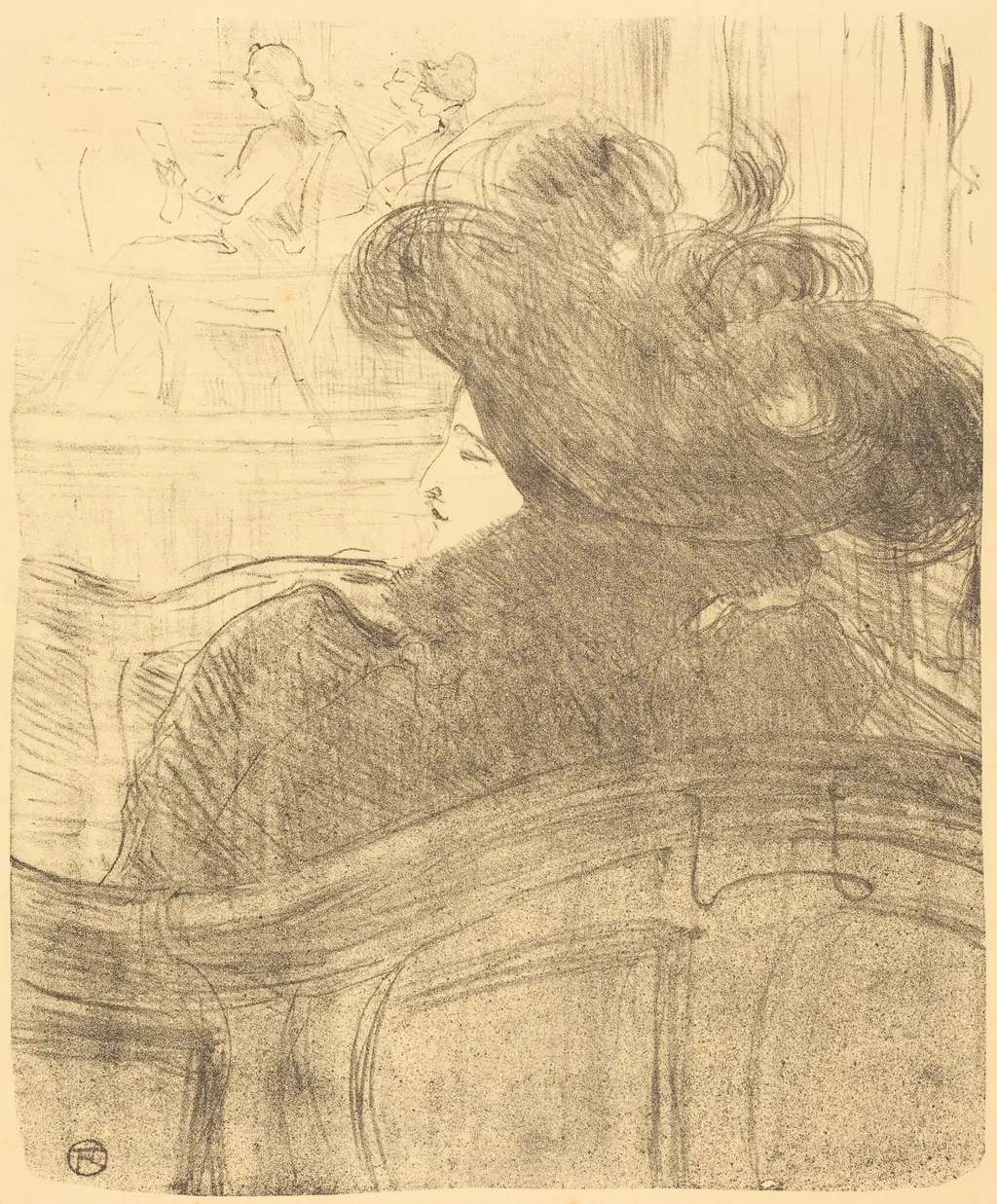
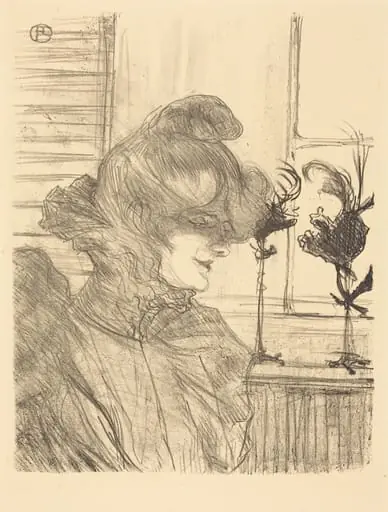
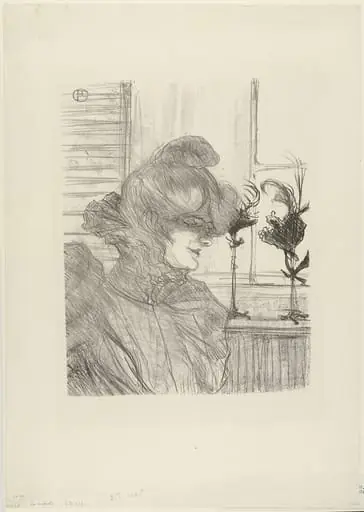
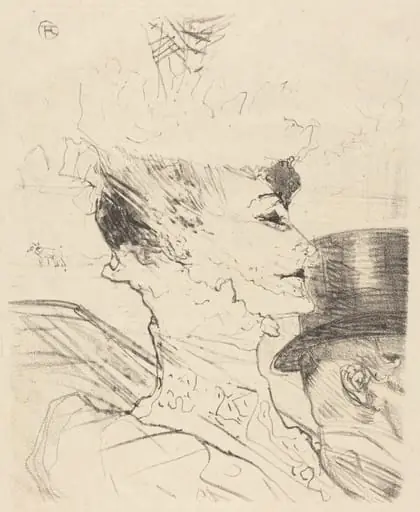
Cléo de Mérode is an ink print by the Impressionist artist Henri de Toulouse-Lautrec. It dates from 1896 and is held in the collection of the National Gallery of Art.
About this work
Overview
Cléo de Mérode is a 1896 lithograph on Japan paper by Henri de Toulouse-Lautrec, depicting the eponymous dancer in a casual, intimate setting.
Subject & Meaning
The print focuses on Cléo de Mérode, a performer, aligning with Toulouse-Lautrec's fascination with Paris's theatrical and nightlife figures of the late 19th century. The composition, featuring the subject with her back turned and another figure in the background, both facing away, suggests a moment of quiet, everyday life rather than a staged performance.
Technique & Style
Executed in quick, rough lines, the lithograph exhibits a spontaneous, sketch-like quality, characteristic of Toulouse-Lautrec's ability to capture personality in swift, direct drawings. The use of lithography allowed for an immediate translation of his spontaneous draftsmanship into print.
History & Provenance
Created in 1896, during Toulouse-Lautrec's prolific period of capturing Parisian nightlife and performers. Specific provenance details are not provided.
Context
This work reflects the artist's immersion in late 19th-century Paris's artistic and theatrical circles, where figures like Cléo de Mérode were central to the city's vibrant cultural scene.
Legacy
While specific legacy details of *Cléo de Mérode* are not outlined, it contributes to Toulouse-Lautrec's broader impact on early 20th-century printmaking and the documentation of Paris's fin-de-siècle culture.
Artist & collection
Artist
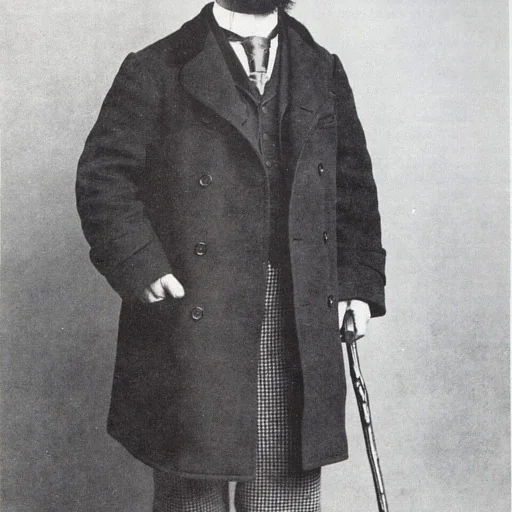
Comte Henri Marie Raymond de Toulouse-Lautrec-Montfa (24 November 1864 – 9 September 1901), known as Toulouse-Lautrec (French: ), was a French painter, printmaker, draughtsman, caricaturist, and illustrator.

 Mme. Le Marguoin, Milliner (Mme. Le Marguoin, modiste)
 Untitled
 Yvette Guilbert?
 On the Stage (Sur la scène)
 In "La glu" (Dans "La glu")
 The Piano
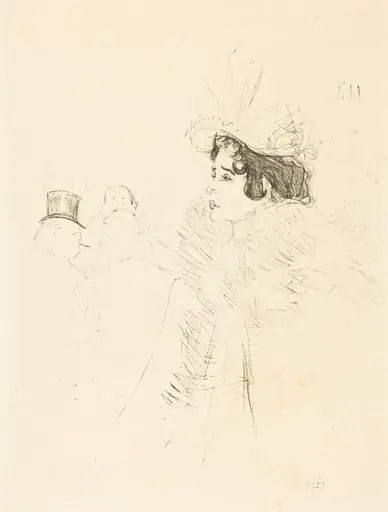 Miss May Belfort in the Irish and American Bar, rue Royale (Miss Belfort Belfort au Irish and American Bar, Rue Royale)
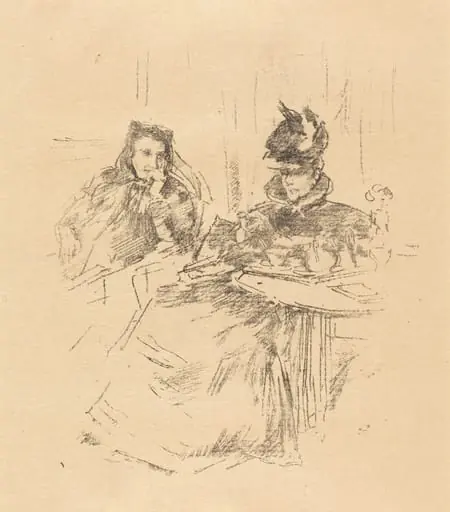 Afternoon Tea
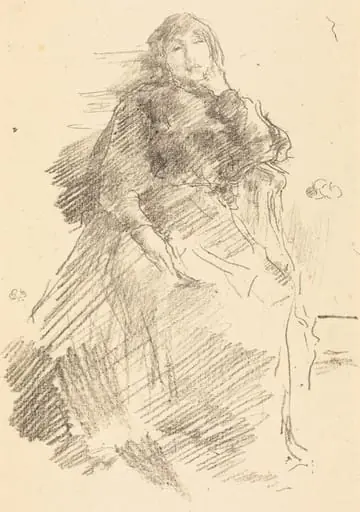 La Belle Dame Paresseuse
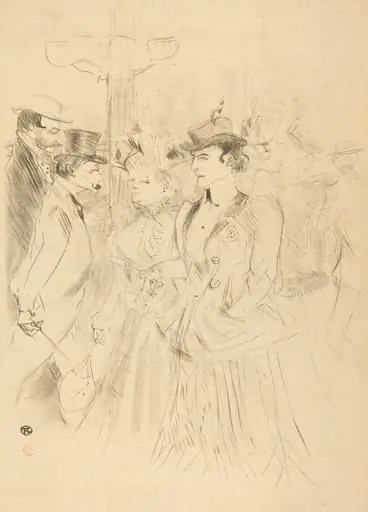 Promenade (Promenoir)