Artwork
Au pied du Sinaï: Le Baron Moïse
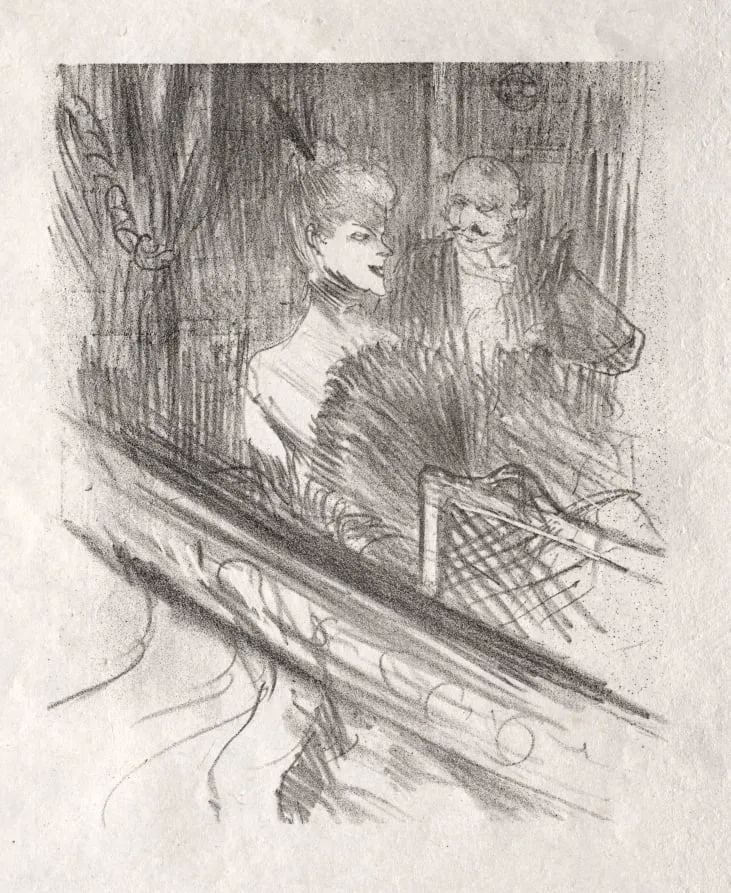
Au pied du Sinaï: Le Baron Moïse is a print by the Impressionist artist Henri de Toulouse-Lautrec. It dates from 1898 and is held in the collection of the Cleveland Museum of Art.
About this work
Overview
His choice of lithography allowed for expressive line work and tonal variation, characteristic of his mature graphic style.
Henri de Toulouse-Lautrec created the lithograph *Au pied du Sinaï: Le Baron Moïse* in 1898. It portrays a seated male figure in a modest interior, likely within a brothel environment. The work belongs to a series of prints in which Toulouse-Lautrec documented individuals from Paris’s underbelly, capturing their presence with quiet dignity rather than caricature. His choice of lithography allowed for expressive line work and tonal variation, characteristic of his mature graphic style.
Subject & Meaning
The figure, identified as Baron Moïse, is depicted with a long white beard and formal attire, suggesting a man of some social standing. His serious expression and still posture contrast with the implied context of the setting, inviting reflection on identity, anonymity, and social performance. Toulouse-Lautrec often portrayed patrons of brothels not as stereotypes but as complex individuals, revealing the hidden layers of Parisian society beneath its surface revelry.
Technique & Style
Toulouse-Lautrec employed lithography to achieve a balance between spontaneity and precision. His lines are confident and economical, defining form with minimal strokes, while subtle tonal gradations suggest volume and shadow. The background is sparse, focusing attention on the figure’s posture and facial expression. Unlike Impressionist painting, this work relies on graphic clarity and psychological nuance rather than atmospheric color effects.
History & Provenance
Created during the final years of Toulouse-Lautrec’s life, the print emerged from his sustained interest in the nightlife of Montmartre. He frequented brothels not merely as an observer but as a participant, gaining access to private moments otherwise hidden from public view. The work was likely produced for a limited edition, circulated among collectors and artists who appreciated his unflinching documentation of marginalized lives.
Context
In late 19th-century Paris, brothels operated as semi-public spaces where class boundaries blurred. Toulouse-Lautrec, physically isolated due to childhood injuries, found in these environments a community that accepted him. His prints from this period reflect a broader cultural shift toward realism in art, where the lives of the disenfranchised were rendered with empathy rather than moral judgment.
Legacy
Toulouse-Lautrec’s prints, including this one, helped redefine the artistic potential of lithography in the modern era. His ability to convey psychological depth through simplified forms influenced later generations of graphic artists and expressionists. Rather than sensationalizing his subjects, he offered quiet, humanizing portraits that continue to resonate as documents of social observation.
Artist & collection
Artist
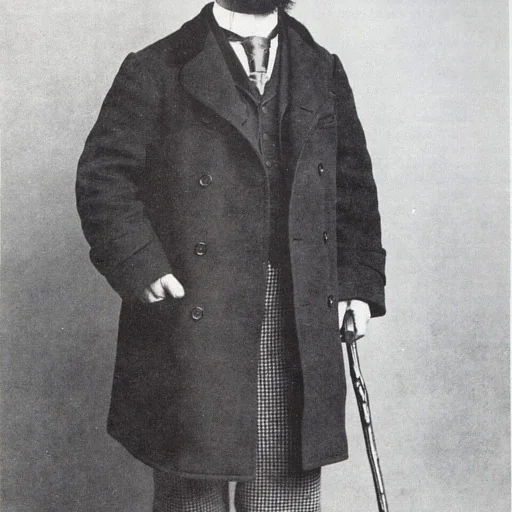
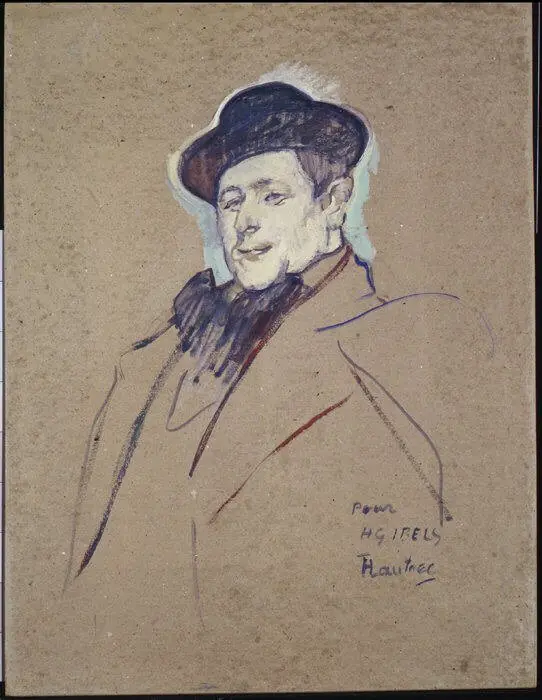
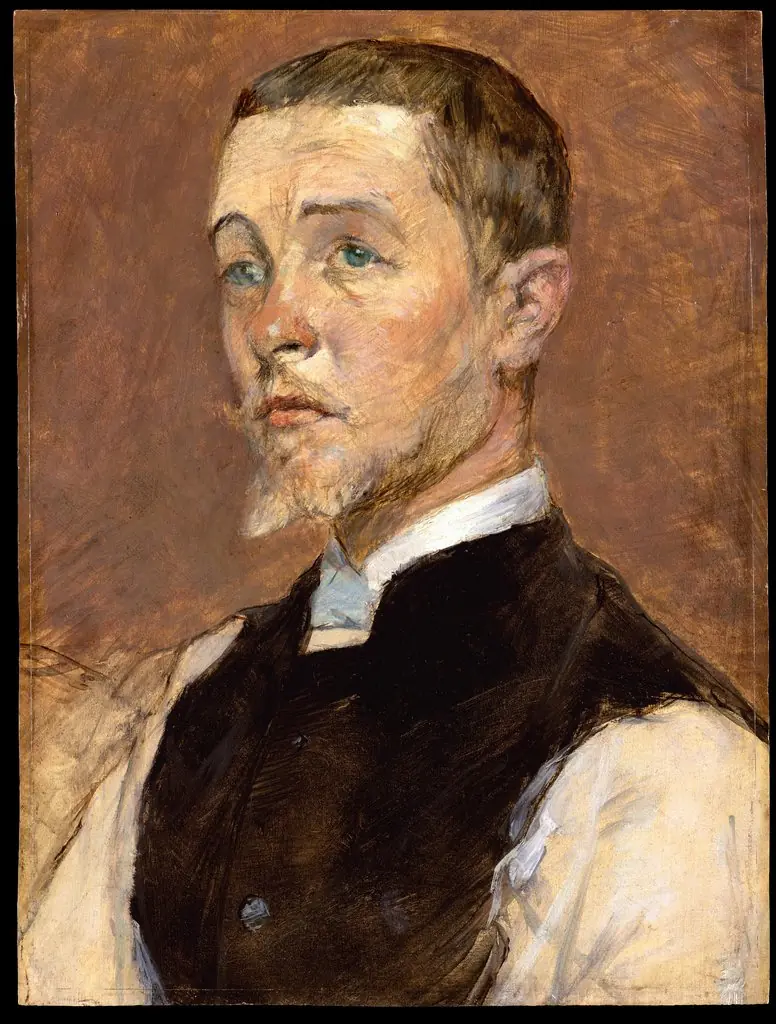
Comte Henri Marie Raymond de Toulouse-Lautrec-Montfa (24 November 1864 – 9 September 1901), known as Toulouse-Lautrec (French: ), was a French painter, printmaker, draughtsman, caricaturist, and illustrator.

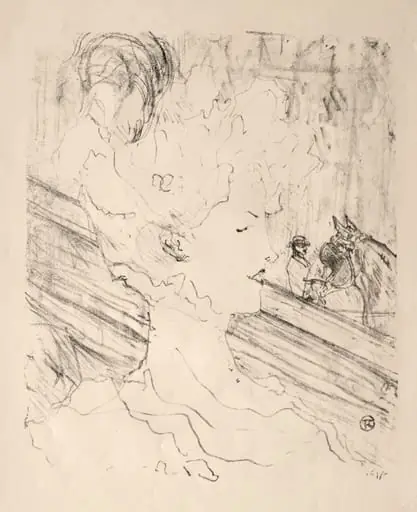 Emilienne d'Alençon
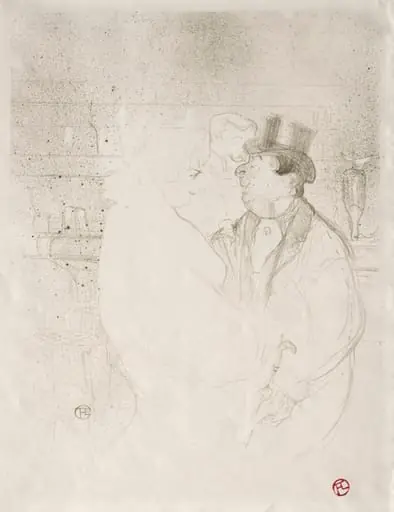 Ida Heath at the Bar
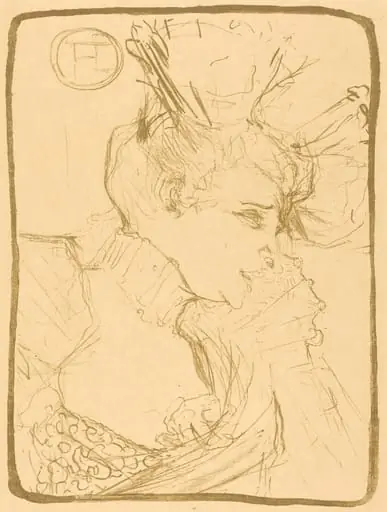 Bust of Mademoiselle Marcelle Lender (Mademoiselle Marcelle Lender, en buste)
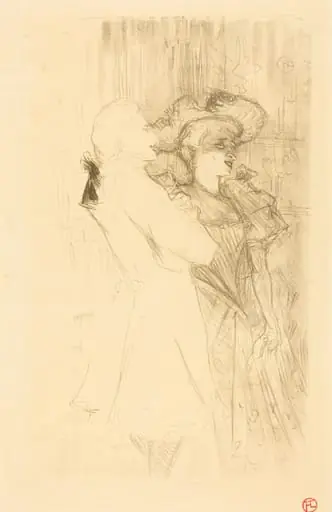 Lender and Auguez in "La chanson de fortunio" (Lender et Auguez dans "La chanson de fortunio")
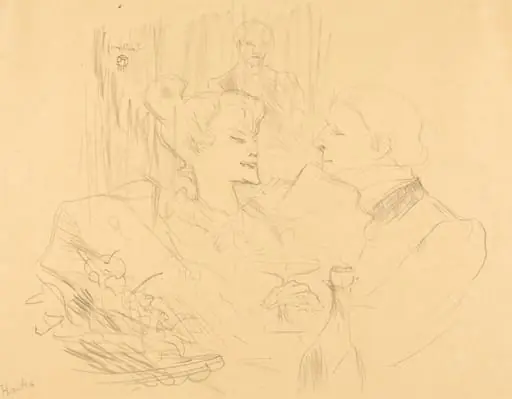 Supper in London (Souper à Londres)
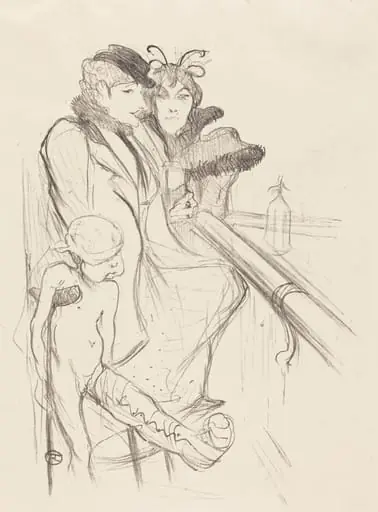 Wounded Eros (Eros vanné)
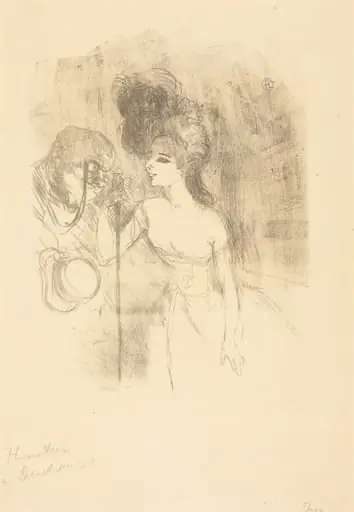 Anna Held and Baldy (Anna Held et Baldy)
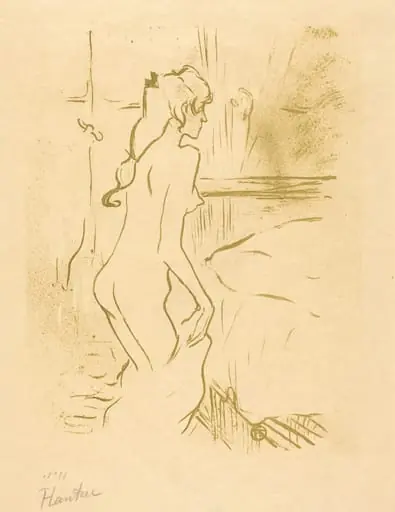 Study of a Woman (Etude de femme)