Artwork
Bruant au Mirliton
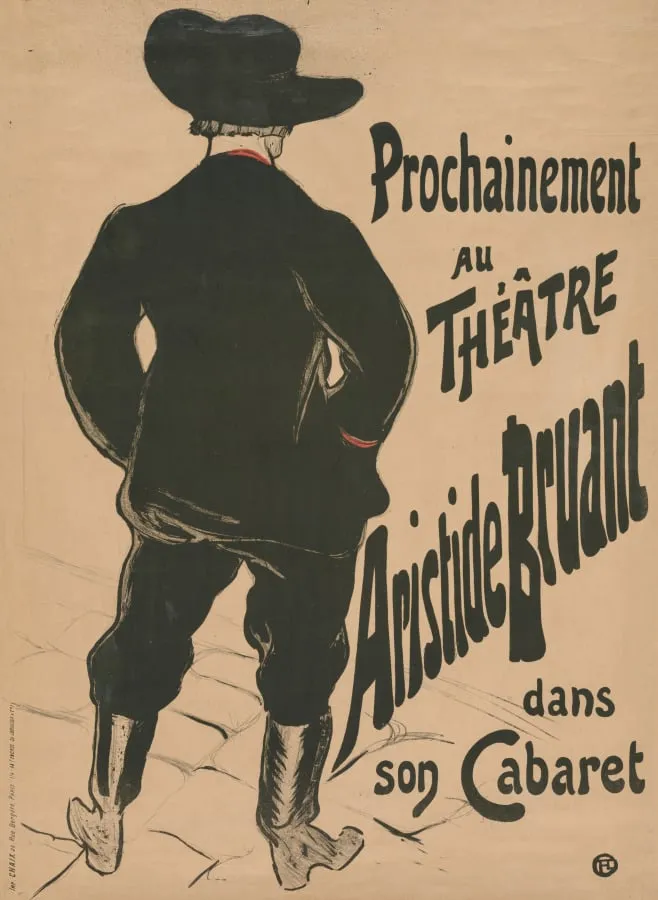
Bruant au Mirliton is a print by the Impressionist artist Henri de Toulouse-Lautrec. It dates from 1894 and is held in the collection of the Cleveland Museum of Art.
About this work
Overview
Bruant au Mirliton, a print from 1894, captures a moment in the vibrant nightlife of Paris's Montmartre district, specifically at the cabaret Le Mirliton.
Subject & Meaning
The print portrays a performer at Le Mirliton, reflecting Toulouse-Lautrec's fascination with the theatrical and decadent elements of Parisian bohemian life.
Technique & Style
While specific technical details of this print are not provided, Toulouse-Lautrec's works from this period are characterized by bold lines, flat forms, and a focus on capturing the essence of modern urban life, likely influencing the composition of Bruant au Mirliton.
History & Provenance
Created in 1894 by Henri de Toulouse-Lautrec, the work is part of his broader documentation of late 19th-century Parisian nightlife. Provenance details are not specified.
Context
Emerging from Toulouse-Lautrec's personal connection to Montmartre's nightlife, the piece is set against the backdrop of his own experiences within Paris's bohemian circle, where he found acceptance and inspiration despite his physical challenges.
Legacy
Bruant au Mirliton contributes to Toulouse-Lautrec's legacy as a chronicler of Paris's late 19th-century cultural scene, emphasizing the importance of nightlife and performance in his oeuvre.
Artist & collection
Artist
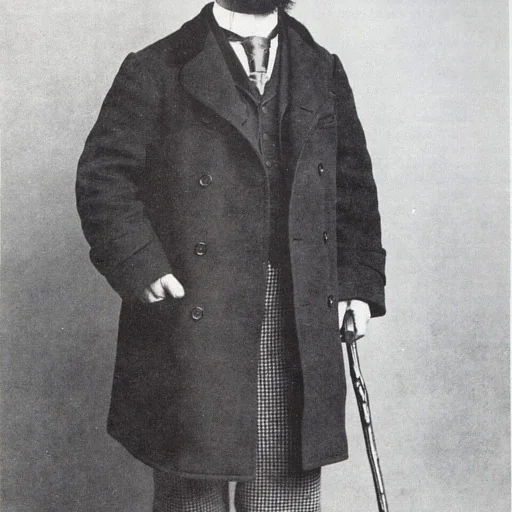
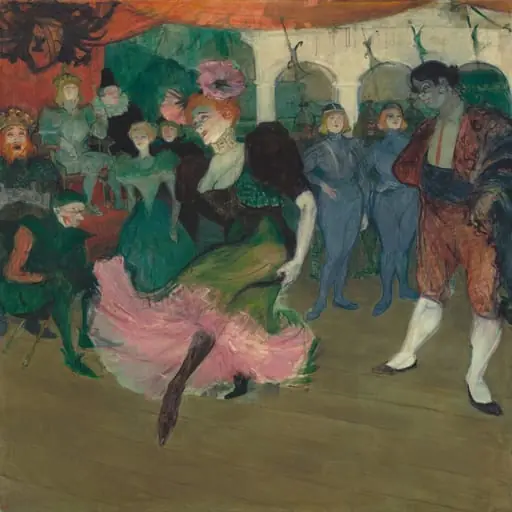
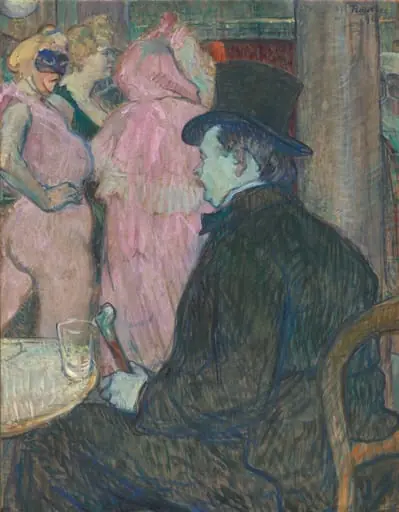
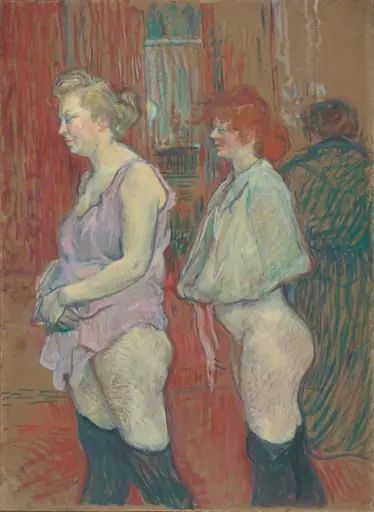
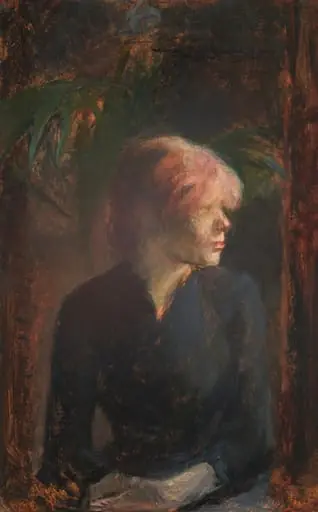
Comte Henri Marie Raymond de Toulouse-Lautrec-Montfa (24 November 1864 – 9 September 1901), known as Toulouse-Lautrec (French: ), was a French painter, printmaker, draughtsman, caricaturist, and illustrator.

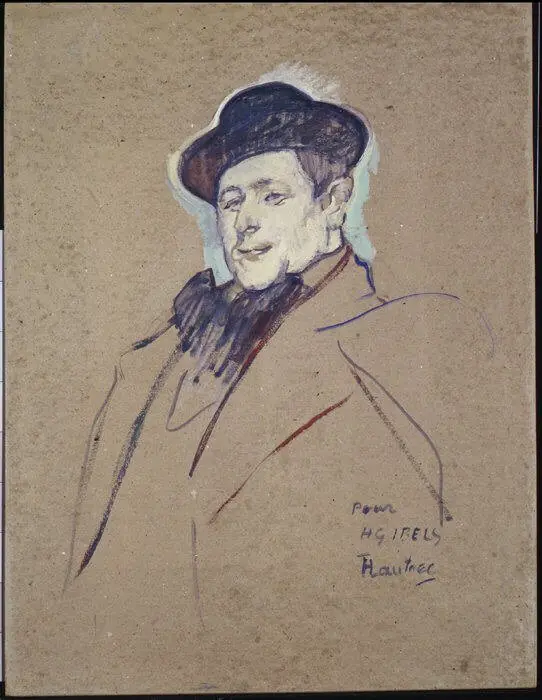
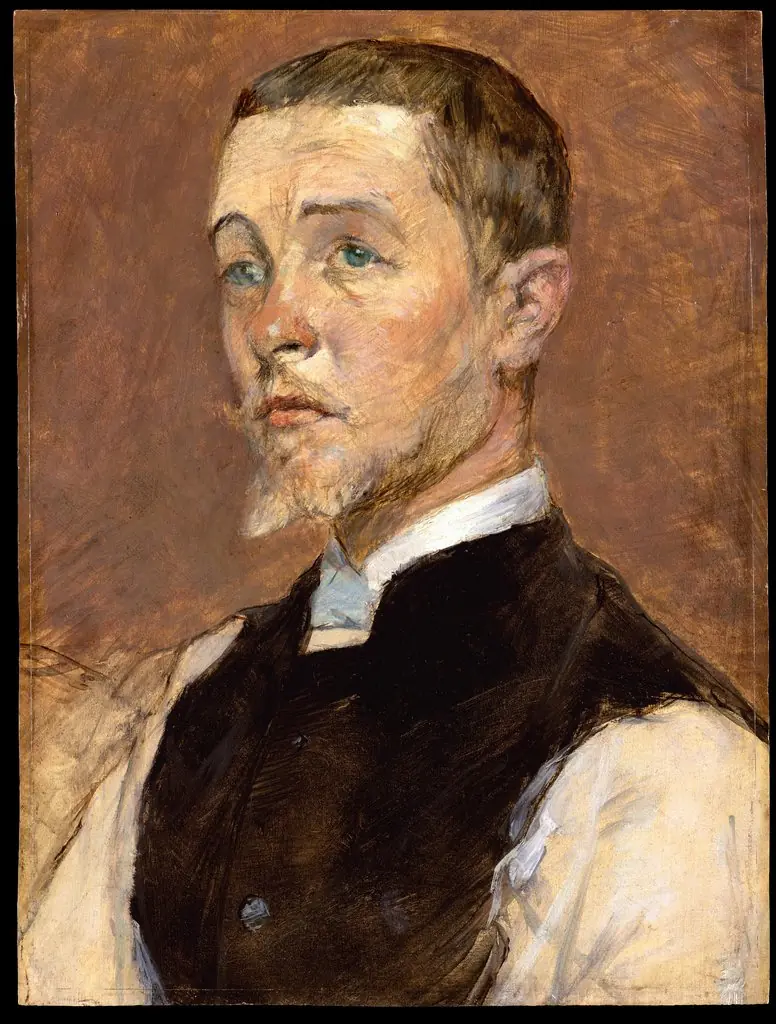
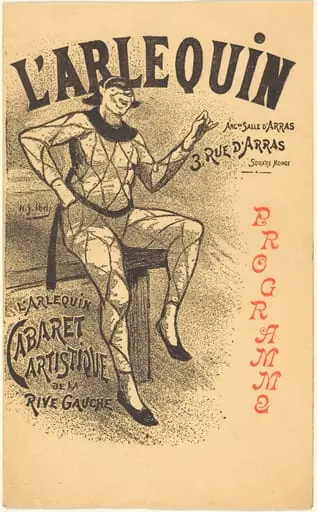 L'Arlequin
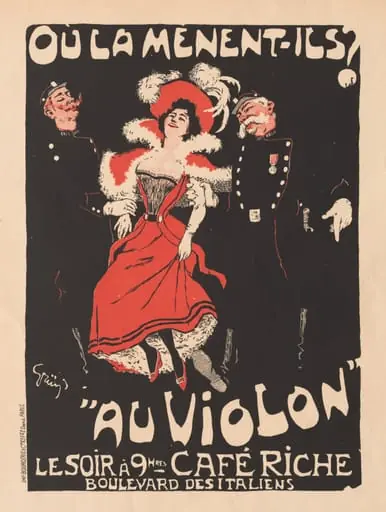 Les Maitres de L'Affiche: Pl. 103 Café Reche
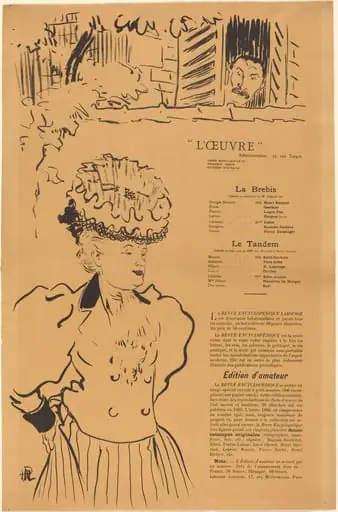 La Brebis; Le Tandem
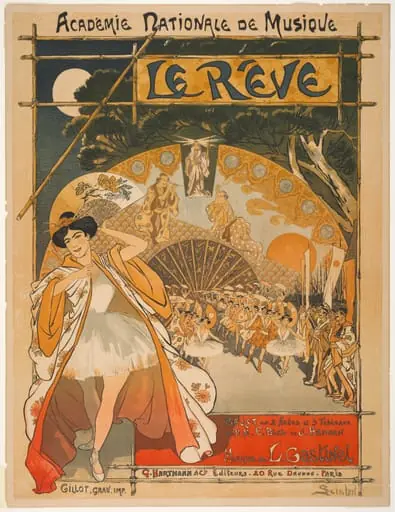 The Dream
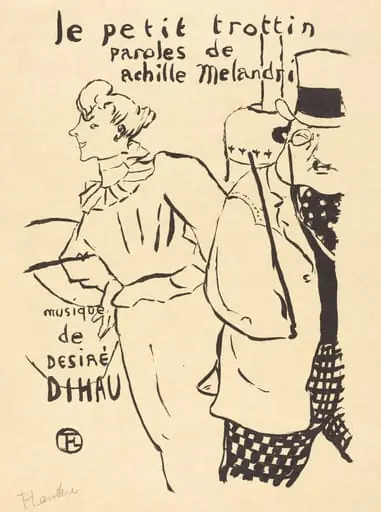 The Little Errand-Girl (Le petit trottin)
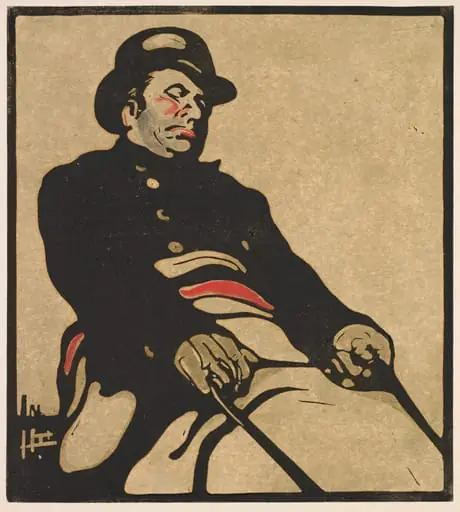 London Types: Bus Driver
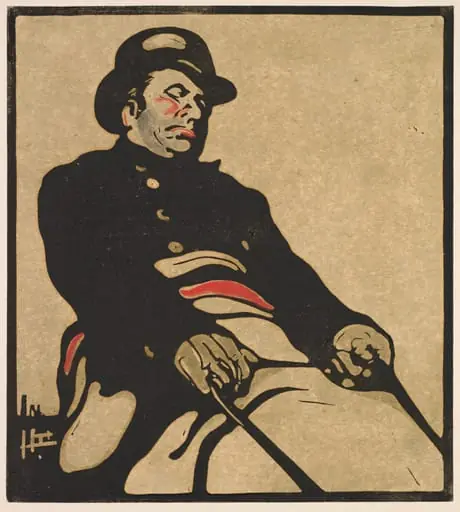 London Types
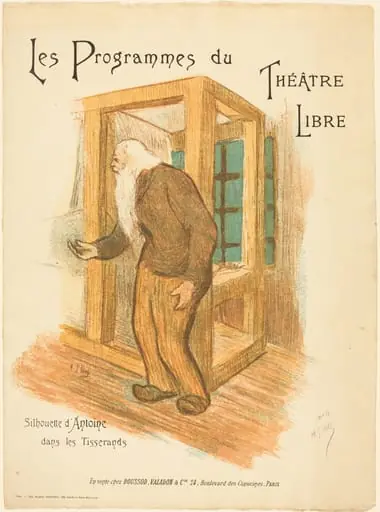 Les Programmes du Théâtre Libre
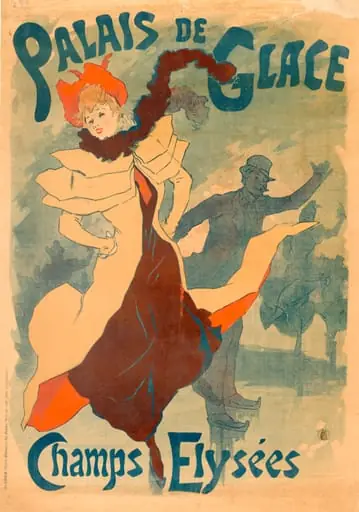 Ice Skating Rink
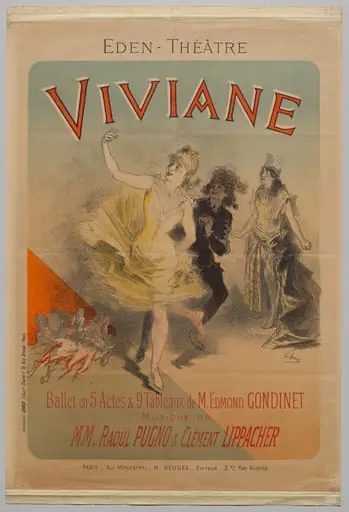 Viviane
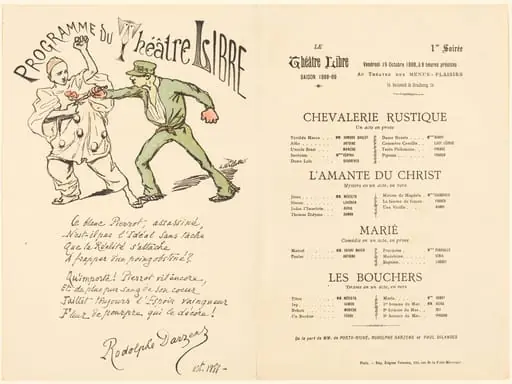 Chevalerie rustique; L'Amante du Christ; Marié; Les Bouchers
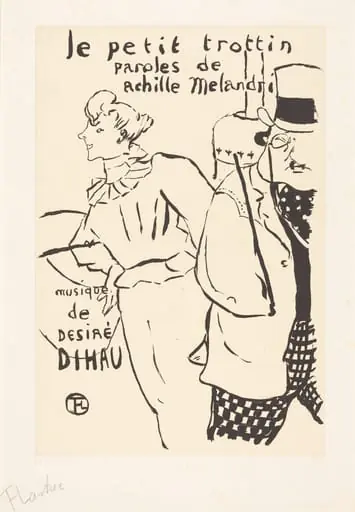 The Little Errand-Girl (Le petit trottin)