Artwork
Edmée Lescot
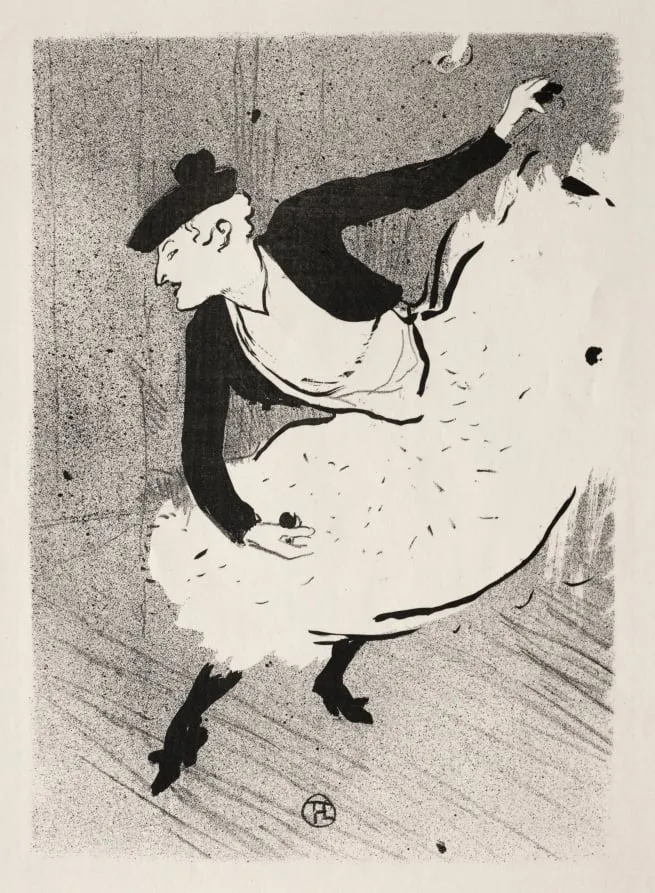
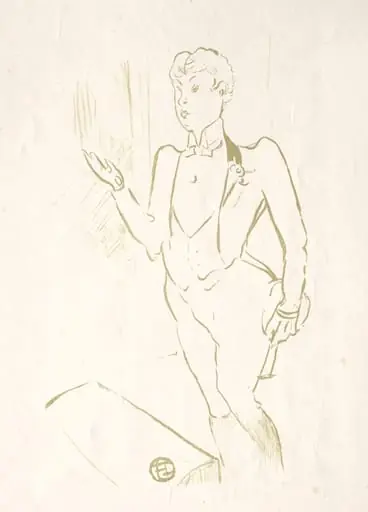
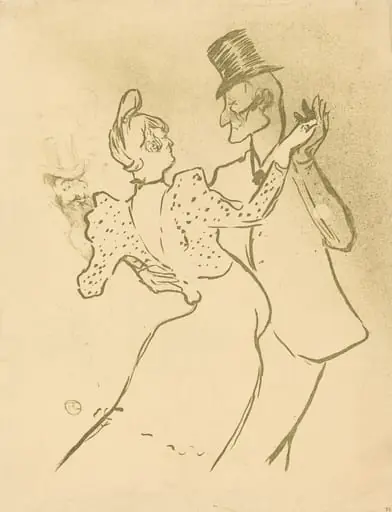
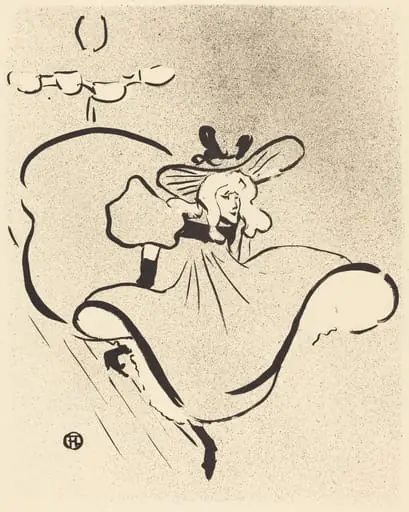
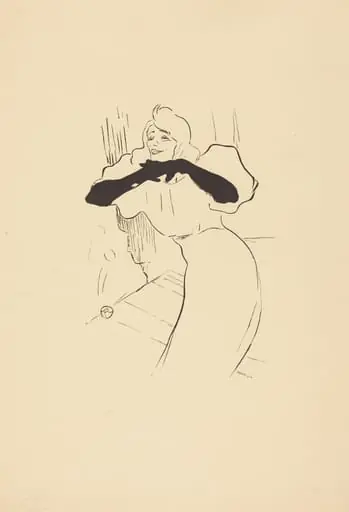
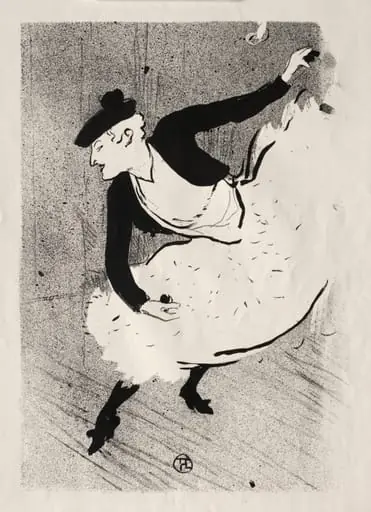
Edmée Lescot is a print by the Impressionist artist Henri de Toulouse-Lautrec. It dates from 1893 and is held in the collection of the Cleveland Museum of Art.
About this work
Overview
Created in 1893, Edmée Lescot is a portrait by Henri de Toulouse-Lautrec, part of his broader engagement with Parisian life in the late 19th century.
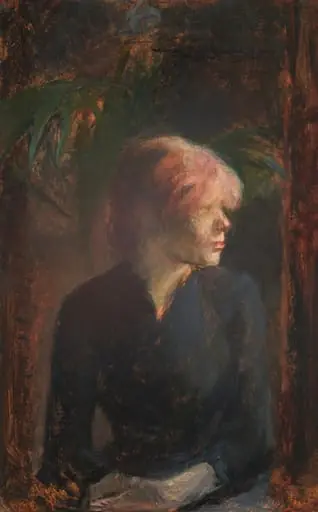
Created in 1893, Edmée Lescot is a portrait by Henri de Toulouse-Lautrec, part of his broader engagement with Parisian life in the late 19th century. Unlike his more famous depictions of cabaret performers, this work captures a quiet, private moment of a woman from the city’s lower-middle class. The composition emphasizes stillness and restraint, diverging from the dynamism of his nightlife scenes while retaining his signature focus on unvarnished human presence.
Subject & Meaning
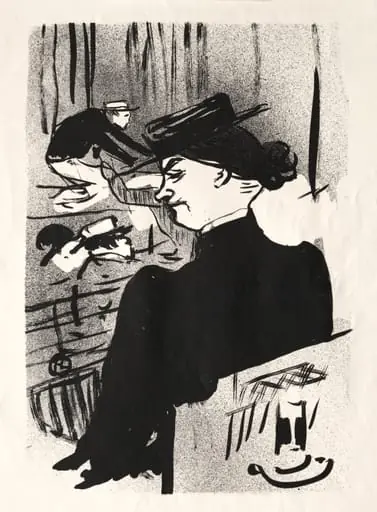
Edmée Lescot, the subject, appears as a domestic worker, identified by her dark dress, white apron, and modest headwear. Her downward gaze and clasped hands suggest introspection or fatigue, evoking the quiet dignity of laborers often overlooked in art. Toulouse-Lautrec, known for portraying society’s margins, here avoids theatricality, presenting her with psychological gravity rather than spectacle. The portrait resists idealization, offering a contemplative glimpse into an ordinary life.
Technique & Style
Toulouse-Lautrec employs a restrained palette dominated by deep tones, with subtle contrasts in the white collar and apron to define form. Brushwork is precise but not overly detailed, favoring tonal modulation over linear precision. The dark background isolates the figure, enhancing the sense of solitude. His approach blends realism with a graphic sensibility honed through lithography, emphasizing silhouette and posture over decorative flourish.
History & Provenance
The painting’s early ownership is undocumented, but it remained within French collections through the 20th century. Unlike many of Toulouse-Lautrec’s works that entered public institutions early, Edmée Lescot stayed in private hands until its acquisition by a major museum in the 1980s. Its relative obscurity reflects its departure from his more sensational subjects, yet it has been consistently recognized as a significant example of his portraiture.
Context
In the 1890s, Parisian artists increasingly turned to everyday subjects beyond the bourgeoisie. Toulouse-Lautrec, influenced by Japanese prints and Realist traditions, sought authenticity in his portrayals of servants, dancers, and laborers. Edmée Lescot aligns with this shift, reflecting broader cultural interest in the lives of working women — a theme echoed in literature and photography of the period, though rarely rendered with such quiet intensity in painting.
Legacy
Though less celebrated than his cabaret scenes, Edmée Lescot exemplifies Toulouse-Lautrec’s capacity for empathy and restraint. It influenced later 20th-century portraitists who valued psychological depth over glamour. The work stands as a quiet counterpoint to the era’s exuberant modernism, affirming the artistic value of stillness and the unadorned human presence in an age of rapid social change.
Artist & collection
Artist
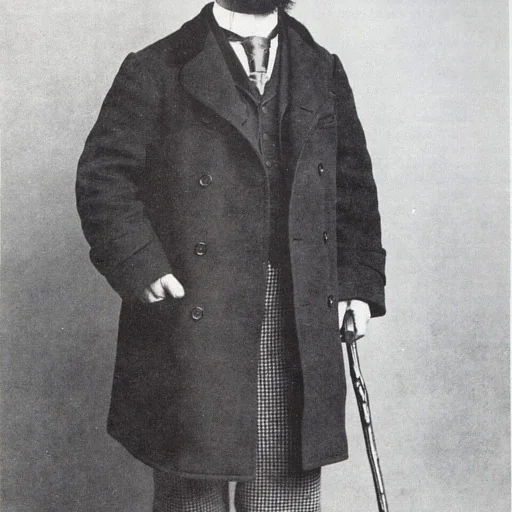
Comte Henri Marie Raymond de Toulouse-Lautrec-Montfa (24 November 1864 – 9 September 1901), known as Toulouse-Lautrec (French: ), was a French painter, printmaker, draughtsman, caricaturist, and illustrator.