Artwork
Schlomé Fuss à la Synagogue
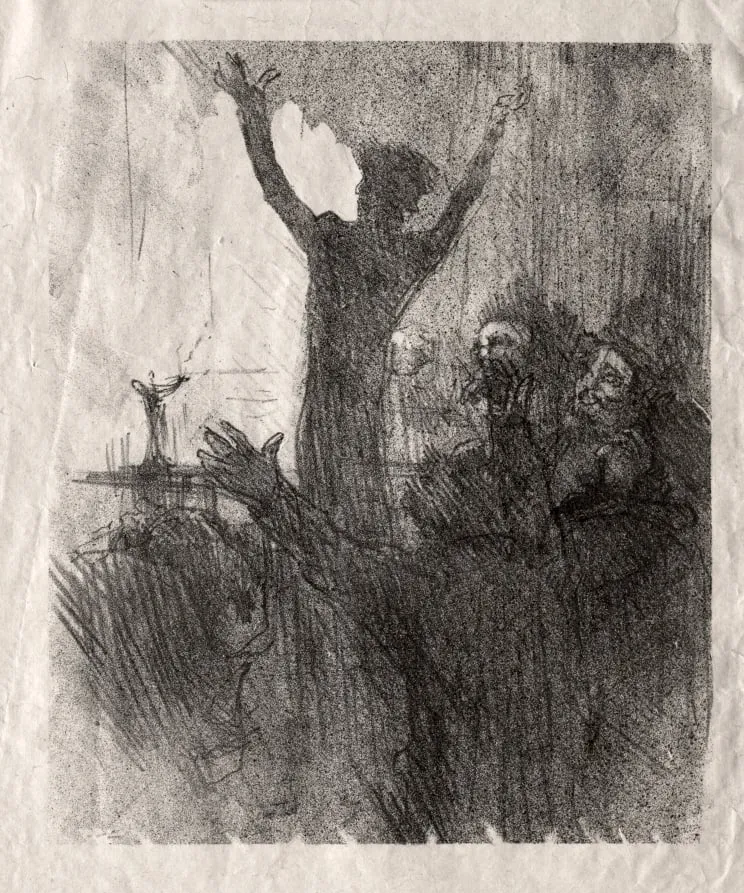
Schlomé Fuss à la Synagogue is a print by the Impressionist artist Henri de Toulouse-Lautrec. It dates from 1897 and is held in the collection of the Cleveland Museum of Art.
About this work
Overview
Henri de Toulouse-Lautrec created *Schlomé Fuss à la Synagogue* in 1897 as a quick, intimate sketch capturing a moment within a Jewish prayer service in Paris. Unlike his more famous cabaret scenes, this work turns inward, documenting a private religious gathering. Executed in ink and wash, it reflects his habit of recording life as he observed it—unposed, immediate, and unidealized.
Subject & Meaning
The blurred faces and hushed atmosphere suggest a focus on ritual rather than individual identity, emphasizing communal worship over spectacle.
The figure at the center, clad in a long robe with arms raised, appears to be leading a prayer or reading from sacred text. Surrounding figures, rendered with minimal detail, sit or kneel in quiet devotion. The blurred faces and hushed atmosphere suggest a focus on ritual rather than individual identity, emphasizing communal worship over spectacle. The scene conveys solemnity amid the bustle of urban life.
Technique & Style
Toulouse-Lautrec employed loose, rapid ink lines and diluted washes to convey movement and dim lighting. The sketchy quality reflects his working method—drawing directly from life without extensive preparation. Forms are suggested rather than defined, and spatial depth is implied through overlapping figures and shadow. This approach prioritizes emotional resonance over detail, aligning with his interest in transient human moments.
History & Provenance
The work entered the collection of the Cleveland Museum of Art through documented acquisition, though its early ownership history remains unclear. Created during Toulouse-Lautrec’s mature period, it was likely made during one of his visits to the Jewish quarter of Paris. Unlike his commercial posters, this piece was never intended for public display, existing instead as a personal record of an observed moment.
Context
In late 19th-century Paris, Jewish communities were increasingly visible in urban life, yet rarely depicted in art. Toulouse-Lautrec’s interest in marginalized groups extended beyond performers and sex workers to include religious minorities. His sketches of synagogue services reflect a broader cultural curiosity about private rituals, offering a rare visual record of Jewish worship in a predominantly Christian society.
Legacy
This work stands as a quiet testament to Toulouse-Lautrec’s commitment to documenting the overlooked corners of society. While not widely exhibited, it contributes to a broader understanding of his artistic range beyond nightlife scenes. Its unembellished portrayal of faith and community anticipates later documentary approaches in modern art, valuing authenticity over theatricality.
Artist & collection
Artist
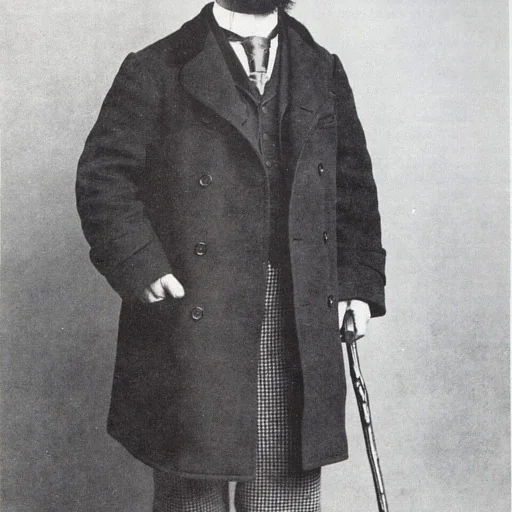
Comte Henri Marie Raymond de Toulouse-Lautrec-Montfa (24 November 1864 – 9 September 1901), known as Toulouse-Lautrec (French: ), was a French painter, printmaker, draughtsman, caricaturist, and illustrator.

 Emilienne d'Alençon
 Prophet (Le prophete)
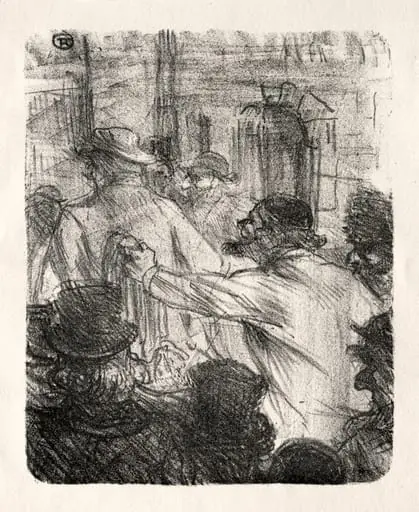 Au pied du Sinaï: La Halle aux Draps, Cracovie
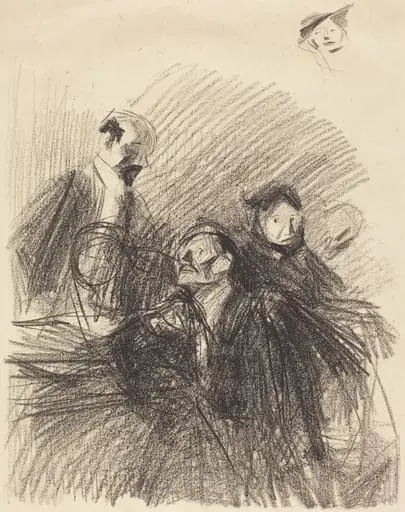 Scène d'audience (les deux avocats) (Scene of a Hearing (The Two Lawyers))
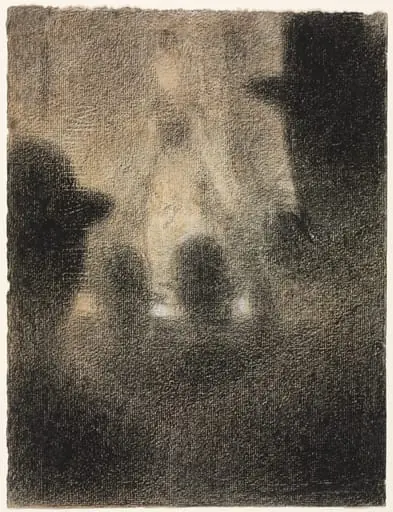 At the Concert Parisien
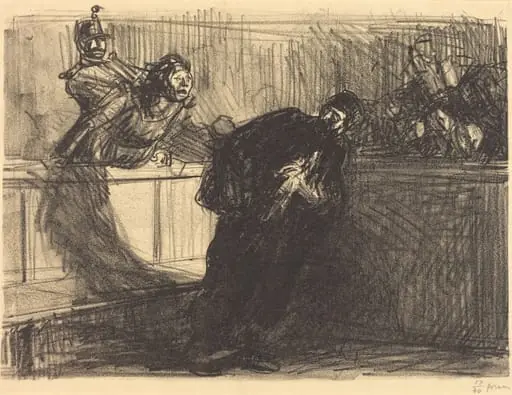 L'avocat invectivé (The Lawyer Abused)
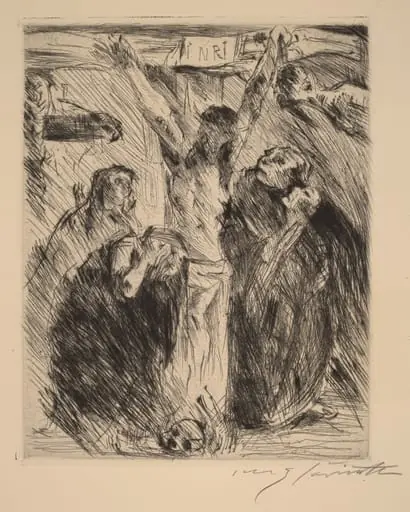 Kreuzigung, nach dem Altarbild in Tölz (Crucifixion, after the Altarpiece at Tölz)
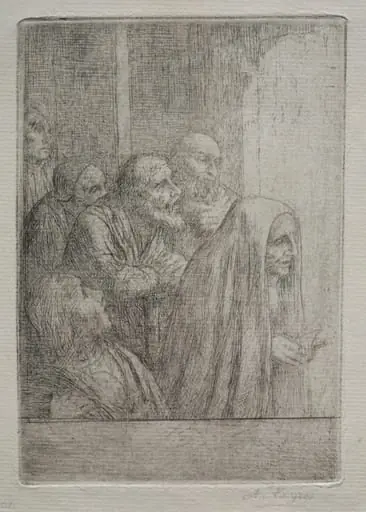 Midnight Mass (Le Messe de Minuit)
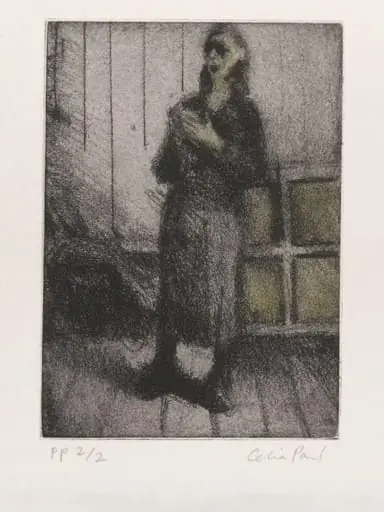 In the Studio
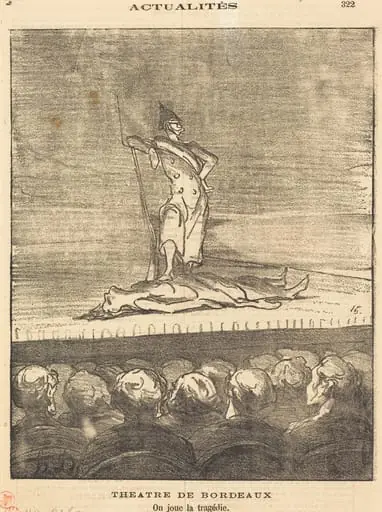 Théâtre de Bordeaux - on joue la tragédie
 L'avocat pourchassé (The Lawyer Pursued)
 La fraction du pain (The Breaking of the Bread)