Artwork
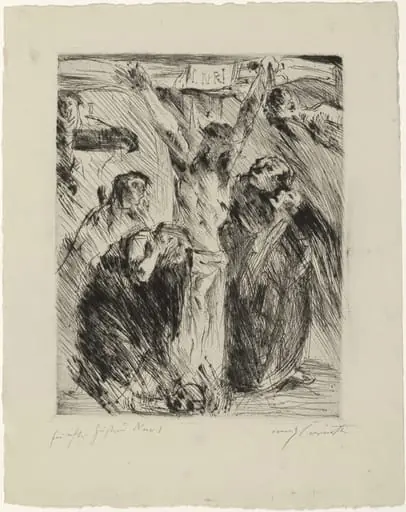
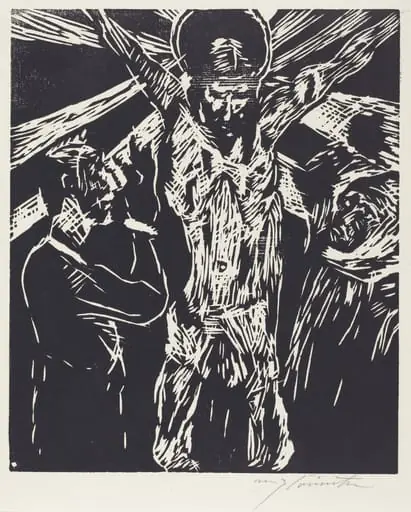
Kreuzigung, nach dem Altarbild in Tölz (Crucifixion, after the Altarpiece at Tölz)
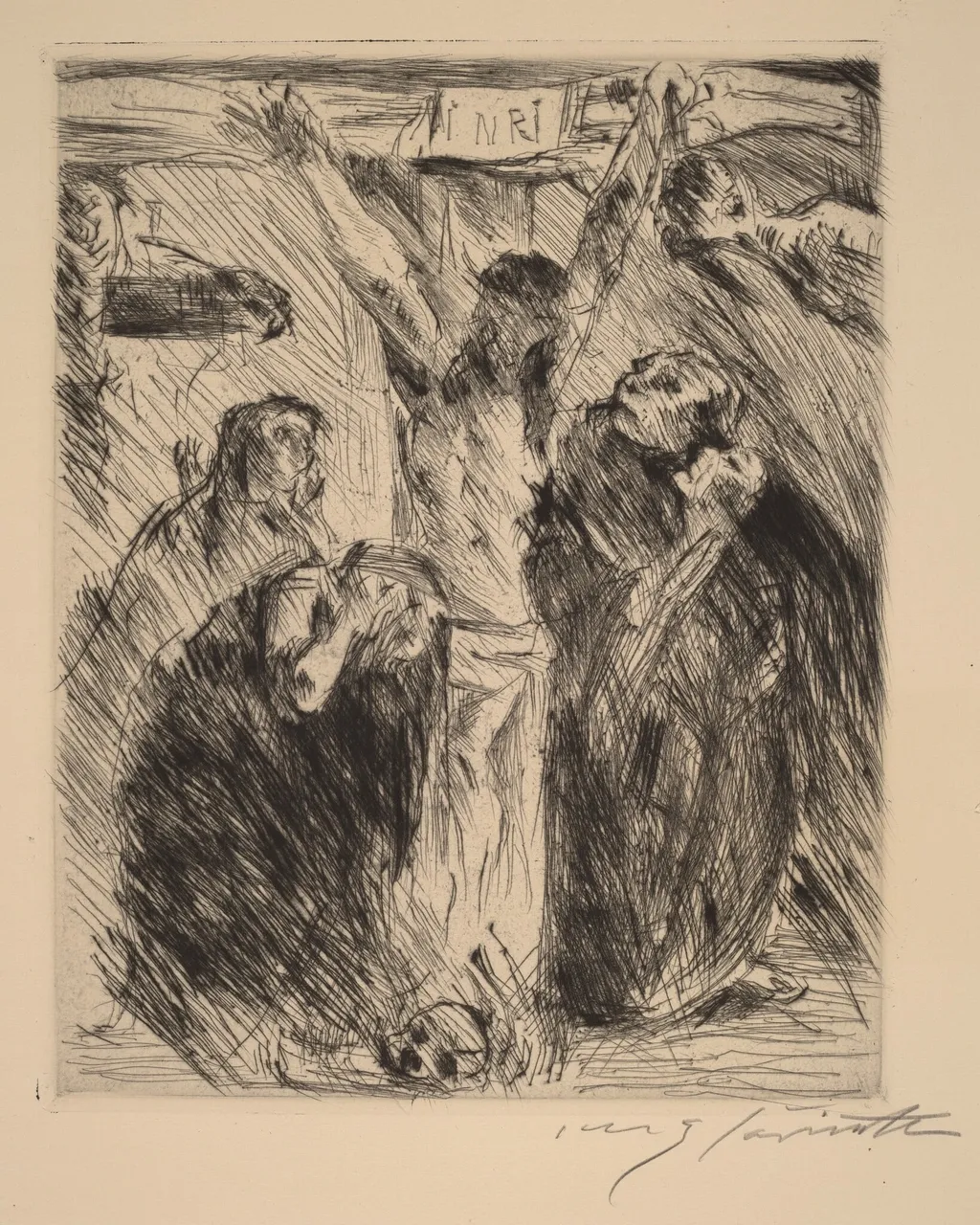
Kreuzigung, nach dem Altarbild in Tölz (Crucifixion, after the Altarpiece at Tölz) is an ink print by Lovis Corinth. It dates from 1922 and is held in the collection of the National Gallery of Art.
About this work
Overview
Created in 1922, this black drypoint print by German artist Lovis Corinth portrays the crucifixion of Jesus. Executed on laid paper supplied by the Van Gelder Zonen firm, the work measures a modest size yet conveys a solemn atmosphere through its stark monochrome palette and tightly rendered figures.
Subject & Meaning
The composition centers on the cross, where Christ hangs between two robed figures positioned below. The sparse background and muted tones focus attention on the physical and emotional weight of the moment, reflecting Corinth’s interest in historic and devotional themes during his later career.
Technique & Style
Corinth employed the drypoint method, incising lines directly into the paper’s surface to produce rich, velvety burrs that lend depth and texture. The exclusive use of black ink on the laid paper enhances contrast, while the gestural line work signals the artist’s shift toward a more expressionistic approach following his 1911 stroke.
History & Provenance
Lovis Corinth, trained in Paris and Munich and later a leading figure of the Berlin Secession, produced this print as part of a series referencing the altarpiece at Tölz. The work remained in private collections before entering its current institutional holding, illustrating the continued scholarly interest in Corinth’s print oeuvre.
Artist & collection

Artist
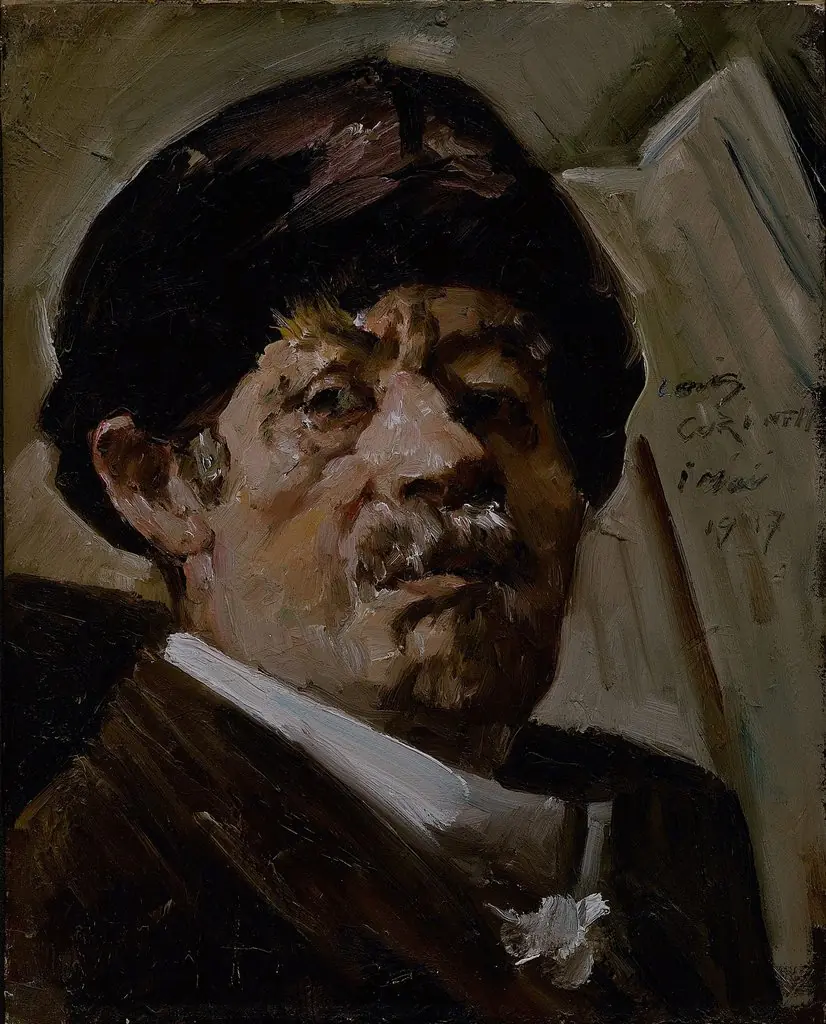
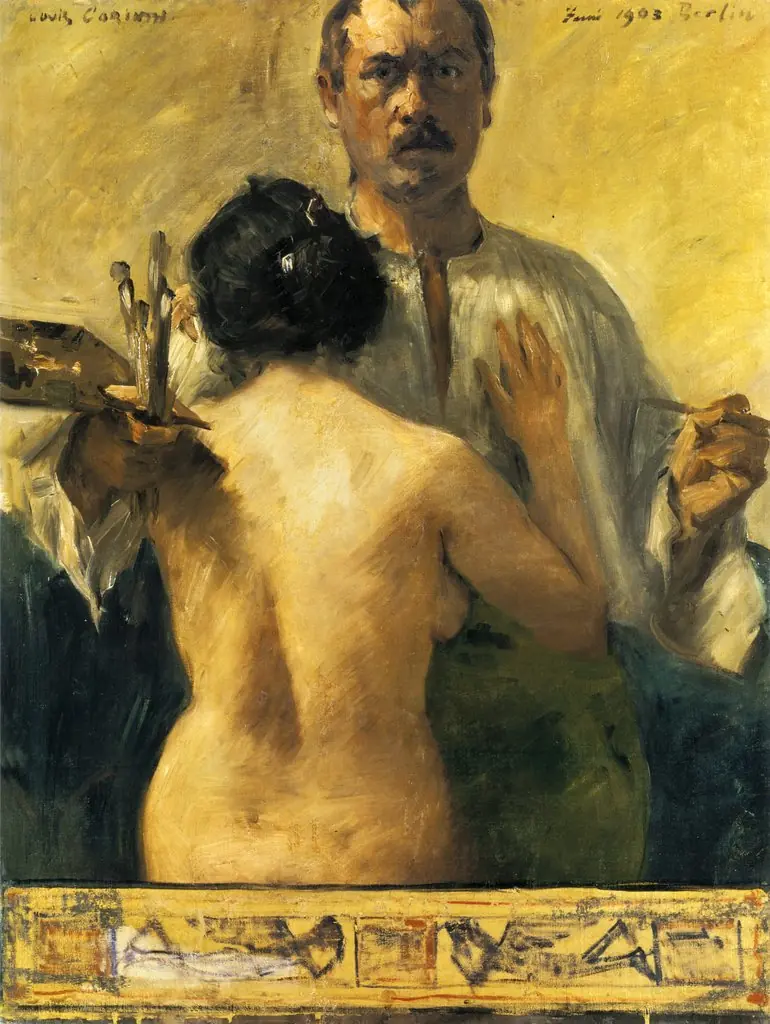
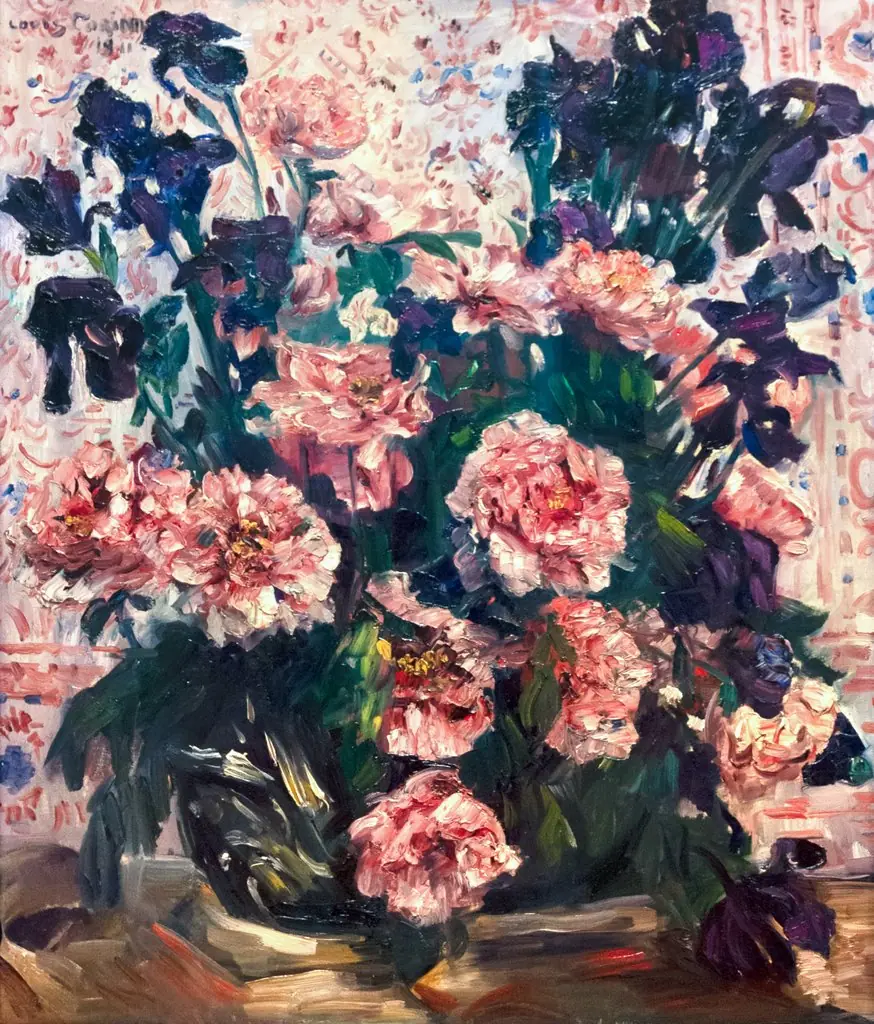
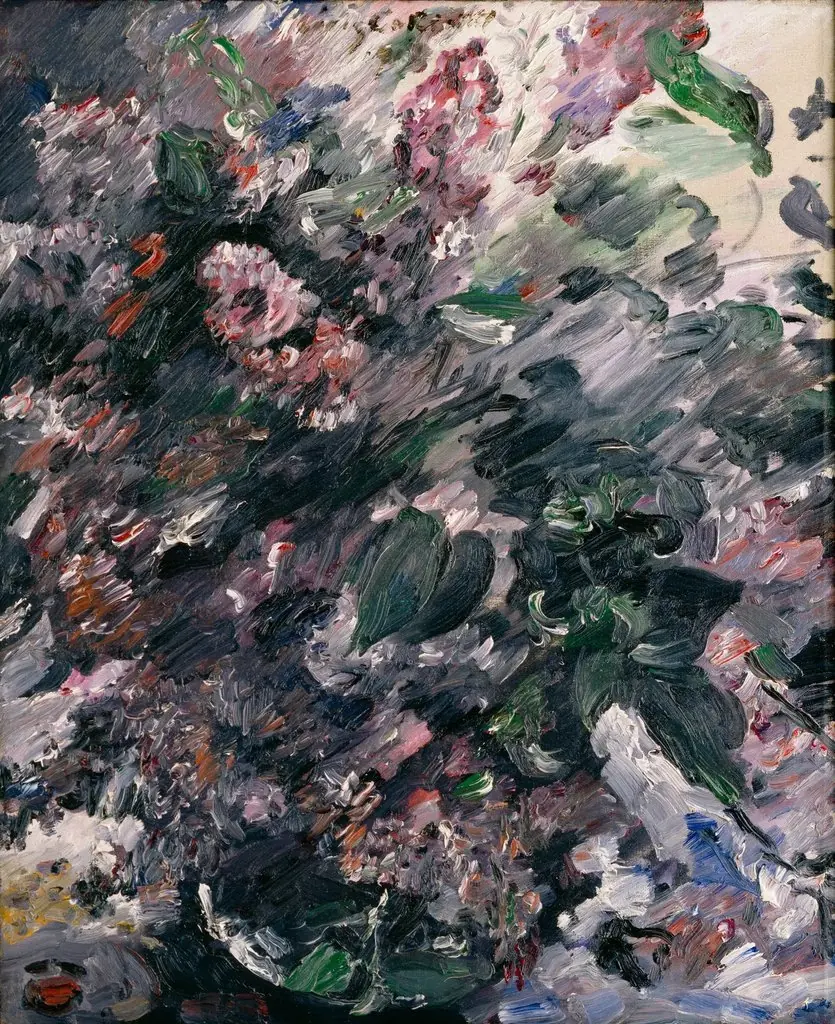
Lovis Corinth was a German artist and writer whose mature work as a painter and printmaker realized a synthesis of impressionism and expressionism.

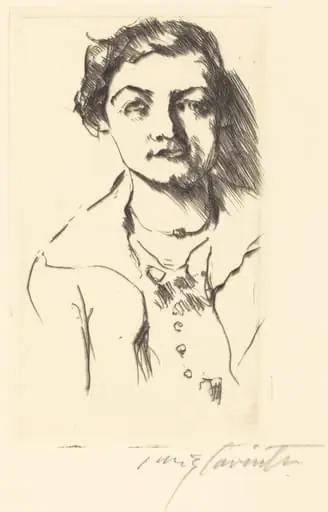
 Untitled
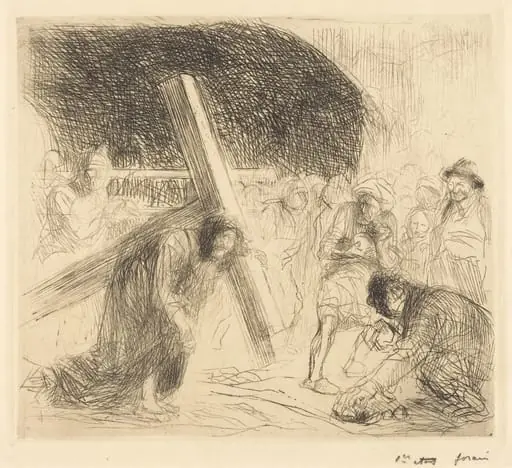 Le Christ portant sa croix (7e planche) (Christ Carrying the Cross) (seventh plate)
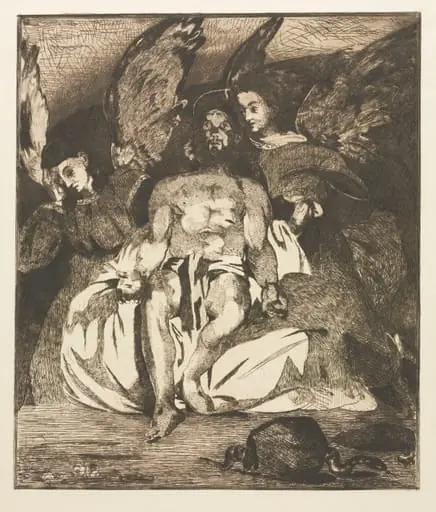 The Dead Christ with Angels
 The Great Symbol
 Christ Crucified Between the Two Thieves: 'The Three Crosses'
 Mary Magdalene Kneeling (Madeleine a genoux)
 Martyrium (Martyrdom)
 La fraction du pain (The Breaking of the Bread)
 Disparate desordenado (Disorderly Folly)
 Porgy
Porgy Le Christ aux outrages (The Mocking of Christ)
 Christus am Kreuz (The Crucifixion)