Artwork
Octave Raquin by Toulouse Lautrec
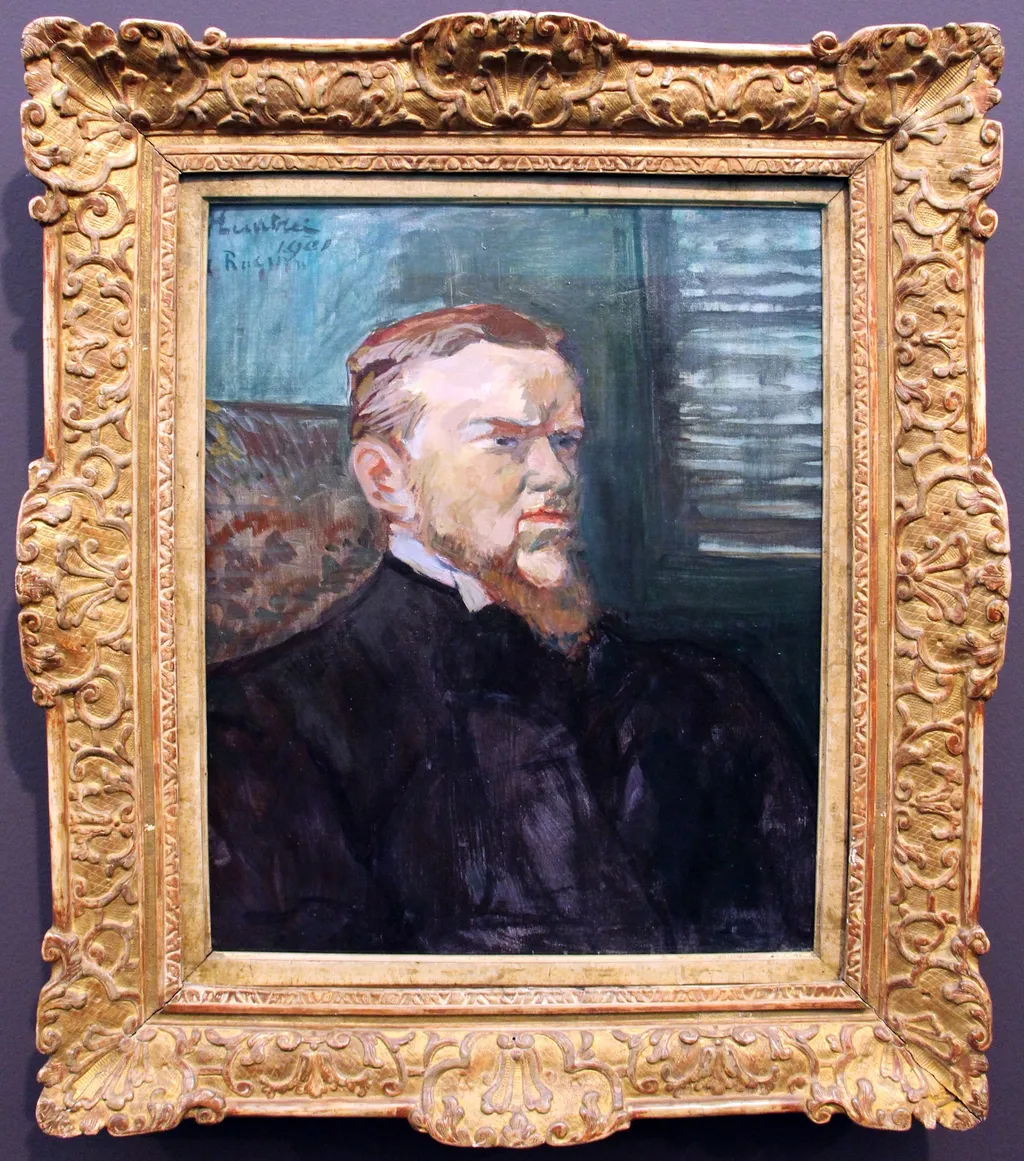
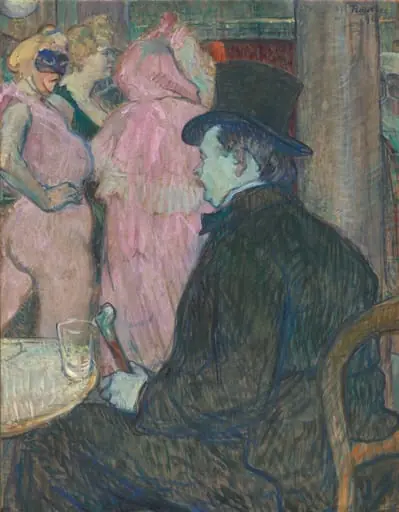
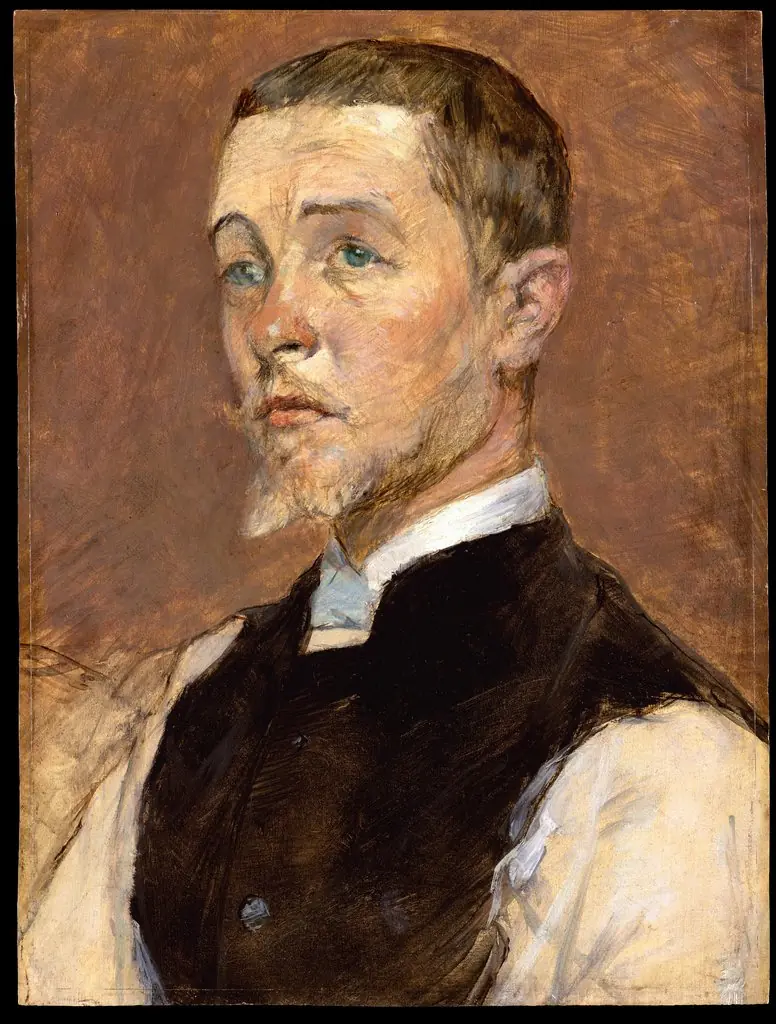
Octave Raquin by Toulouse Lautrec is an oil painting by the Post-Impressionist artist Henri de Toulouse-Lautrec. It dates from 1901 and is held in the collection of the São Paulo Museum of Art.
About this work
The painting is called Octave Raquin by Toulouse Lautrec.
It was made by Henri de Toulouse-Lautrec in 1901 using oil paint.
The artist's life was cut short when he died at 36, which is interesting because he still managed to produce many works.
You can learn more about the artist's style and other works at the São Paulo Museum of Art.
Overview
This portrait belongs to a body of work that captures individuals from Paris’s underbelly, rendered with psychological depth rather than idealization.
Henri de Toulouse-Lautrec completed the oil painting *Octave Raquin* in 1901, near the end of his life. Though he died at thirty-six, his output remained prolific, marked by a sharp eye for character and atmosphere. This portrait belongs to a body of work that captures individuals from Paris’s underbelly, rendered with psychological depth rather than idealization. The painting is held in the collection of the São Paulo Museum of Art.
Subject & Meaning
Octave Raquin was a friend and occasional subject of Lautrec, a man connected to the artist’s circle in Montmartre. Unlike many of Lautrec’s performers and dancers, Raquin appears here as a quiet, introspective figure. The portrait conveys solitude and inner life, avoiding theatricality. Lautrec’s choice to depict him suggests an interest in ordinary individuals beyond the stage, revealing empathy for those on the margins of society.
Technique & Style
Lautrec employed oil paint with a direct, economical brushwork that echoes his graphic sensibility. Forms are simplified, contours defined with clarity, and color restrained yet expressive. The composition focuses tightly on the subject, eliminating extraneous detail. This approach reflects his background in poster design and his commitment to capturing essence over ornament, aligning with Post-Impressionist tendencies toward emotional honesty.
History & Provenance
Painted in the final year of Lautrec’s life, *Octave Raquin* was likely created during a period of declining health. After his death in 1901, the work passed through private hands before entering the São Paulo Museum of Art’s collection. Its presence in Brazil reflects the global reach of Lautrec’s legacy, though it remains less known than his cabaret scenes. The painting’s provenance underscores its quiet significance within his oeuvre.
Context
In early 20th-century Paris, Lautrec’s work stood apart for its unflinching portrayal of everyday life among performers, sex workers, and intellectuals. While contemporaries pursued idealized forms, he turned to realism rooted in observation. *Octave Raquin* fits within this framework, offering a portrait not of spectacle but of stillness — a counterpoint to the frenetic energy of his more famous nightlife scenes.
Legacy
Though less celebrated than his cabaret posters, Lautrec’s portraits like *Octave Raquin* reveal his depth as a psychological observer. The painting contributes to a broader understanding of his artistic range beyond commercial graphics. Its inclusion in a major international museum affirms its role as a thoughtful document of individuality, preserving the quiet dignity of a man often overlooked by history.
Artist & collection
Artist
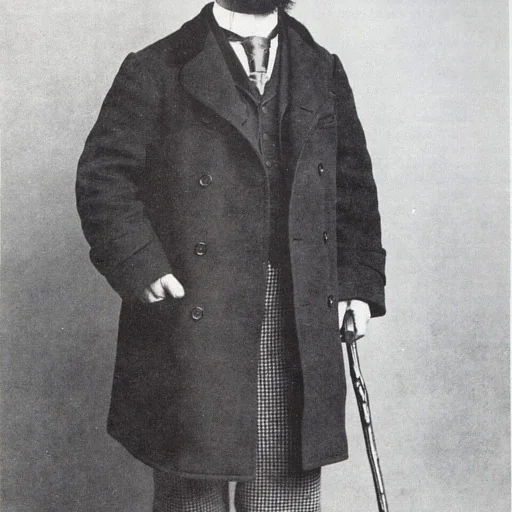
Comte Henri Marie Raymond de Toulouse-Lautrec-Montfa (24 November 1864 – 9 September 1901), known as Toulouse-Lautrec (French: ), was a French painter, printmaker, draughtsman, caricaturist, and illustrator.

 Portrait of the Painter Karl Schou
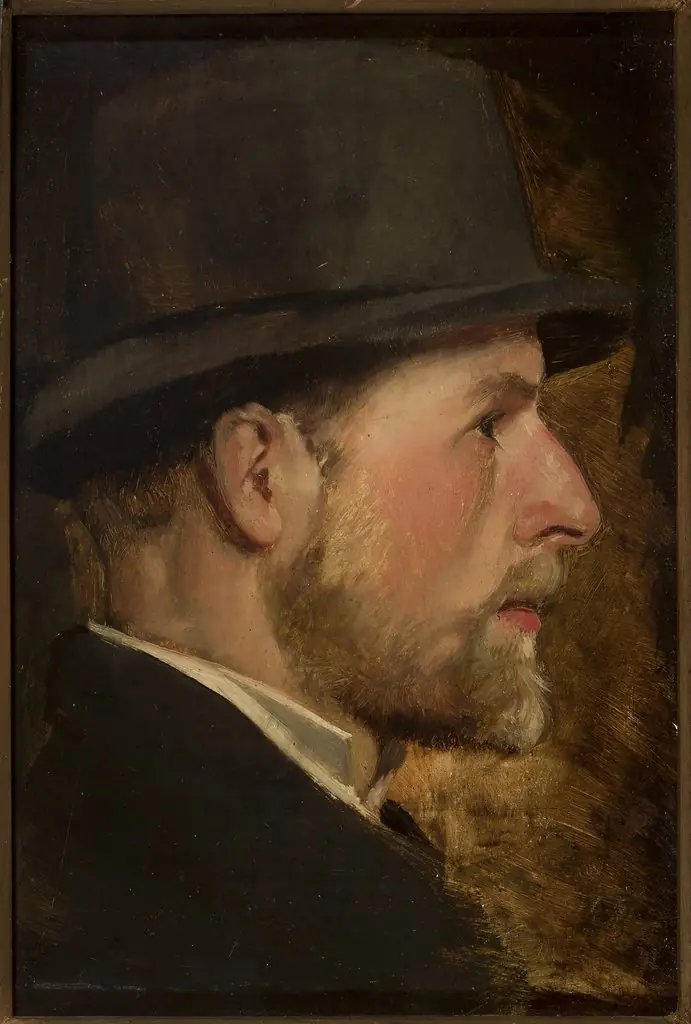 Portrait of Stanisław Czachórski (1853–1904), artist’s brother
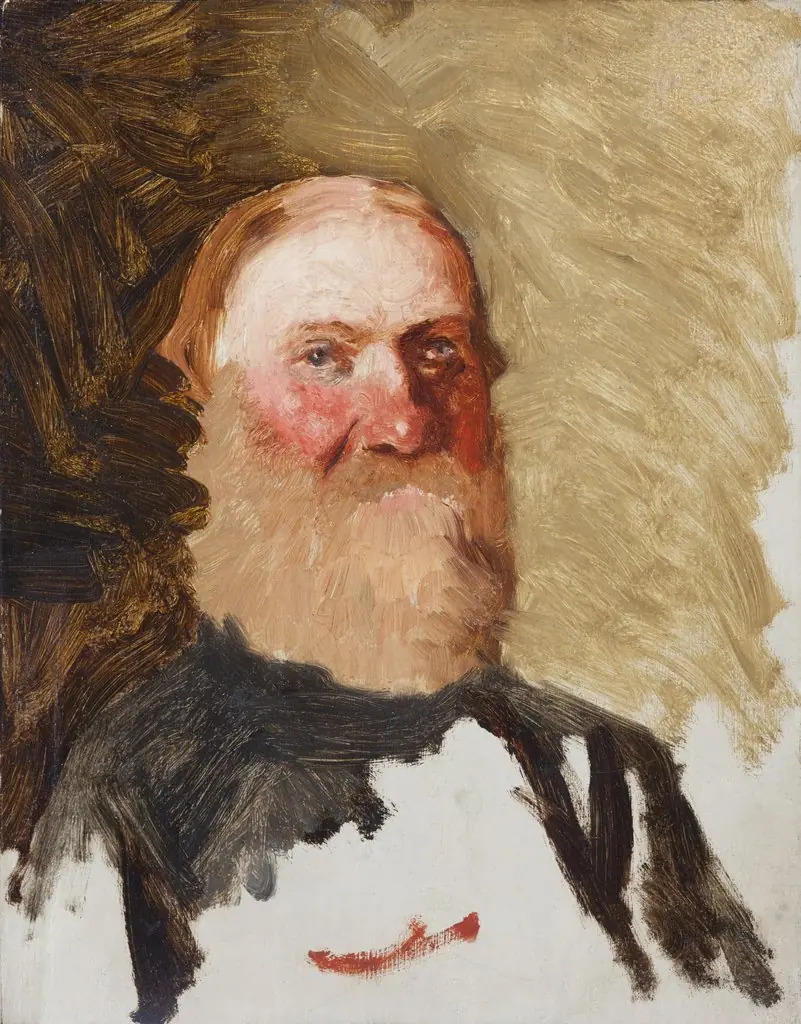 Head of a Bearded Man
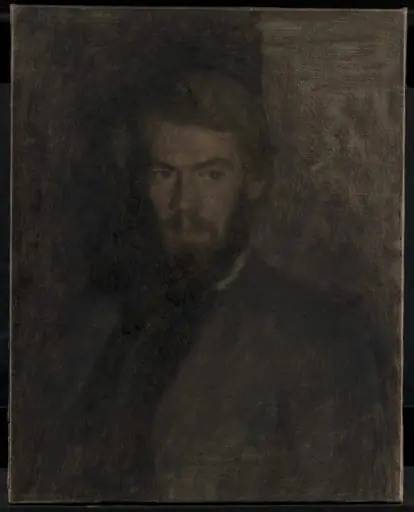 Henry Madsen. Skitse
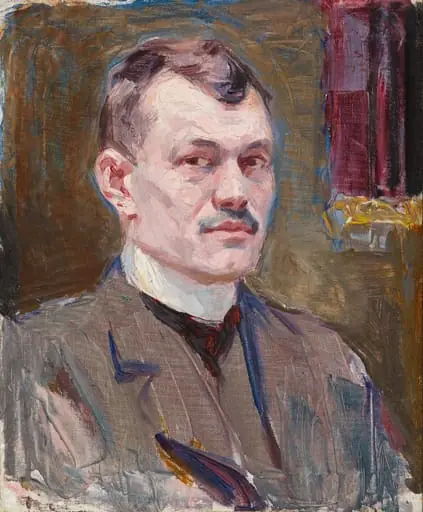 Taiteilijaystävä Eero Nelimarkka
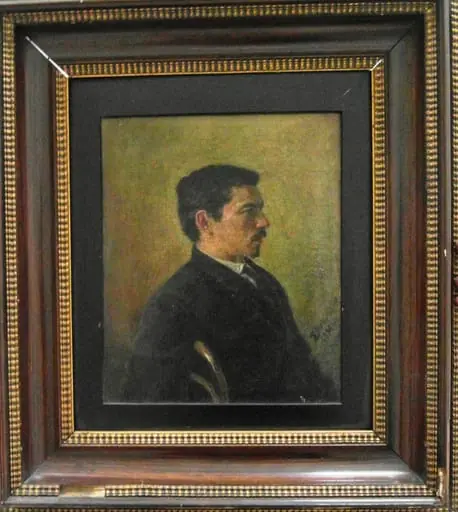 Portretul arhitectului Ziegfried Kofsinski
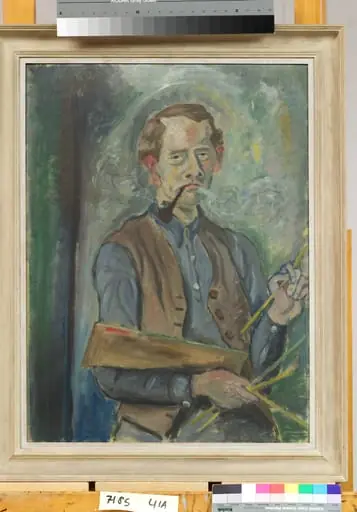 Self-Portrait
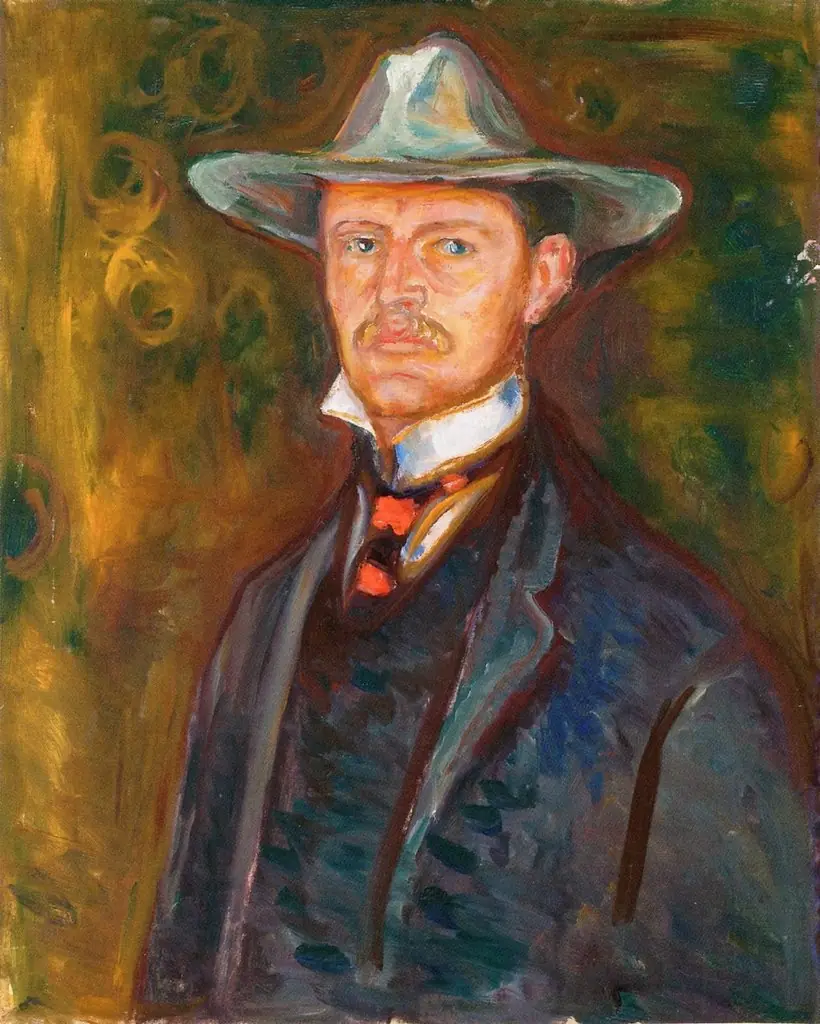 Self-Portrait in Broad Brimmed Hat
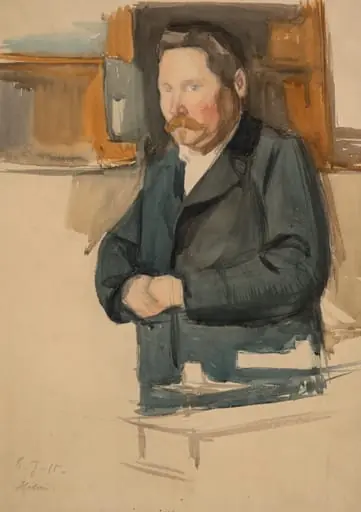 Kauppias Holm
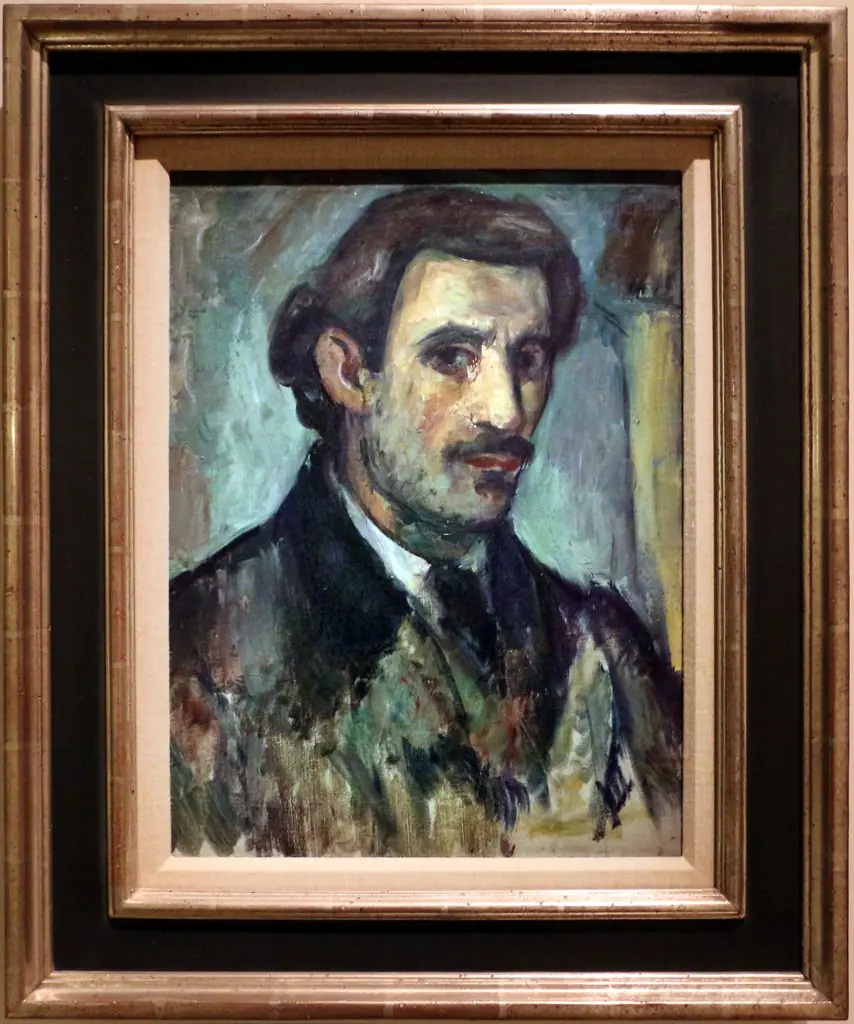 Self-Portrait
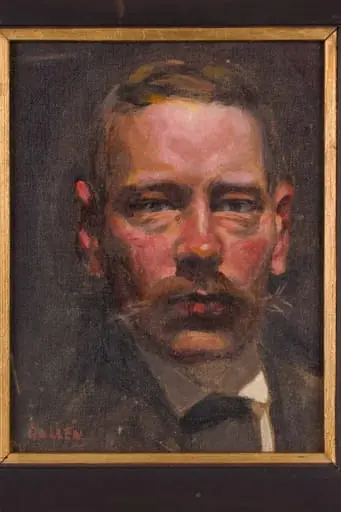 Adolf Paulin muotokuva
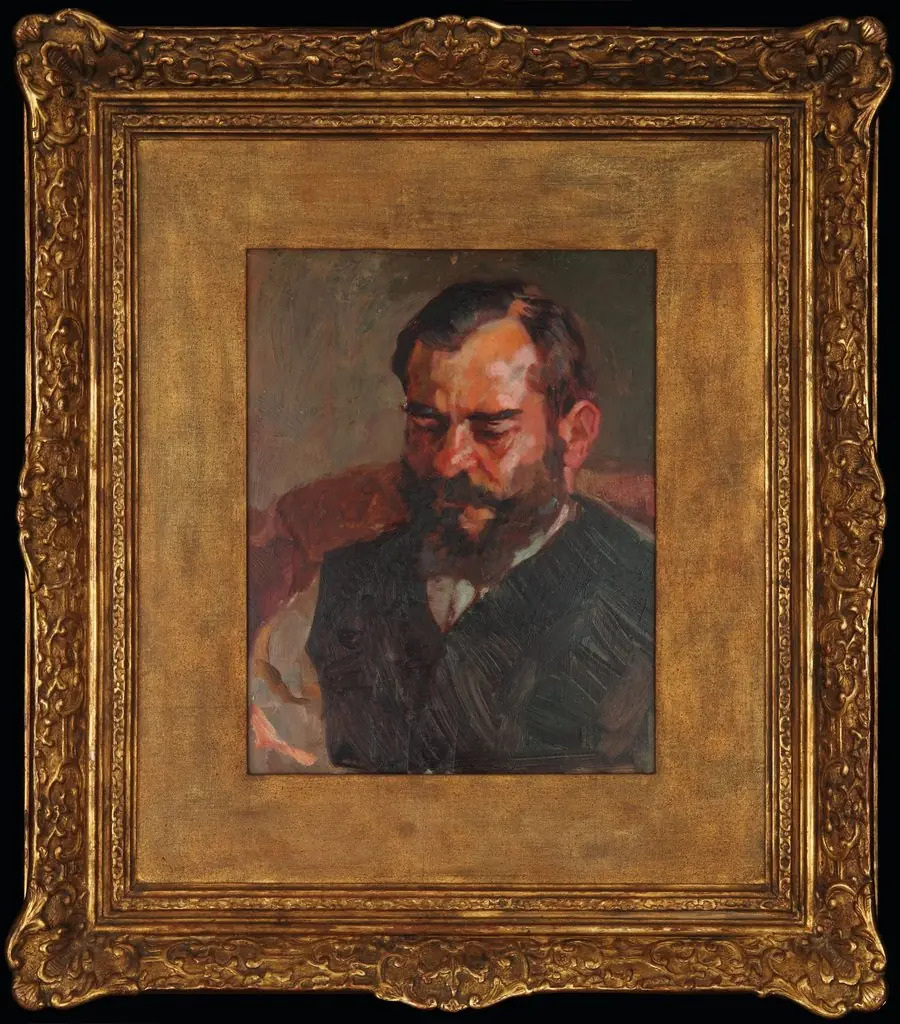 Portrait of Víctor Torrini