Artwork
Portrait of Víctor Torrini
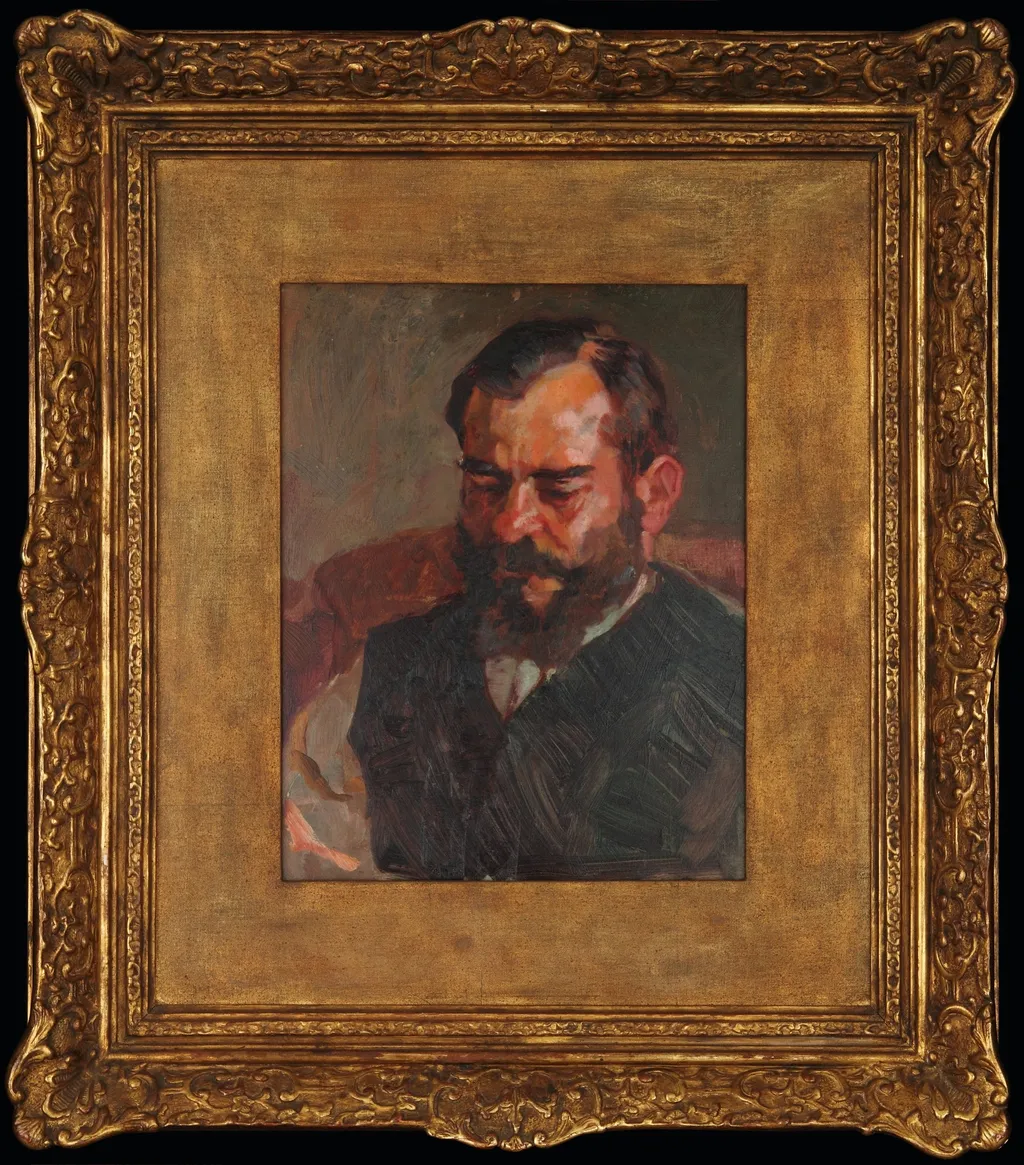
Portrait of Víctor Torrini is an unspecified painting by the Post-Impressionist artist Fernando Fader. It dates from 1913 and is held in the collection of the National Museum of Fine Arts, Argentina.
About this work
Overview
The work resides in the National Museum of Fine Arts in Buenos Aires, where it stands as a representative example of early 20th-century Argentine realism.
Painted in 1913 by Argentine artist Fernando Fader, this portrait depicts Víctor Torrini, a figure known within cultural circles of the time. The work resides in the National Museum of Fine Arts in Buenos Aires, where it stands as a representative example of early 20th-century Argentine realism. Its quiet composition and restrained palette reflect Fader’s interest in capturing inner character over external grandeur.
Subject & Meaning
Víctor Torrini is portrayed with a bowed head and contemplative expression, his dark beard and formal attire suggesting a man of quiet dignity. The absence of symbolic props or elaborate setting directs focus to his demeanor. The subdued mood implies introspection rather than public persona, inviting viewers to consider the psychological weight of the sitter rather than his social status.
Technique & Style
Fader employs soft, blended brushwork to render the subject’s face, where subtle shifts in light define the contours of cheek and brow. The dark jacket and white collar create a tonal contrast that anchors the figure without distraction. The background remains neutral and unmodeled, allowing the face to emerge with quiet intensity. The technique prioritizes emotional resonance over decorative detail.
History & Provenance
The painting entered the collection of the National Museum of Fine Arts in Buenos Aires shortly after its completion. It was likely acquired through institutional interest in Fader’s emerging reputation as a regional realist. No records suggest public exhibition prior to its museum acquisition, but its preservation indicates early recognition of its artistic merit within Argentina’s art community.
Context
Created during a period when Argentine artists were moving away from European academic traditions, Fader’s work reflects a local shift toward psychological realism. While European portraiture often emphasized status, this piece aligns with a broader Latin American tendency to explore individuality through restraint. Torrini’s likeness thus mirrors a cultural moment seeking authenticity over ornament.
Legacy
Though not widely reproduced, the portrait remains a touchstone in studies of Fader’s oeuvre and early Argentine portraiture. Its understated power has influenced later generations of artists interested in emotional depth over theatricality. It continues to be referenced in academic discussions on national identity and the evolution of realism in South American art.
Artist & collection

Museum
National Museum of Fine Arts, Argentina
Continue through works from the same source collection.
 Klas Fåhraeus (1863-1944). Study for Friends (NM 1723)
 Male portrait
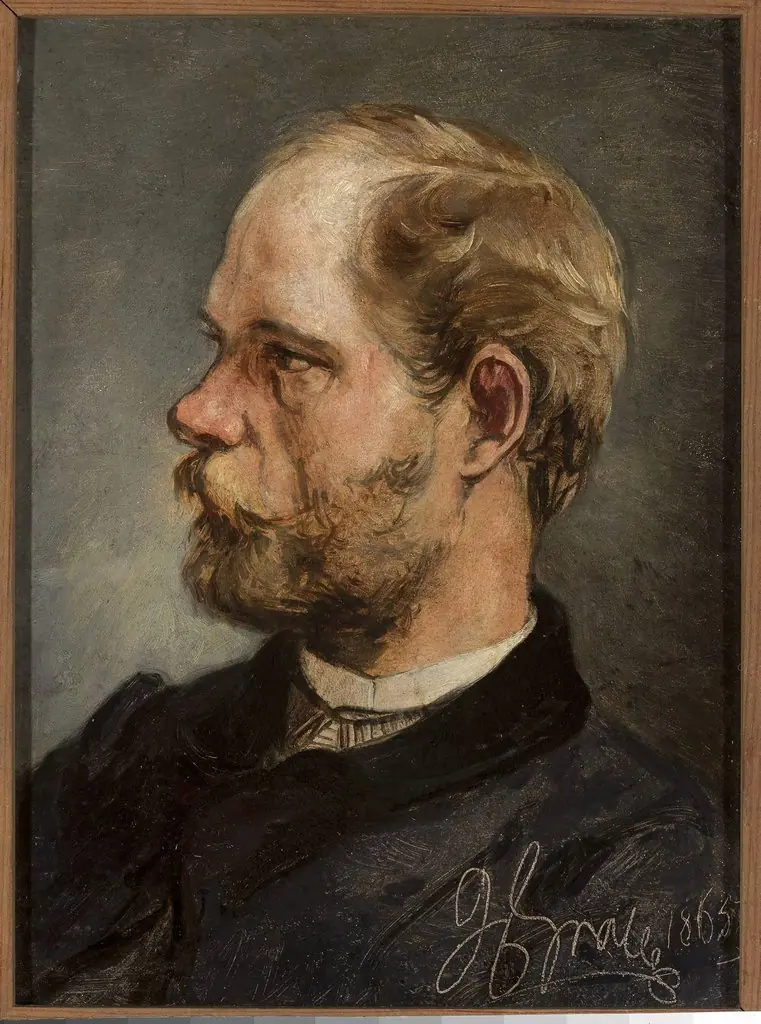 Portrait of Walery Gadomski, sculptor
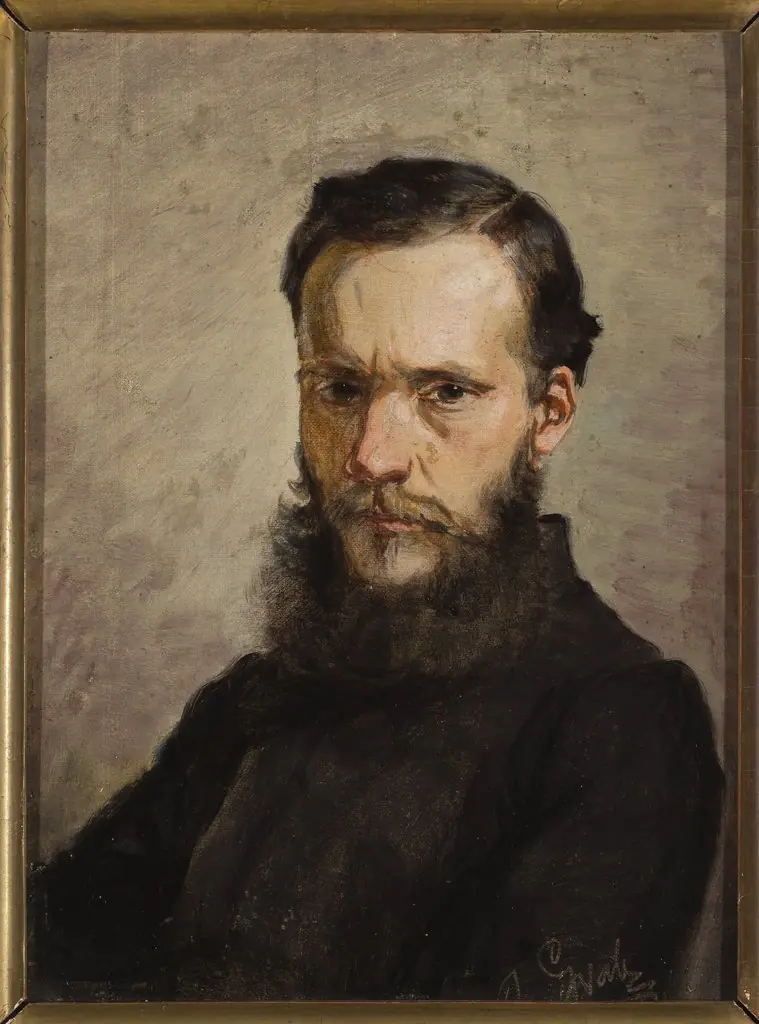 Portrait of Piotr Kozakiewicz
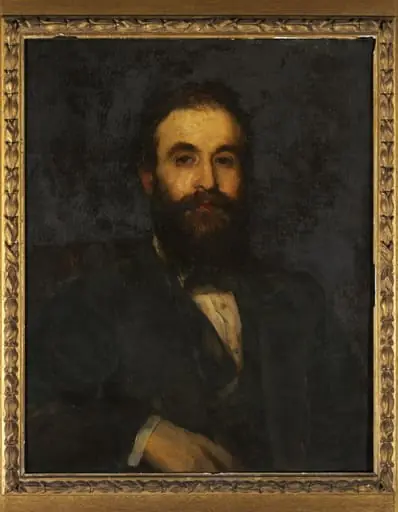 Portrait of George Eumorfopoulos
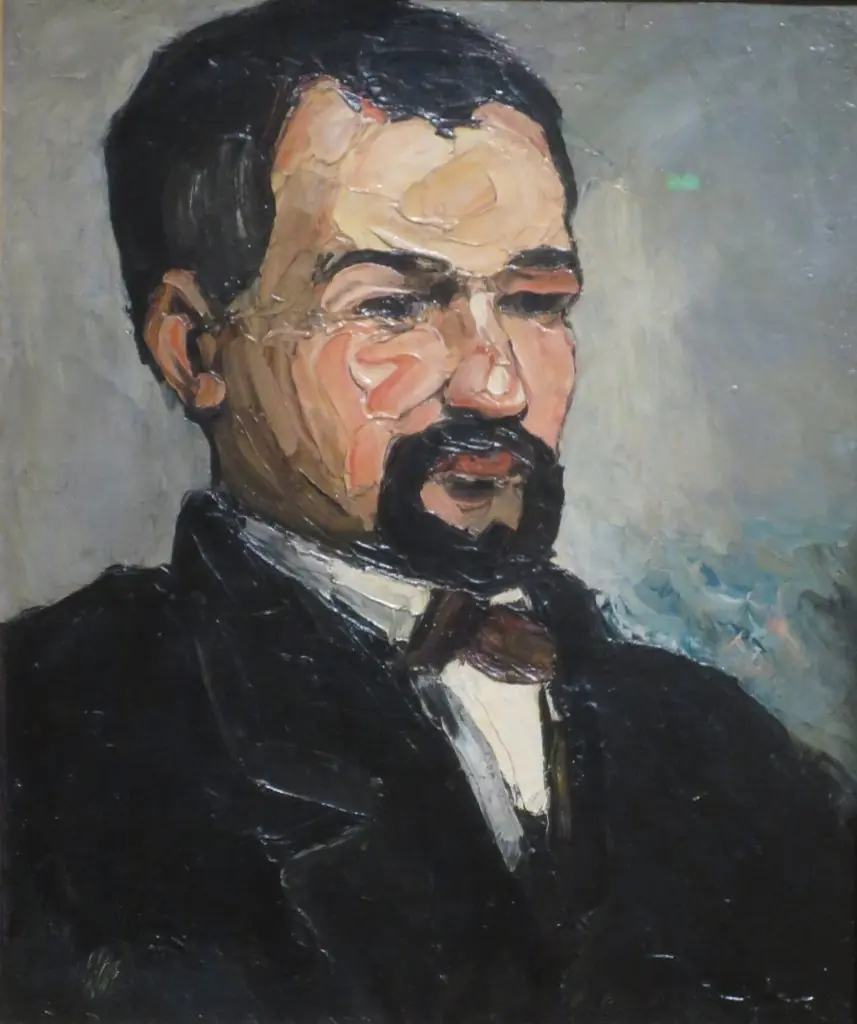 L'Oncle Dominique
 Dr. Louis Devraigne
 Portrait of a man
 Selfportrait Jozef Israëls
 portrait of Johannes Bosboom
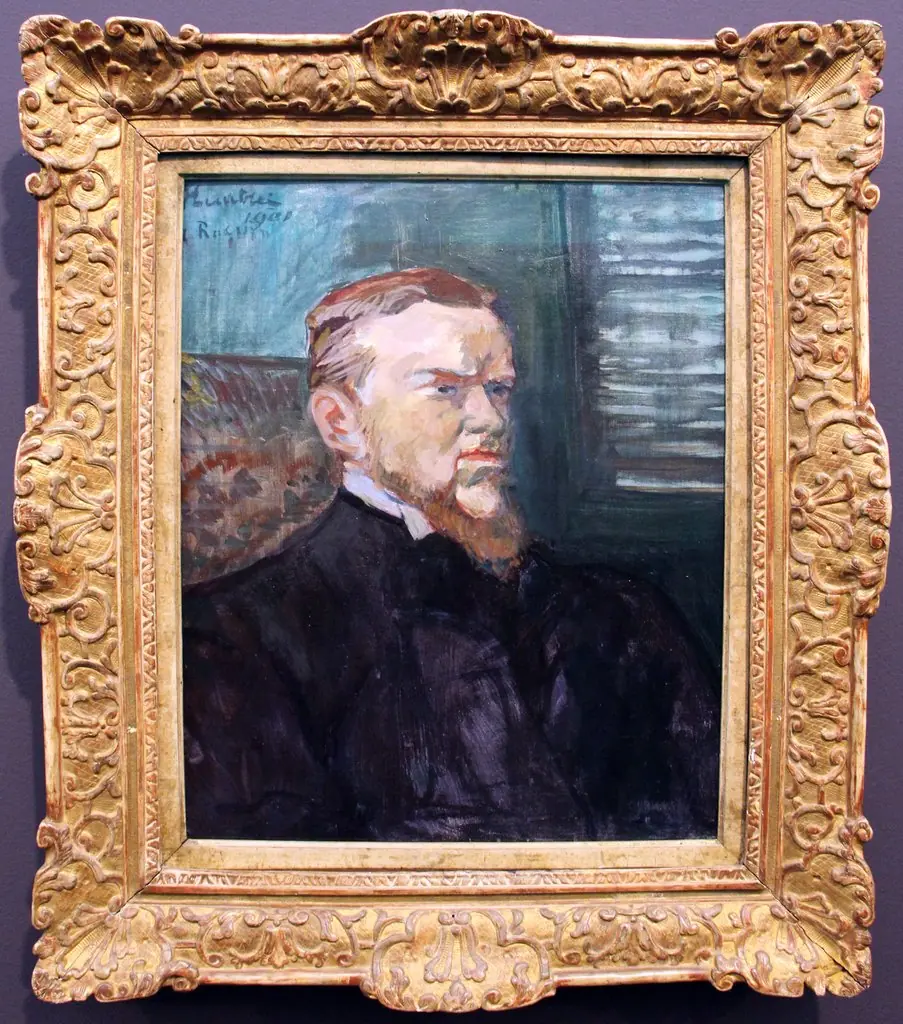 Octave Raquin by Toulouse Lautrec
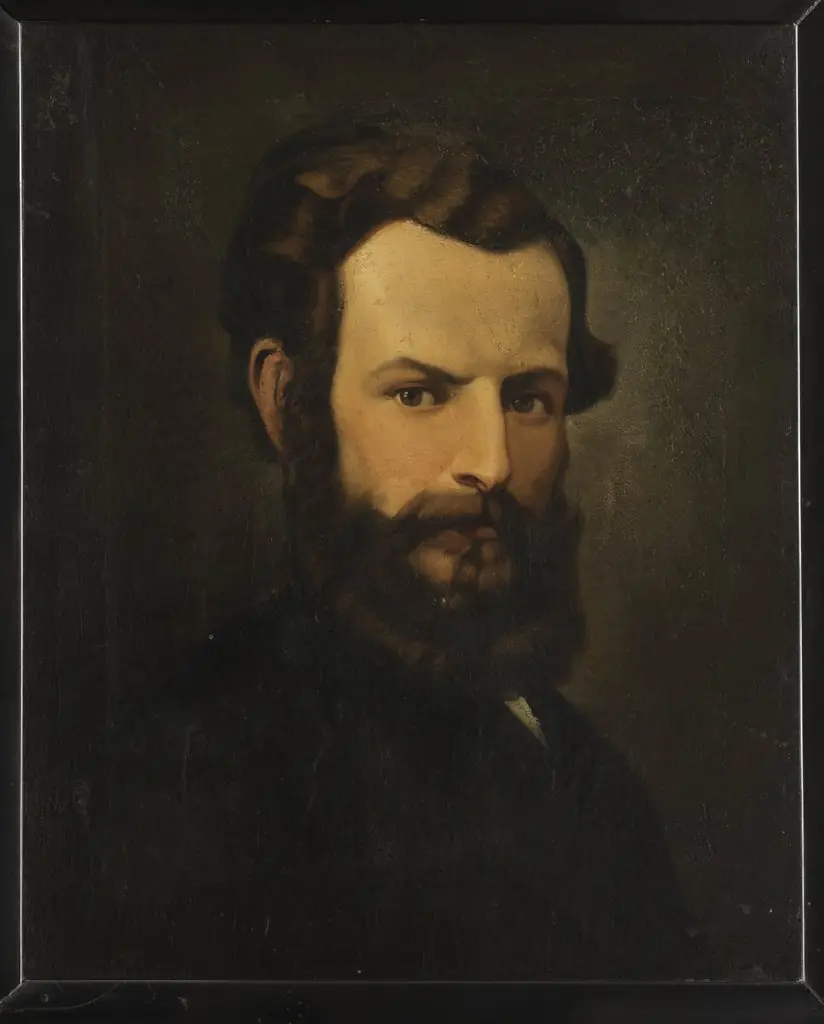 Portrait of Rafał Krajewski, member of the National Government in 1863