Artwork
Albéric Clément, maréchal de France (?-1191)
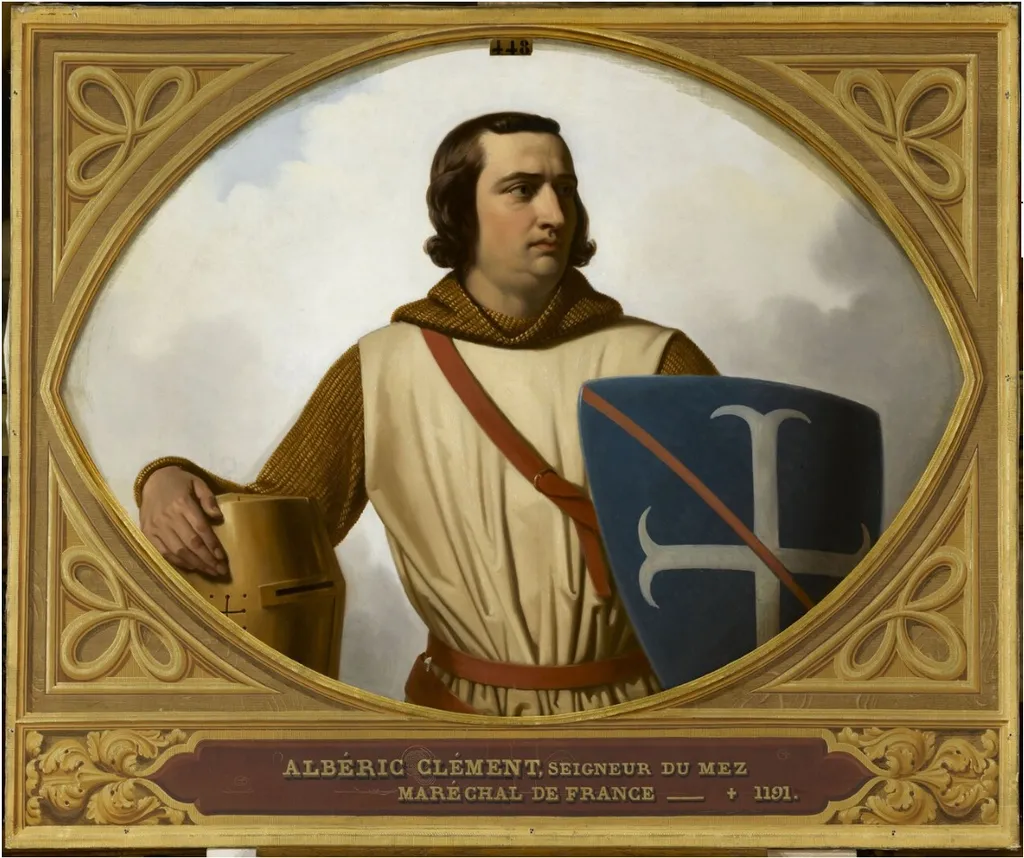
Albéric Clément, maréchal de France (?-1191) is an oil painting by the French Romanticist artist Henri Decaisne. It dates from 1844 and is held in the collection of the Palace of Versailles.
About this work
Overview
Decaisne, known for his focus on historical subjects, rendered Clément with symbolic elements to convey his status and era.
Painted in 1844 by Belgian artist Henri Decaisne, this oil-on-canvas portrait depicts Albéric Clément, a historical figure who served as Marshal of France in the 12th century. The work is part of the collection at the Palace of Versailles and reflects the 19th-century French interest in reviving medieval figures through romanticized historical imagery. Decaisne, known for his focus on historical subjects, rendered Clément with symbolic elements to convey his status and era.
Subject & Meaning
Albéric Clément is portrayed as a noble warrior-leader, clad in stylized 12th-century armor. The shield bearing a white cross on blue alludes to Crusader associations, while the golden helmet and red belt reinforce his martial rank. His serious gaze and upright posture suggest duty and solemn authority. The inscription identifies him as Seigneur du Mez and Marshal of France, anchoring the image in documented medieval office, even as the depiction leans toward idealized representation rather than historical accuracy.
Technique & Style
Decaisne employed traditional oil painting techniques to achieve rich textures in fabric and metal, with careful attention to the sheen of armor and the folds of the tunic. The background features a muted, cloudy sky that isolates the figure and enhances his monumentality. The composition follows Romantic conventions: dramatic lighting, restrained color palette, and symbolic props. The ornate gold frame and red banner with gilded lettering reflect 19th-century tastes for ceremonial presentation in historical portraiture.
History & Provenance
Commissioned during the reign of Louis-Philippe, the painting was acquired for the Palace of Versailles as part of a broader effort to populate the palace with portraits of France’s medieval dignitaries. Decaisne’s work was one of many such commissions intended to reinforce national identity through historical imagery. The painting has remained in the Versailles collection since its completion, with no documented changes in ownership or location.
Context
In the mid-19th century, France experienced a resurgence of interest in its medieval past, fueled by Romanticism and state-sponsored historical projects. Decaisne’s portrait aligns with this trend, contributing to a visual canon of French heroes that included figures like Joan of Arc and Philip Augustus. While Albéric Clément’s historical record is sparse, the painting reflects contemporary efforts to give tangible form to lesser-known nobles of the Crusading era.
Legacy
The portrait remains a representative example of 19th-century historical revivalism in French art. Though not based on contemporary likenesses, it continues to inform public perception of medieval French marshals. Its presence in Versailles ensures its role as a reference point in the institutional narrative of French military tradition, even as modern scholarship questions the accuracy of its iconography.
Artist & collection
Artist
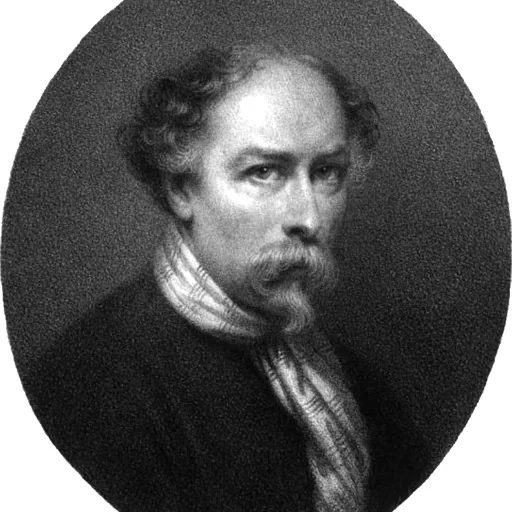
Henri Decaisne (French pronunciation: ; 27 January 1799 – 17 October 1852) was a Belgian historical and portrait painter.

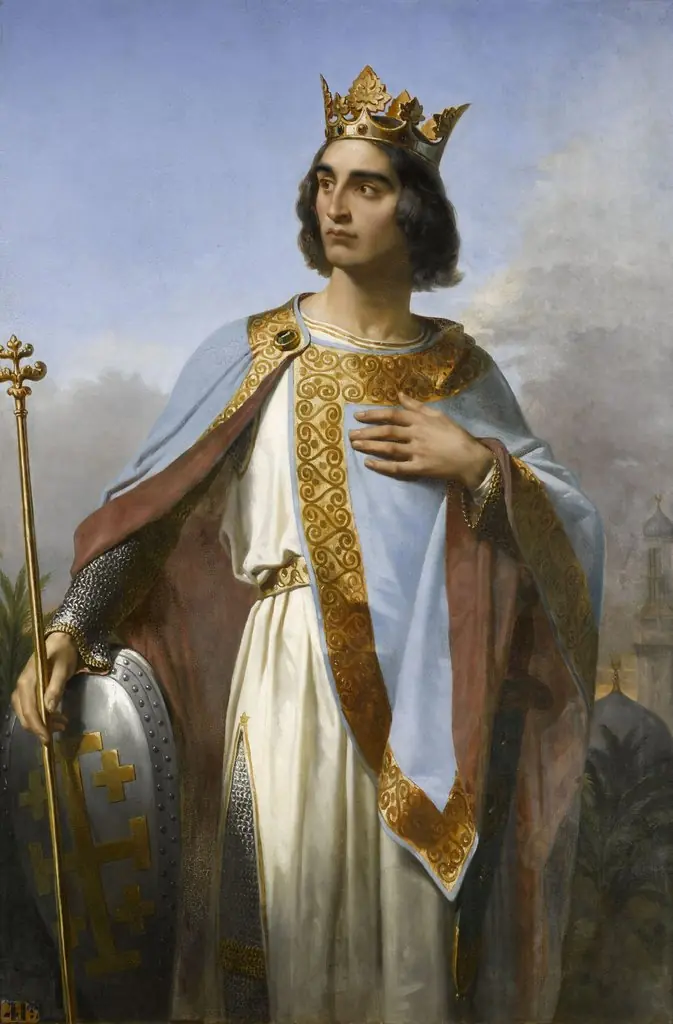 Baudouin I, King of Jerusalem
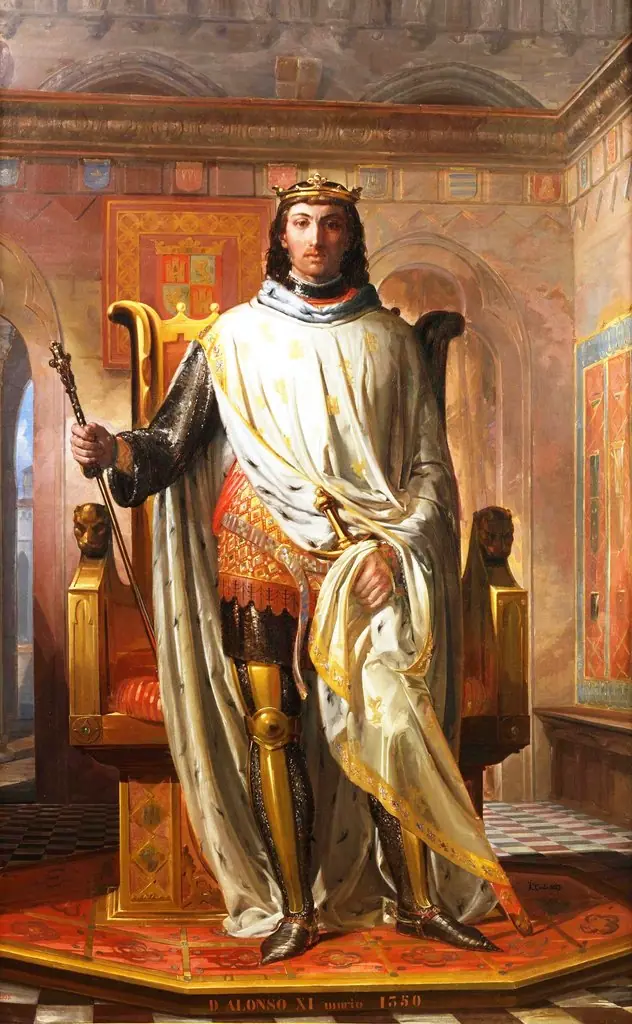 Alfonso XI
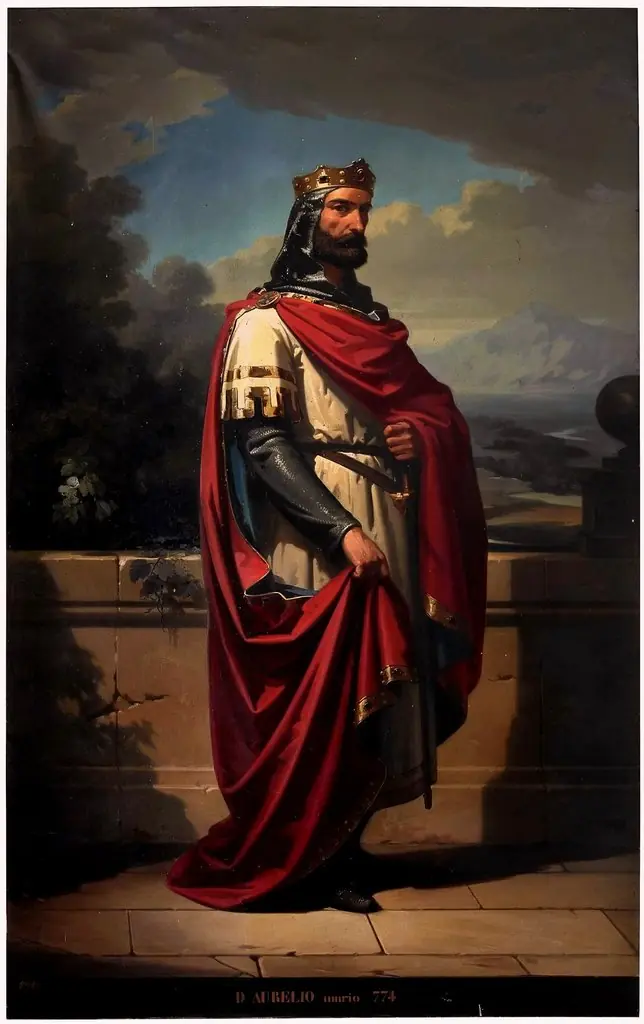 Aurelio
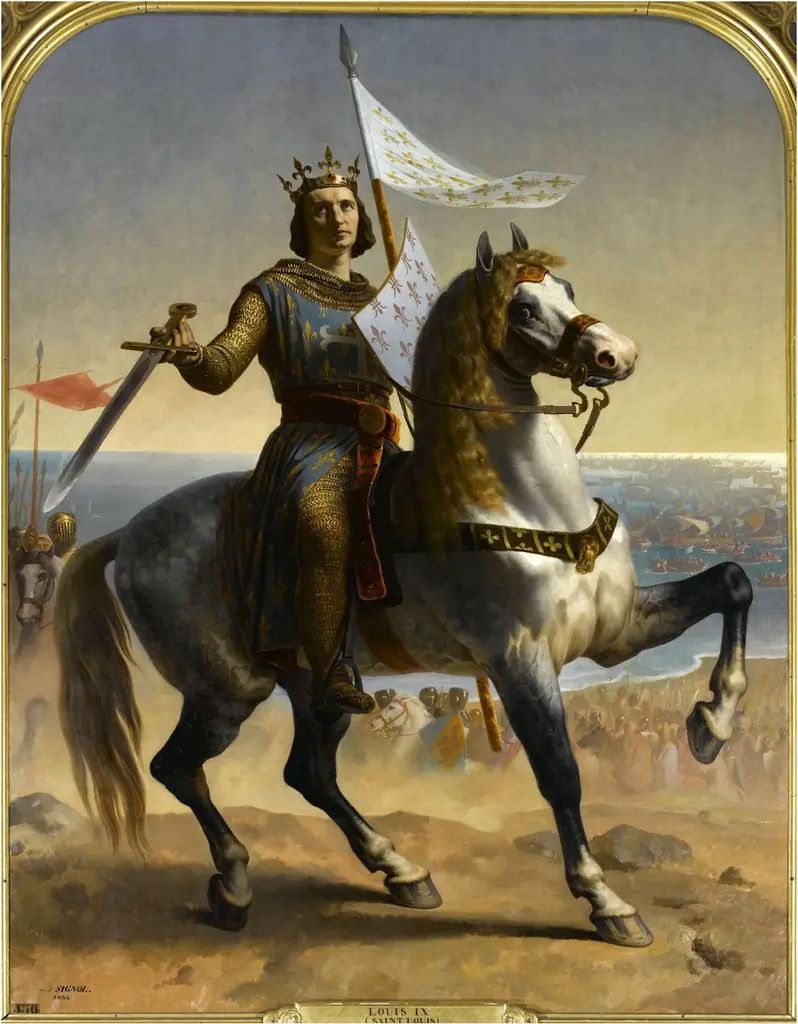 Louis IX, dit Saint Louis, Roi de France (1215-1270)
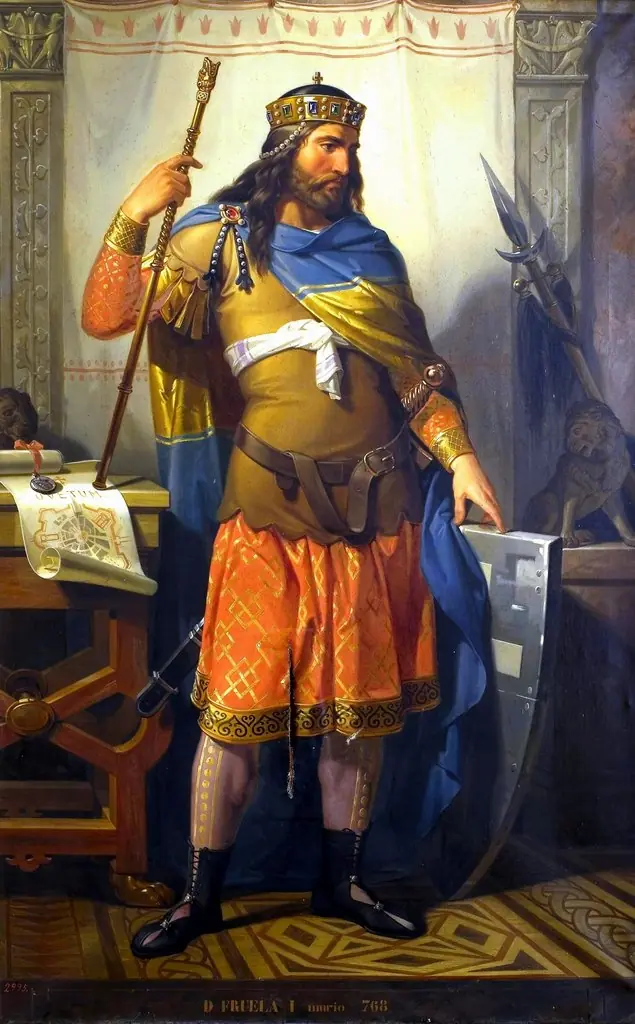 Fruela I
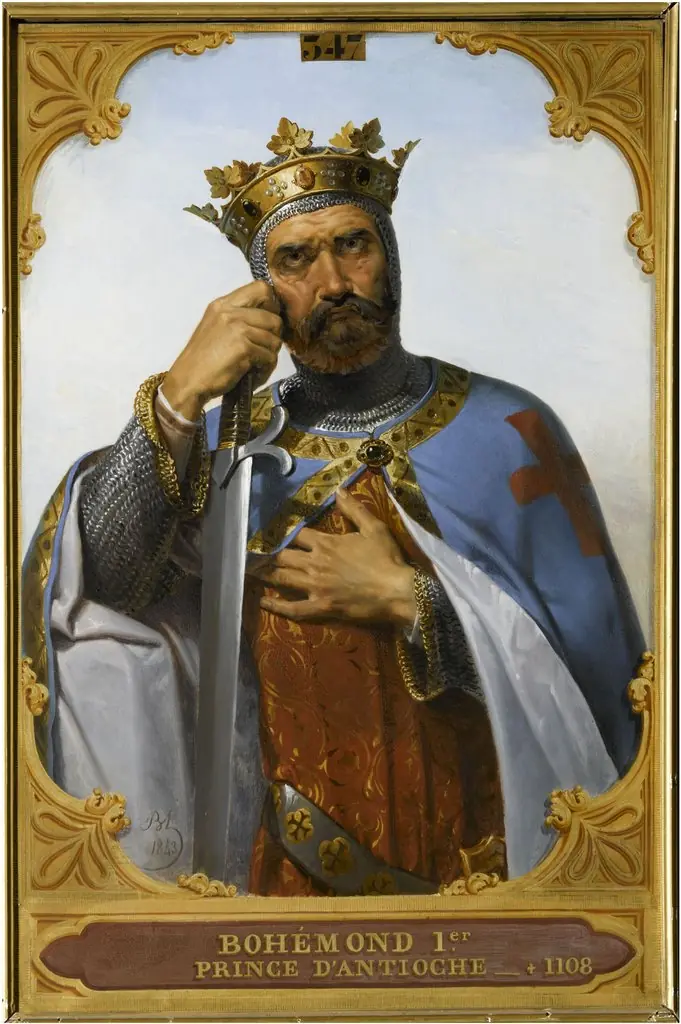 Imaginary portrait of Bohemond I
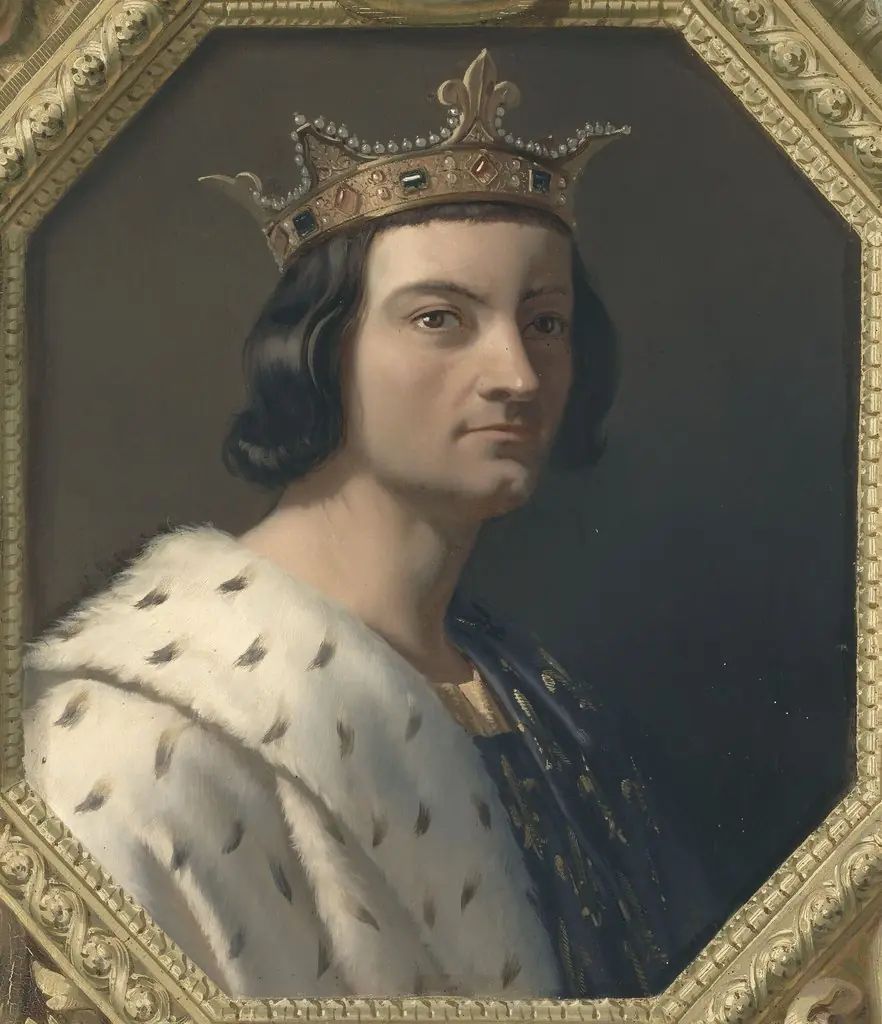 King Philip III of France
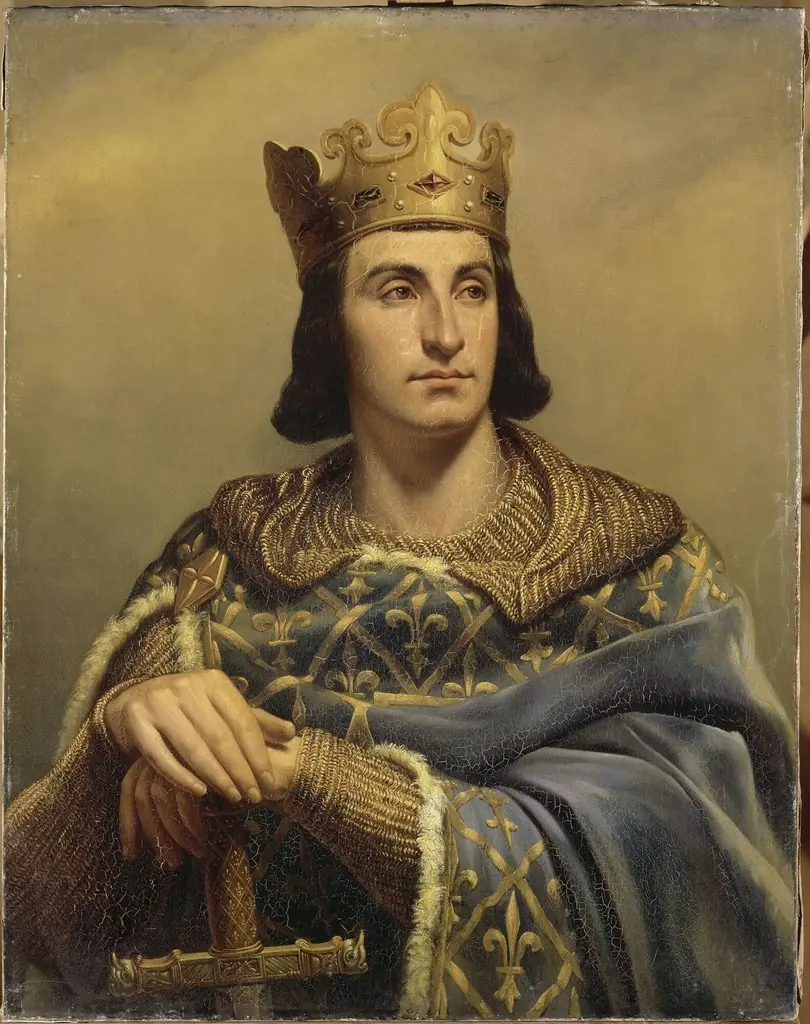 King Philip II of France
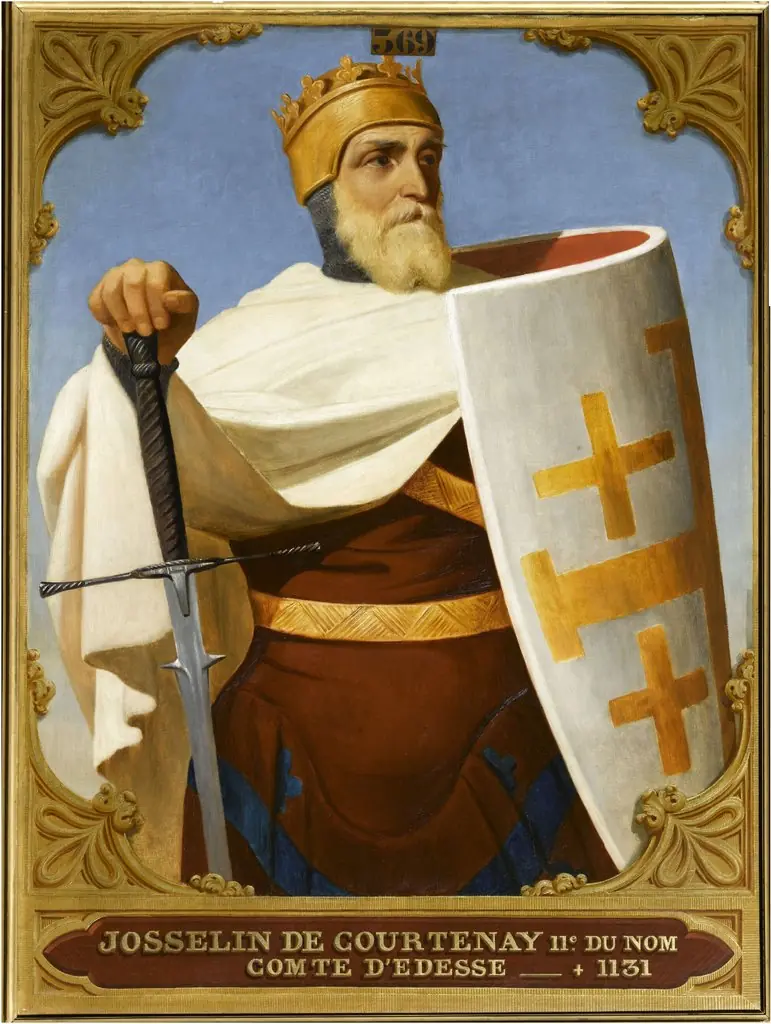 Joscelin of Courtenay
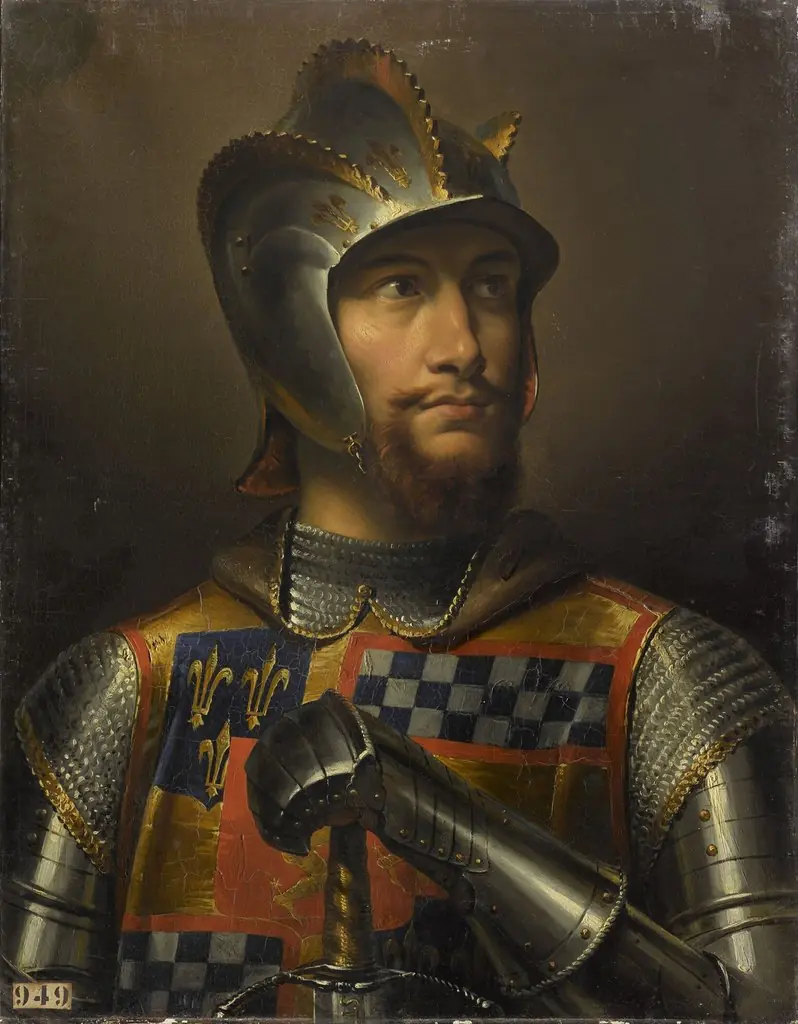 Jean II Stuart, connétable de Buchan (+ 1424)
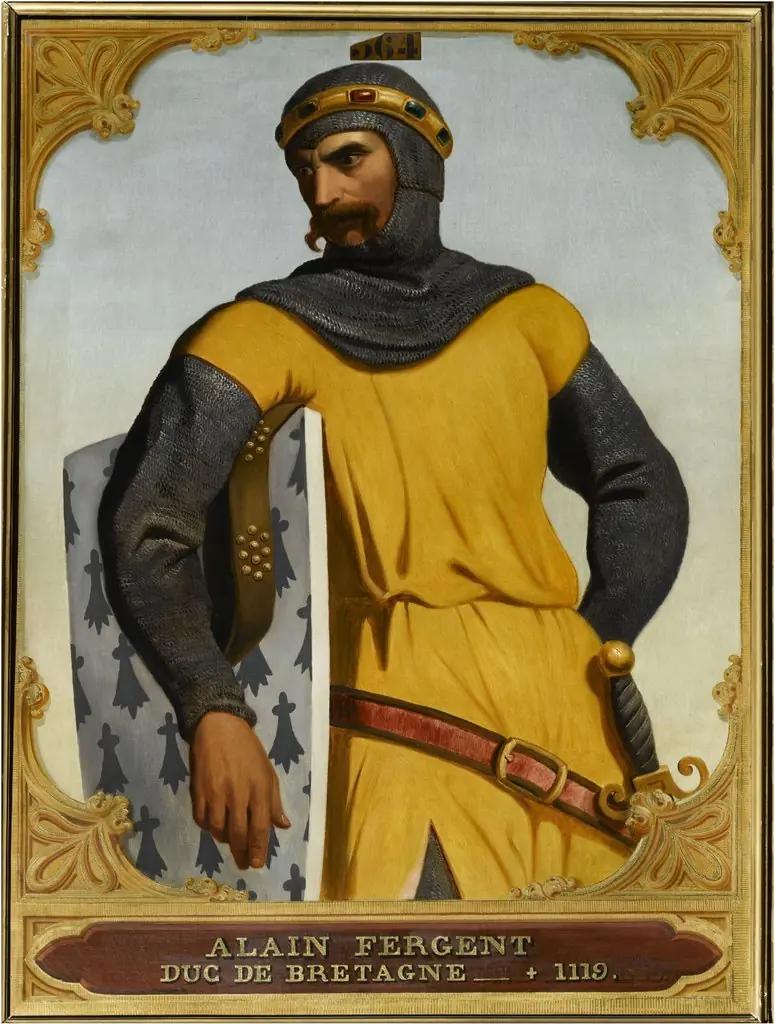 Alain IV de Bretagne, dit Fergent, duc de Bretagne