Artwork
Imaginary portrait of Bohemond I
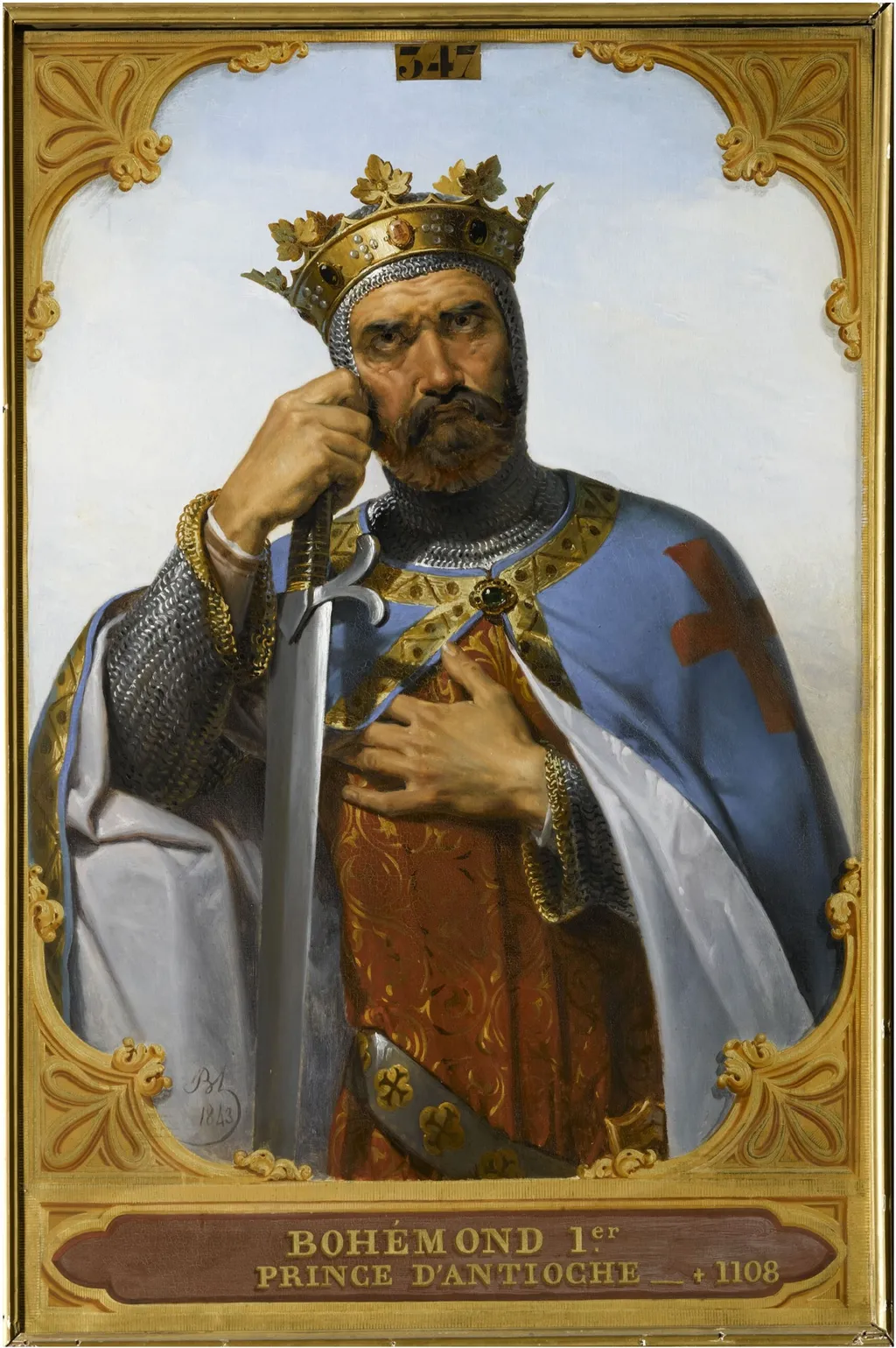
Imaginary portrait of Bohemond I is an oil painting by Merry-Joseph Blondel. It dates from 1843 and is held in the collection of the Palace of Versailles.
About this work
Overview
Created in 1843 by French painter Merry‑Joseph Blondel, this oil on canvas presents an imagined likeness of Bohemond I, the medieval Prince of Antioch. The work belongs to the collection of the Palace of Versailles and exemplifies the artist’s engagement with historical portraiture during the mid‑nineteenth century.
Subject & Meaning
The figure is shown in ceremonial dress, crowned and draped in a blue mantle bearing a red cross, clutching a sword while his left hand rests on his chest. The solemn expression and martial attributes evoke Bohemond’s reputation as a crusader leader, offering a visual narrative of feudal authority and chivalric virtue.
Technique & Style
Blondel employs a realistic, academic approach, rendering the textures of fabric, metal, and flesh with precise brushwork. Subtle chiaroscuro models the face and armor, while a light blue backdrop isolates the subject, enhancing the three‑dimensional effect. The palette balances cool blues with the warm tones of skin and gold, reinforcing the portrait’s formal dignity.
History & Provenance
A laureate of the Prix de Rome in 1803, Blondel taught at the École des Beaux‑Arts from 1824 until his death in 1853. The painting entered the Versailles collection as part of the museum’s effort to document French artistic interpretations of historic figures, remaining in the royal palace’s holdings to the present day.
Context
The portrait reflects the nineteenth‑century French fascination with medieval crusader icons, aligning with Romantic historicism that sought to revive past heroes through academic painting. Blondel’s training under Jean‑Baptiste Regnault and his neoclassical background inform the work’s compositional clarity and reverent tone.
Artist & collection
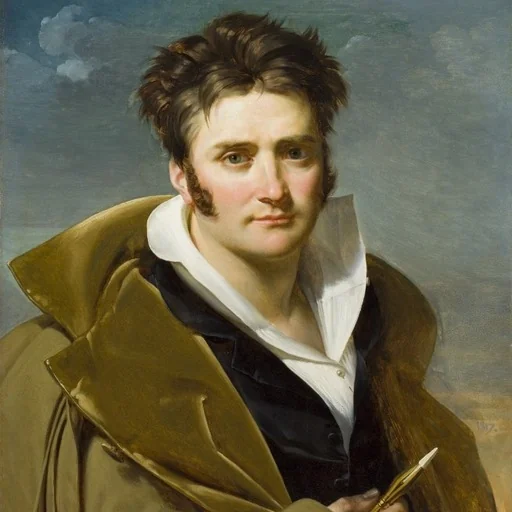
Artist
Merry-Joseph Blondel (French pronunciation: ; 25 July 1781 – 12 June 1853) was a French history painter of the Neoclassical school.

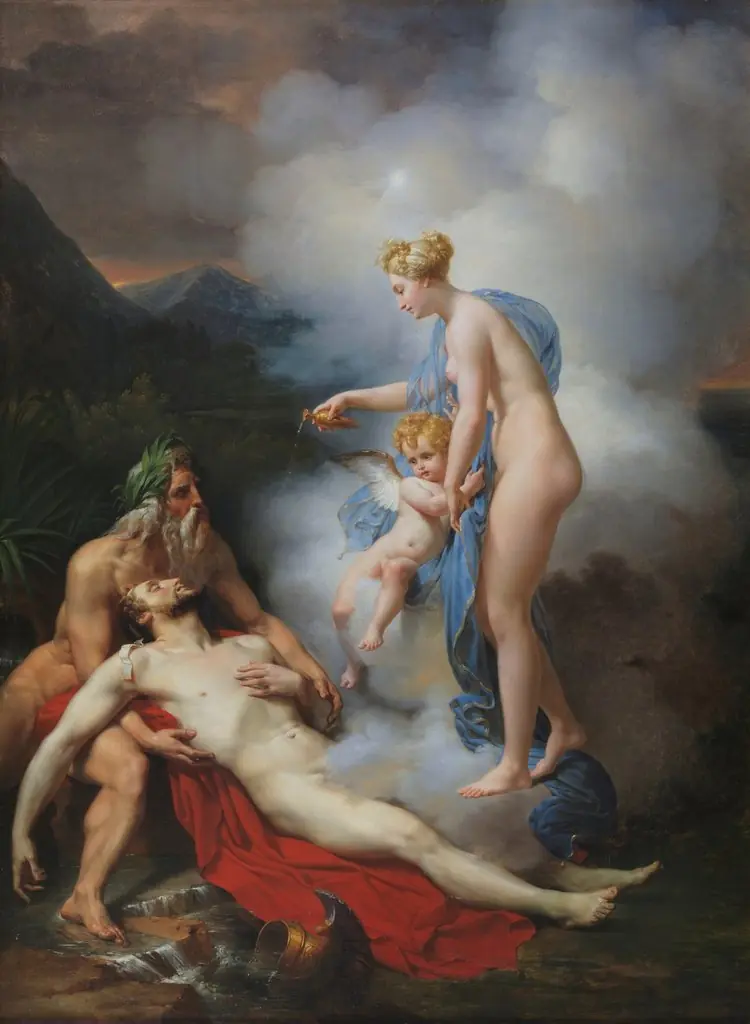 Aeneas Becomes a God
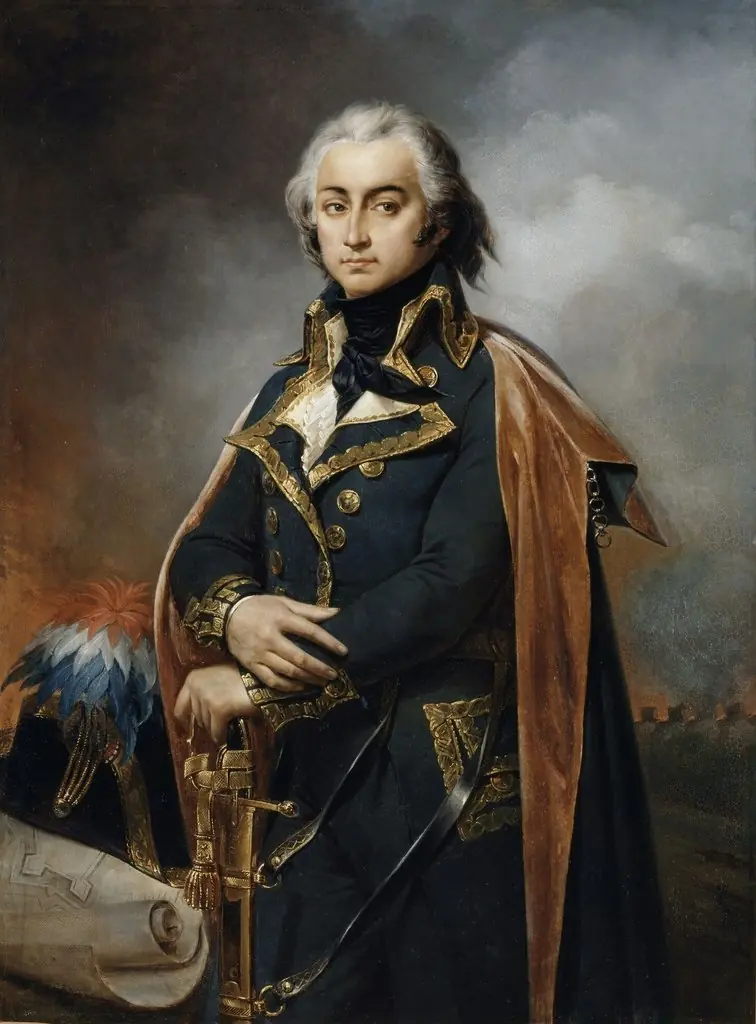 Cyrus-Marie-Adélaïde de Timbrune, Count of Valence, General-in-Chief of the Army of the Ardennes
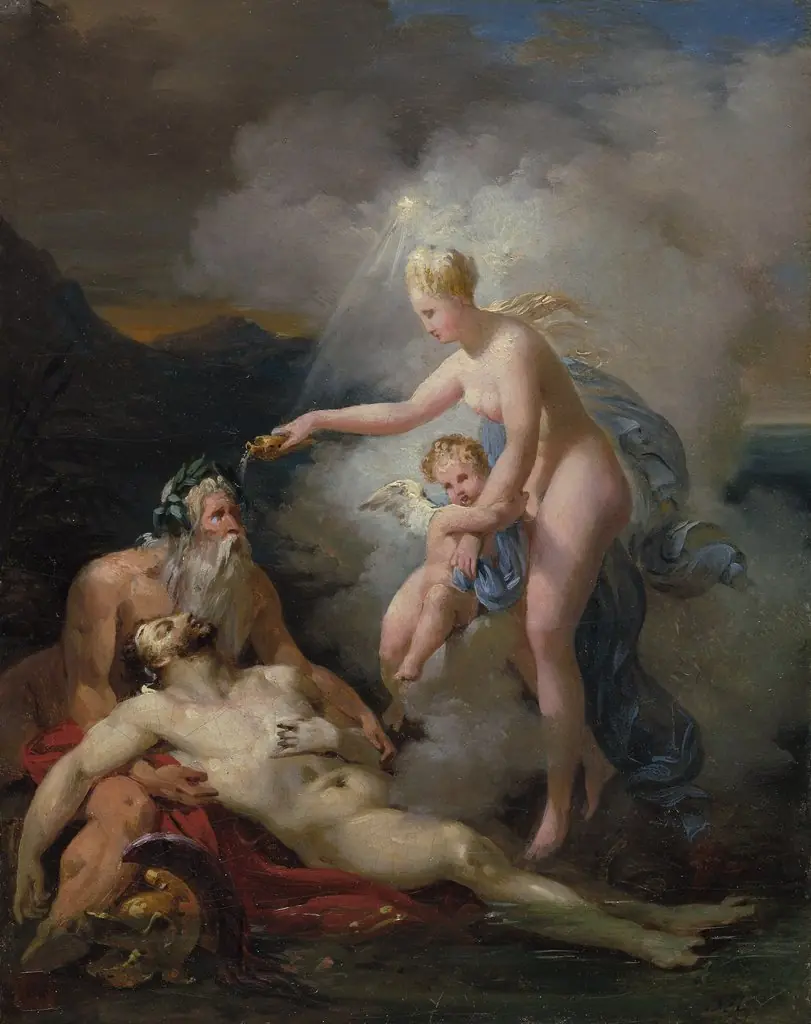 Venus Healing Aeneas
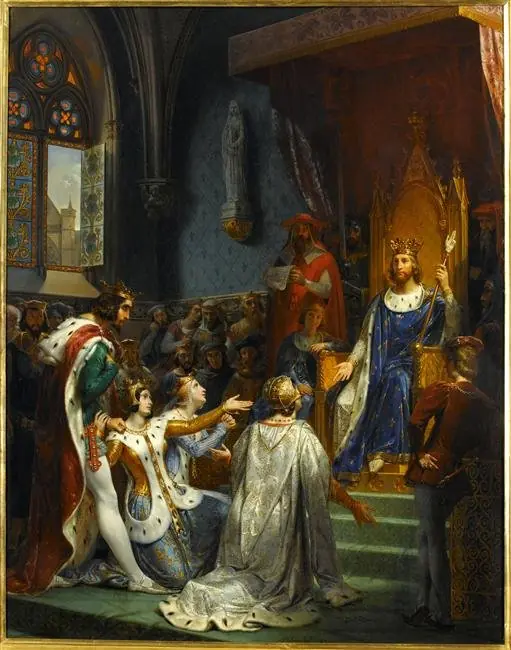 John II receives the submission of Charles II of Navarre
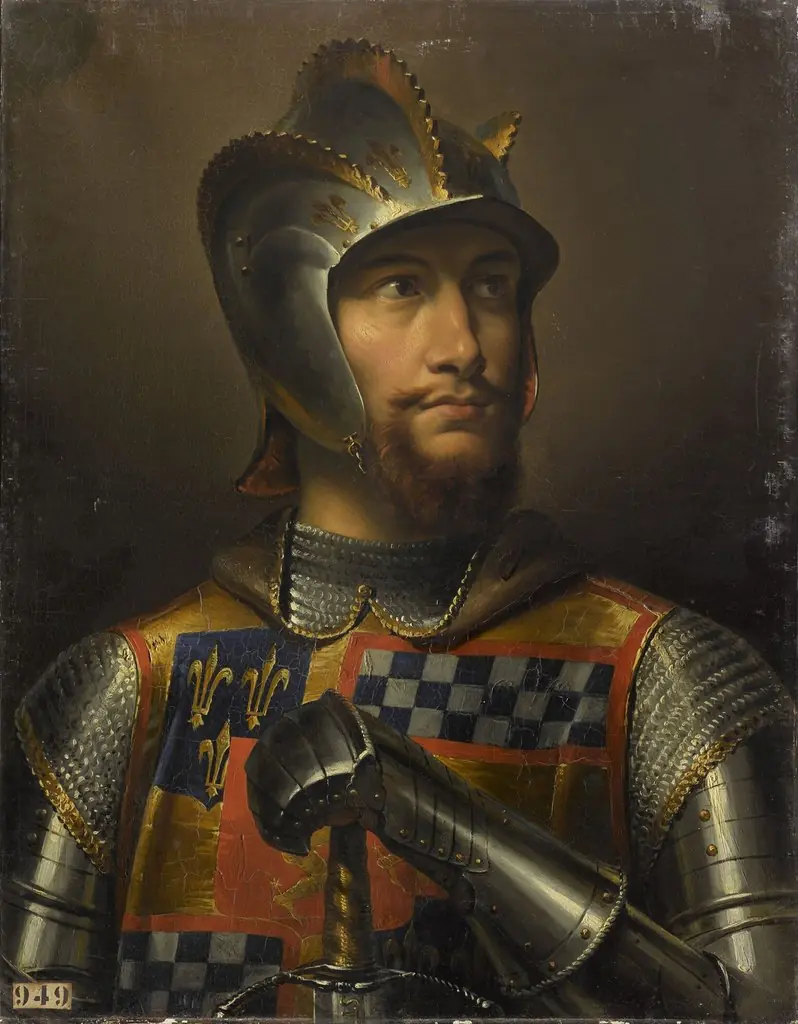 Jean II Stuart, connétable de Buchan (+ 1424)
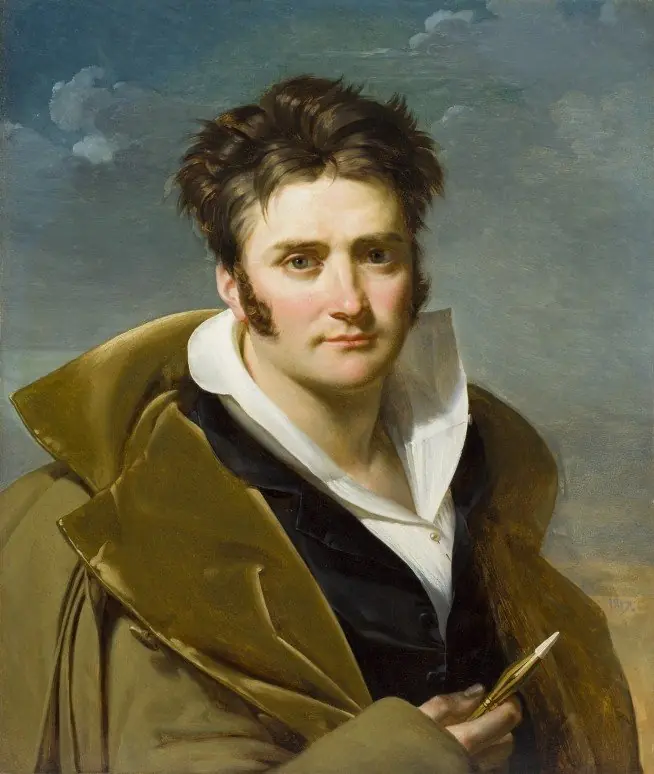 Self-portrait
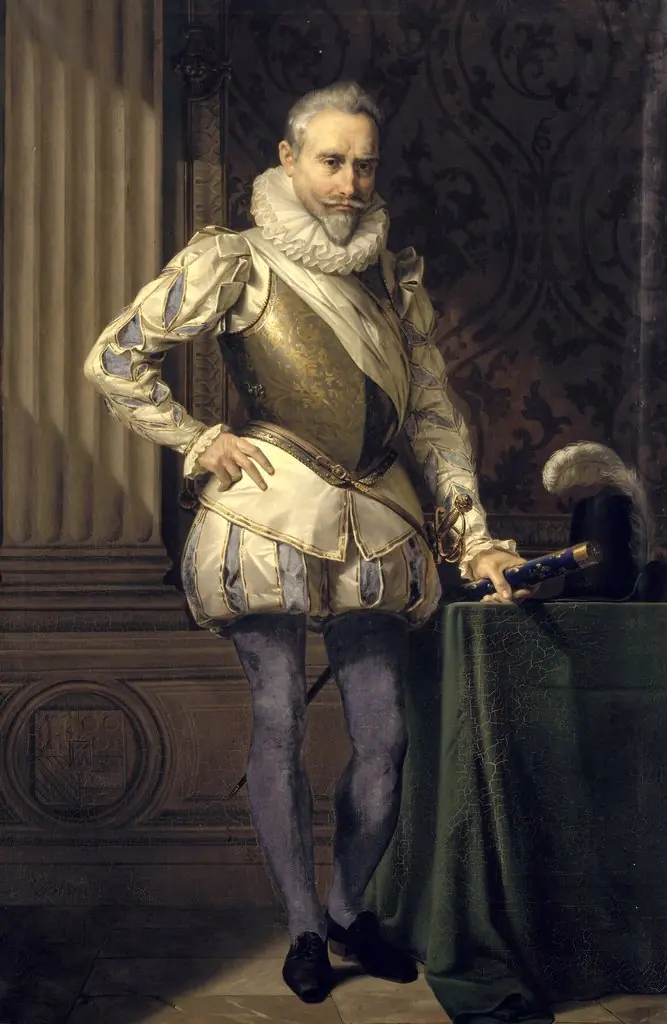 Portrait of Henri de La Tour d'Auvergne, duc de Bouillon
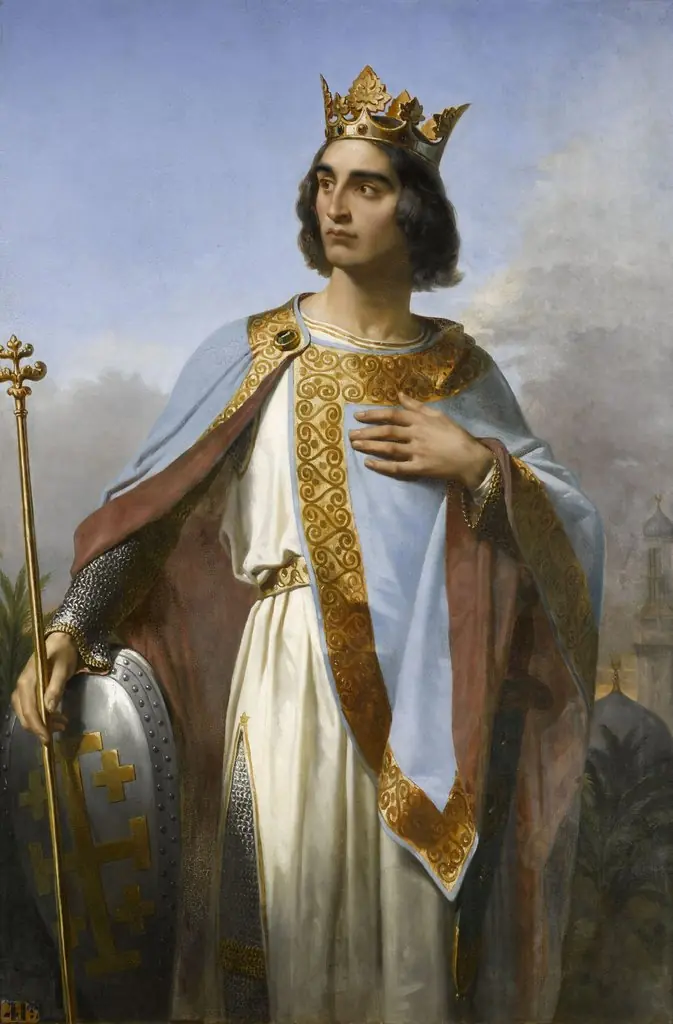 Baudouin I, King of Jerusalem
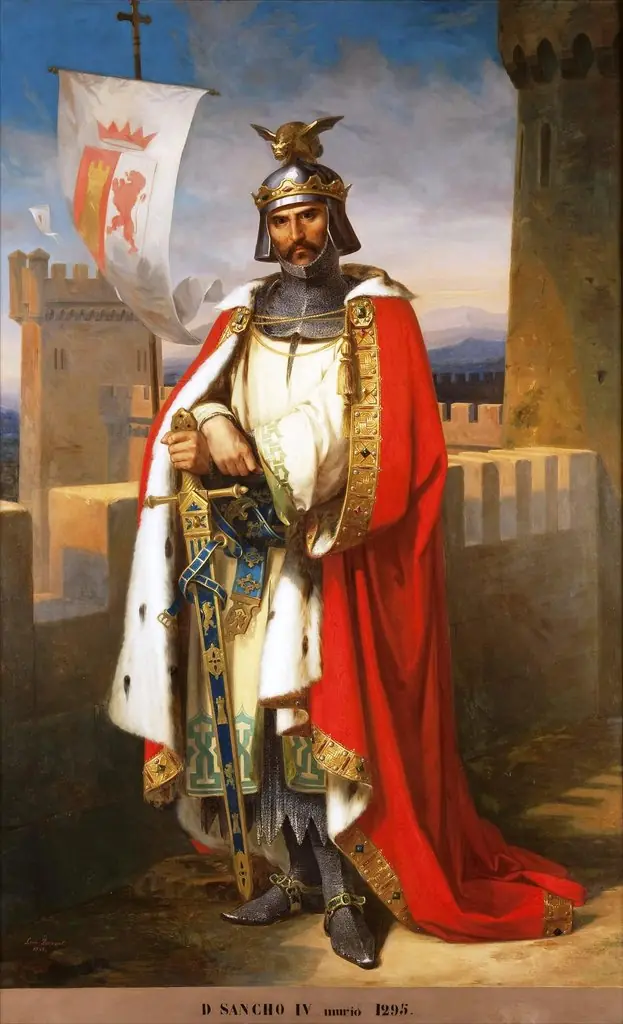 Sancho IV
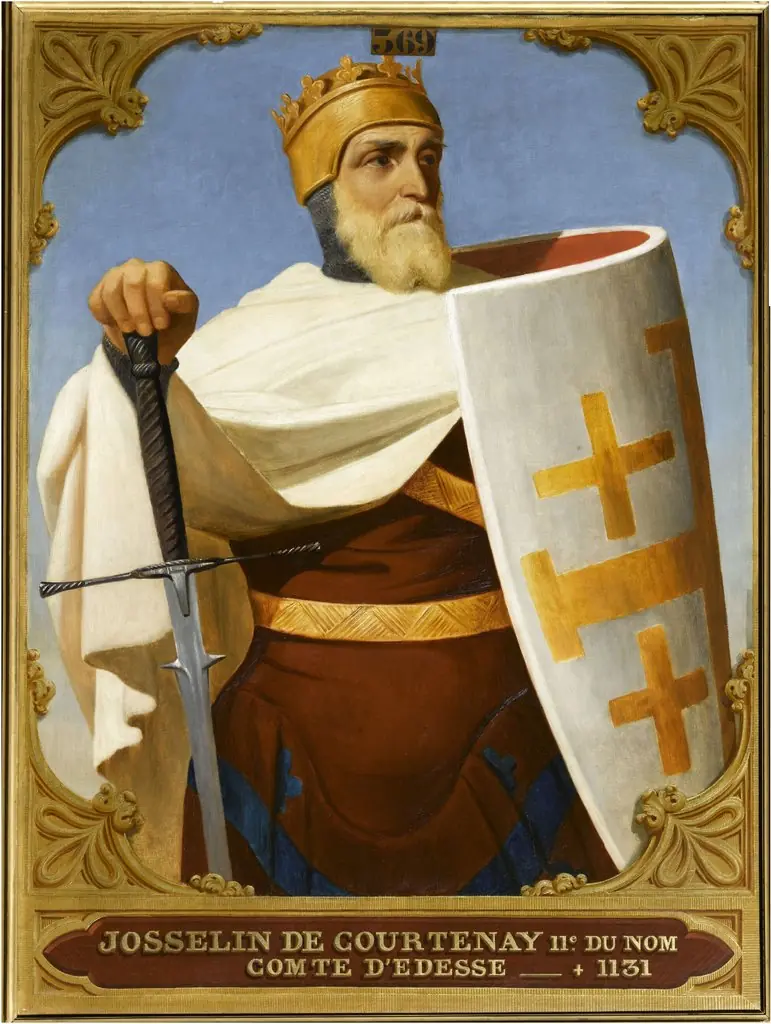 Joscelin of Courtenay
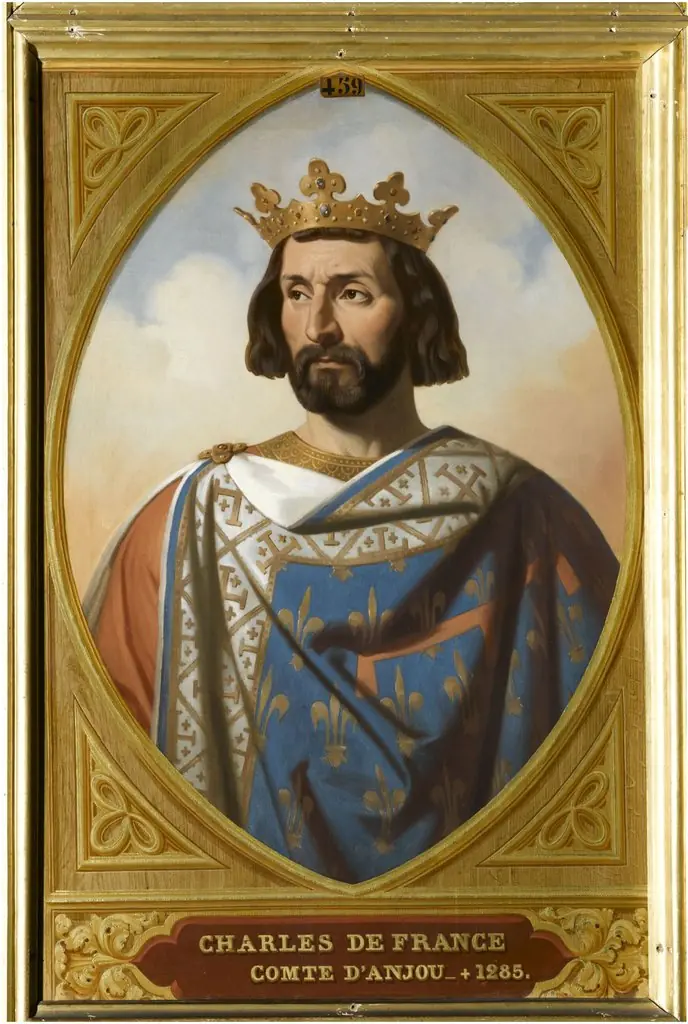 Charles de France (1220-1285), comte d'Anjou
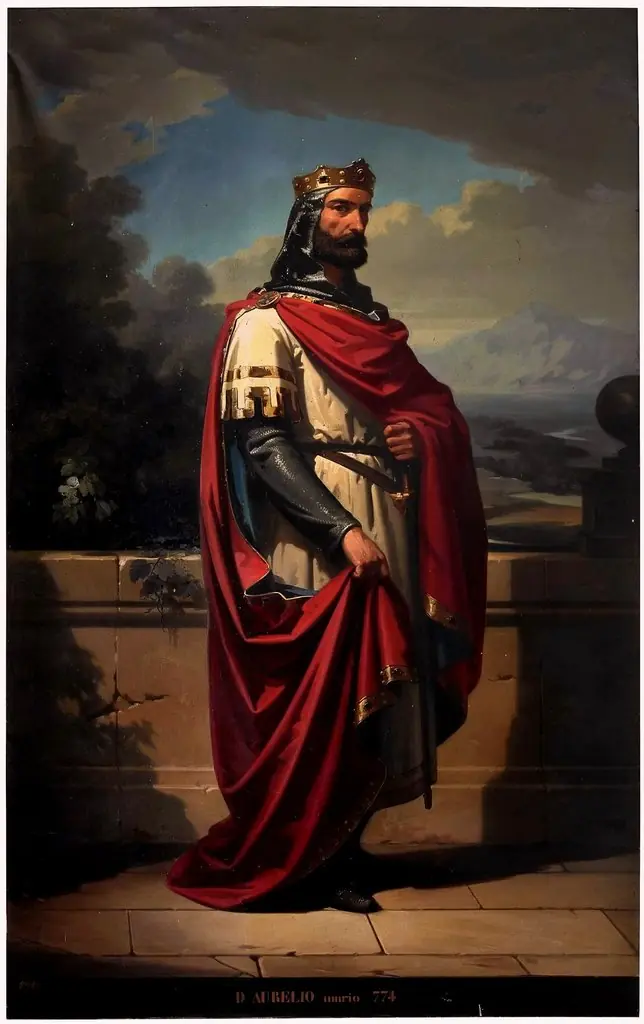 Aurelio
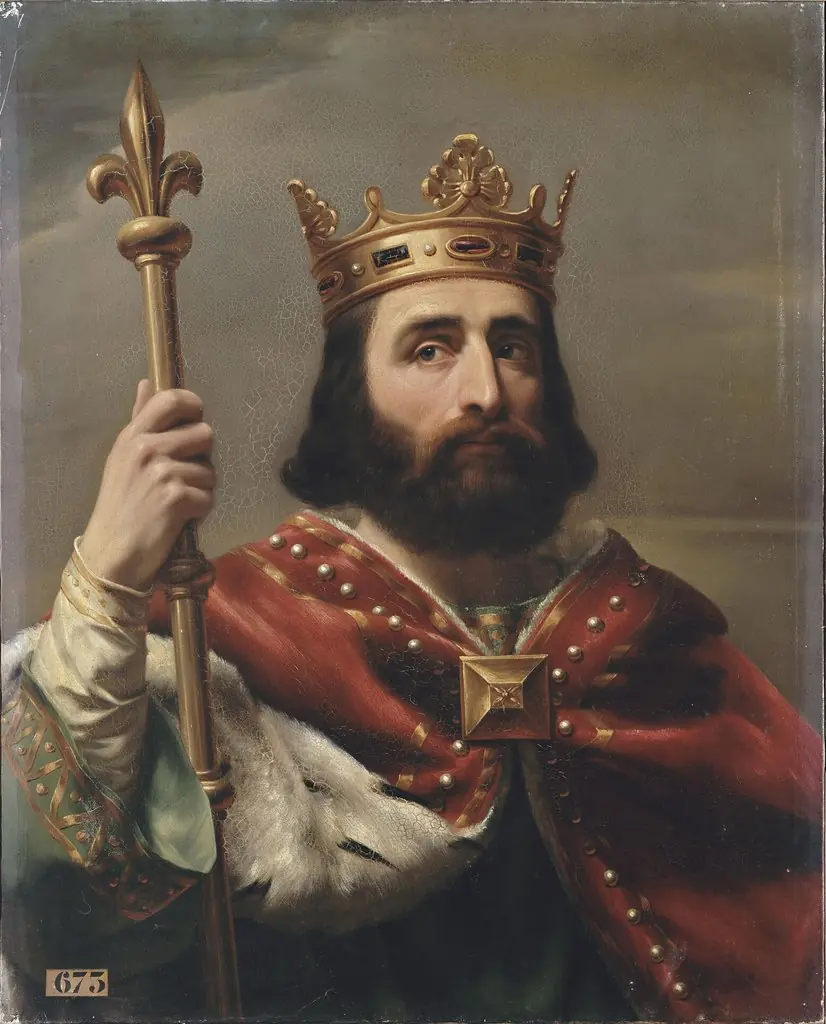 Pépin III, dit le Bref, roi des Francs (714-768)
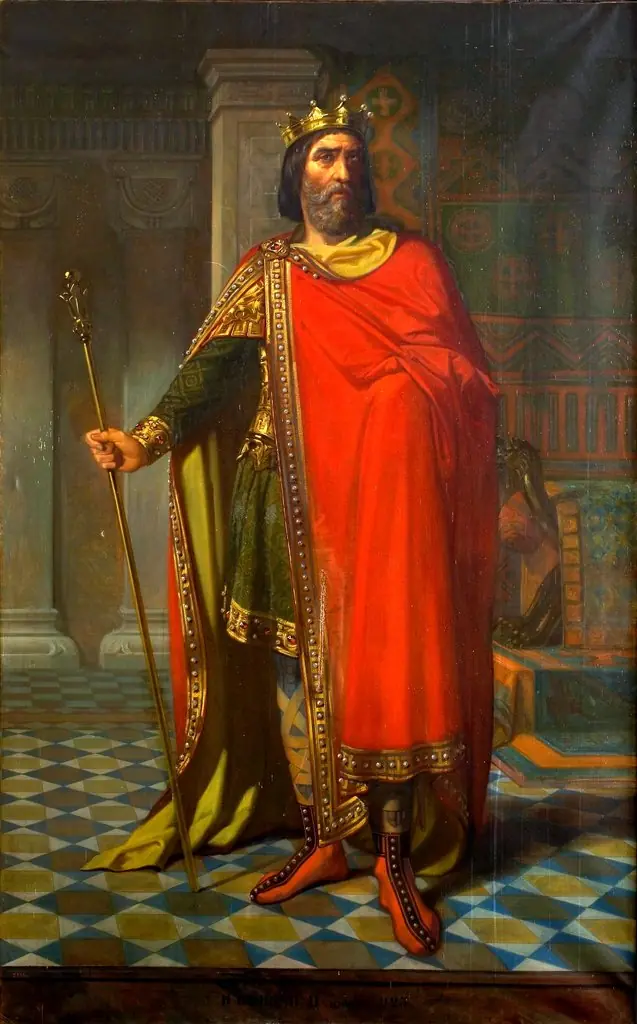 Ordoño II rey de León
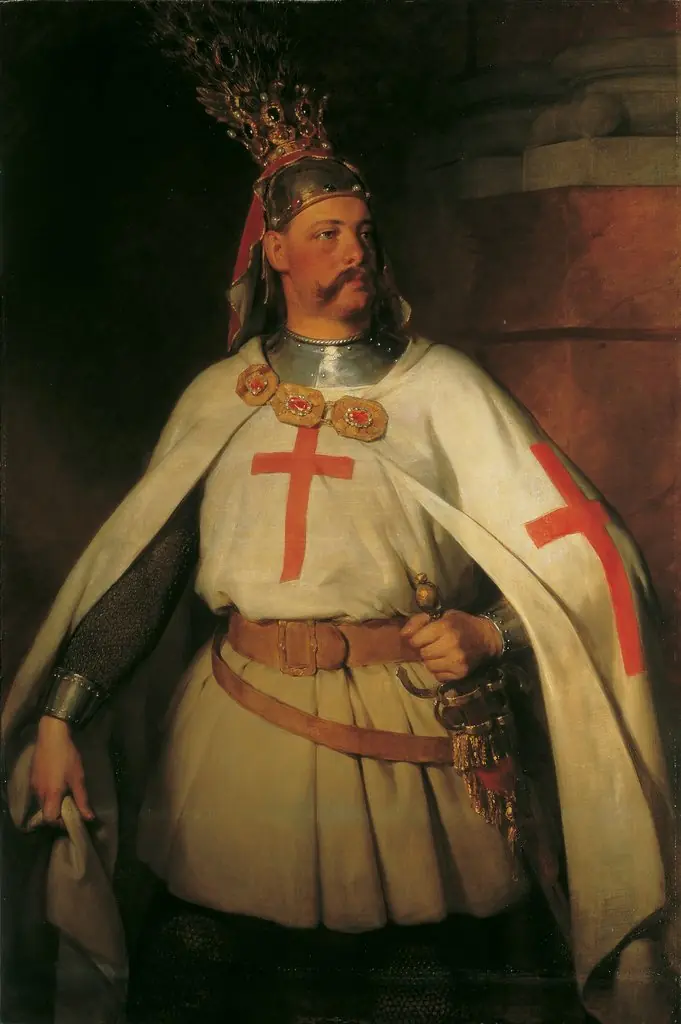 Archduke Leopold as Crusader
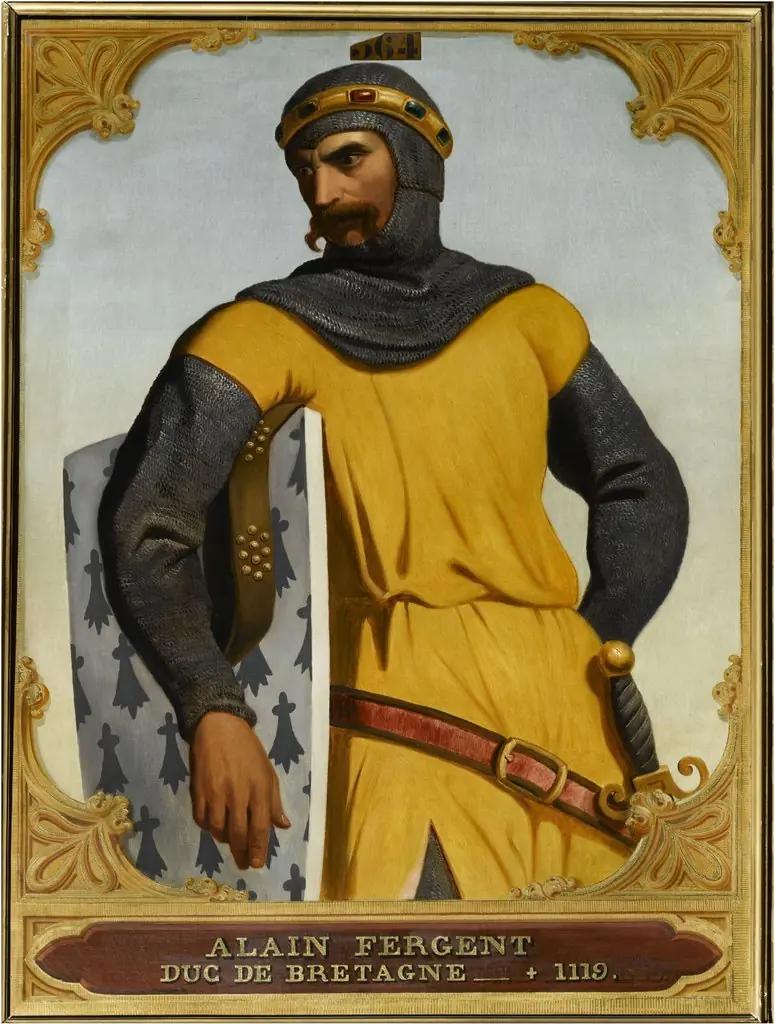 Alain IV de Bretagne, dit Fergent, duc de Bretagne
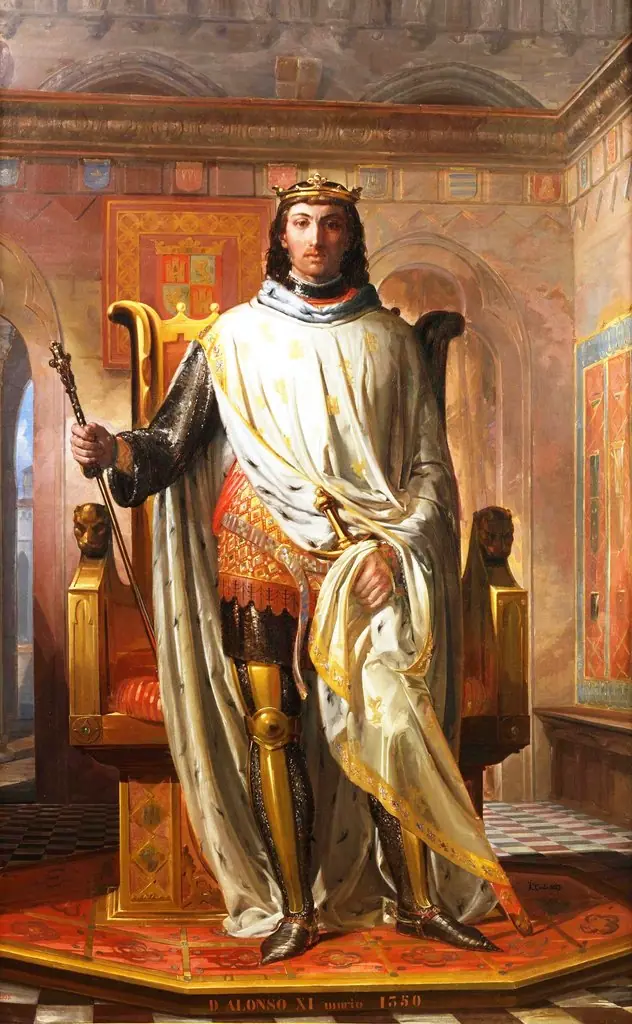 Alfonso XI
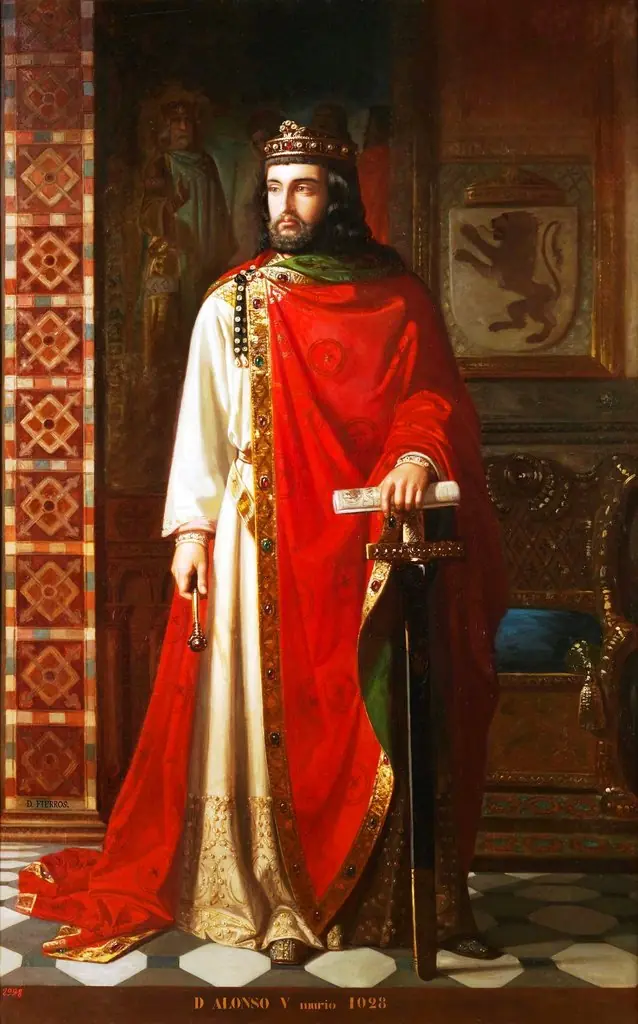 Alfonso V
 Herbert Beerbohm Tree as King John in <i>King John</i> by William Shakespeare
 Robert II, dit le pieux, roi de France (970-1031)