Artwork
Piața Sfântul Ștefan
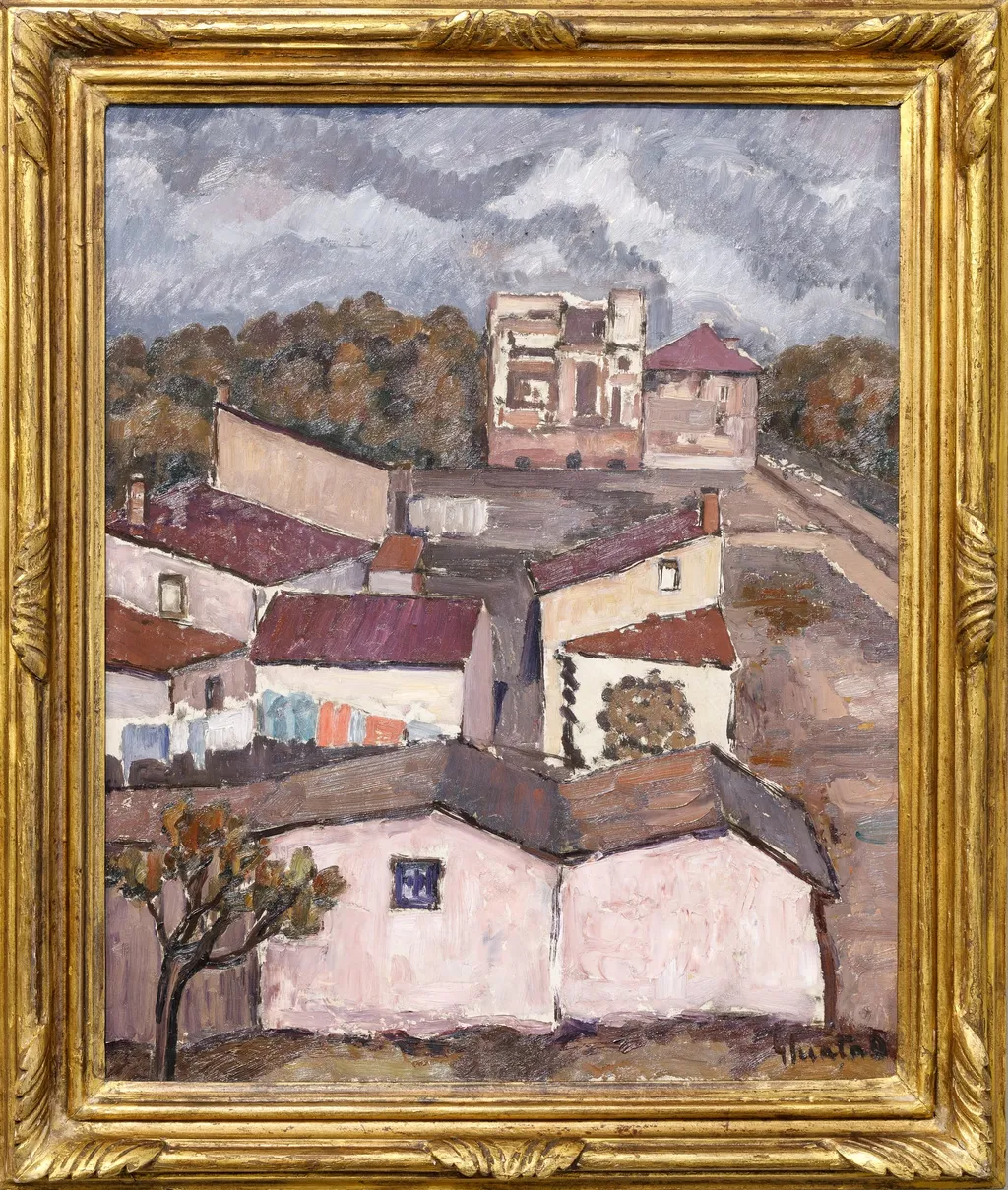
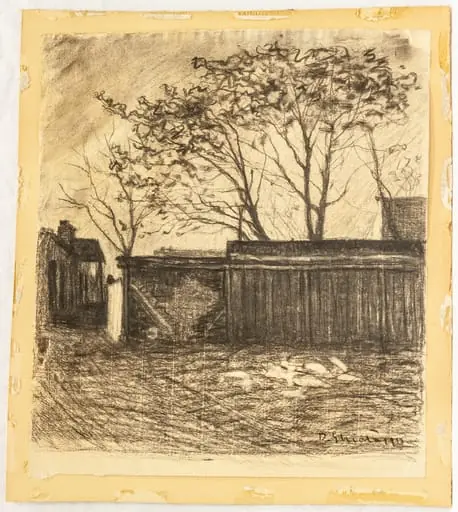
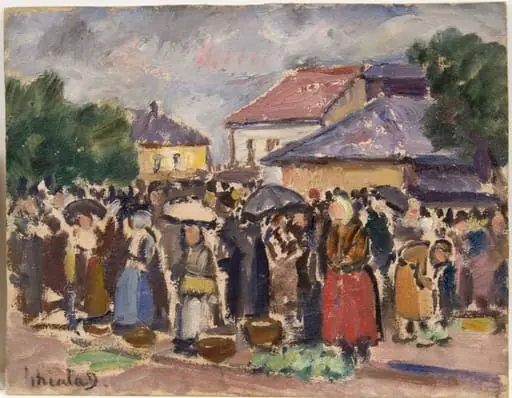
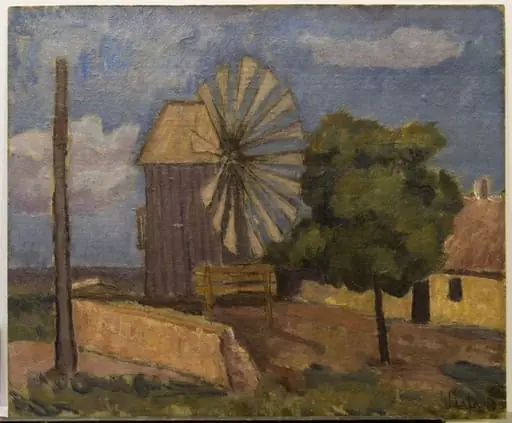
Piața Sfântul Ștefan is a print by Dimitrie Ghiață. It dates from 1927 and is held in the collection of the National Museum of Art of Romania.
About this work
Overview
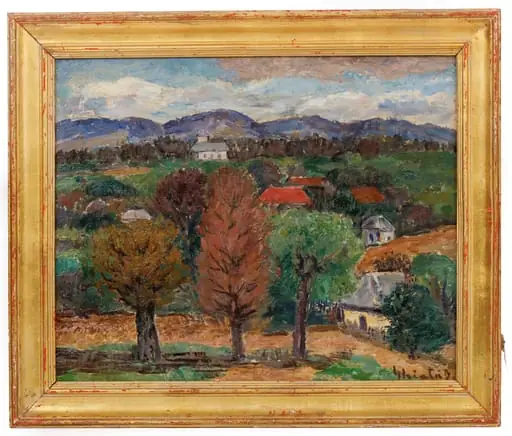
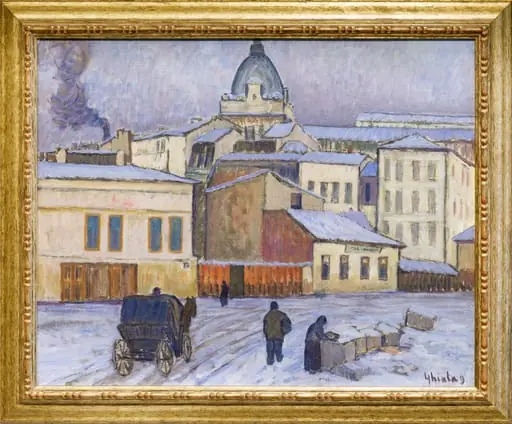
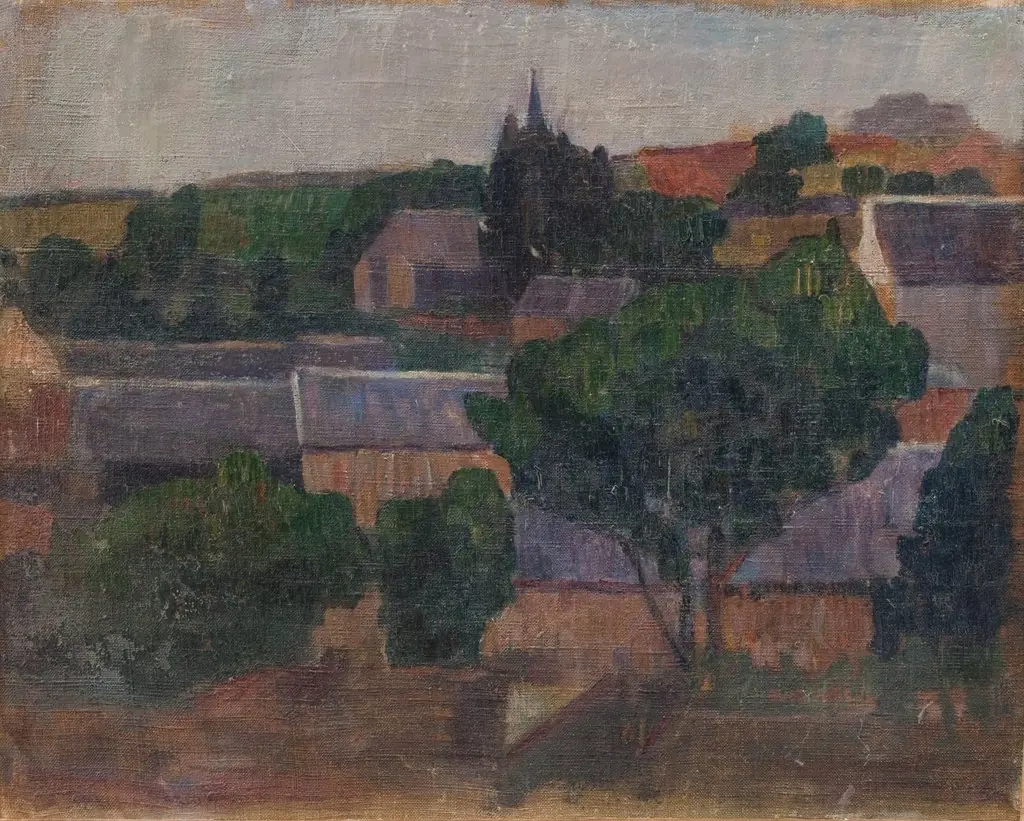
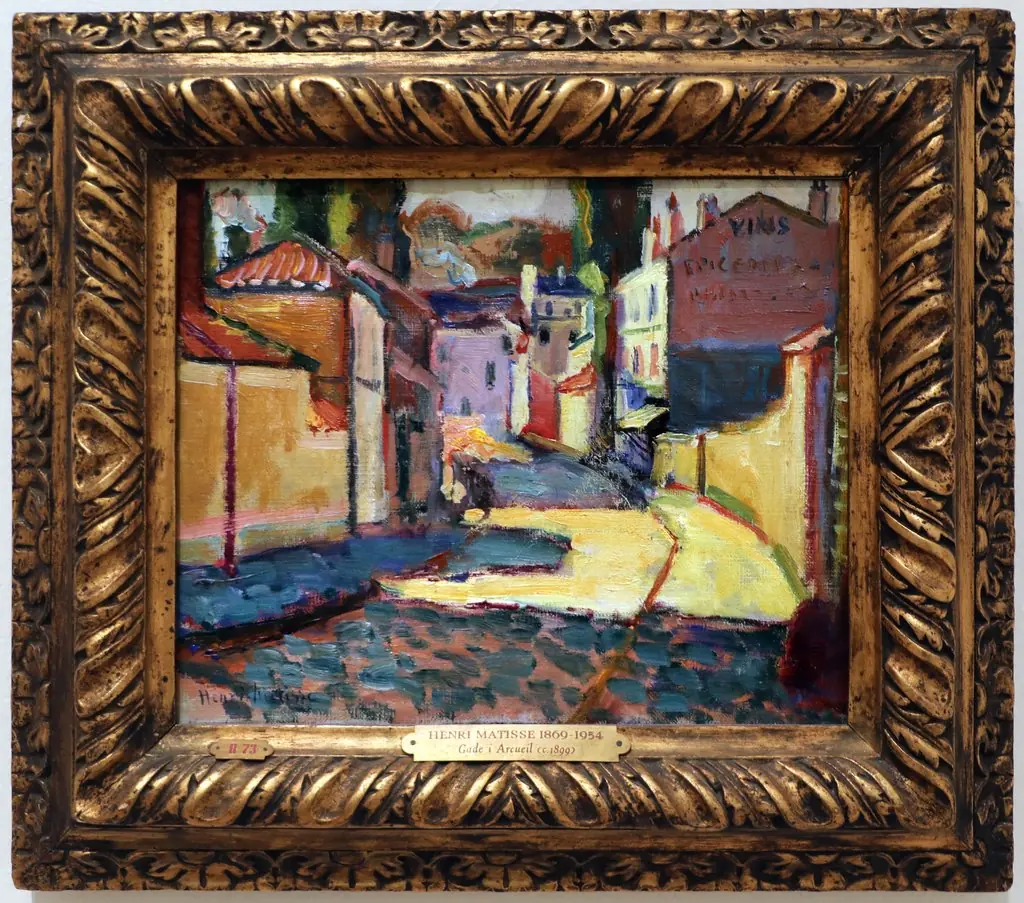
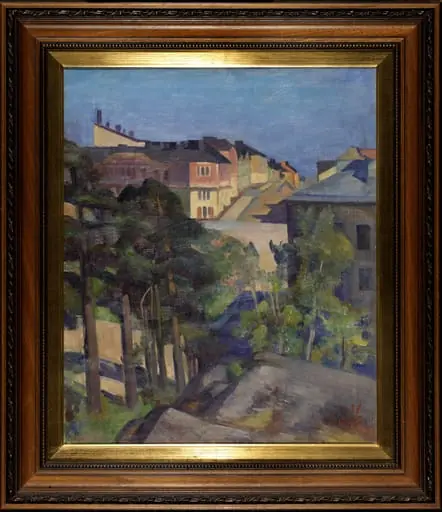
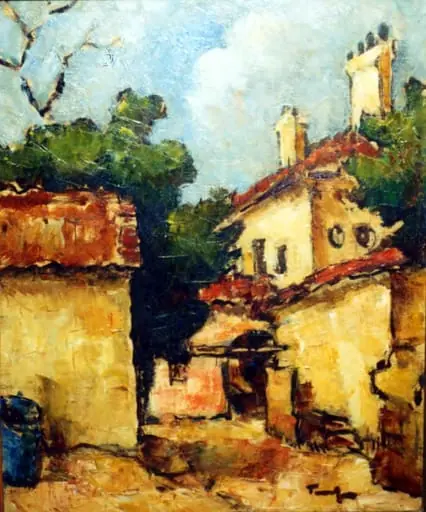
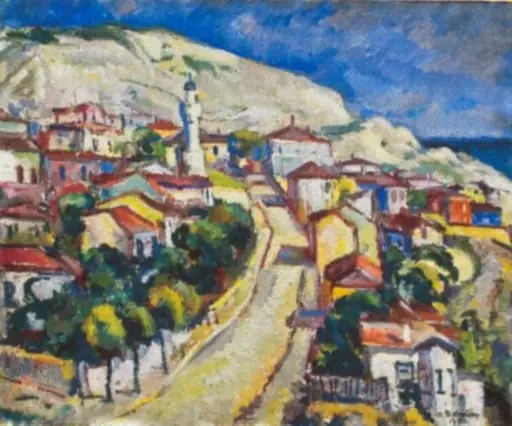
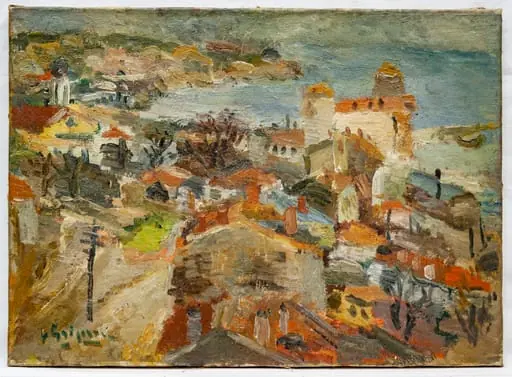
Piața Sfântul Ștefan, painted by Dimitrie Ghiață in 1927, depicts a serene hillside village scene characterized by clustered simple houses, natural surroundings, and a dominant larger building in the background.
Subject & Meaning
The subject is a tranquil, everyday village landscape, emphasizing the harmony between architecture and nature. The composition conveys a sense of quiet, late-afternoon tranquility in a rural setting.
Technique & Style
Ghiață employed thick, visible brushstrokes, imparting a textured appearance to the buildings. The color palette is warm yet muted, with predominant use of earth tones (pale pink, beige, red for roofs) set against a cloudy sky.
History & Provenance
Created in 1927 by Dimitrie Ghiață, specific provenance details are not provided in the available information.
Context
The painting reflects Ghiață's interest in capturing the essence of Romanian rural life and architecture during the interwar period, potentially influenced by contemporary European artistic movements emphasizing the everyday and the natural.
Legacy
While specific legacy details of 'Piața Sfântul Ștefan' are not provided, it contributes to the broader understanding of Ghiață's oeuvre and early 20th-century Romanian art, possibly illustrating the adoption of expressive brushwork techniques (akin to impasto) in landscape painting.
Artist & collection
Artist
Romanian printmaker whose work gathers everyday life into scenes of towns and landscapes.