Artwork
The Pink Tablecloth
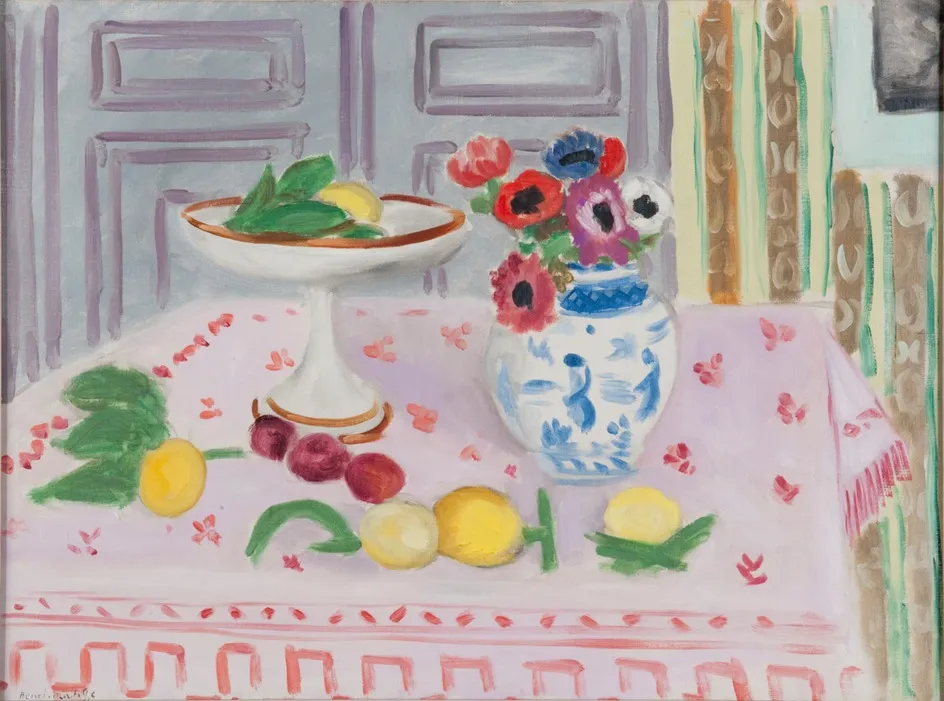
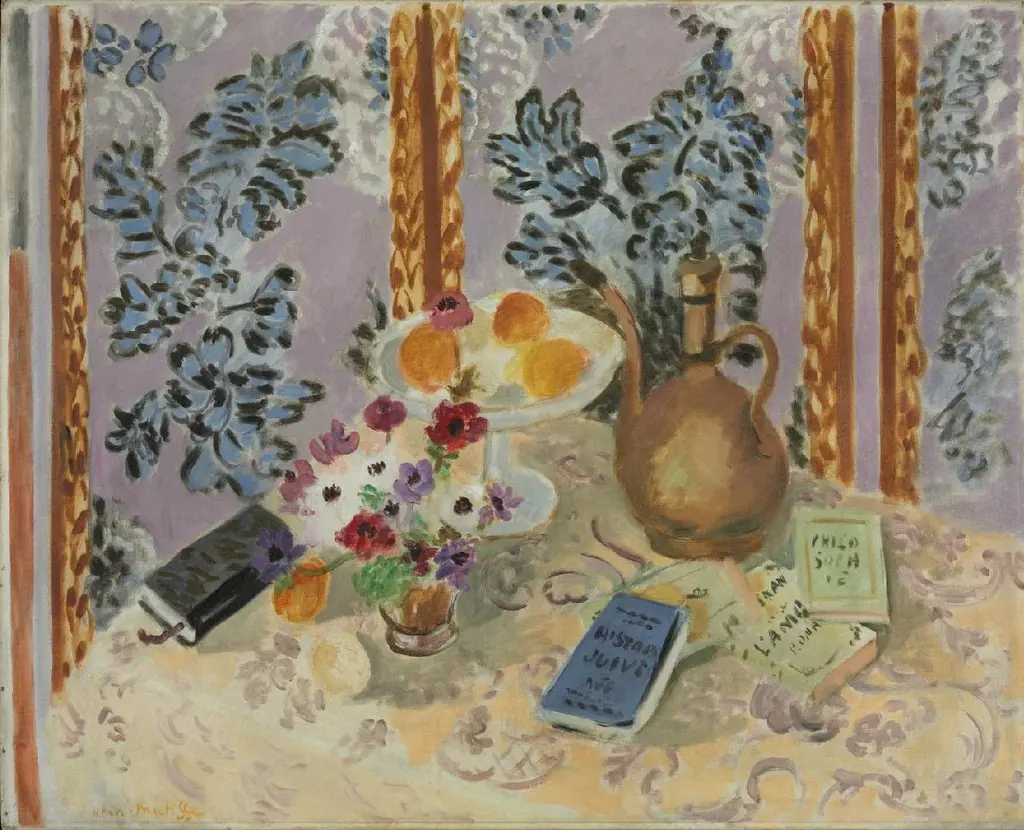
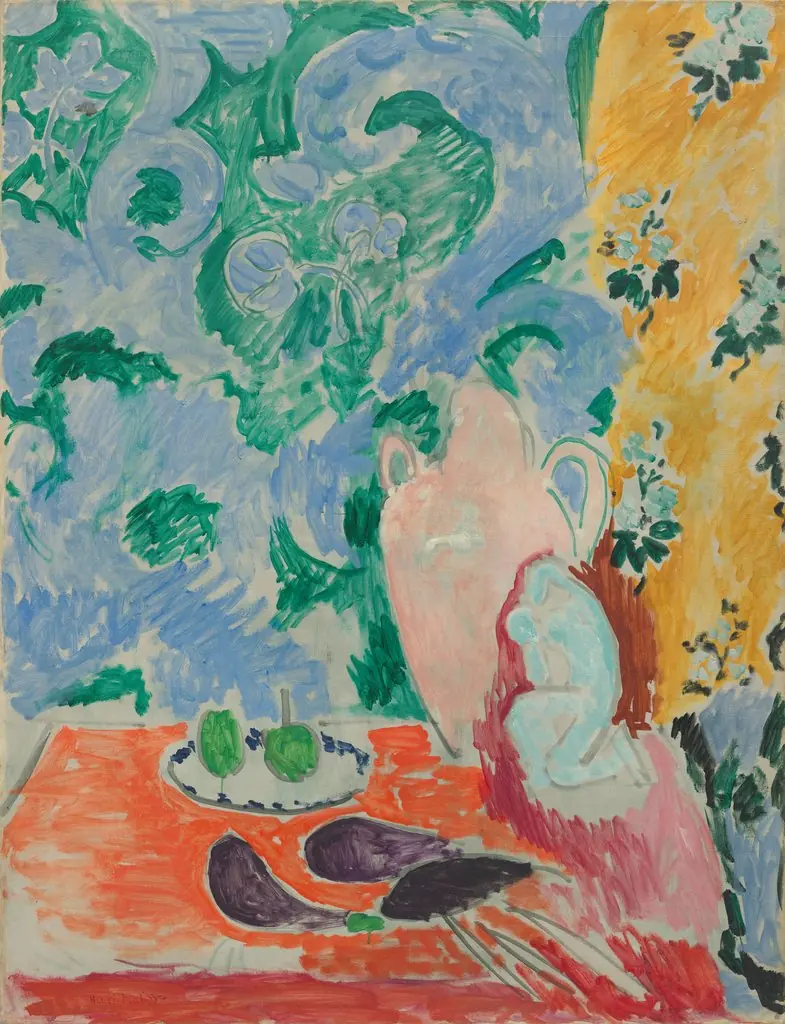
The Pink Tablecloth is an oil painting by the Post-Impressionist artist Henri Matisse. It dates from 1924 and is held in the collection of the Kelvingrove Art Gallery and Museum.
About this work
Overview
Painted in 1924, *The Pink Tablecloth* is an oil on canvas still life by Henri Matisse. It exemplifies his mature approach to domestic interiors, where everyday objects are arranged with deliberate rhythm and color harmony. The work belongs to a period when Matisse refined his decorative style, moving beyond early Fauvist intensity toward structured compositions grounded in sensory balance.
Subject & Meaning
These elements are not rendered as mere documentation but as rhythmic components in a visual symphony.
The painting presents a modest table setting: a pink cloth with red motifs, a blue-decorated vase, a brown-rimmed bowl of lemons, and scattered fruit and foliage. These elements are not rendered as mere documentation but as rhythmic components in a visual symphony. The arrangement suggests quiet contemplation, transforming the ordinary into a field of color and form that invites prolonged observation rather than narrative interpretation.
Technique & Style
Matisse employed flat planes of unmodulated color and clear outlines to define forms, avoiding traditional modeling. The tablecloth’s pattern, the curtain’s stripes, and the vase’s decoration are rendered with equal attention, creating a surface tension between realism and abstraction. Brushwork is deliberate yet unobtrusive, prioritizing color relationships over texture or depth, a hallmark of his post-impressionist evolution.
History & Provenance
Created during Matisse’s time in the south of France, the painting entered the collection of the Kelvingrove Art Gallery and Museum in Glasgow. Its acquisition reflects early 20th-century institutional interest in French modernism. While not widely exhibited, it remains a representative example of Matisse’s still-life output from the 1920s, a period marked by increased formal discipline and color experimentation.
Context
In the 1920s, Matisse was distancing himself from the radical chromatic experiments of his Fauve years, instead exploring order, repetition, and harmony. *The Pink Tablecloth* aligns with his broader interest in interior spaces as sites of visual rhythm, paralleling contemporary developments in textile design and decorative arts. His work during this time influenced European modernism’s shift toward structured abstraction.
Legacy
The painting contributes to the understanding of Matisse’s sustained engagement with still life as a vehicle for formal inquiry. Its integration of pattern, color, and spatial ambiguity influenced later generations of artists exploring the boundaries between painting and design. Though less celebrated than his larger works, it endures as a quiet testament to his belief in art as a harmonious, sensory experience.
Artist & collection
Artist
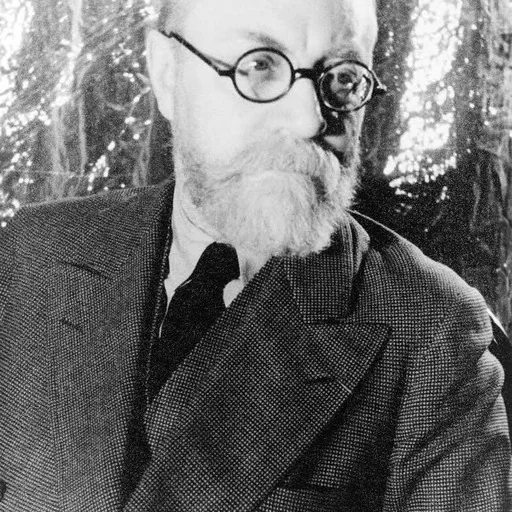
Henri Émile Benoît Matisse (French: ; 31 December 1869 – 3 November 1954) was a French visual artist, known for both his use of colour and his fluid and original draughtsmanship.