Artwork
Histoires juives
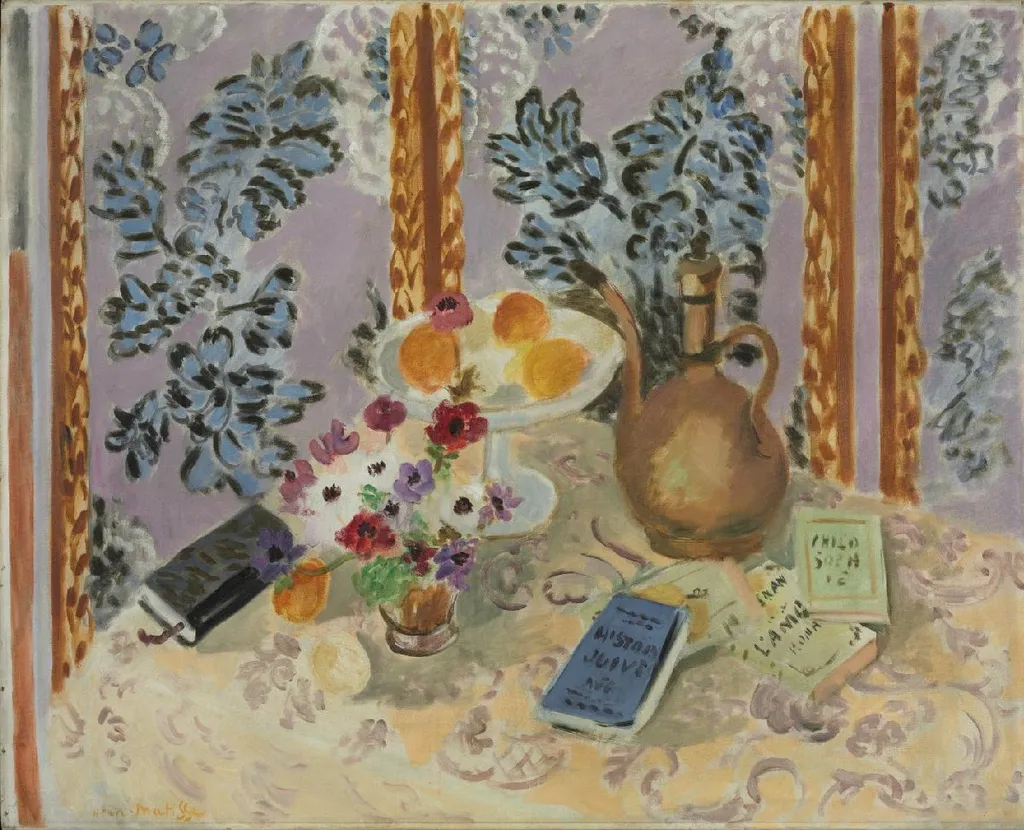
Histoires juives is an oil painting by the Post-Impressionist artist Henri Matisse. It dates from 1924 and is held in the collection of the Philadelphia Museum of Art.
About this work
Overview
Though often associated with Fauvism, this work reflects a quieter, more introspective phase of his career.
Henri Matisse completed *Histoires juives* in 1924 as an oil painting on canvas. Though often associated with Fauvism, this work reflects a quieter, more introspective phase of his career. The composition centers on a domestic still life, arranged with deliberate simplicity. It resides in the Philadelphia Museum of Art’s collection, acquired after its creation during a period of renewed focus on interior spaces and quiet observation.
Subject & Meaning
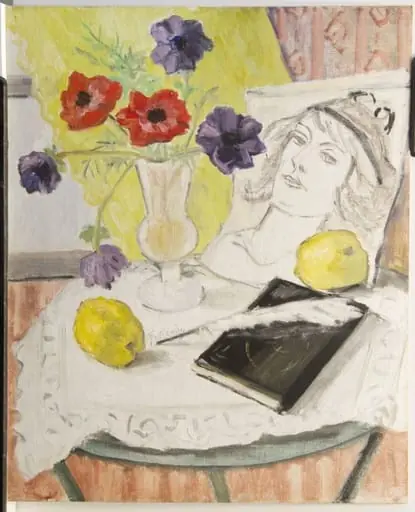
The painting presents a modest table setting: a vase of flowers, an open book, and a window framed by draped curtains. No overt narrative is given, but the arrangement suggests contemplation—perhaps a moment of stillness after reading or prayer. The title, meaning 'Jewish Stories,' invites interpretation without explicit reference, leaving the meaning open to the viewer’s perception of intimacy and cultural memory.
Technique & Style
Matisse employs oil paint with restrained brushwork, favoring flat planes of color over detailed modeling. Light falls softly across surfaces, creating subtle contrasts that suggest volume without heavy chiaroscuro. The palette is muted—earthy ochres, soft greens, and pale blues—contrasting with his earlier vibrant Fauvist works. Lines are deliberate but unobtrusive, guiding the eye through the composition with calm precision.
History & Provenance
Painted during Matisse’s time in the south of France, *Histoires juives* emerged from a period of personal reflection following World War I. It entered the Philadelphia Museum of Art’s collection in the mid-20th century, likely through a private acquisition or donation. Its provenance remains modest compared to his more celebrated works, but it is consistently documented in scholarly catalogs of his oeuvre.
Context
In 1924, Matisse was moving away from the explosive color of his Fauvist years toward a more structured, lyrical approach. This painting aligns with his growing interest in interior scenes and the emotional resonance of everyday objects. Contemporary artists like Picasso were exploring fragmentation; Matisse, by contrast, sought harmony and stillness, reflecting a broader shift in modernist sensibilities toward introspection.
Legacy
Though less widely exhibited than his larger compositions, *Histoires juives* exemplifies Matisse’s enduring ability to convey depth through simplicity. It influenced later generations of artists interested in the quiet power of domestic space and the expressive potential of restrained palettes. The work remains a quiet testament to his belief that art could evoke emotion without spectacle.
Artist & collection
Artist
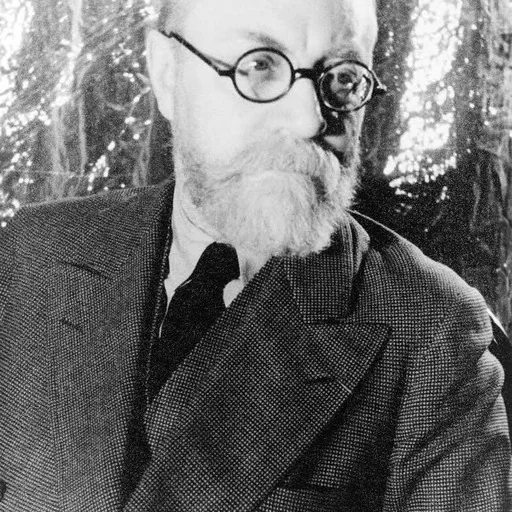
Henri Émile Benoît Matisse (French: ; 31 December 1869 – 3 November 1954) was a French visual artist, known for both his use of colour and his fluid and original draughtsmanship.

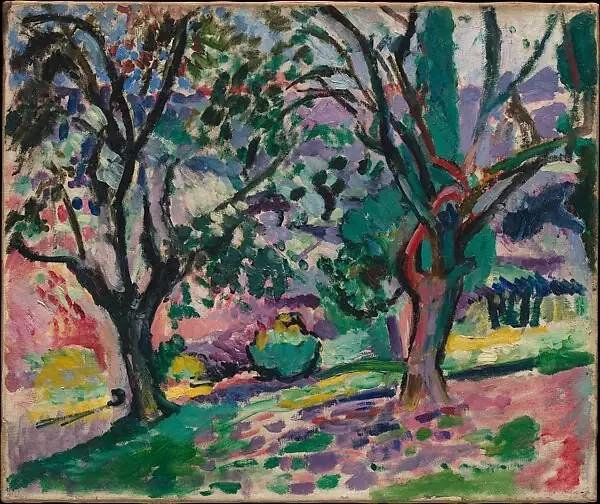
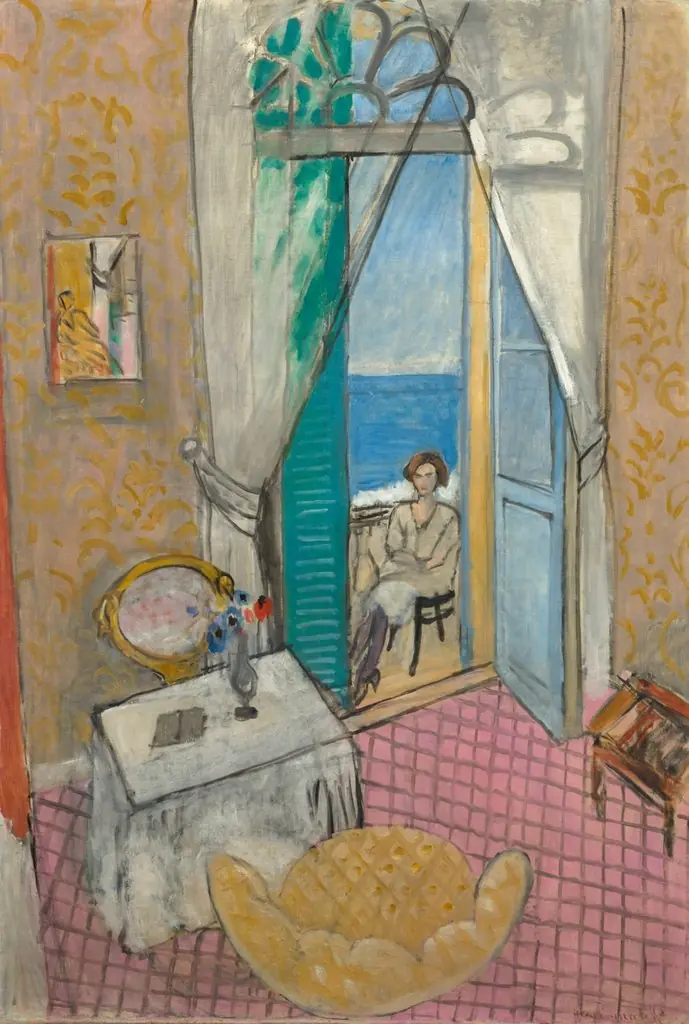
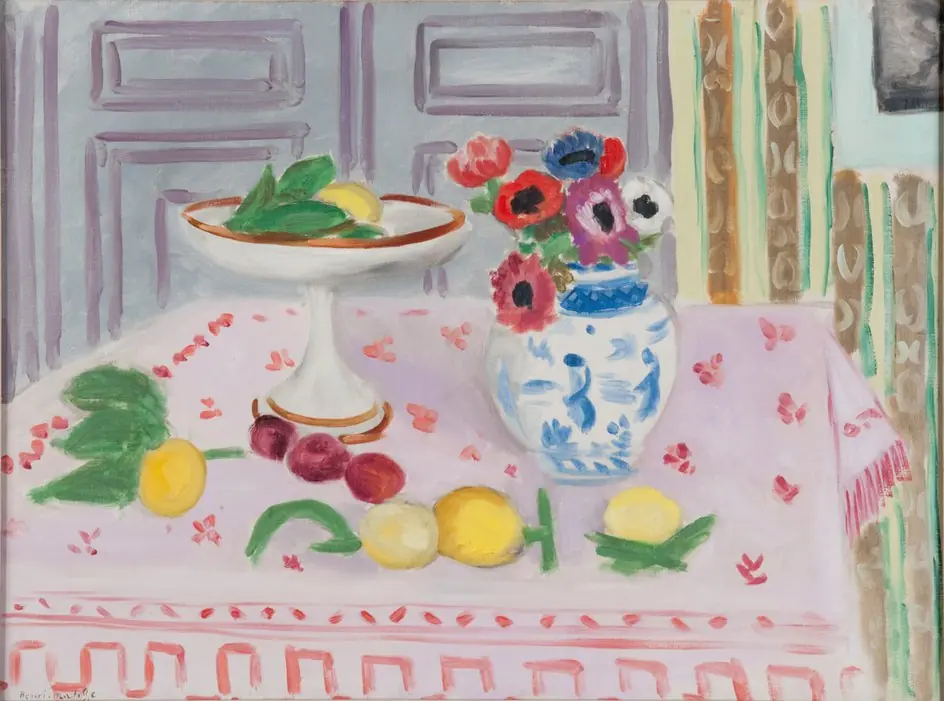 The Pink Tablecloth
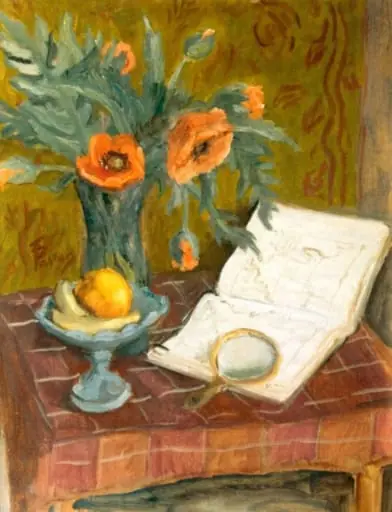 Flori de mac
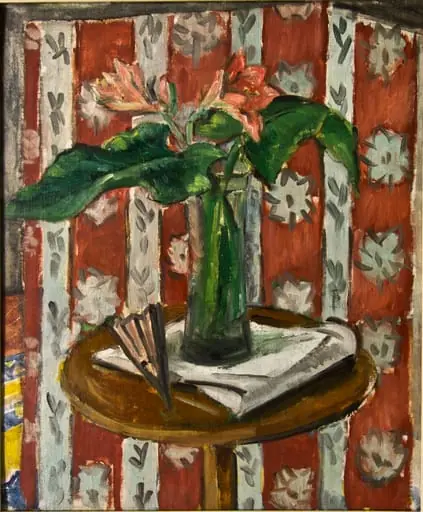 Natură statică cu crini roșii
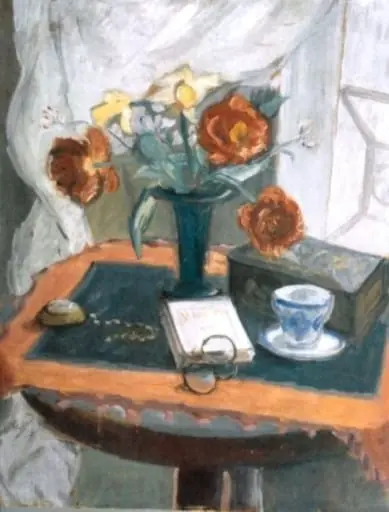 Natură statică cu bujori, ceas
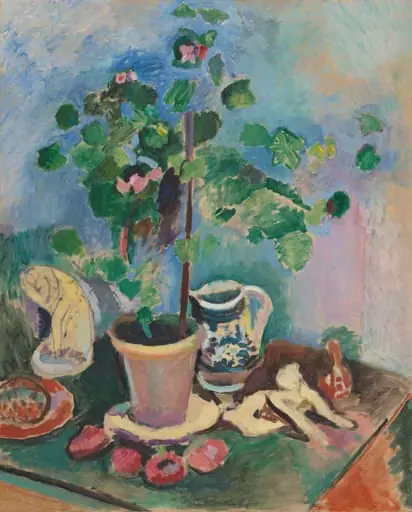 Still Life with Geranium
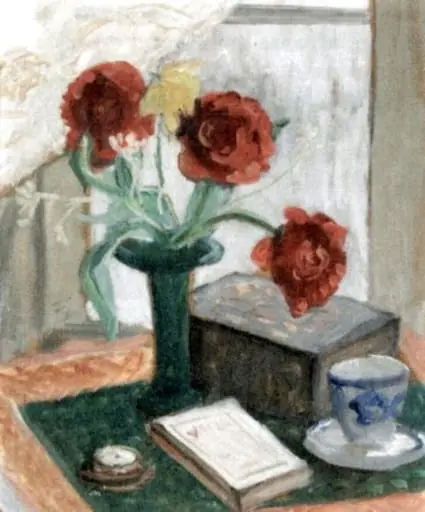 Natură statică
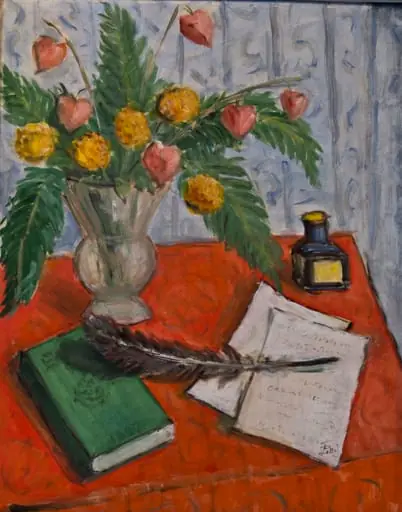 Natură statică cu flori și carte verde
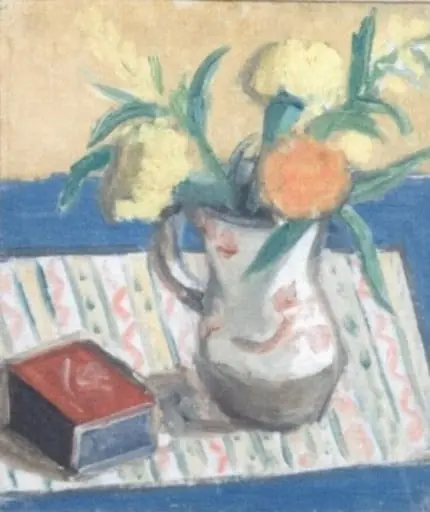 Natură moartă (Ulcică cu flori și chibrituri)
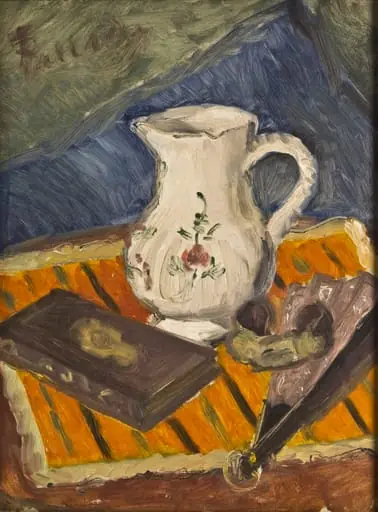 Natură statică cu cană și evantai
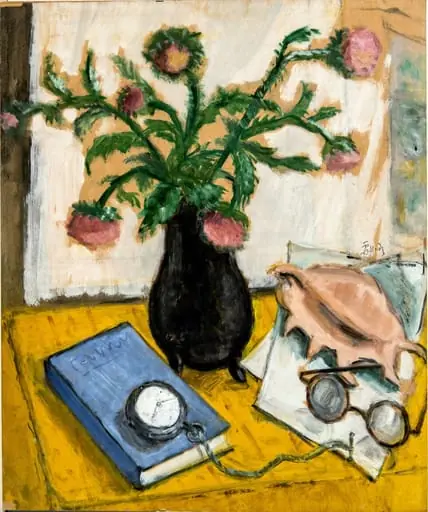 Vas cu flori de scaieți
 Natura statică cu anemone
 Natură statică cu păpușă