Artwork
Choir Stalls in a Spanish Cathedral
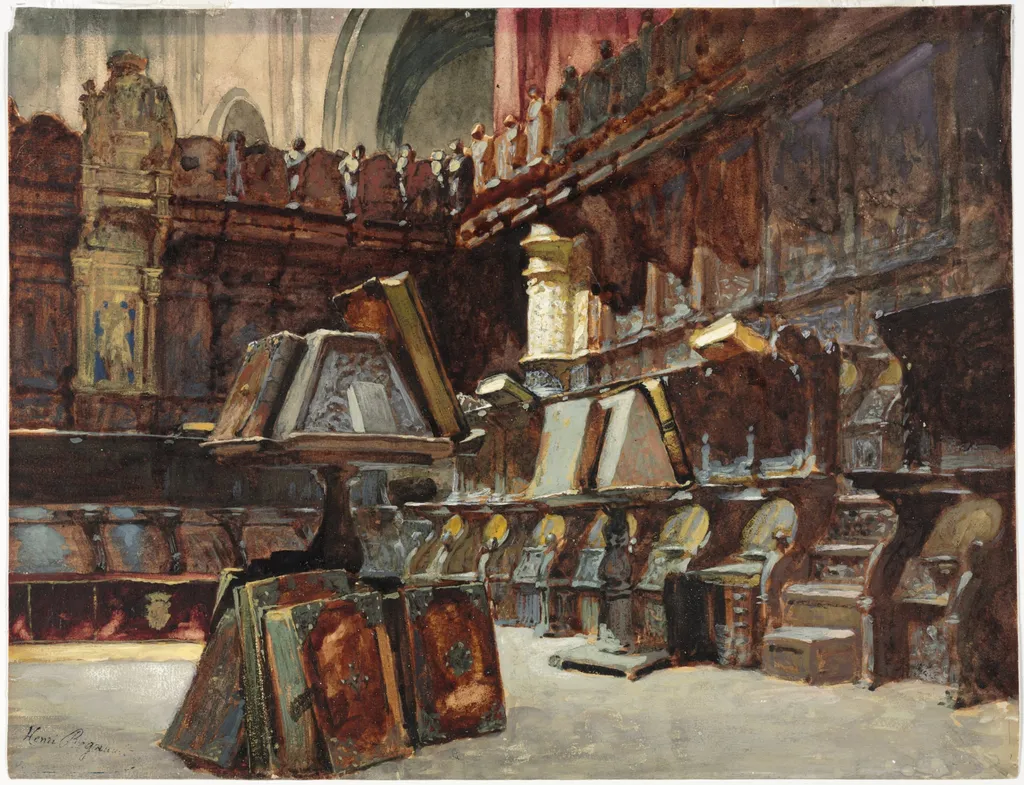
Choir Stalls in a Spanish Cathedral is a drawing by the Impressionist artist Henri Regnault. It dates from 1868 and is held in the collection of the Cleveland Museum of Art.
About this work
Overview
The work is part of the collection at The Cleveland Museum of Art, where it is valued for its precise rendering of light and texture within a sacred setting.
Henri Regnault created this drawing around 1868, capturing the interior of a Spanish cathedral’s choir area. Executed in a detailed, tonal medium, it focuses on the architectural and atmospheric qualities of the space rather than human figures. The work is part of the collection at The Cleveland Museum of Art, where it is valued for its precise rendering of light and texture within a sacred setting.
Subject & Meaning
The subject is a solitary choir stall, its carved woodwork rendered with careful attention to detail. The absence of people emphasizes stillness and solitude, suggesting a space designed for reflection rather than performance. The dim interior, pierced by a narrow beam of light, evokes a meditative quietude, aligning with the contemplative function of cathedral choirs in religious ritual.
Technique & Style
Regnault employed chiaroscuro to model the wooden carvings and stone surfaces, enhancing their three-dimensionality. The contrast between the deep shadows of the stall and the soft glow from the distant window creates a sense of spatial depth. His technique favors subtle gradations of tone over bold lines, resulting in a hushed, almost photographic realism that prioritizes atmosphere over narrative.
History & Provenance
The drawing was made during Regnault’s travels in Spain, a period when he studied Iberian architecture and religious interiors. It entered the Cleveland Museum of Art’s collection in the 20th century, likely through a private acquisition or bequest. Its preservation reflects early interest in 19th-century European artists’ engagement with Spanish ecclesiastical spaces.
Context
In the late 1860s, European artists increasingly turned to historical and religious architecture for inspiration, seeking authenticity beyond studio conventions. Regnault’s focus on a single choir stall aligns with broader trends in academic drawing, where observation of real spaces replaced idealized compositions. This work reflects a shift toward intimate, site-specific studies within the broader tradition of travel sketching.
Legacy
Though not widely exhibited, the drawing remains a significant example of Regnault’s early work, demonstrating his skill in capturing light and materiality. It contributes to the understanding of how 19th-century French artists interpreted Spanish religious architecture, offering a quiet counterpoint to the more dramatic historical paintings for which he is better known.
Artist & collection
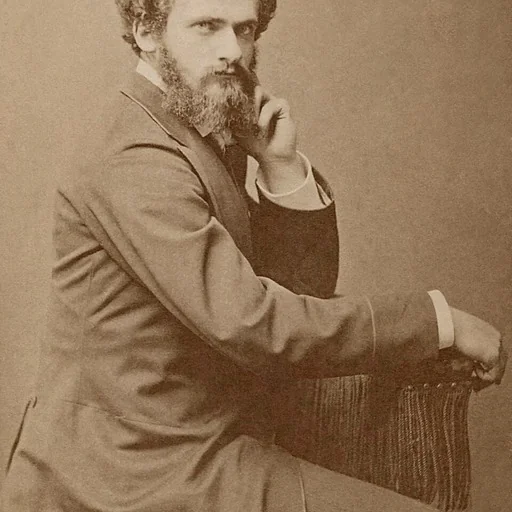
Artist
Born in Paris on October 31, 1843, Henri-Georges-Alexandre Regnault was the son of Henri Victor Regnault, the celebrated chemist and professor at the Collège de France.



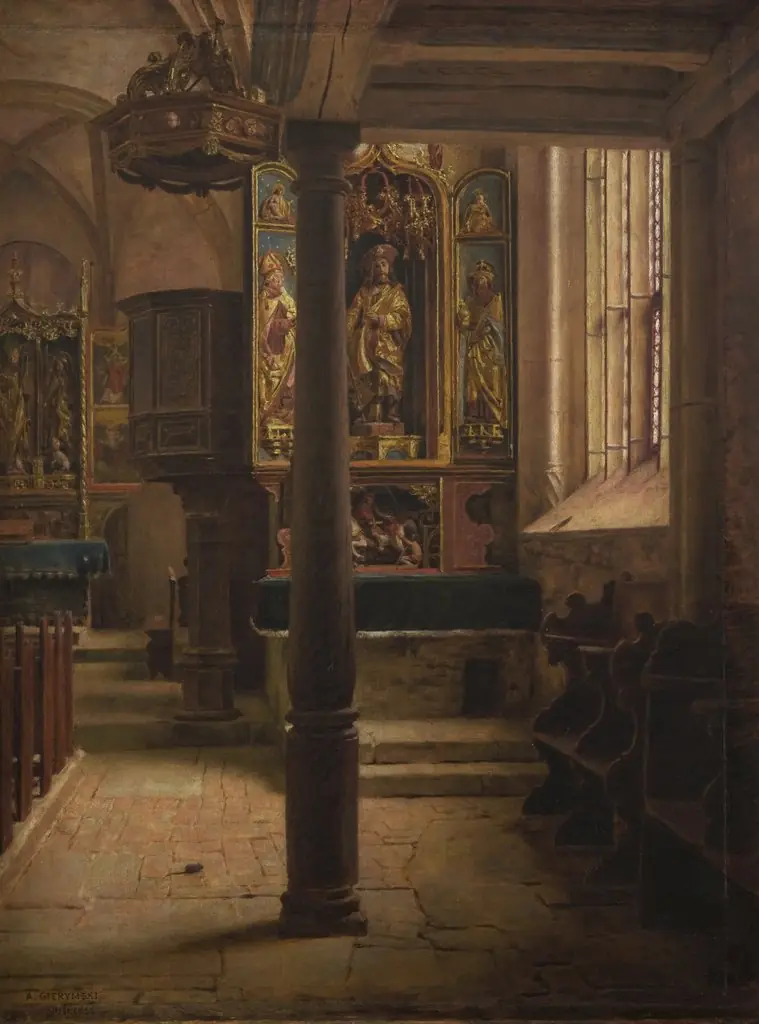 Interior of St Wolfgang's Church in Rothenburg
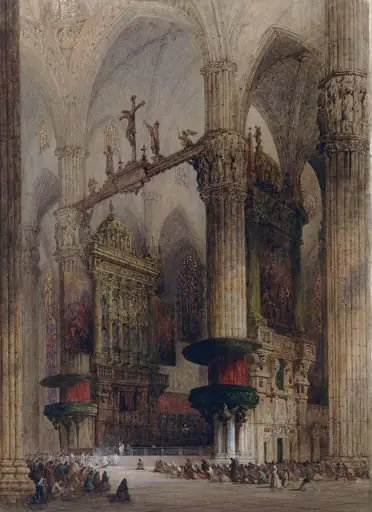 Interior of Milan Cathedral
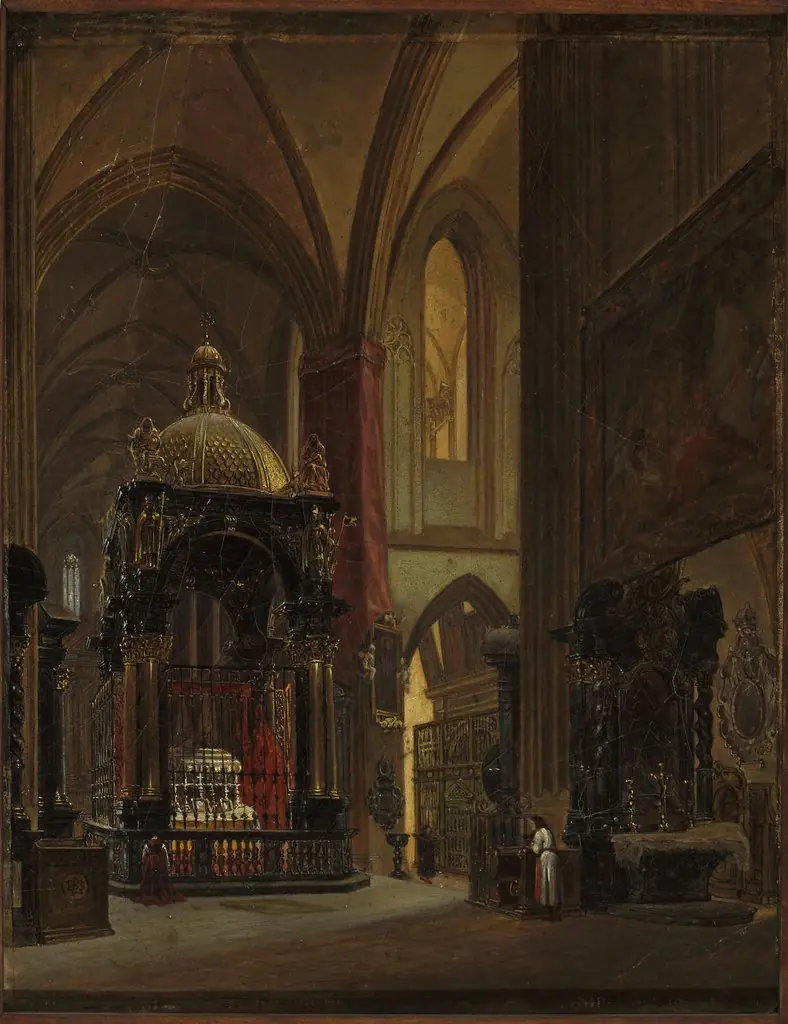 Interior of the Wawel Cathedral
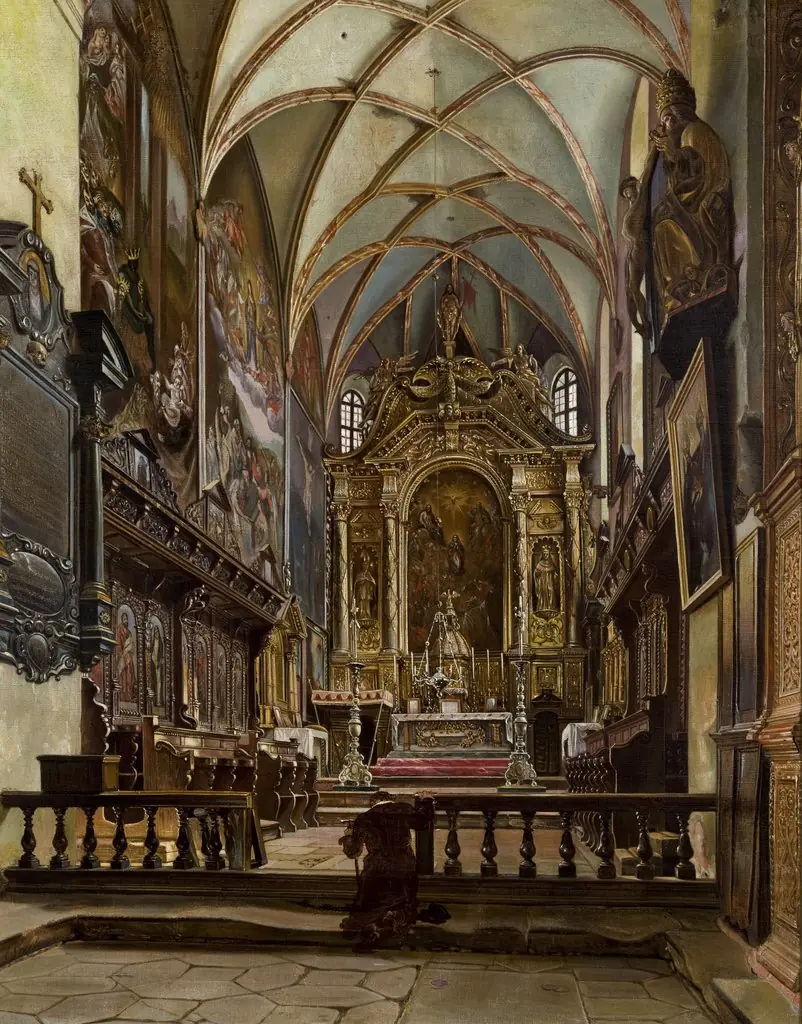 Interior of the Parish Church in Krosno
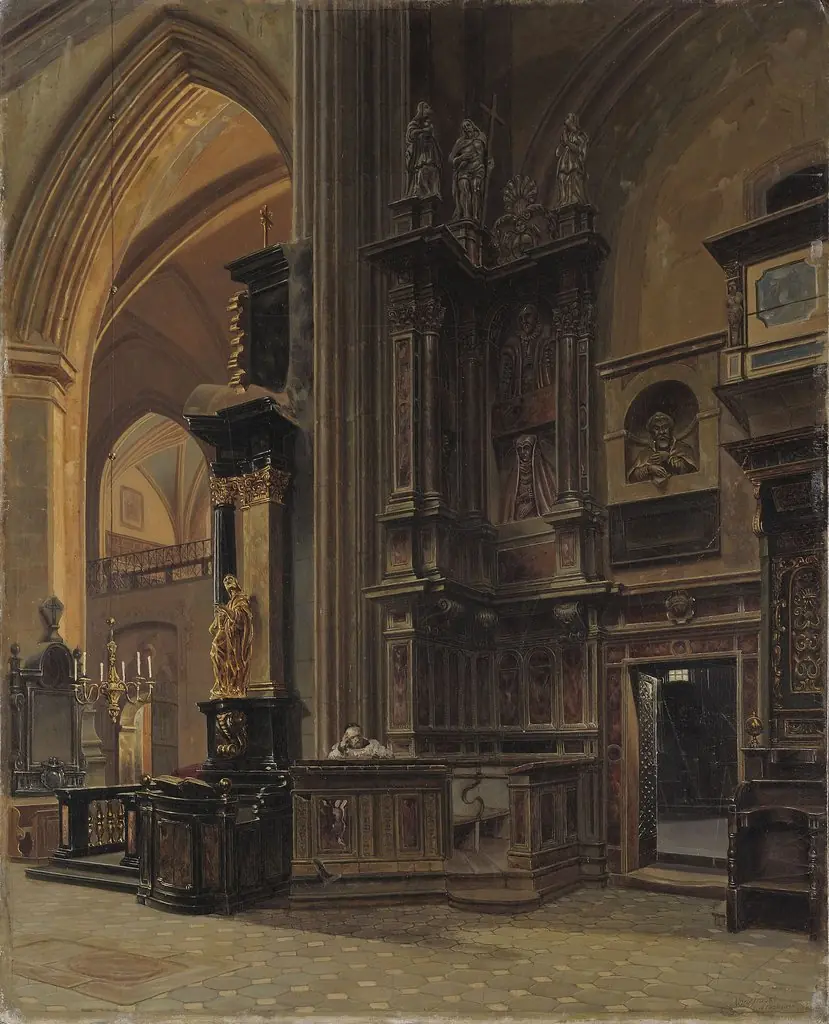 Interior of Saint Mary’s Basilica in Kraków
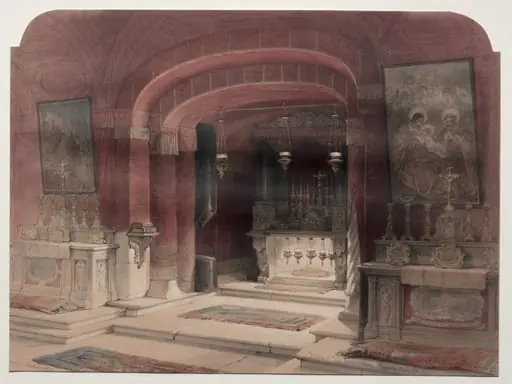 Shrine of the Annunciation, Nazareth
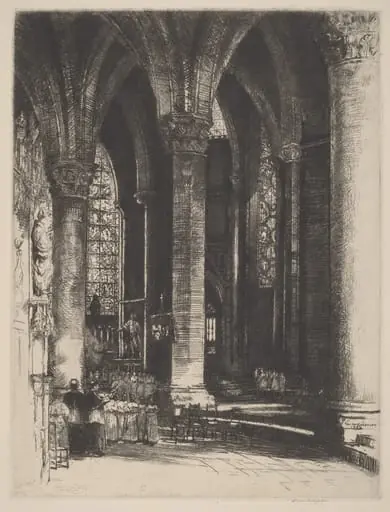 Interior of Chartres
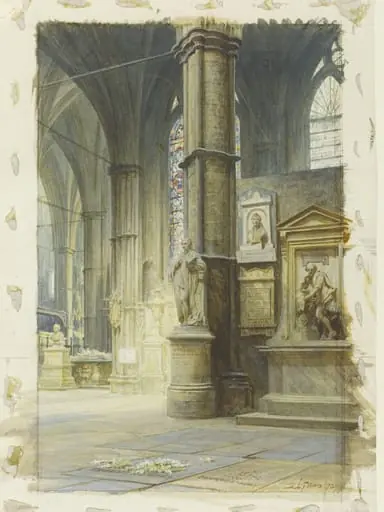 The grave of Charles Dickens, Poets' Corner, Westminster Abbey
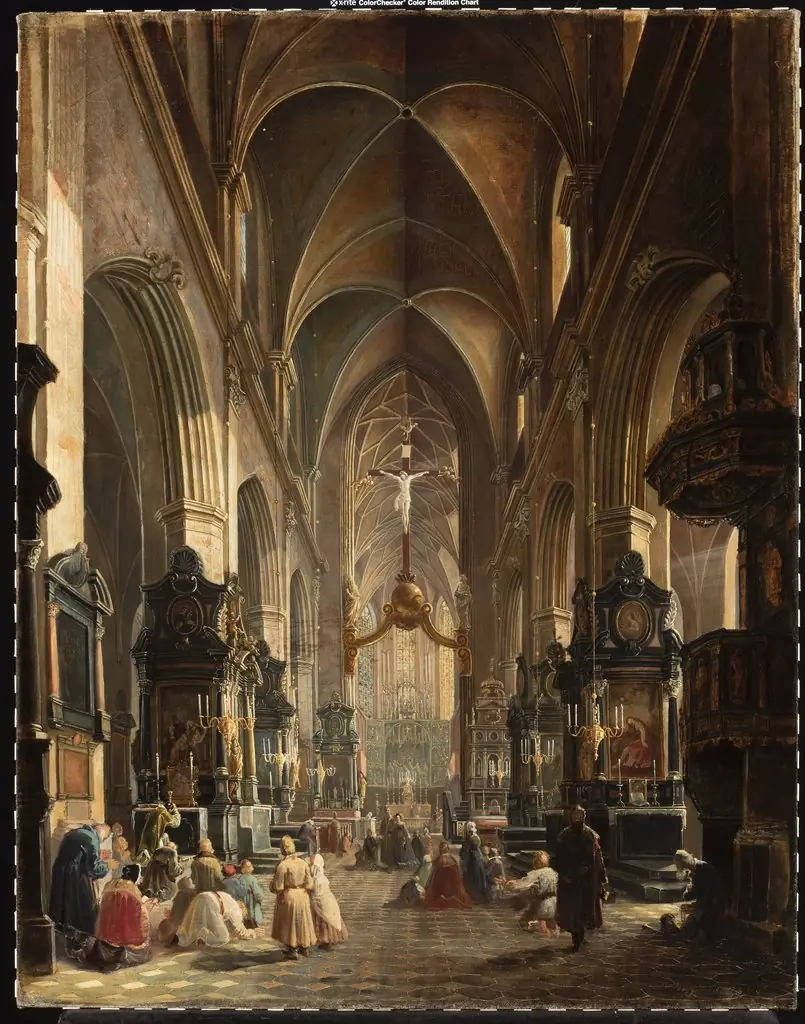 Interior of the Church of Virgin Mary in Kraków