Artwork
Untitled
Untitled is an ink print by Henry Flynt. It dates from 1963 and is held in the collection of the Museum of Modern Art.
About this work
The colors are mostly black, white, and muted grays, with a few small splashes of color.
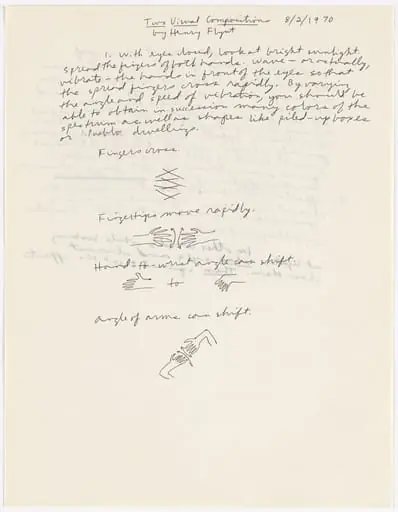
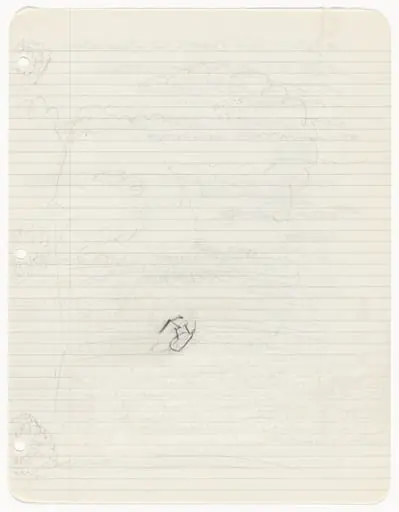
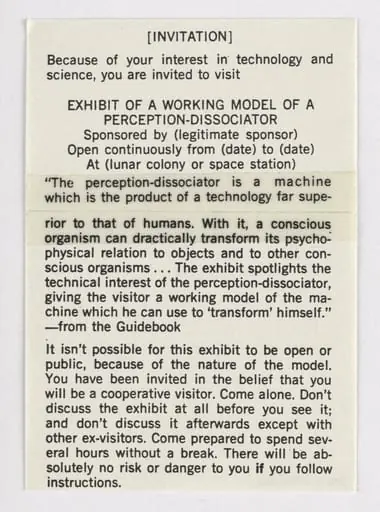
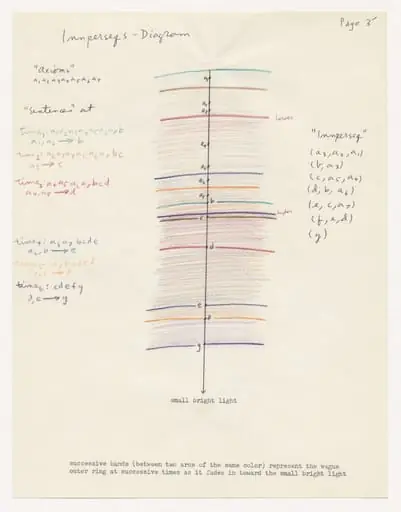
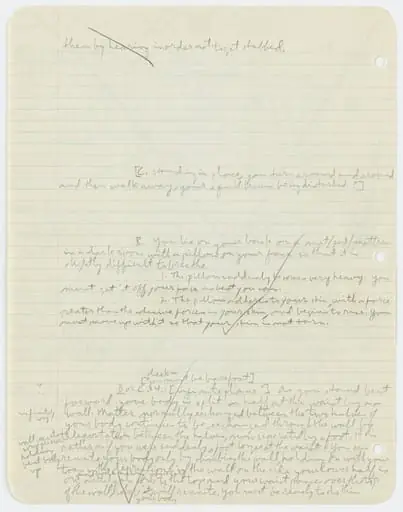
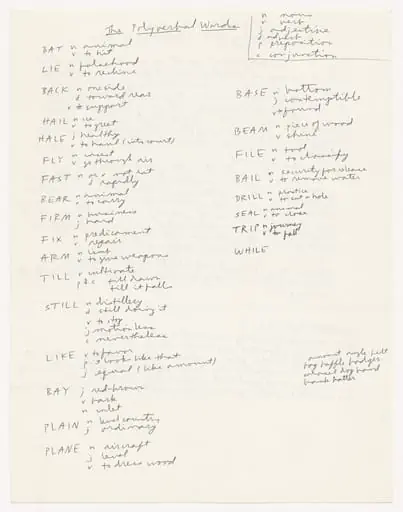
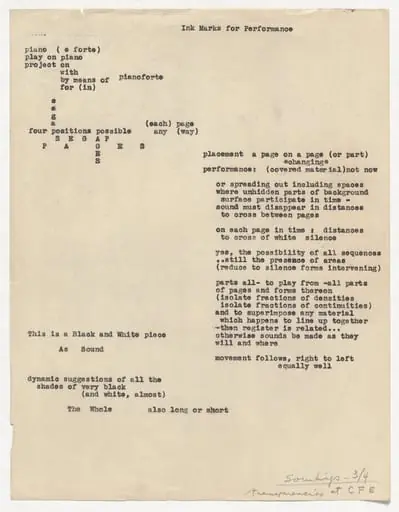
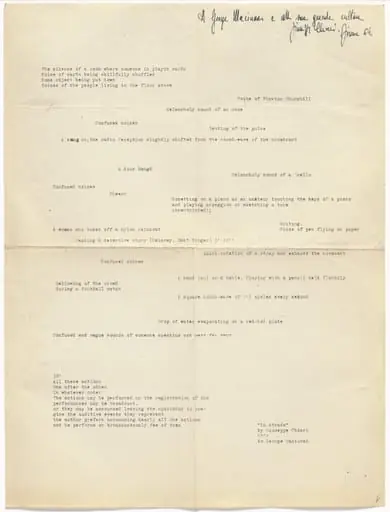
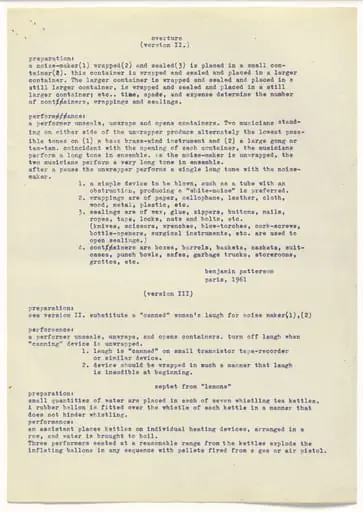
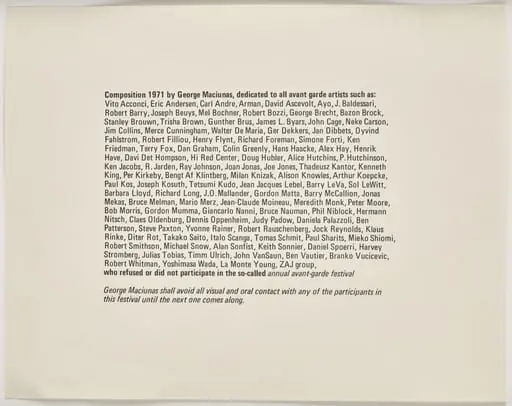
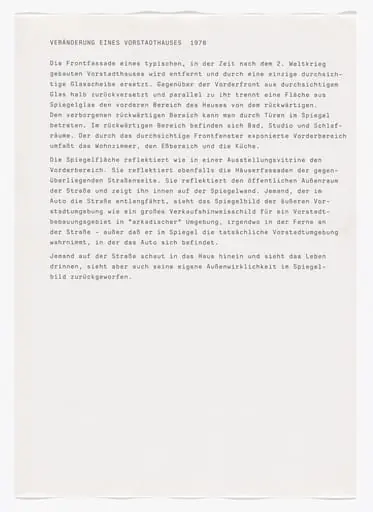
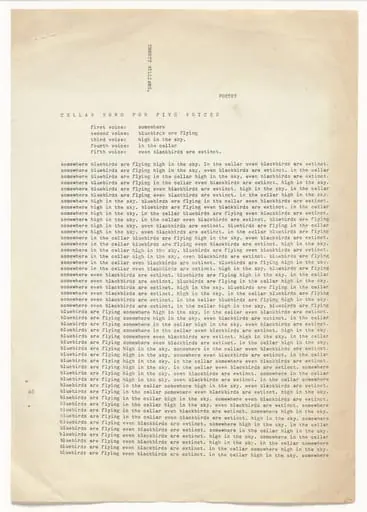
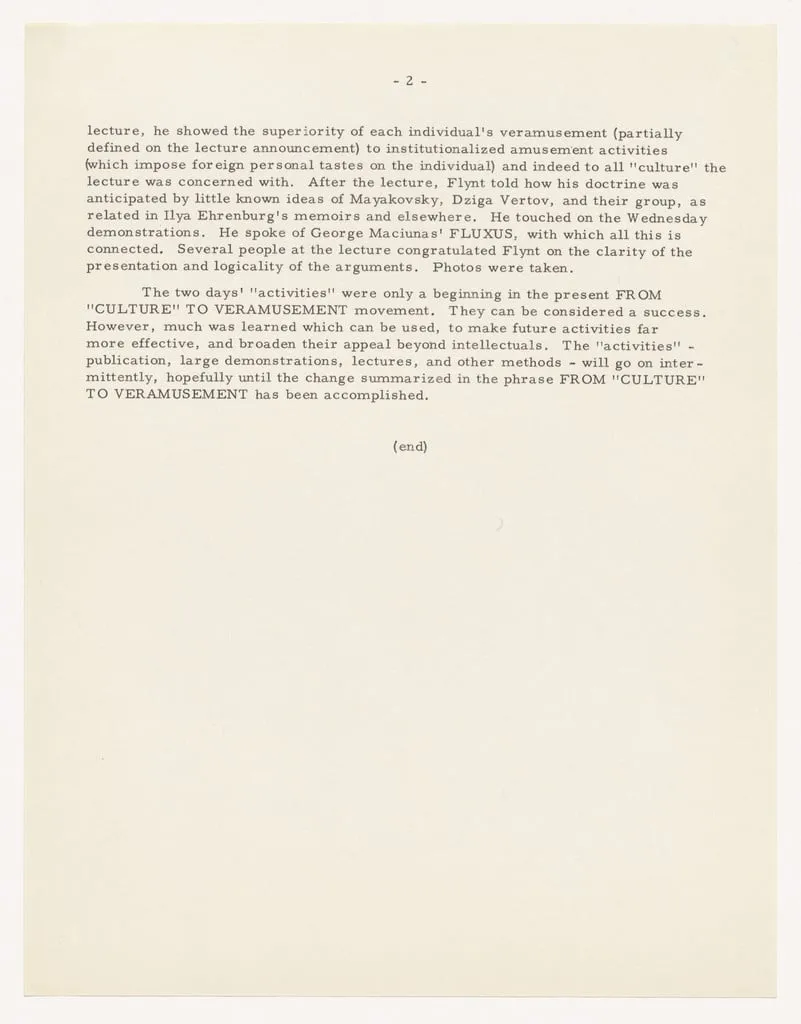
This image shows two sheets of abstract shapes and colors. One side has bold black lines forming sharp angles and curves. The other side has softer, smudged gray and white marks. The colors are mostly black, white, and muted grays, with a few small splashes of color.
Flynt made this work in 1963 using a printing method called lithography. The lines and marks look like they were pressed or rolled onto the paper.
Check out more about lithography to see how this technique works.
Overview
Created in 1963, this offset lithograph by Henry Flynt consists of two separate sheets, each presenting distinct visual languages. The work is part of The Museum of Modern Art’s collection and exemplifies Flynt’s engagement with non-traditional mark-making. Its monochromatic palette, dominated by black, white, and gray, is punctuated by minimal color accents, reinforcing its experimental character.
Subject & Meaning
The work resists figurative representation, instead proposing a visual dialogue between structure and spontaneity. One sheet features rigid, angular black lines suggesting architectural or mechanical forms, while the other presents diffuse, smudged tones evoking erosion or decay. Together, they reflect Flynt’s interest in challenging conventional notions of composition and meaning in abstract art.
Technique & Style
Executed in offset lithography, the print leverages the medium’s capacity for sharp, repeatable lines and subtle tonal gradations. The bold, precise edges on one sheet contrast with the soft, irregular smudges on the other, achieved through controlled pressure and ink application. The technique allows for both mechanical clarity and gestural ambiguity, aligning with Flynt’s conceptual approach to printmaking.
History & Provenance
Produced in 1963, the work entered The Museum of Modern Art’s collection shortly after its creation. Its dual-sheet format suggests an intentional separation of visual ideas, possibly reflecting Flynt’s broader artistic investigations during this period. No public record indicates prior ownership, and the work has remained within institutional hands since acquisition.
Context
Flynt created this piece during a time of intense experimentation in American art, when many artists were moving away from traditional aesthetics toward process-driven abstraction. His use of lithography aligned with contemporaries exploring print as a site for conceptual inquiry rather than reproduction. The work reflects a broader shift toward dematerialized forms and anti-compositional strategies in early 1960s avant-garde circles.
Legacy
Though not widely exhibited, this print contributes to understanding Flynt’s role in bridging conceptual art and experimental printmaking. Its restrained palette and structural contrasts influenced later artists interested in the limits of mark-making and the materiality of the printed surface. The work remains a quiet but significant example of 1960s non-conformist print practice.
Artist & collection