Artwork
Die Damen von Hastings
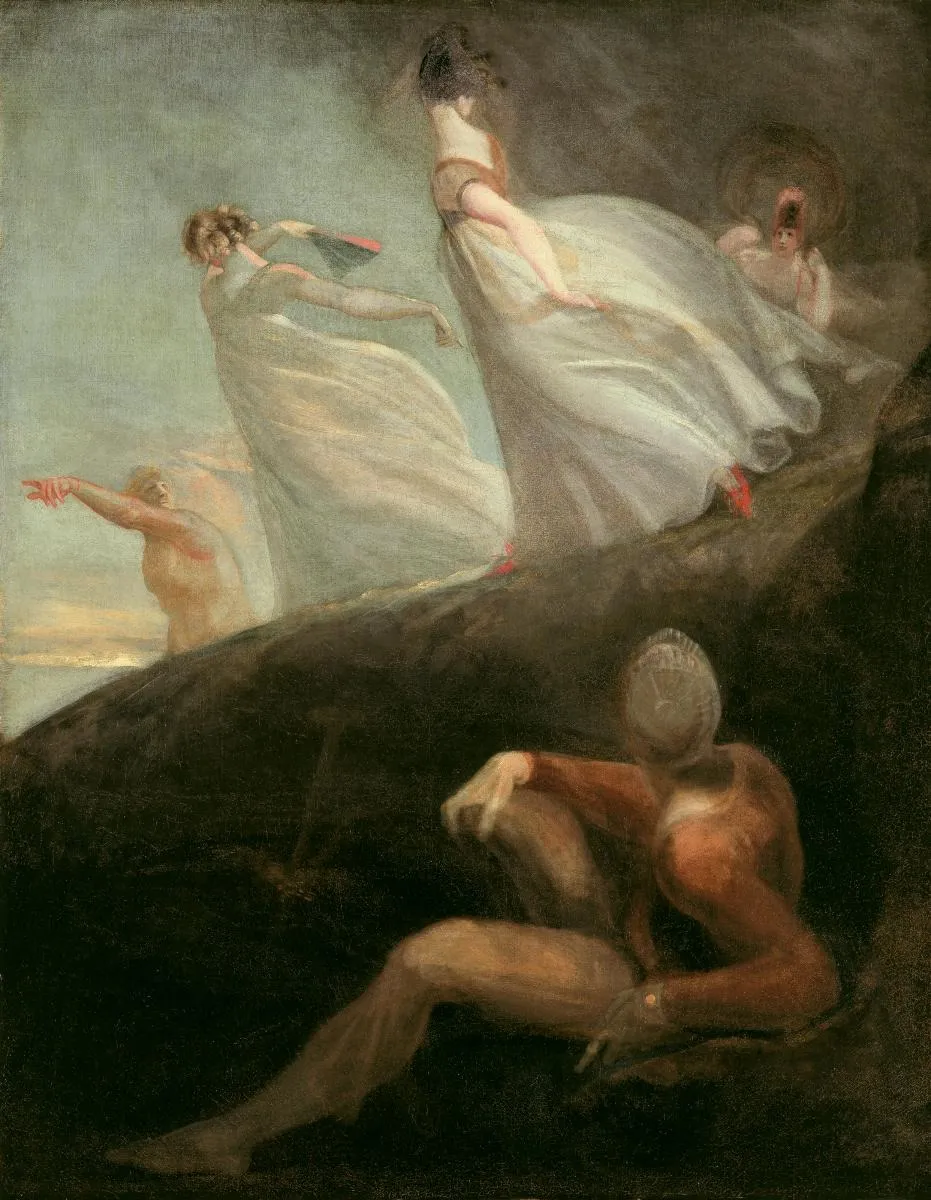
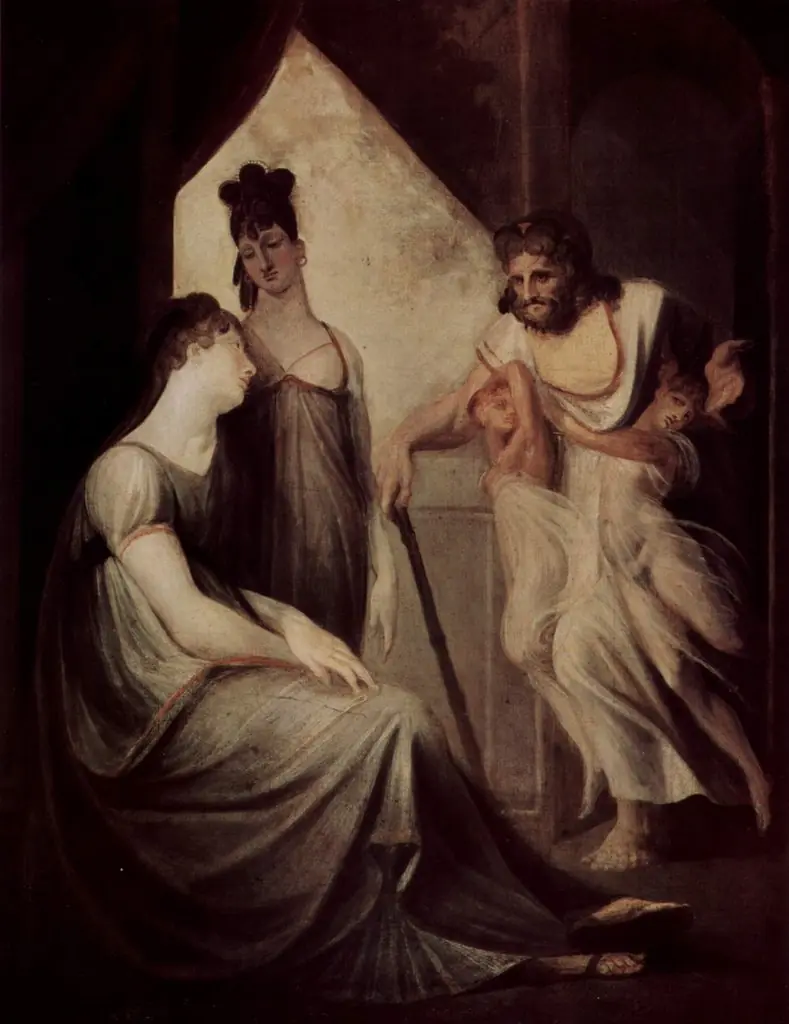
Die Damen von Hastings is an oil painting by the British Romanticist artist Henry Fuseli. It dates from 1800 and is held in the collection of the Kunsthaus Zürich.
About this work
Overview
Painted in 1800 by Henry Fuseli, Die Damen von Hastings is an oil on canvas work currently held in the collection of the Kunsthaus Zürich.
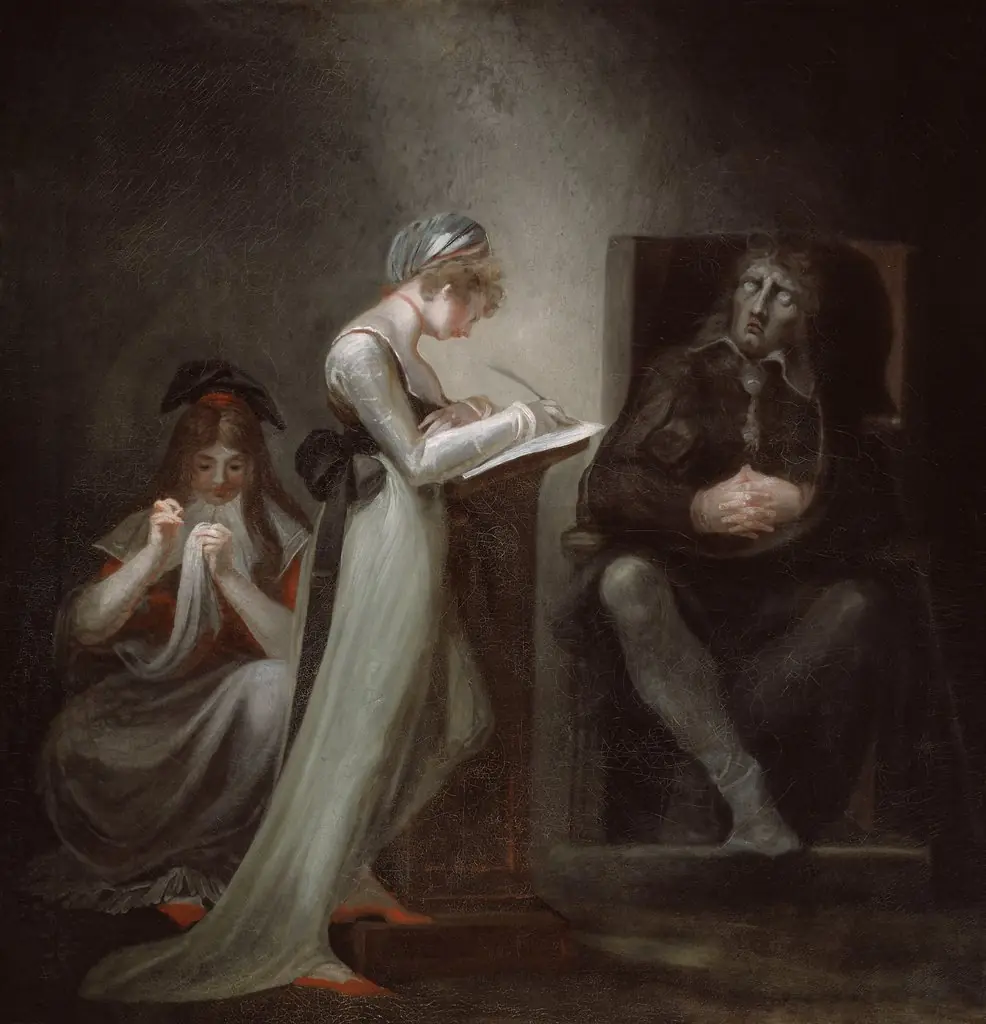
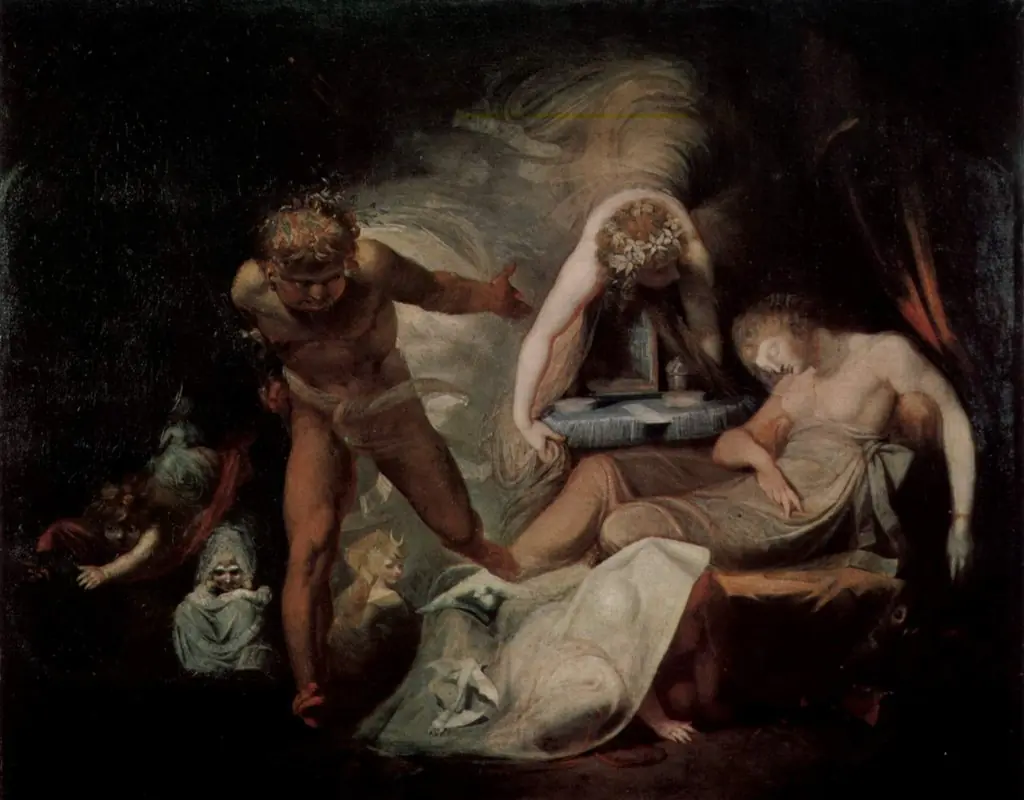
Painted in 1800 by Henry Fuseli, Die Damen von Hastings is an oil on canvas work currently held in the collection of the Kunsthaus Zürich. The composition presents a theatrical group of four figures in a dimly lit space, dominated by a central woman in a flowing white gown. The scene evokes psychological tension through its arrangement and lighting, reflecting Fuseli’s interest in the sublime and the uncanny.
Subject & Meaning
The painting’s subject remains ambiguous, but it suggests a moment of introspection or distress. The central figure, facing away and looking downward, appears isolated amid three other figures—two nude and emerging from shadow. Their positioning implies a narrative of confrontation or memory, possibly drawn from literary or mythological sources, though no specific story is confirmed. The mood leans toward the mysterious rather than the literal.
Technique & Style
Fuseli employs strong chiaroscuro to model the figures, heightening emotional intensity through stark contrasts between light and shadow. The white dress of the central woman catches the light, creating a focal point against the muted blue-gray background. Brushwork is fluid in the drapery, suggesting movement, while the nude forms are rendered with sculptural solidity, enhancing the sense of tension within the confined space.
History & Provenance
The painting was completed in 1800 and entered the Kunsthaus Zürich’s collection in the 19th century. Its early ownership history is not fully documented, but it has been consistently attributed to Fuseli since its first recorded appearance. The work was likely acquired during a period when Swiss institutions were actively collecting Romantic-era British art.
Context
Fuseli painted this during his tenure at the Royal Academy in London, a time when he was deeply engaged with themes of dreams, the supernatural, and psychological drama. His work often drew from Shakespeare, Milton, and Gothic literature. Die Damen von Hastings aligns with his broader exploration of emotional states through stylized figures and theatrical lighting, diverging from classical ideals in favor of expressive intensity.
Legacy
Though less widely known than some of Fuseli’s other works, Die Damen von Hastings exemplifies his distinctive approach to narrative ambiguity and emotional atmosphere. It influenced later Symbolist painters interested in psychological depth and non-literal storytelling. The painting remains a key example of Romanticism’s engagement with the unseen and the internal, rather than the observable world.
Artist & collection
Artist
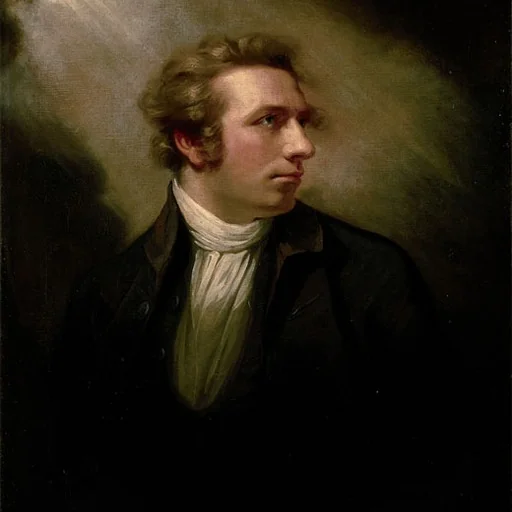
Henry Fuseli was a Swiss painter, draughtsman, and writer on art who spent much of his career in Britain.

![Dream of Thiralatha [from "America," cancelled plate d], by William Blake](https://artifactworldgallery.com/img/william-blake--dream-of-thiralatha-from-america-cancelled-plate-d--5757b22438efa26a-w320.webp)