Artwork
Einsamkeit im Morgenzwielicht
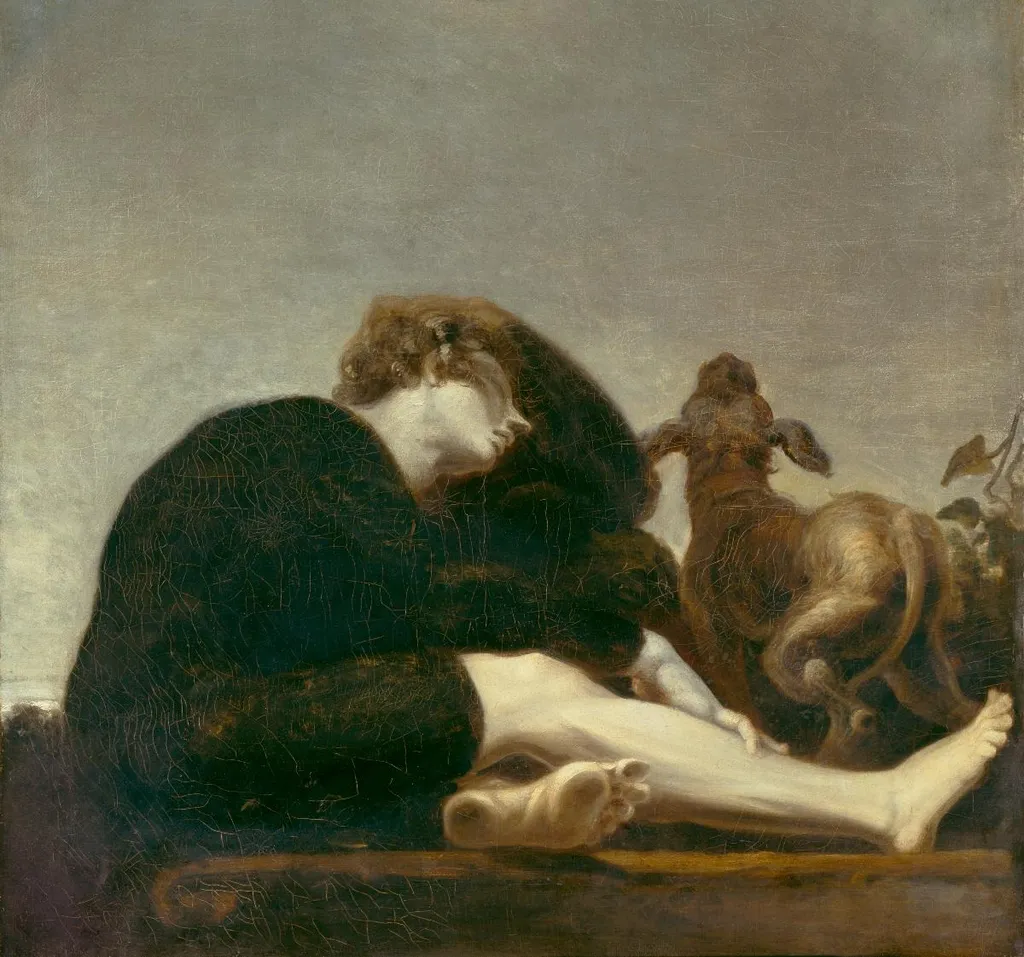
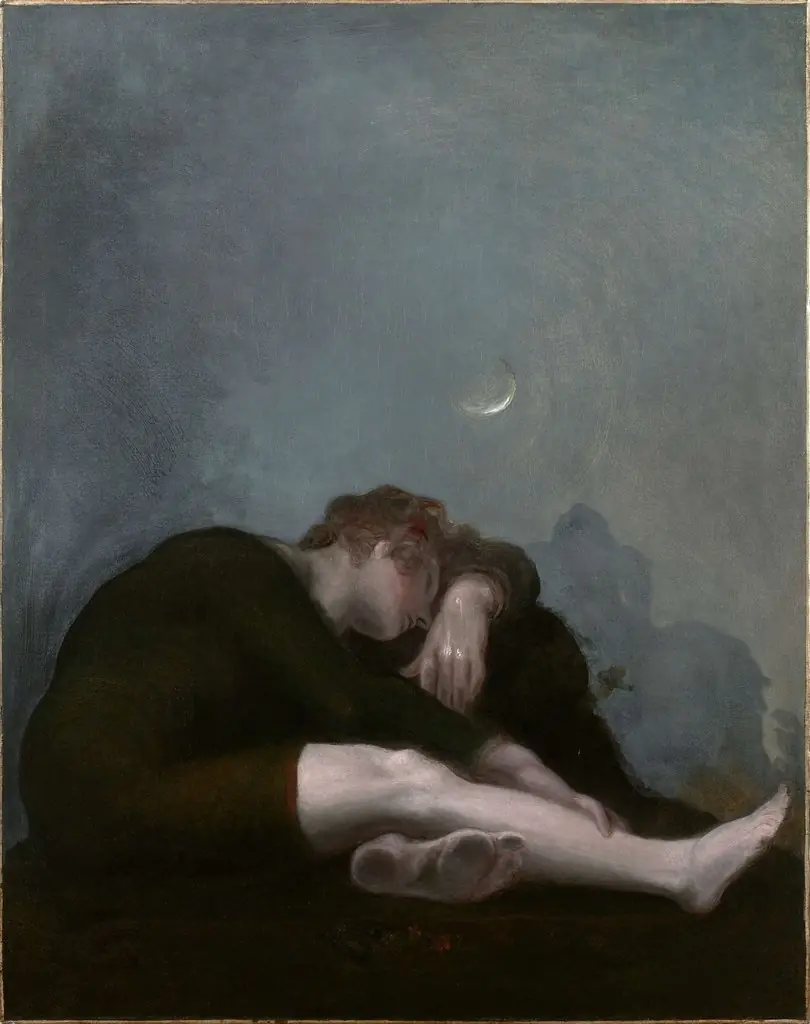
Einsamkeit im Morgenzwielicht is an oil painting by the British Romanticist artist Henry Fuseli. It dates from 1798 and is held in the collection of the Kunsthaus Zürich.
About this work
Overview
Einsamkeit im Morgenzwielicht is an 1798 oil painting by Henry Fuseli, currently part of the collection at Kunsthaus Zürich.
Subject & Meaning
The painting depicts a man in a dark robe, seated on the floor with his head bowed and arms wrapped around his knees, conveying contemplation or despair. A partially visible satyr to his right introduces mythological undertones, enhancing the somber, introspective atmosphere.
Technique & Style
Executed in oil paint, the work features a muted, grayish background that underscores the overall somber mood. Fuseli's use of chiaroscuro emphasizes the figure's emotional state through dramatic lighting, though specific stylistic innovations or deviations from his contemporaries are not immediately evident in this piece.
History & Provenance
Created in 1798, the painting's history prior to its current location at Kunsthaus Zürich is not detailed here. It is known to be part of the museum's holdings.
Context
While the exact inspiration for Einsamkeit im Morgenzwielicht is not specified, the inclusion of a satyr alongside a figure in despair suggests Fuseli may have drawn from classical mythology to explore themes of solitude and emotional turmoil, common in late 18th-century Romantic and Neoclassical artistic explorations.
Legacy
The painting's impact on Fuseli's oeuvre or broader artistic movements is not explicitly outlined in available information. It remains a characteristic example of his engagement with mythological subjects and emotional depth.
Artist & collection
Artist
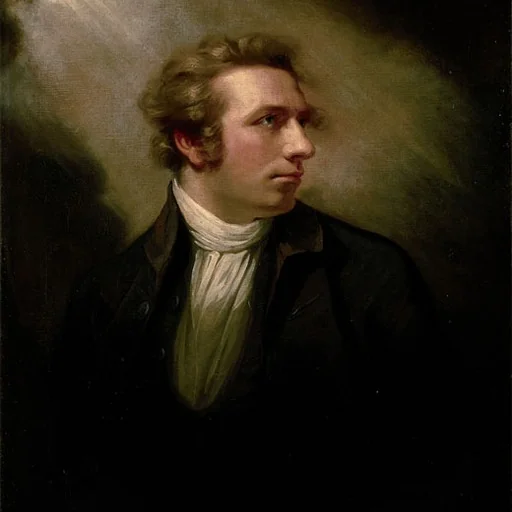
Henry Fuseli was a Swiss painter, draughtsman, and writer on art who spent much of his career in Britain.

 Lycidas
 Lycidas
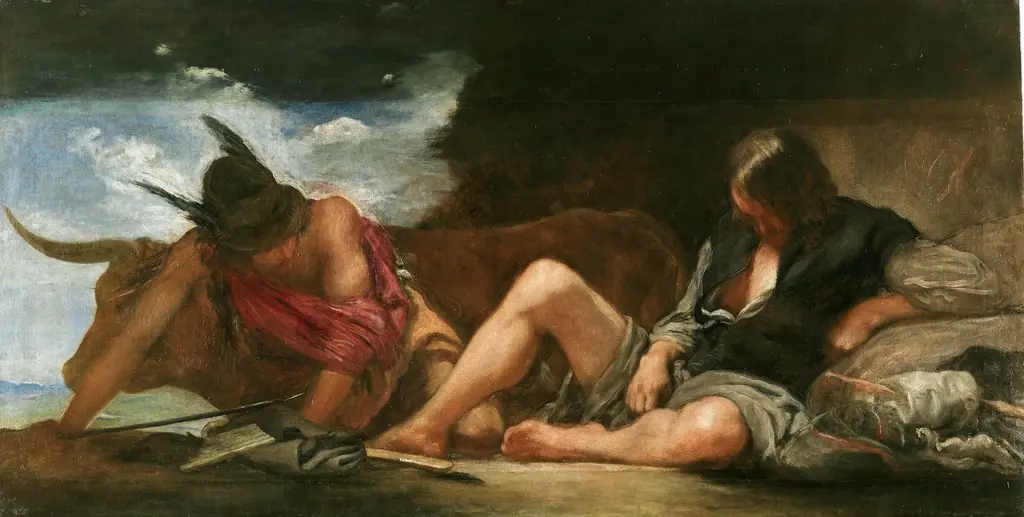 Mercury and Argus
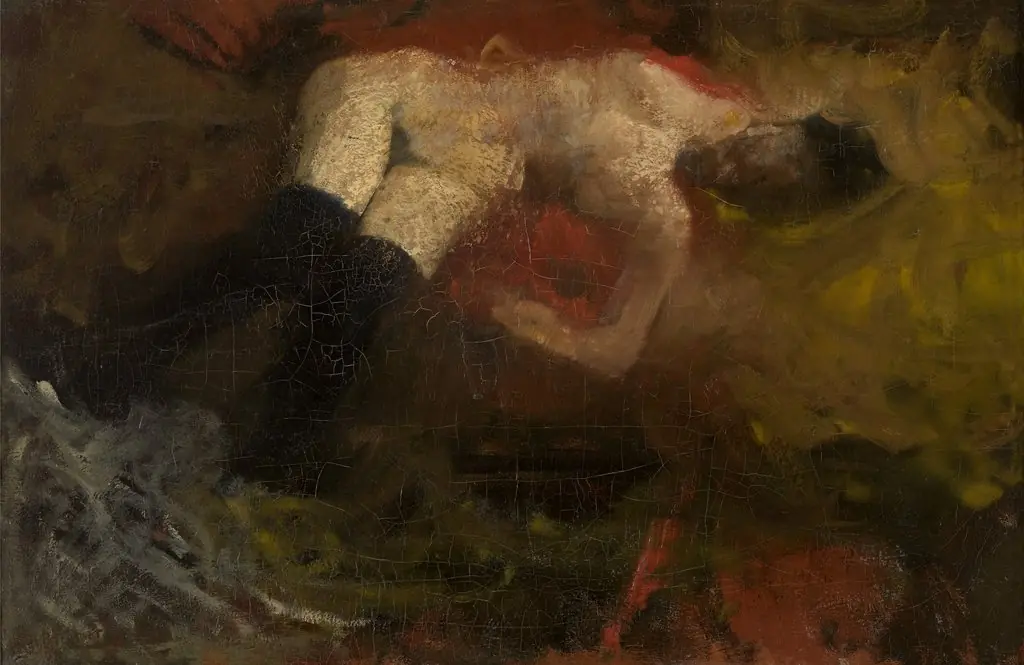 Nude
Nude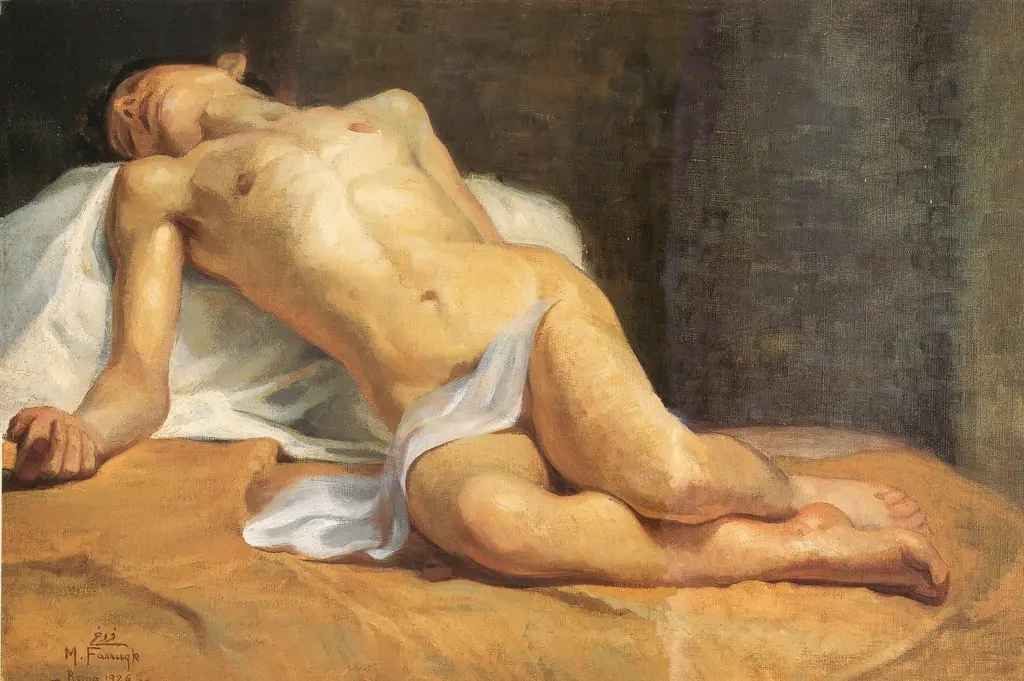 Christ Taken Down From the Cross
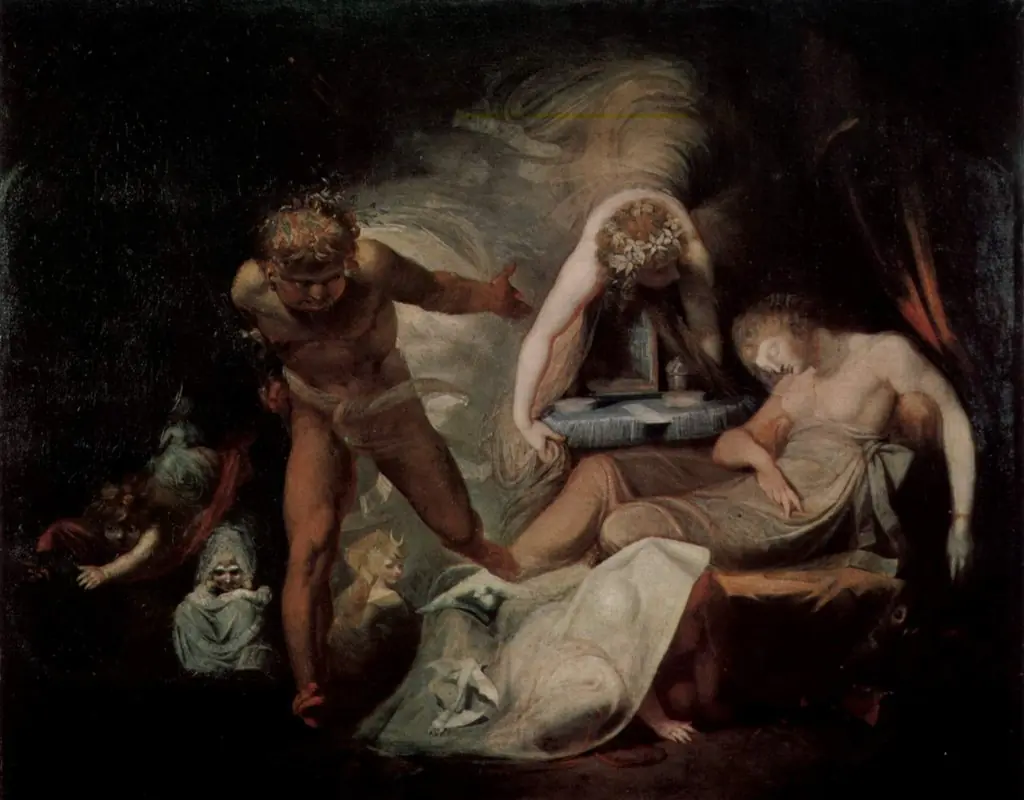 The Dream of Belinda
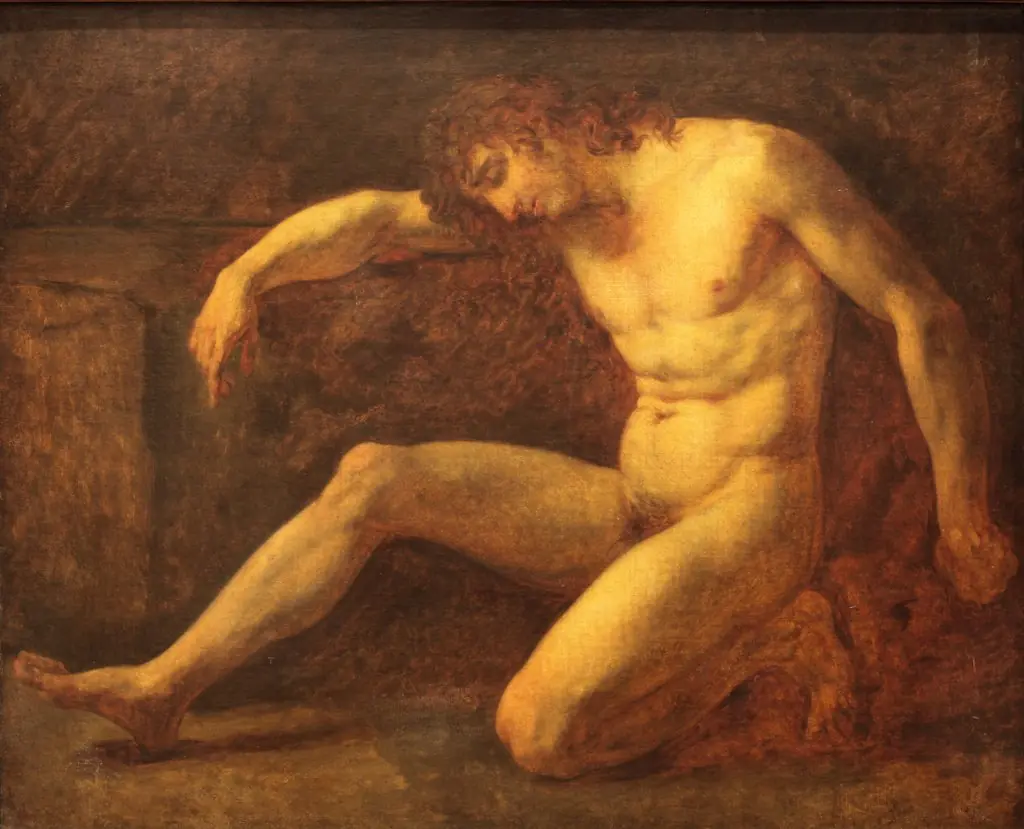 Death of Viala
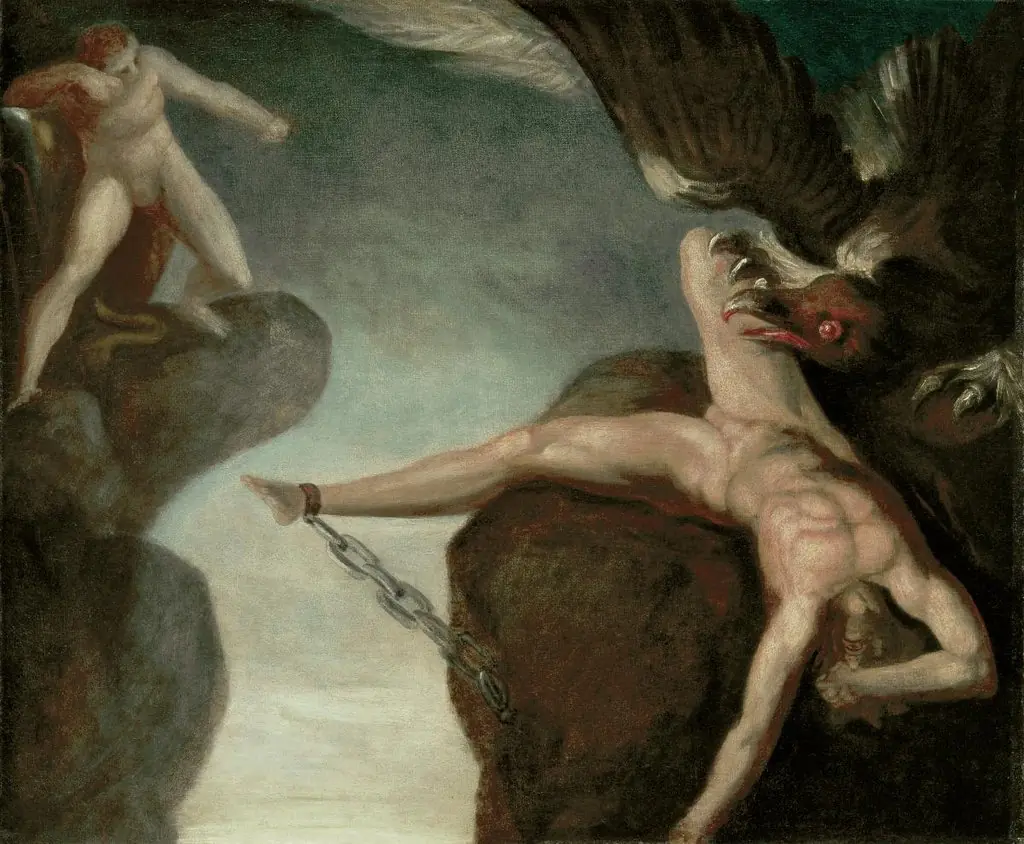 Herakles erlegt den Adler des Prometheus
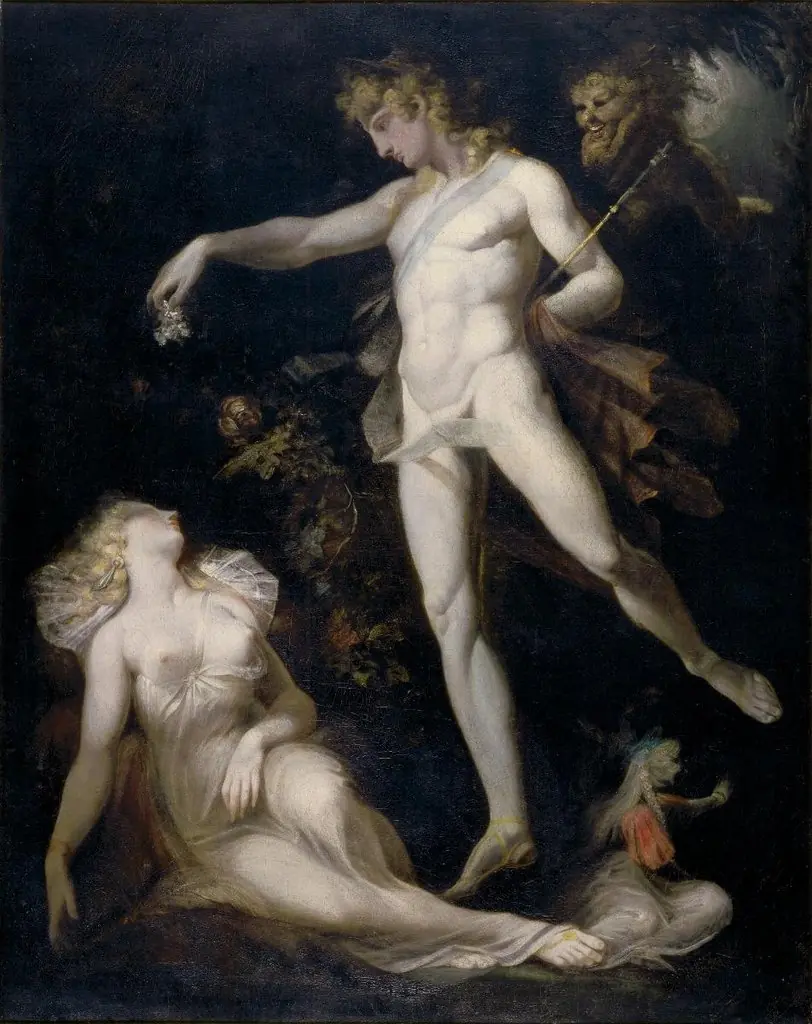 Oberon träufelt Blumensaft auf die Augen der schlafenden Titania
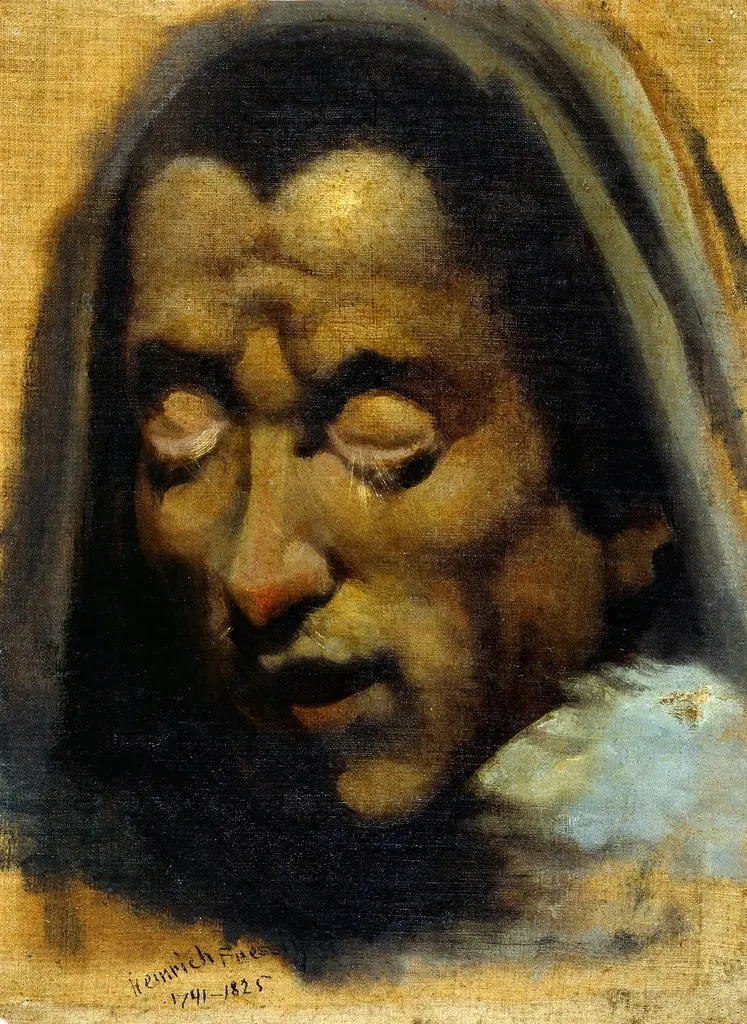 Head of a Damned Soul from Dante's "Inferno," (verso)
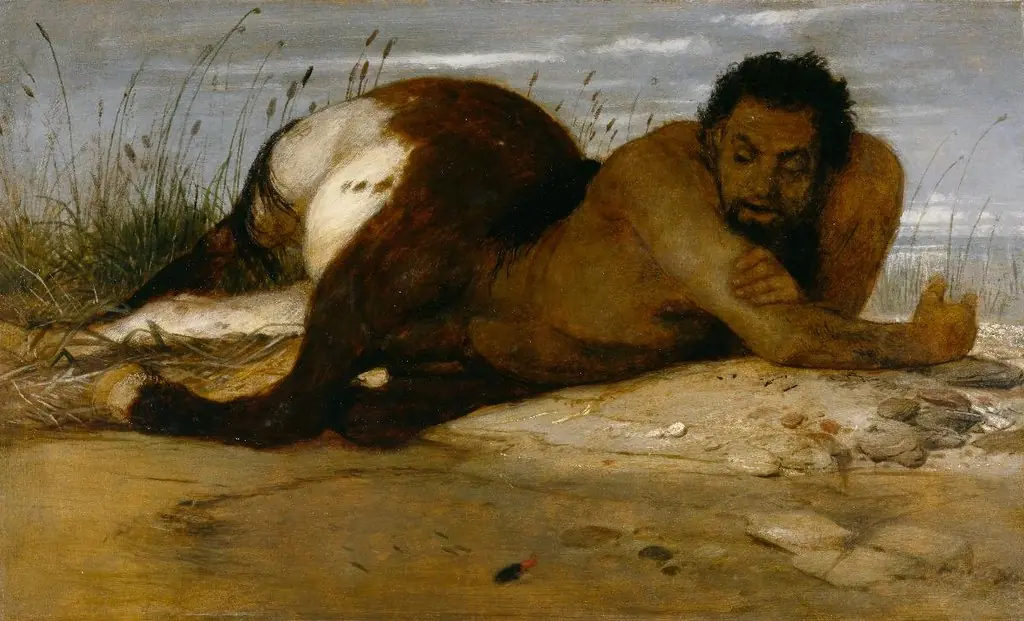 Kentaur, den Fischen zuschauend
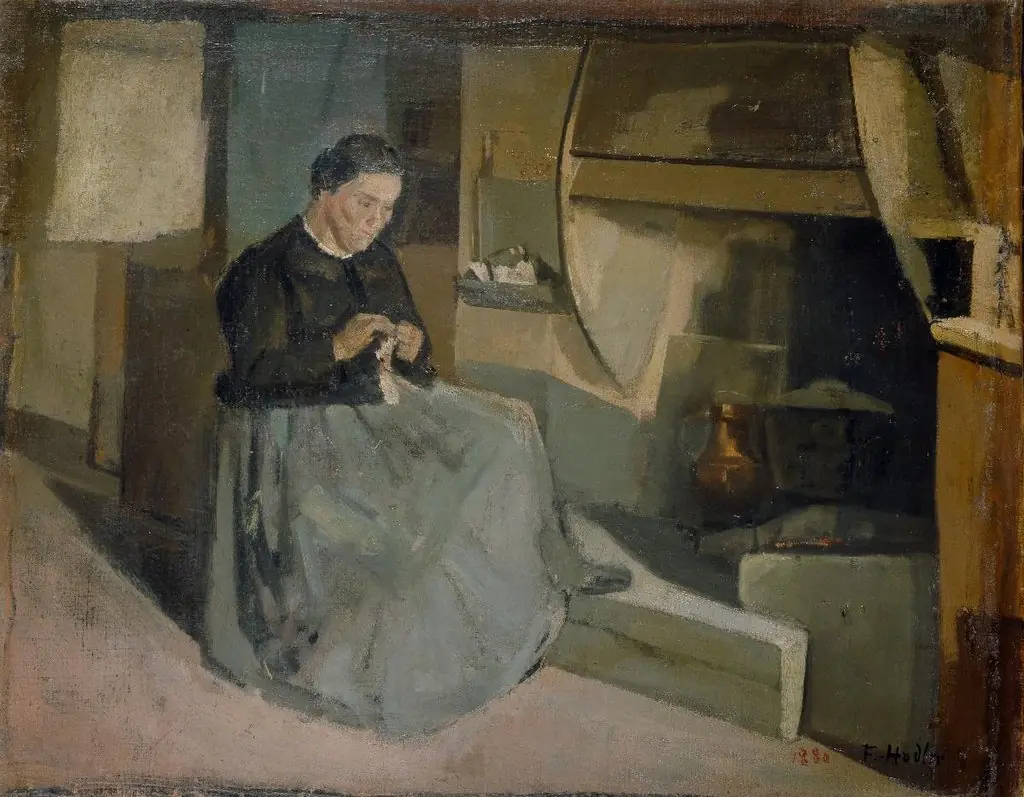 Näherin am Kamin