Artwork
Satan and Death with Sin Intervening
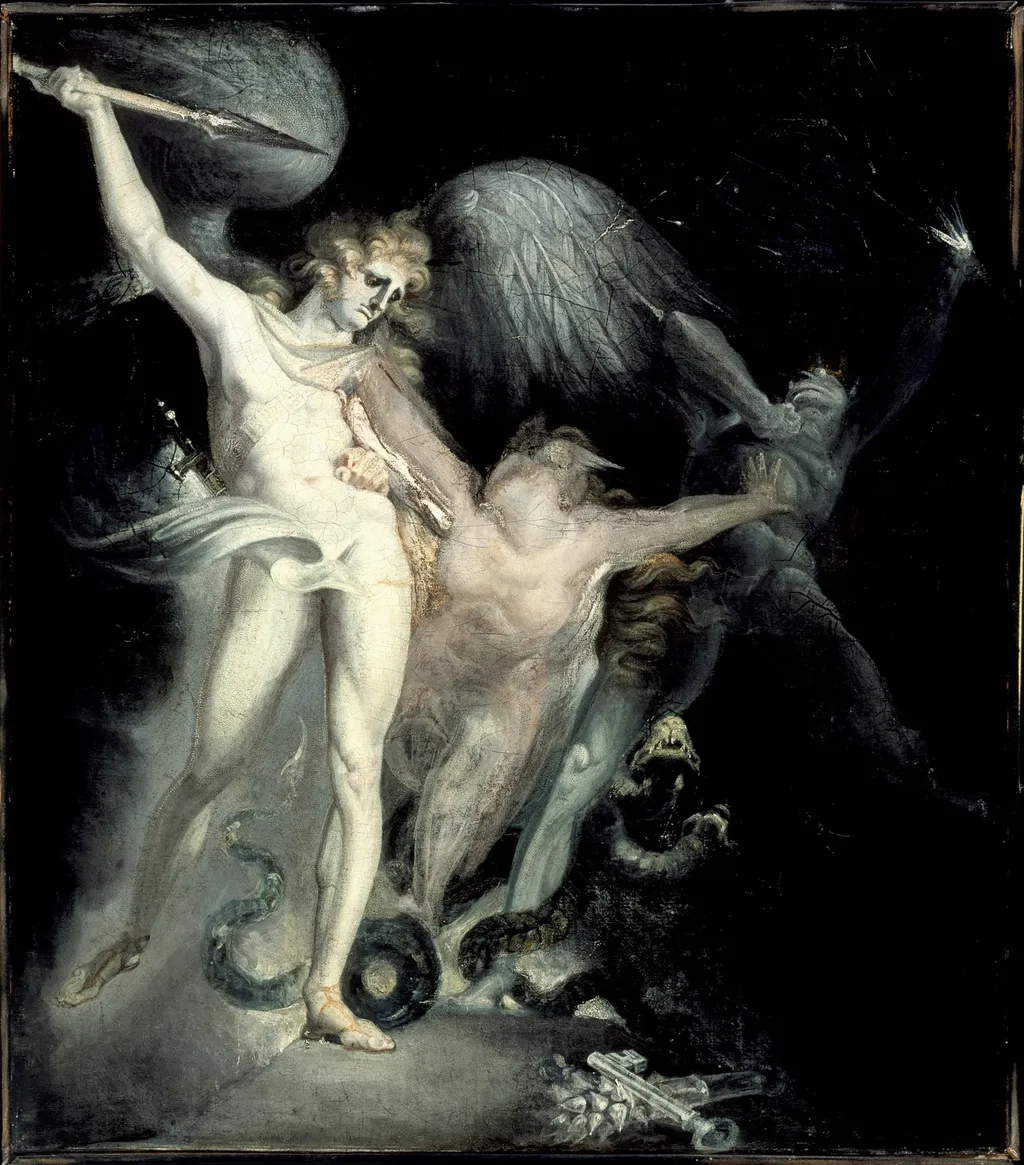
Satan and Death with Sin Intervening is an unspecified painting by the British Romanticist artist Henry Fuseli. It dates from 1800 and is held in the collection of the Los Angeles County Museum of Art.
About this work
Overview
The composition centers on a nude male figure, flanked by two monstrous entities, all rendered in a theatrical, almost theatrical manner.
Painted in 1800 by Henry Fuseli, this work presents a mythic confrontation between three spectral figures. It resides in the collection of the Los Angeles County Museum of Art. The composition centers on a nude male figure, flanked by two monstrous entities, all rendered in a theatrical, almost theatrical manner. The scene unfolds against a void-like darkness, heightening the sense of isolation and impending conflict.
Subject & Meaning
The central figure, often interpreted as a symbol of human resistance, holds a spear against two infernal presences. To his left, a winged demon suggests Satan; to his right, a serpentine form with claws represents Death. Between them, a third figure—Sin—intervenes, her presence implying moral corruption as the intermediary force. The painting visualizes a theological struggle, where sin disrupts the direct confrontation between evil and mortality.
Technique & Style
Fuseli employs stark chiaroscuro to isolate the figures against an impenetrable black ground, enhancing their ghostly pallor. Musculature is exaggerated, faces contorted with anguish or malice, and limbs twisted in violent motion. The brushwork is fluid yet precise, emphasizing texture in skin and fabric while leaving the background abstract. This expressive distortion aligns with Romantic ideals, prioritizing emotional intensity over naturalism.
History & Provenance
Created during Fuseli’s later years in London, the painting reflects his enduring fascination with Gothic and Miltonic themes. It entered the Los Angeles County Museum of Art’s collection in the 20th century, following earlier ownership by British collectors. Its journey from private British collections to a major American institution underscores its recognition as a significant example of late 18th- to early 19th-century British Romanticism.
Context
Fuseli painted this during a period when literary and religious allegory dominated British visual culture, influenced by Milton’s 'Paradise Lost' and Enlightenment debates on morality. His work diverged from Neoclassical restraint, embracing psychological depth and supernatural drama. This piece aligns with contemporaneous explorations of inner turmoil and the sublime, resonating with broader Romantic preoccupations with fear, sin, and the human condition.
Legacy
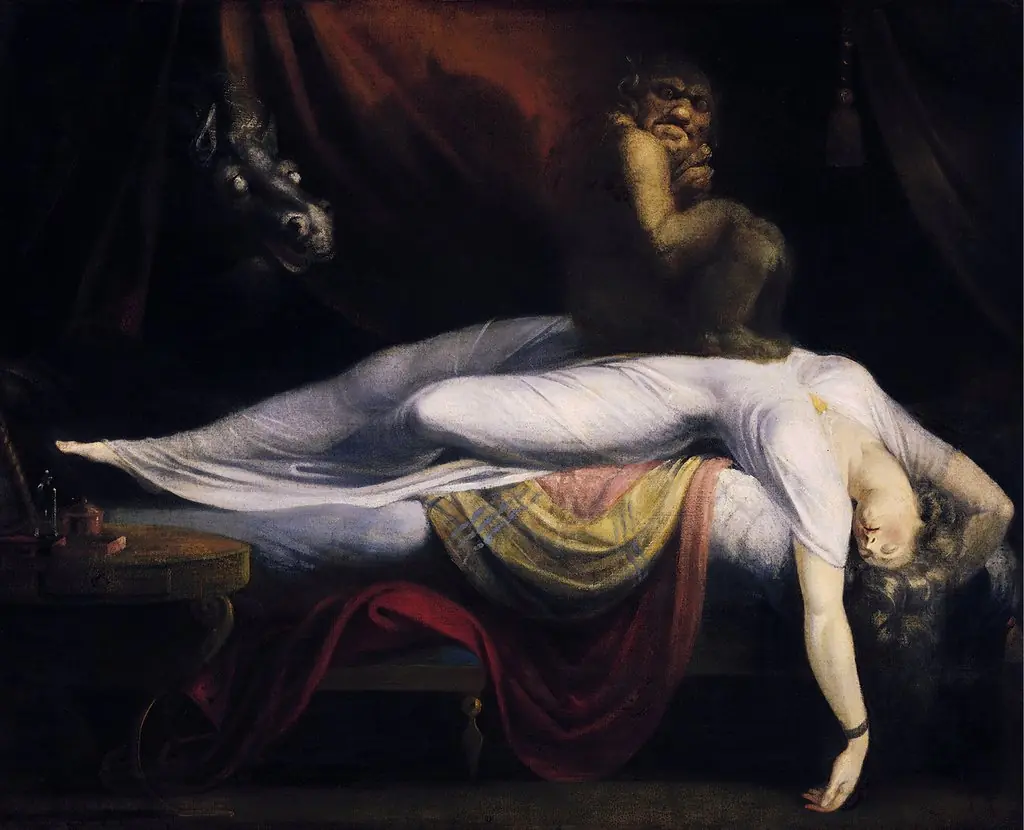
Though less widely known than Fuseli’s 'The Nightmare,' this painting exemplifies his unique synthesis of myth, psychology, and visual intensity. It influenced later Symbolist and Pre-Raphaelite artists drawn to allegorical horror and emotional extremity. Its preservation in a major American museum ensures continued scholarly attention, particularly in studies of Romanticism’s engagement with moral and spiritual conflict.
Artist & collection
Artist
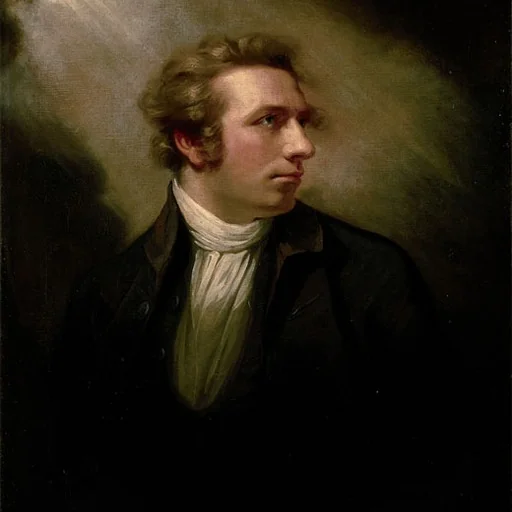
Henry Fuseli was a Swiss painter, draughtsman, and writer on art who spent much of his career in Britain.

 Heaven and Hell
 Saint Michael Archangel attacking the dragon
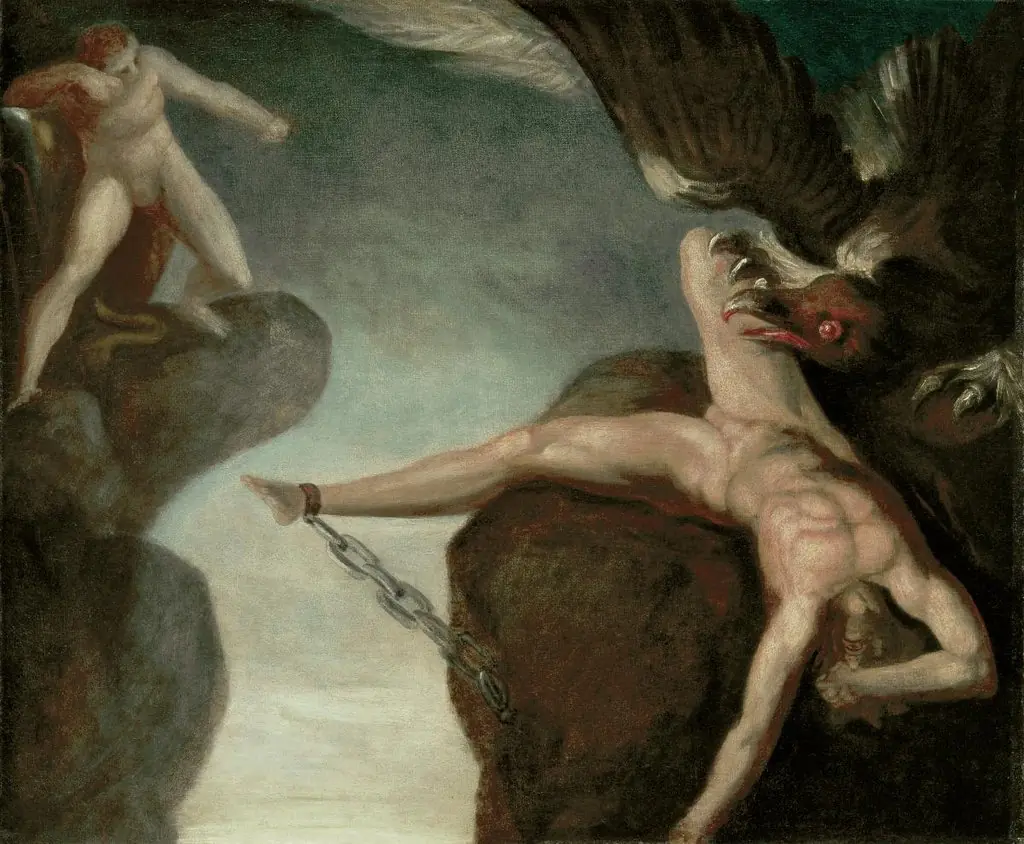 Herakles erlegt den Adler des Prometheus
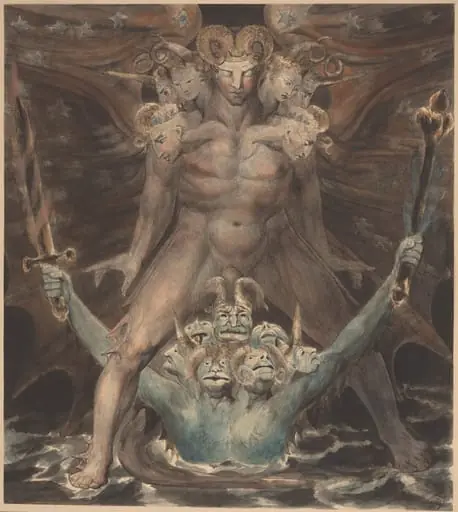 The Great Red Dragon and the Beast from the Sea
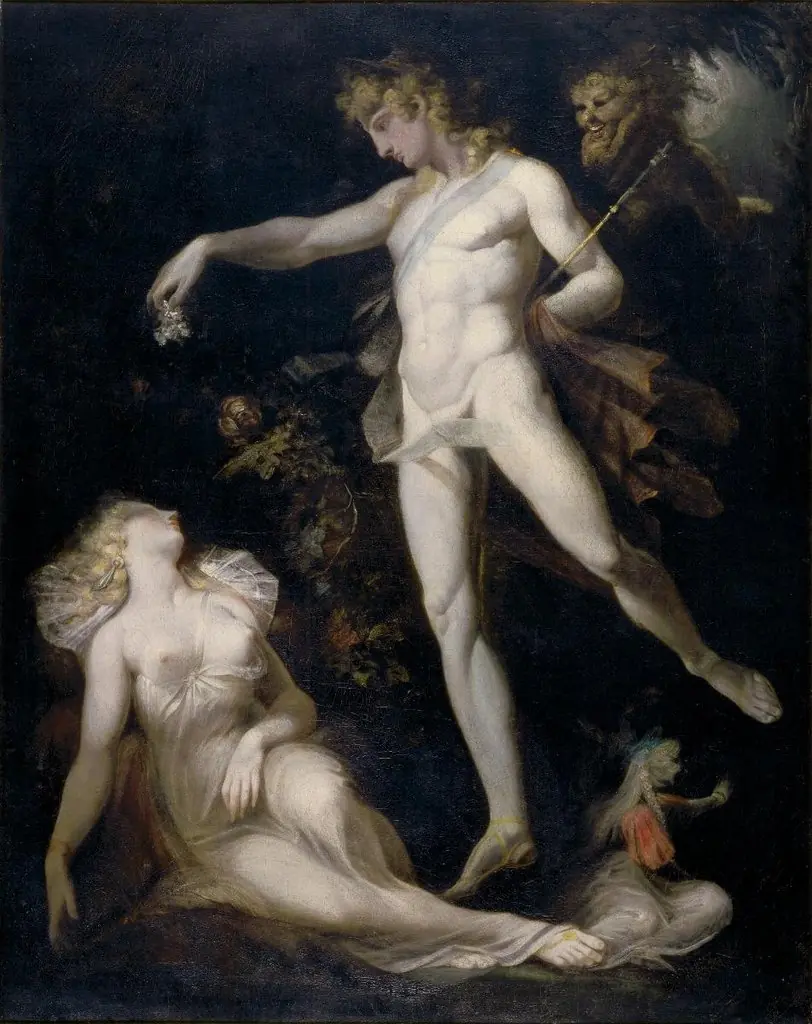 Oberon träufelt Blumensaft auf die Augen der schlafenden Titania
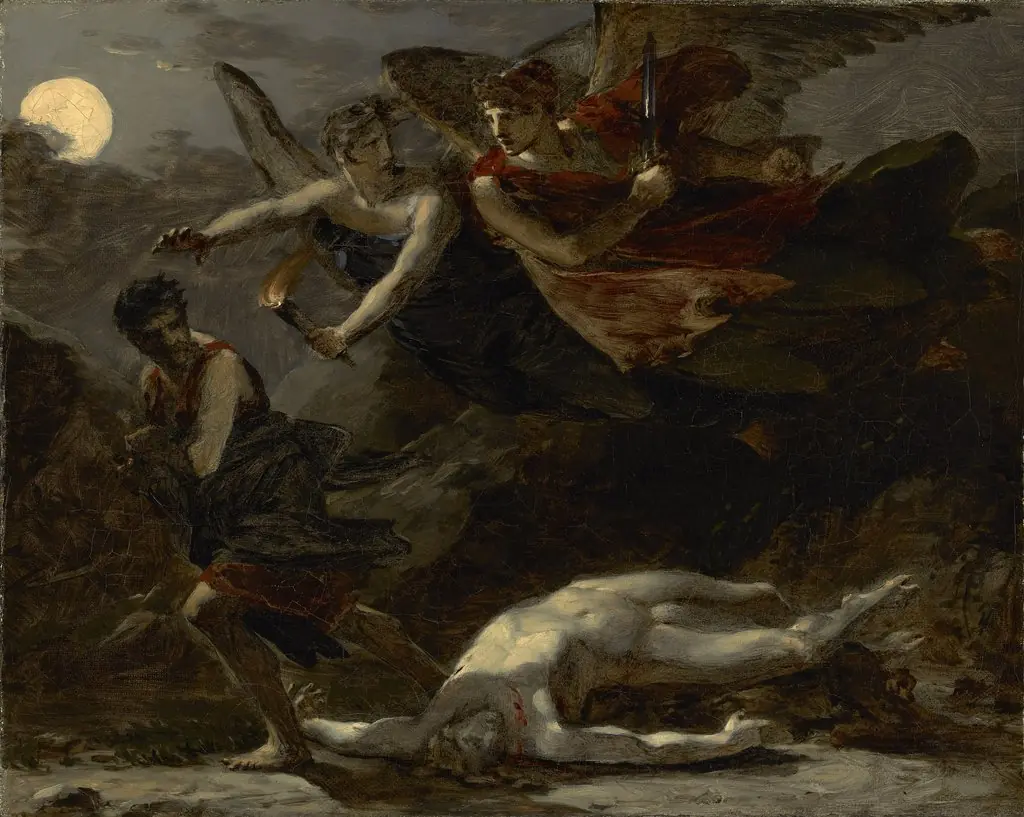 Justice and Divine Vengeance Pursuing Crime
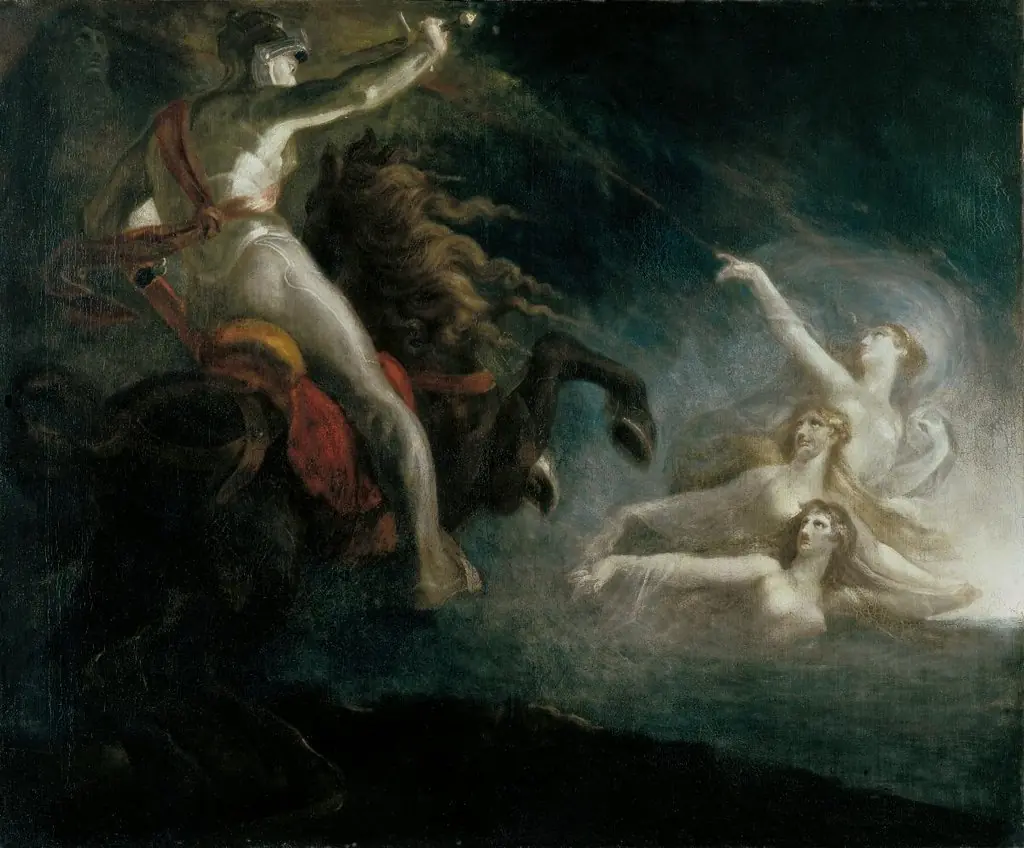 Die Donaunixen prophezeien Hagen den unglücklichen Ausgang von Gunthers Zug
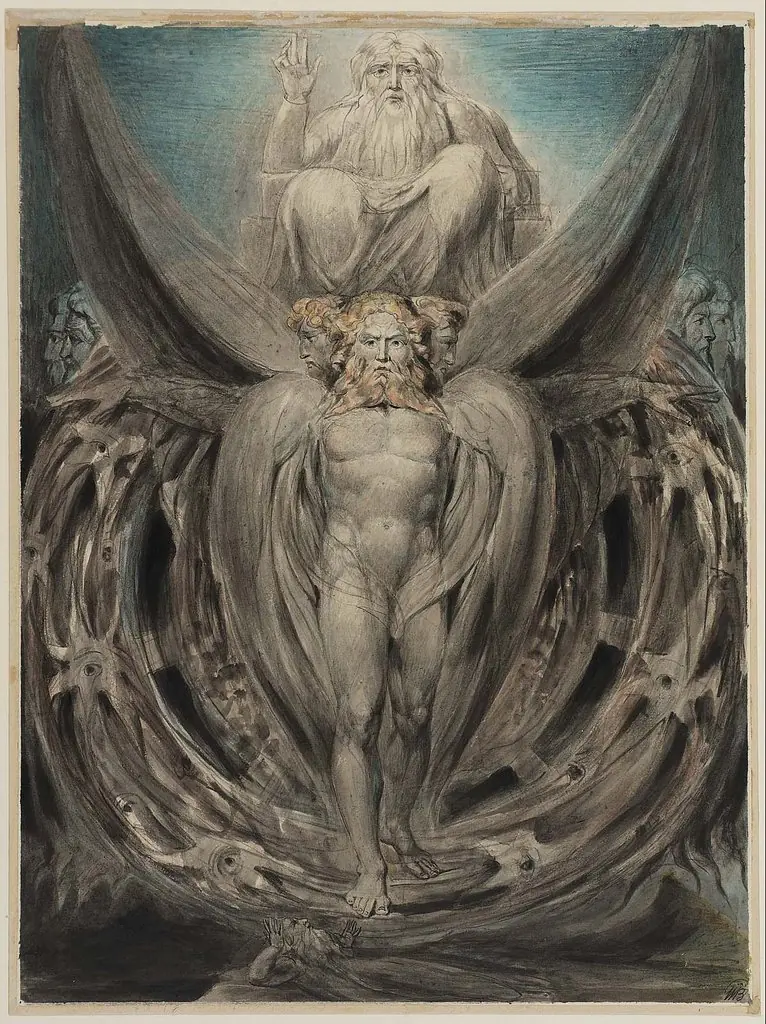 Ezekiel's Wheels
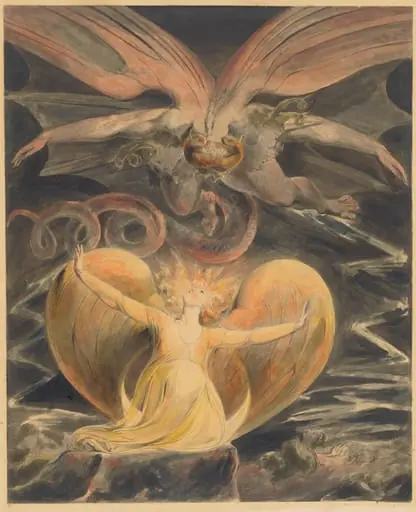 The Great Red Dragon and the Woman Clothed with the Sun