Artwork
Justice and Divine Vengeance Pursuing Crime
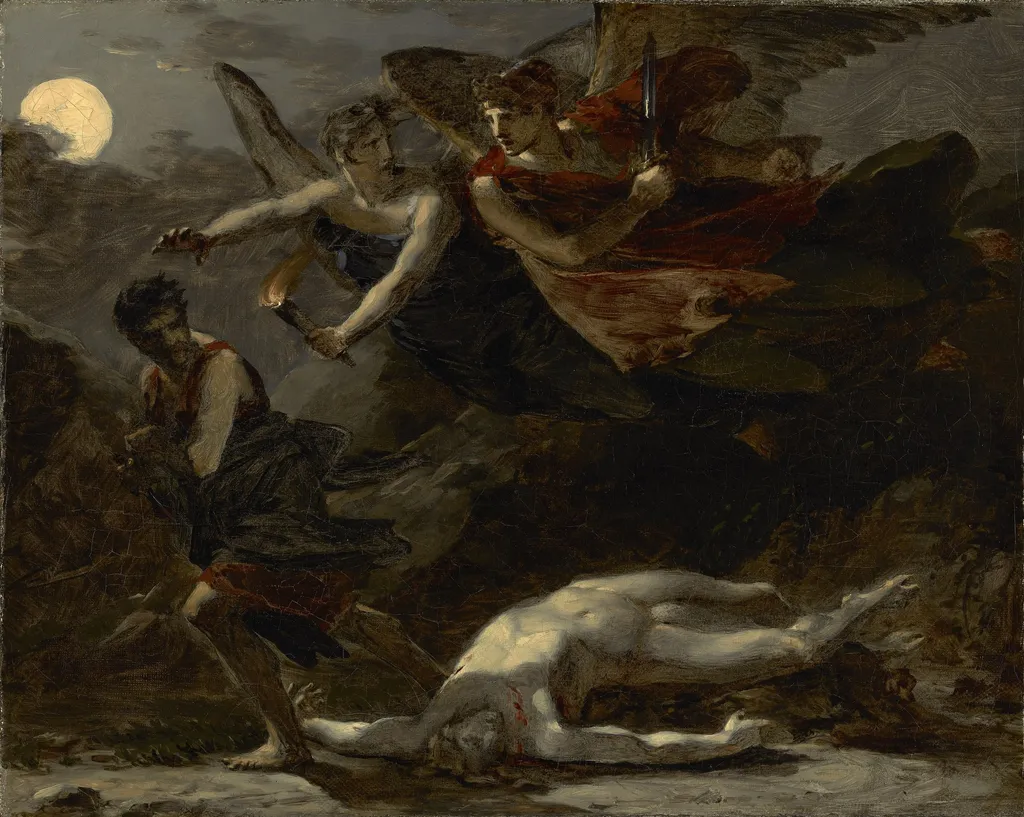
Justice and Divine Vengeance Pursuing Crime is an oil painting by the French Romanticist artist Pierre Paul Prud'hon. It dates from 1805 and is held in the collection of the J. Paul Getty Museum.
About this work
Overview
The composition centers on a fallen male figure, a torch‑bearing woman, and a winged, sword‑wielding female presence, set against a moonlit, craggy landscape.
Created in 1805 by French painter Pierre‑Paul Prud’hon, *Justice and Divine Vengeance Pursuing Crime* is an oil on canvas that illustrates a mythic chase. The composition centers on a fallen male figure, a torch‑bearing woman, and a winged, sword‑wielding female presence, set against a moonlit, craggy landscape. The work is part of the Getty Museum’s collection and reflects the dramatic sensibilities of early nineteenth‑century French art.
Subject & Meaning
The scene suggests an allegorical confrontation between human transgression and higher retribution. The prone man appears as the victim of an inevitable punishment, while the dark‑dressed woman, torch in hand, seems to direct attention to his fate. Above, the winged figure in red, armed with a sword, embodies a celestial force—justice or divine vengeance—actively pursuing the offender.
Technique & Style
Prud’hon employs pronounced chiaroscuro, juxtaposing illuminated forms against deep shadows to heighten tension. The stark lighting outlines the figures, especially the torch’s glow and the moon’s pale wash, while the surrounding darkness amplifies the sense of urgency. The brushwork balances precise modeling of the bodies with a more atmospheric treatment of the rocky background, aligning the piece with Romantic dramatism while retaining Neoclassical compositional order.
History & Provenance
Painted during the Napoleonic era, the work reflects Prud’hon’s reputation for allegorical subjects and portraiture, including commissions for imperial patrons such as Empress Joséphine. After changing hands in private collections, the canvas entered the J. Paul Getty Museum, where it remains on view as a representative example of the artist’s late career.
Context
Although rooted in Neoclassical training, the painting anticipates Romantic concerns with emotion, nature, and the supernatural. Its dramatic narrative and use of light influenced younger French artists, notably Théodore Géricault, who explored similar themes of fate and moral reckoning. The work thus occupies a transitional position, bridging classical restraint and the burgeoning Romantic imagination.
Own this work as a print
Artist & collection
Artist
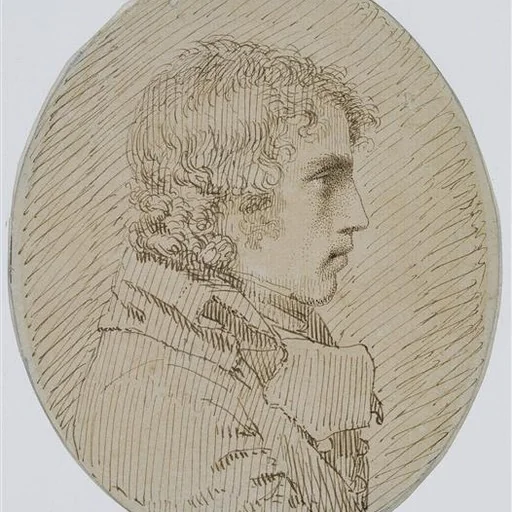
Pierre-Paul Prud'hon (French pronunciation: , 4 April 1758 – 16 February 16, 1823) was a French Neo-classical painter and draughtsman best known in his own time for his allegorical paintings and portraits, now for his drawings.

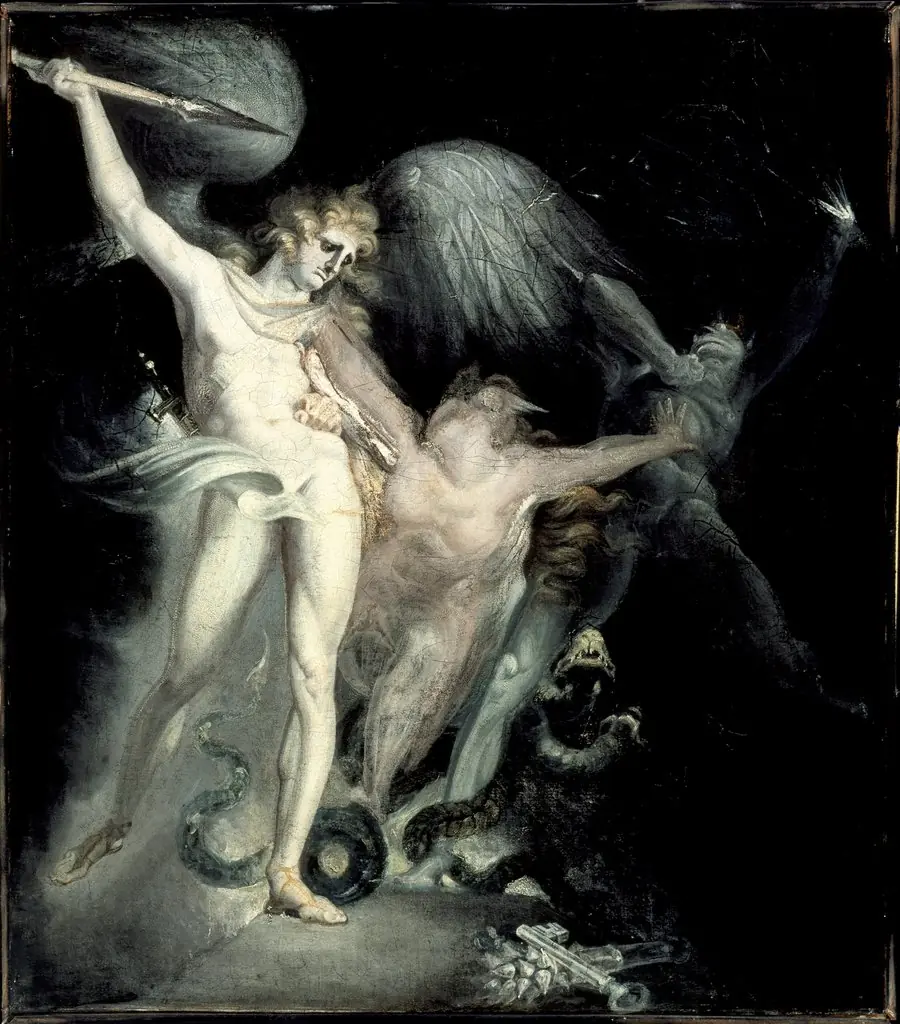 Satan and Death with Sin Intervening
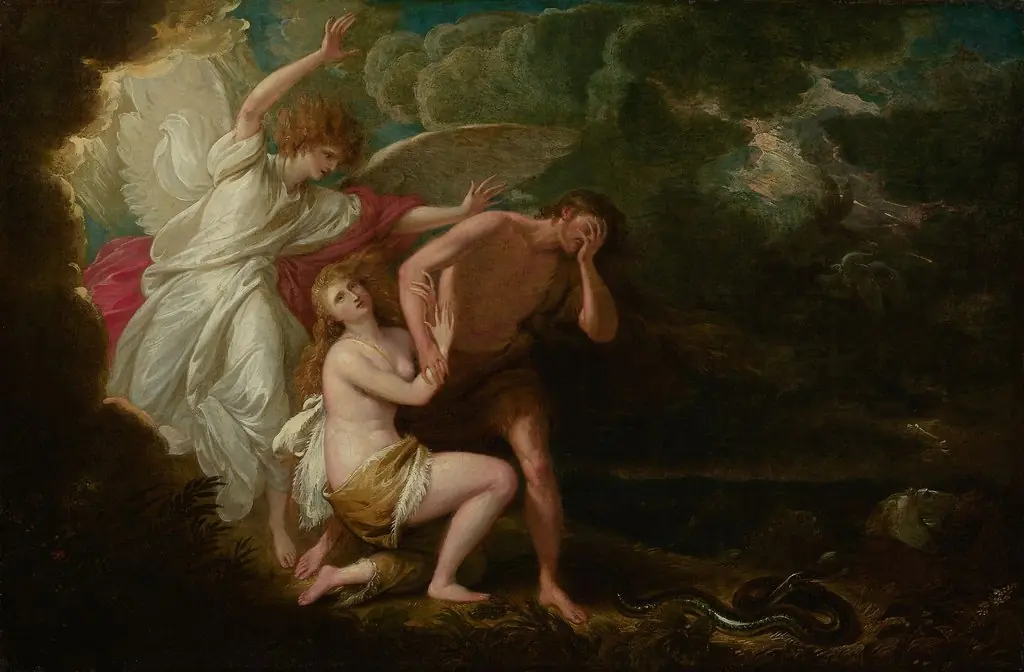 The Expulsion of Adam and Eve from Paradise
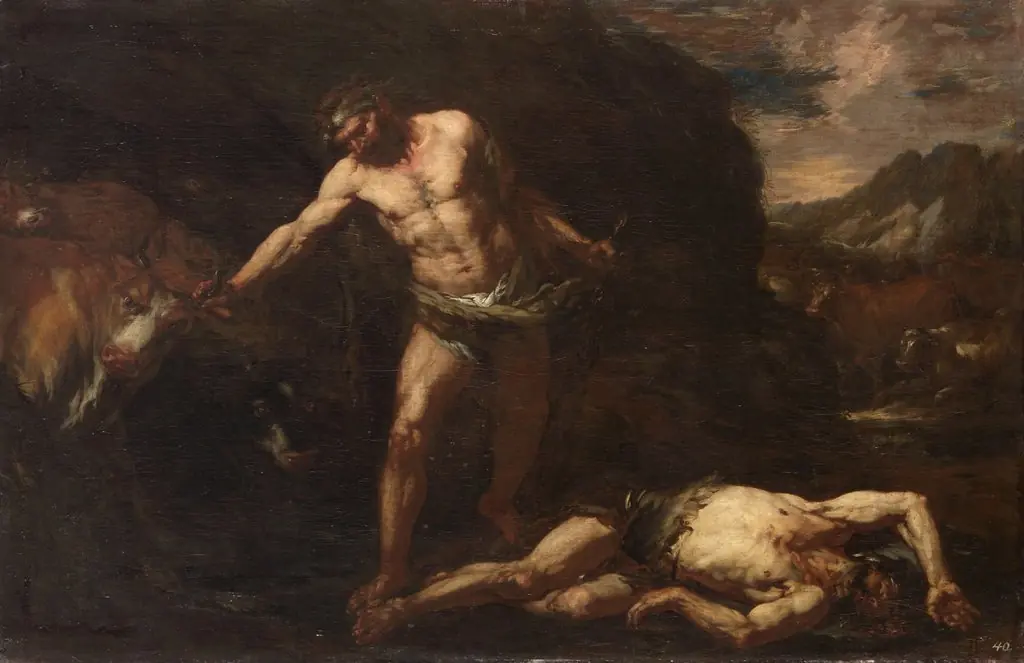 Hercules tötet den Riesen Cacus und raubt die Rinder des Geryoneus
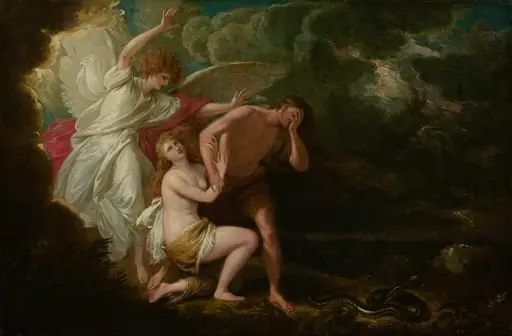 The Expulsion of Adam and Eve from Paradise
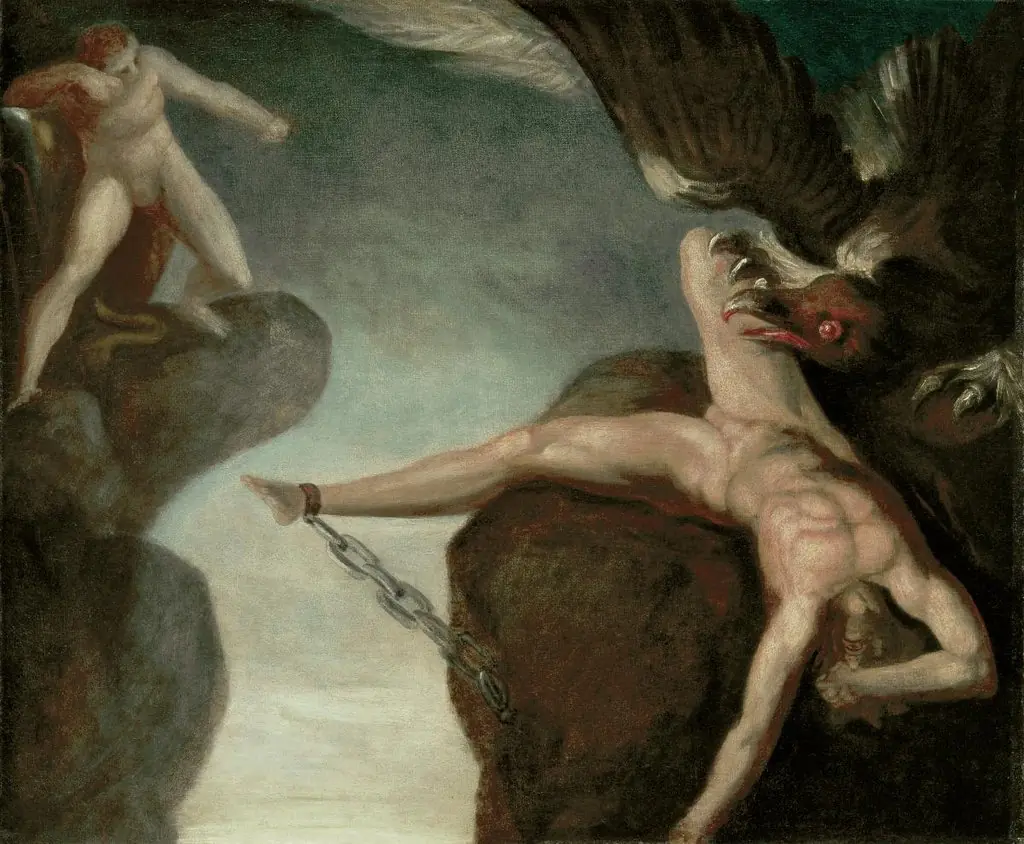 Herakles erlegt den Adler des Prometheus
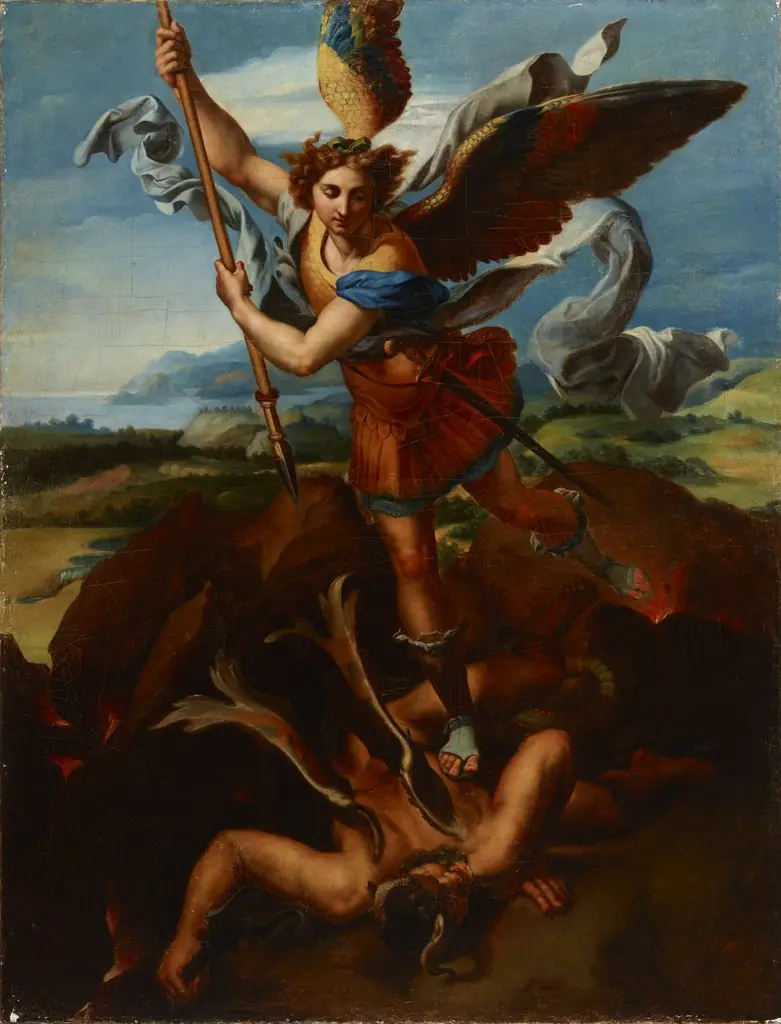 Saint Michael the Archangel Vanquishing Satan
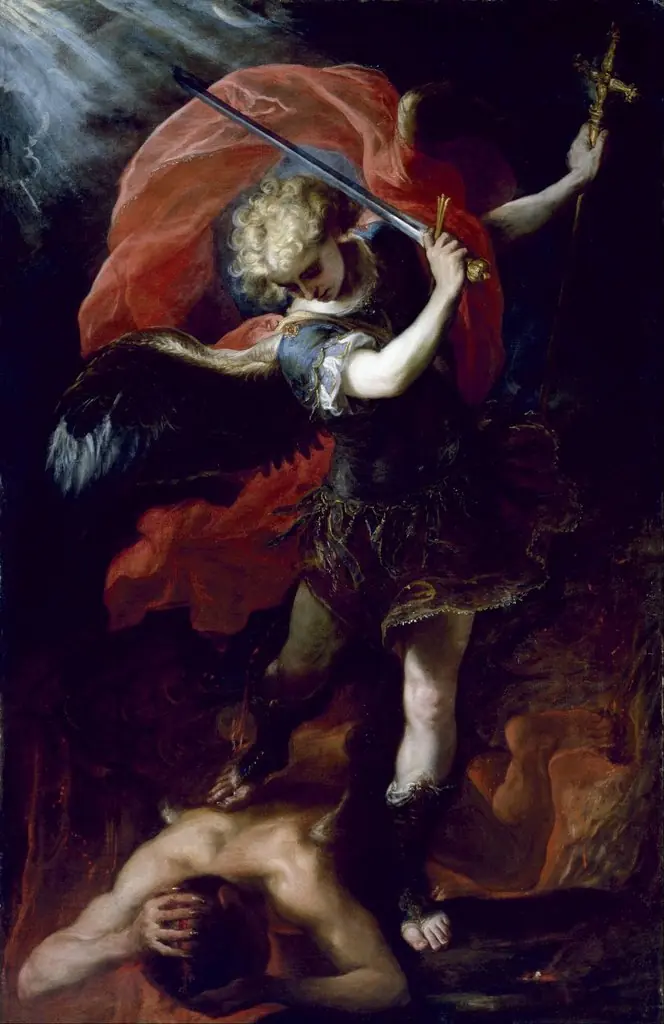 Saint Michael the Archangel
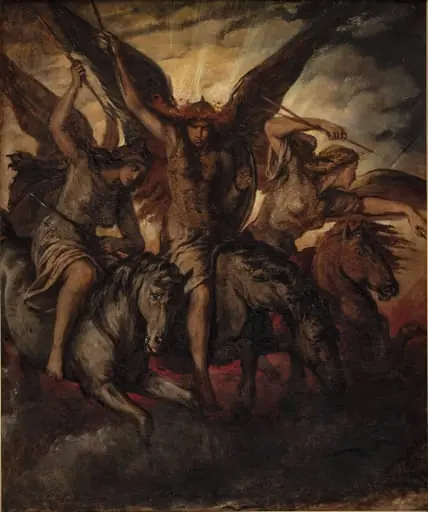 Valkyries
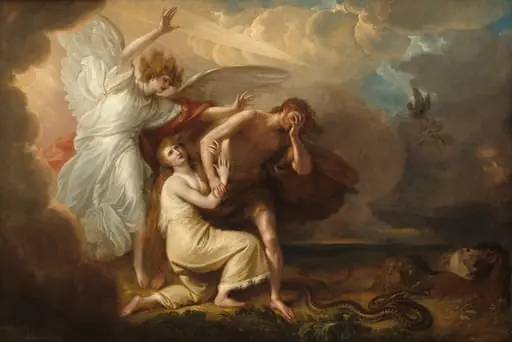 The Expulsion of Adam and Eve from Paradise
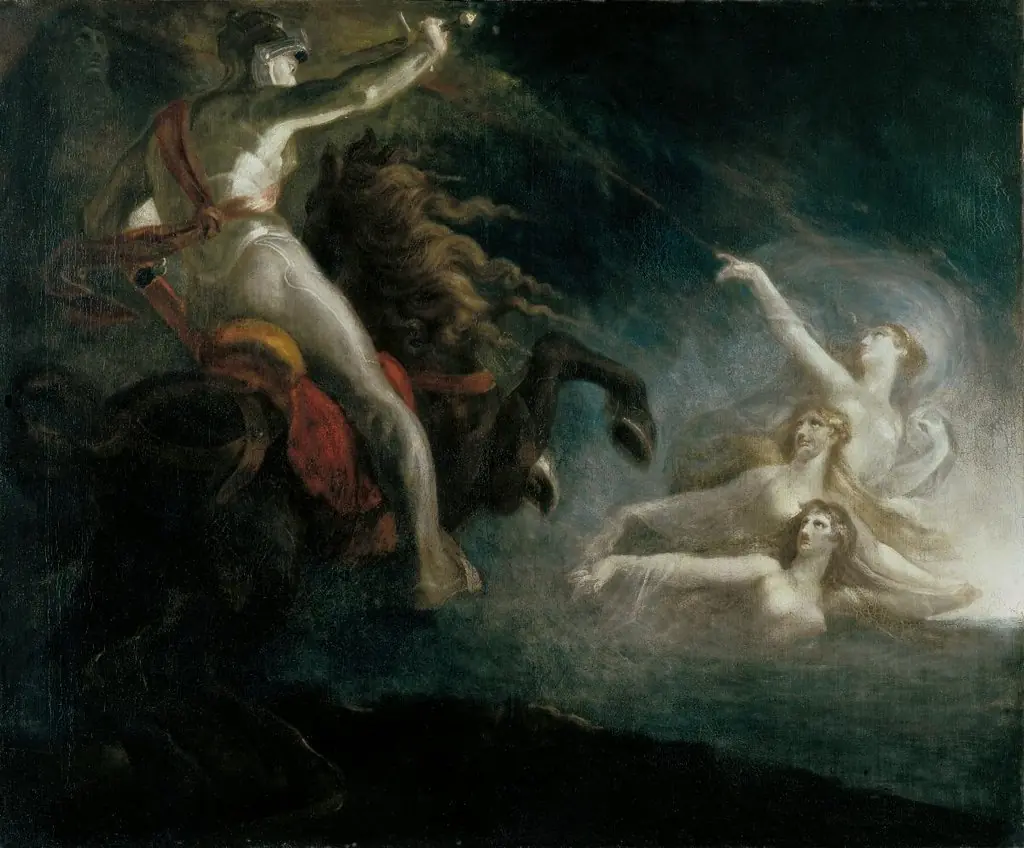 Die Donaunixen prophezeien Hagen den unglücklichen Ausgang von Gunthers Zug
 Valkyries
 Heaven and Hell