Artwork
The Great Red Dragon and the Beast from the Sea
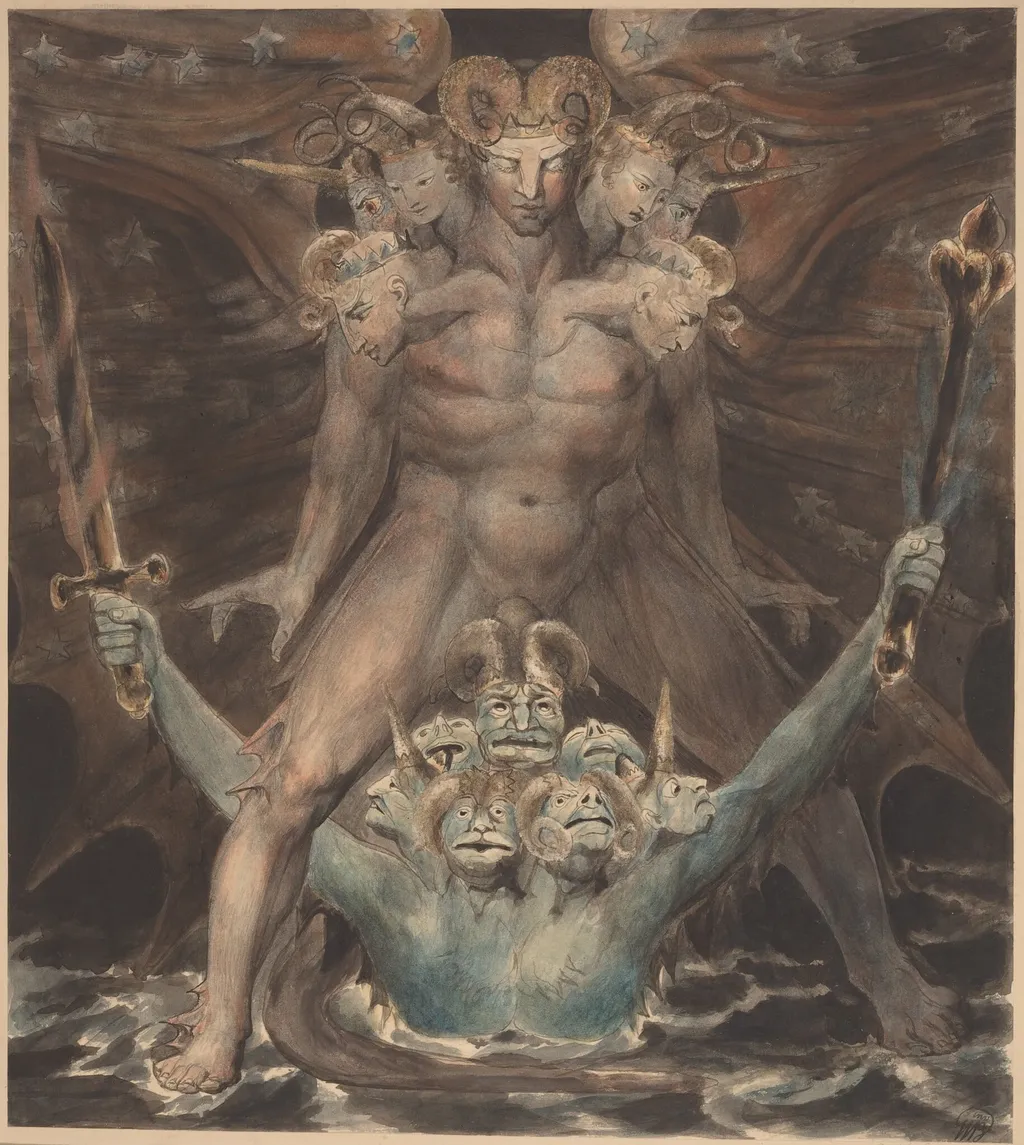
The Great Red Dragon and the Beast from the Sea is an ink drawing by the Romanticist artist William Blake. It dates from 1805 and is held in the collection of the National Gallery of Art.
About this work
Overview
It belongs to a series of watercolors Blake produced illustrating biblical prophecies, reflecting his lifelong engagement with spiritual and apocalyptic themes.
Created around 1805, this drawing by William Blake combines pen and ink with watercolor over graphite to illustrate a scene from the Book of Revelation. It belongs to a series of watercolors Blake produced illustrating biblical prophecies, reflecting his lifelong engagement with spiritual and apocalyptic themes. Though largely overlooked in his time, the work now stands as a key example of his visionary approach to visual storytelling.
Subject & Meaning
The image depicts the Beast from the Sea, a figure described in Revelation 13, symbolizing earthly tyranny and divine judgment. The six-headed, horned form embodies multifaceted corruption and chaos, each face expressing a different emotion. The figure rises from turbulent waters, suggesting emergence from primal disorder. Blake’s interpretation aligns with his belief in spiritual conflict, where physical forms manifest moral and cosmic struggles.
Technique & Style
Blake employed fine pen lines to define the beast’s muscular form, layered with translucent watercolor washes that create depth without saturation. The graphite underdrawing guides the composition’s structure, while the faces are rendered in cool blues and greens, contrasting with the earth-toned body. The background’s dark, swirling waves enhance the sense of motion, directing focus to the central figure through rhythmic, agitated brushwork.
History & Provenance
The work was made as part of a commission for Thomas Butts, a patron who supported Blake’s biblical illustrations. It remained in Butts’s collection until the 19th century, later entering private hands before being acquired by the Brooklyn Museum in 1937. Unlike Blake’s published engravings, these watercolors were personal projects, rarely exhibited during his lifetime, contributing to their obscurity until later scholarly interest.
Context
Blake produced this piece during a period of intense spiritual and political upheaval in Britain, following the French Revolution and amid industrial transformation. His biblical imagery served as allegory for contemporary oppression and moral decay. Rejecting academic conventions, he drew from mystical traditions and personal revelation, positioning his art as a counterpoint to Enlightenment rationalism.
Legacy
Though unrecognized in his era, Blake’s prophetic imagery, including this drawing, gained prominence in the late 19th and 20th centuries as Romanticism and Symbolism reevaluated his work. Scholars now regard his biblical visions as precursors to modern psychological and surrealist art. The piece continues to inform discussions on the intersection of religion, imagination, and visual symbolism in Western art.
Artist & collection
Artist
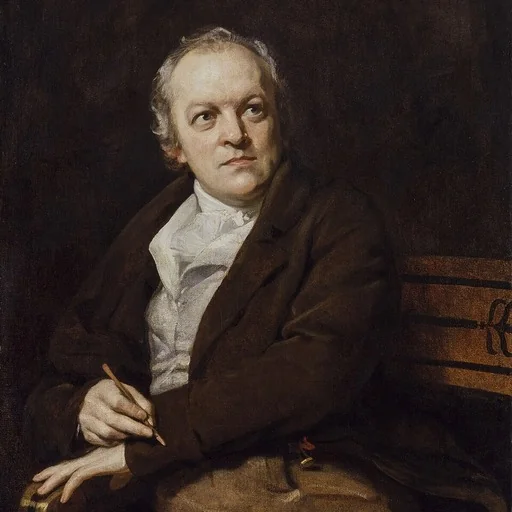
William Blake (28 November 1757 – 12 August 1827) was an English poet, painter and printmaker.

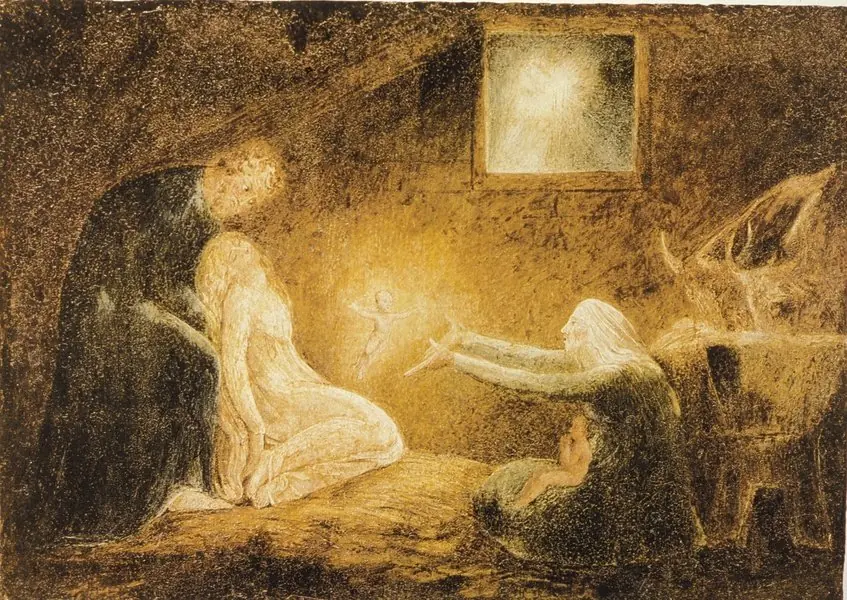
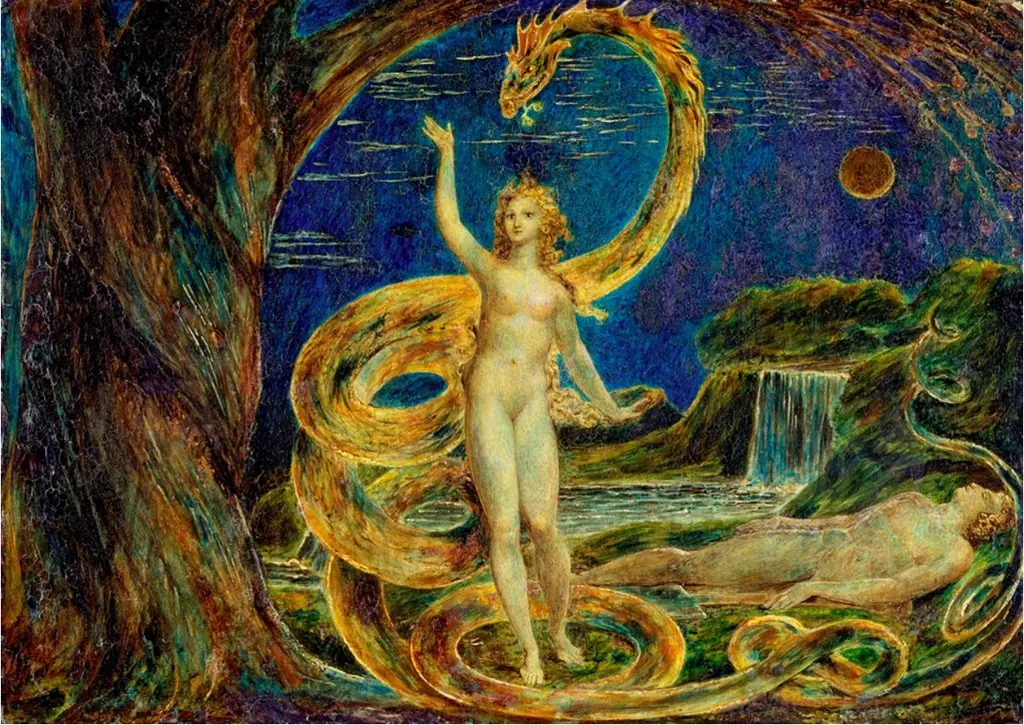
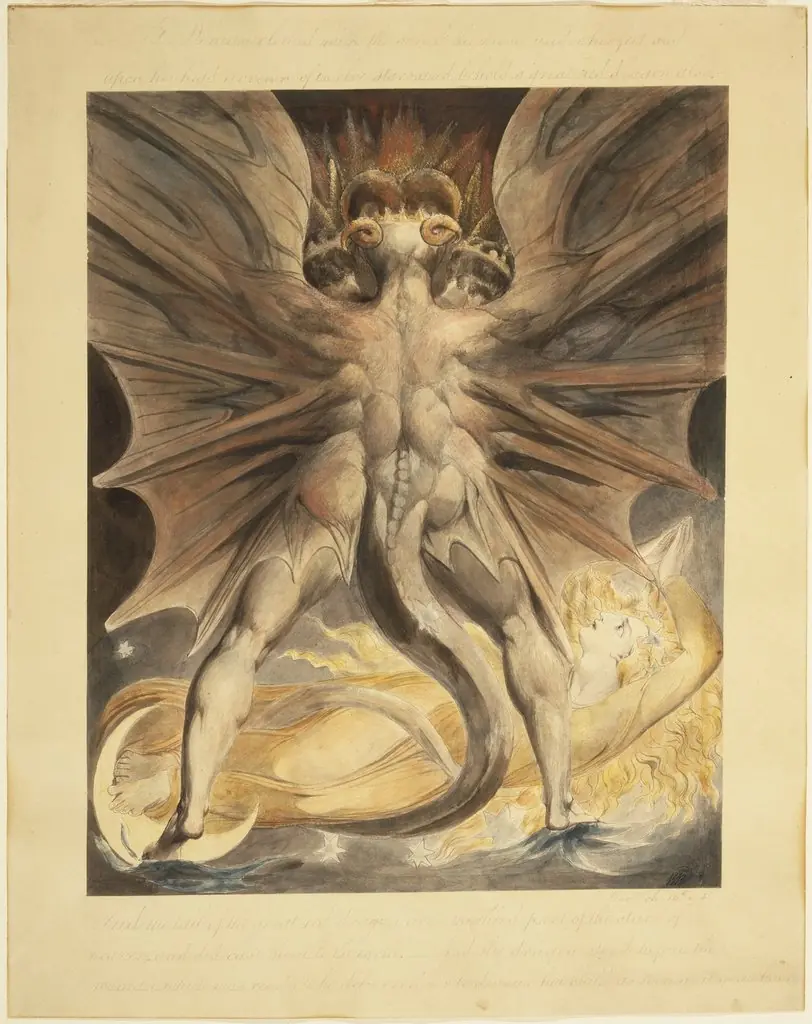 The Great Red Dragon and the Woman Clothed with the Sun (Rev. 12: 1-4)
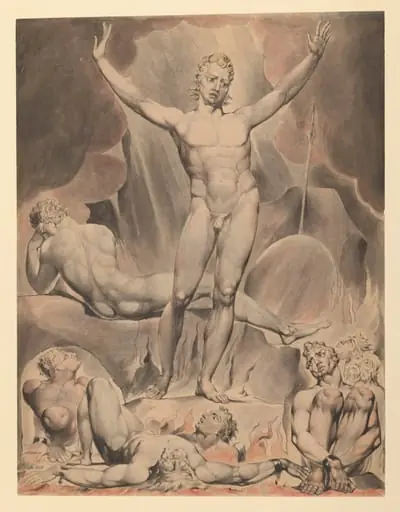 Satan arousing the rebel angels
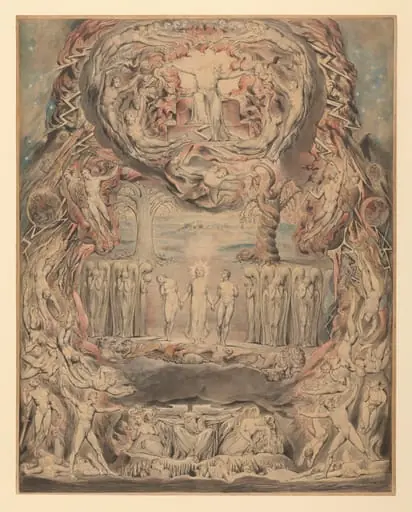 The Fall of Man
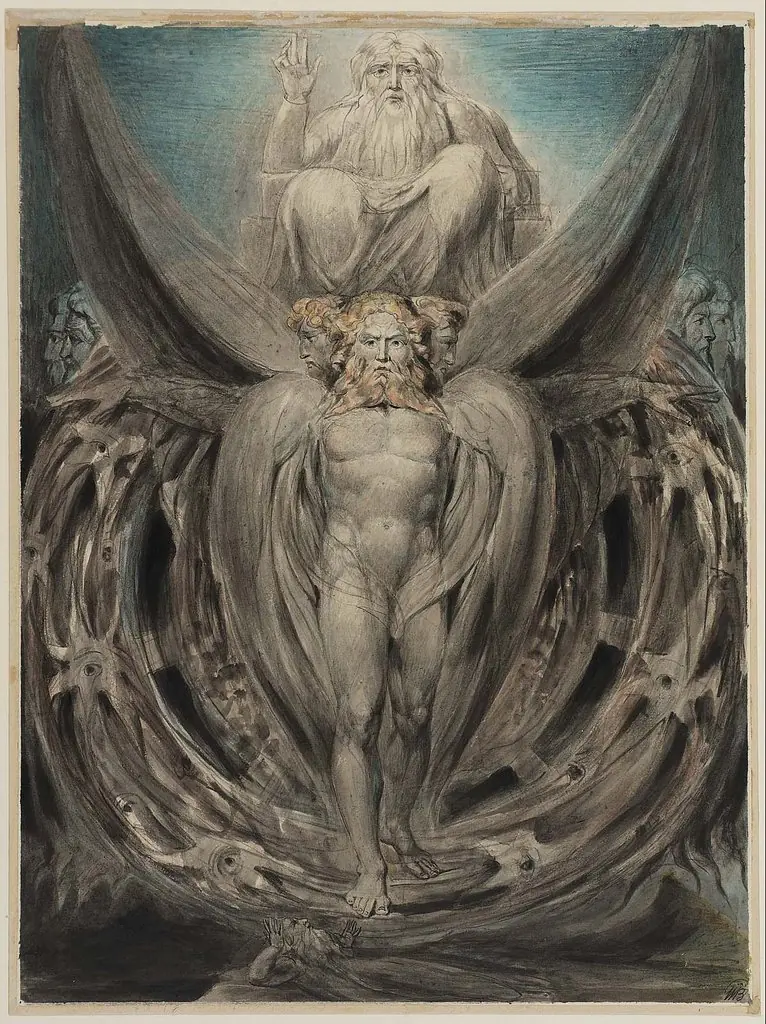 Ezekiel's Wheels
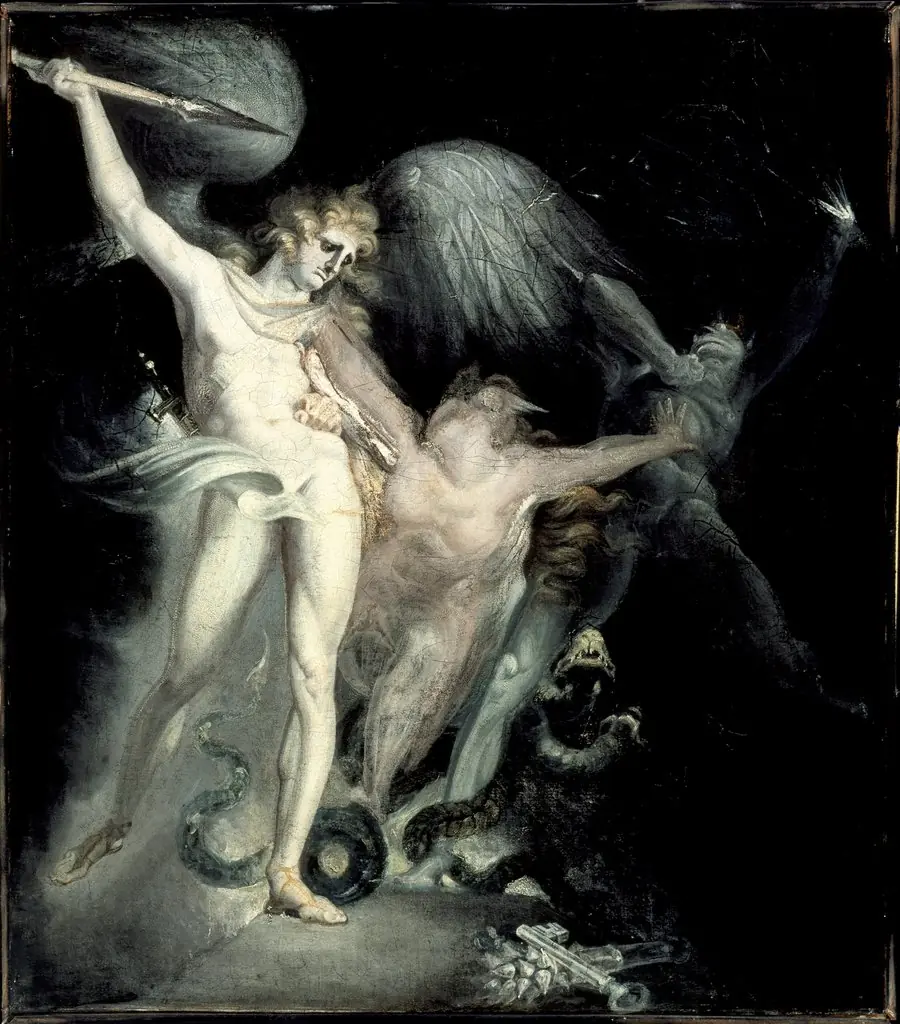 Satan and Death with Sin Intervening
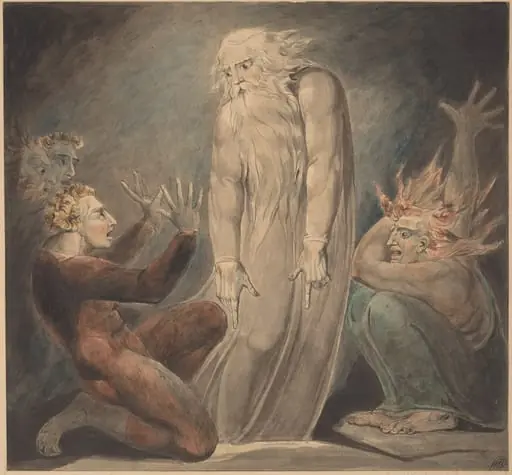 The Ghost of Samuel Appearing to Saul
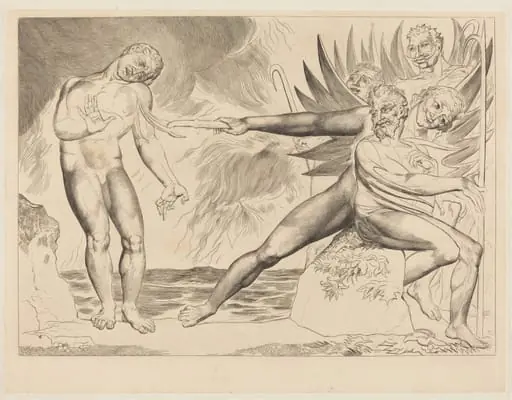 The Circle of the Corrupt Officials; the Devils Tormenting Ciampolo
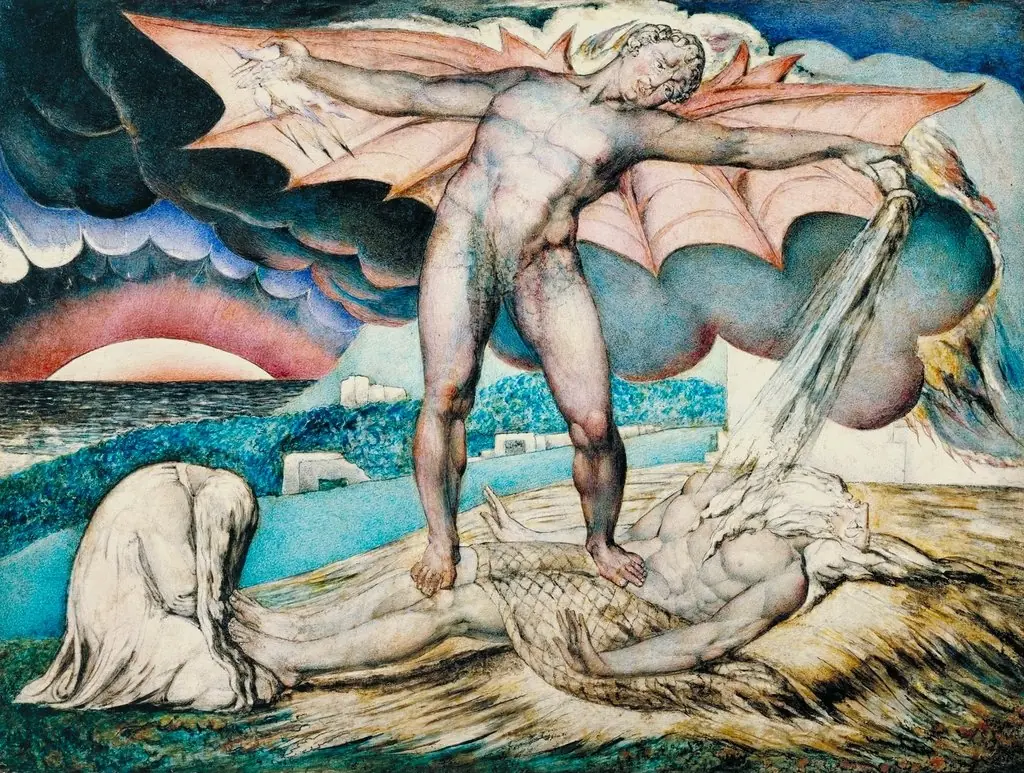 Satan Smiting Job with Sore Boils
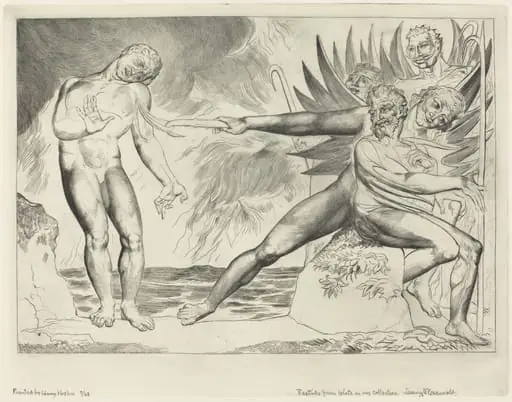 The Circle of the Corrupt Officials; The Devils Tormenting Ciampolo
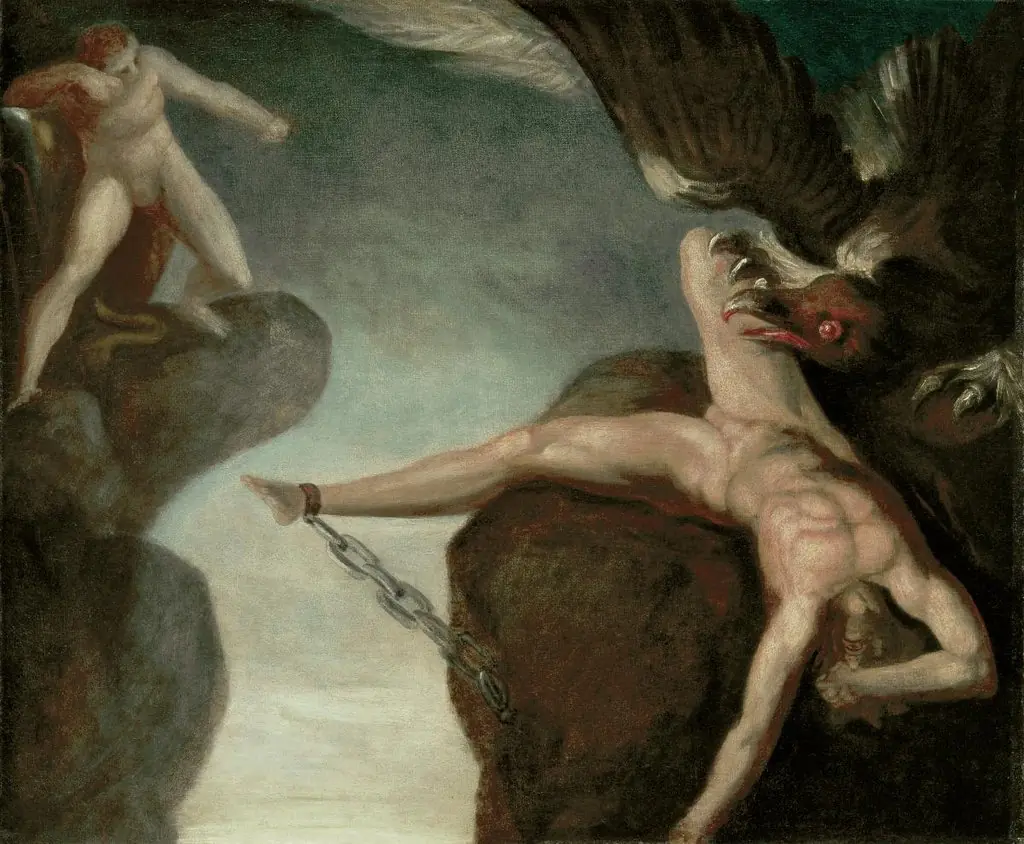 Herakles erlegt den Adler des Prometheus