Artwork
George Dyer, with his dog, Daphne
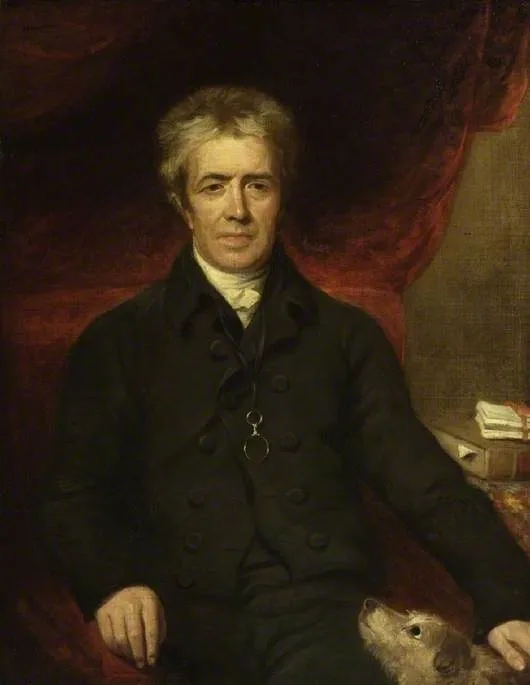
George Dyer, with his dog, Daphne is an oil painting by the Realist artist Henry Hoppner Meyer. It dates from 1819 and is held in the collection of the Fitzwilliam Museum.
About this work
Overview
Meyer, a British artist trained at the Royal Academy Schools under Francesco Bartolozzi, specialized in portraiture and engraving.
Painted in 1819 by Henry Hoppner Meyer, this oil portrait depicts George Dyer seated beside his dog, Daphne. Meyer, a British artist trained at the Royal Academy Schools under Francesco Bartolozzi, specialized in portraiture and engraving. The work is part of the Fitzwilliam Museum’s collection and reflects the quiet realism favored in early 19th-century British painting, emphasizing personal presence over grandeur.
Subject & Meaning
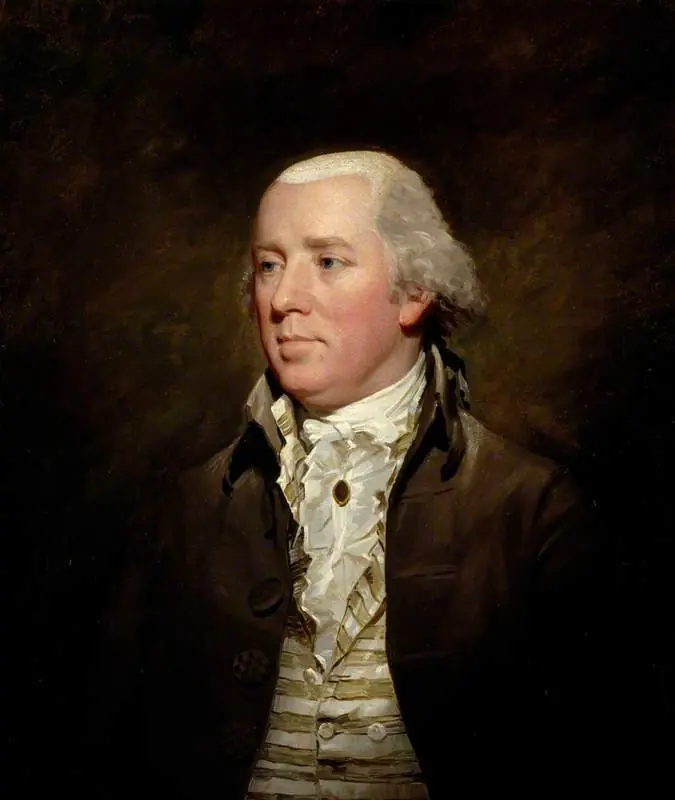
George Dyer, dressed in formal black attire with a white cravat, is portrayed in a composed, intimate moment with his dog. The gesture of his hand resting on Daphne’s head suggests companionship and tenderness, softening the formality of his dress. The inclusion of the animal transforms the portrait from a conventional likeness into a more personal narrative, hinting at domestic life and emotional connection beyond social status.
Technique & Style
Meyer employed chiaroscuro to model the figure with subtle gradations of light and shadow, giving volume to the coat and face while anchoring the subject against a dark, undefined background. The brushwork is precise yet restrained, focusing on texture—the weave of fabric, the softness of fur—without overt embellishment. This restrained realism aligns with the period’s preference for naturalism over theatricality.
History & Provenance
The painting was completed in 1819, during Meyer’s active years as a portraitist. It entered the Fitzwilliam Museum’s collection through established acquisition channels, likely from a private British estate. No significant alterations or documented restorations are recorded, and its condition remains consistent with careful preservation since the early 19th century.
Context
In early 19th-century Britain, portraiture often served to convey social standing, yet this work diverges slightly by emphasizing domestic intimacy. While formal attire was standard, the inclusion of a pet was uncommon in official portraits, making this piece a quiet example of evolving personal expression in middle- and upper-class visual culture.
Legacy
Though Meyer was better known for his engravings, this portrait endures as a modest but thoughtful example of his oil painting skill. It contributes to the broader understanding of how British artists balanced social convention with personal detail during the transition from Neoclassical ideals toward more intimate, psychologically grounded portraiture.
Artist & collection
Artist
Henry Hoppner Meyer RBA (12 June 1780 – 28 May 1847) was a British portrait painter and stipple and mezzotint engraver.

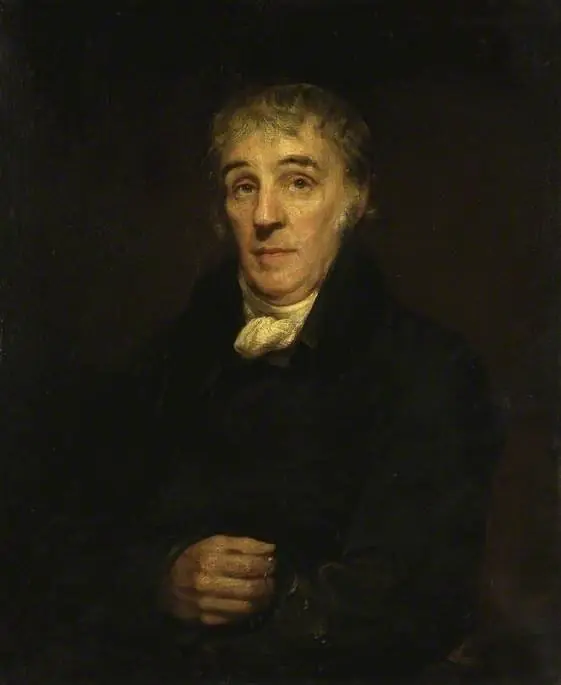 Thomas Stothard, R.A.
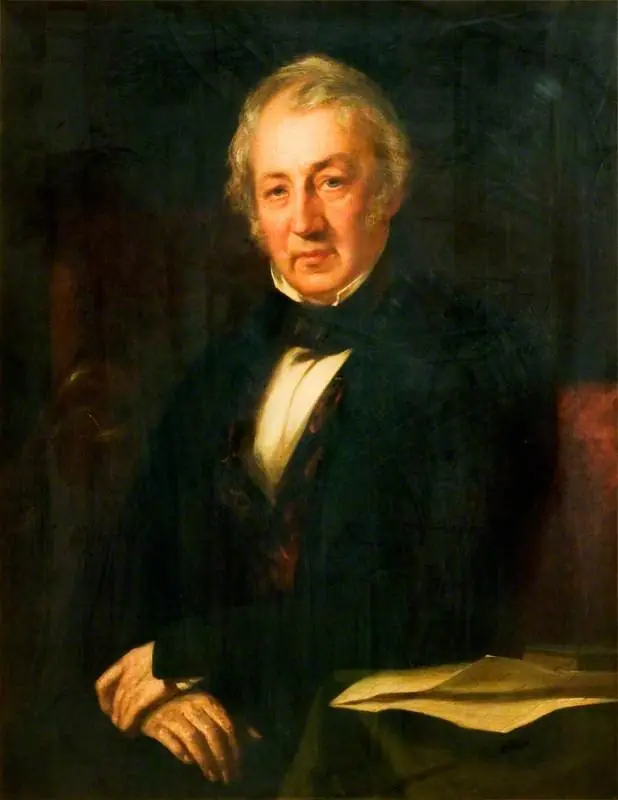 Andrew Ure (1778–1857), MD, FRS
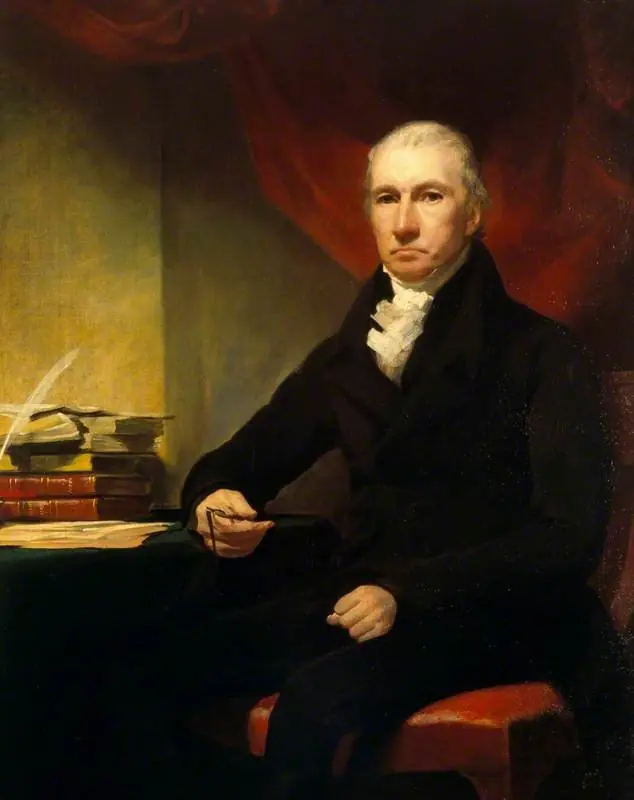 James Thomson of Nether Bogie (1749 - 1831)
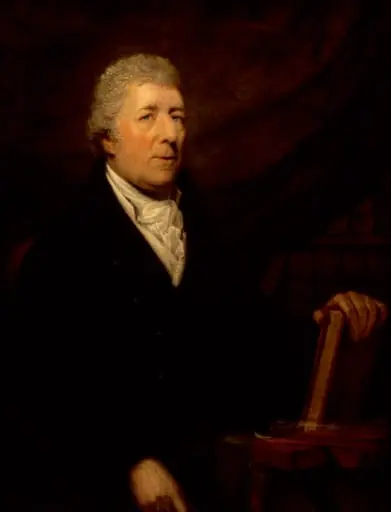 Francis Annesley
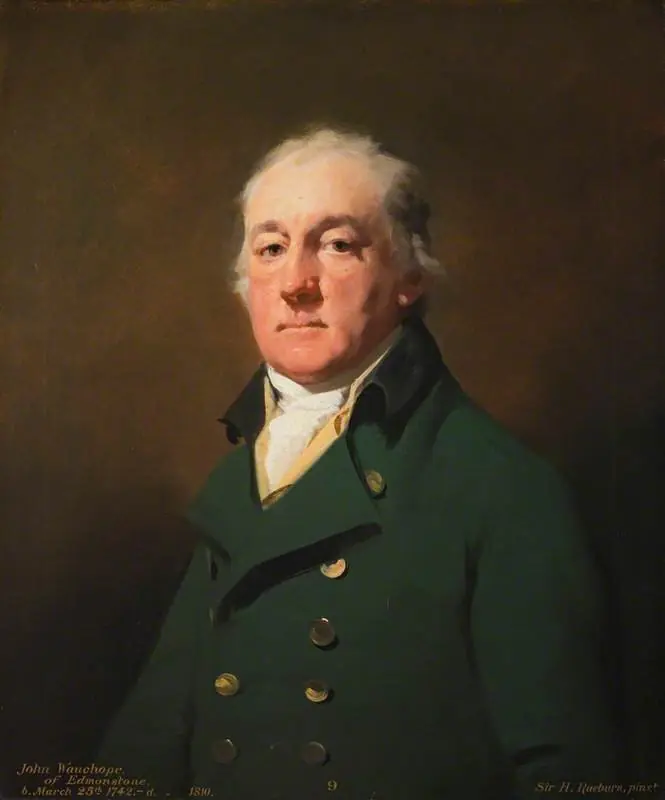 John Wauchope of Edmonstone (1742 - 1810)
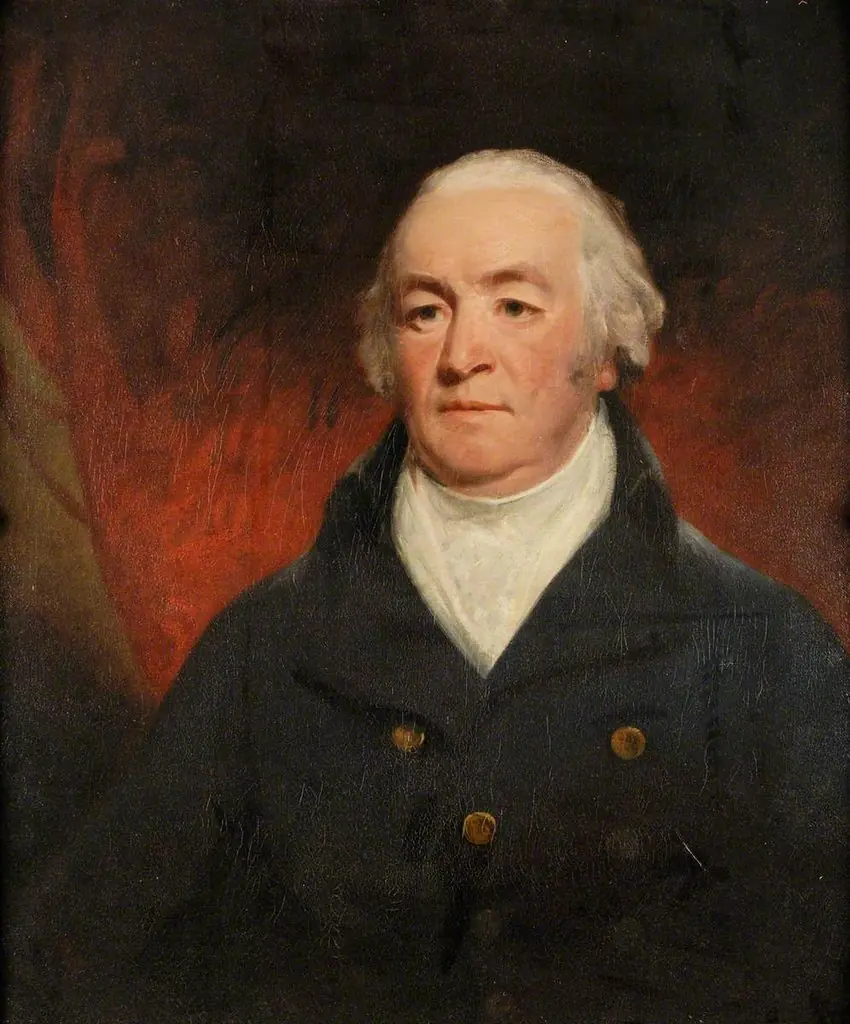 Thomas Williams
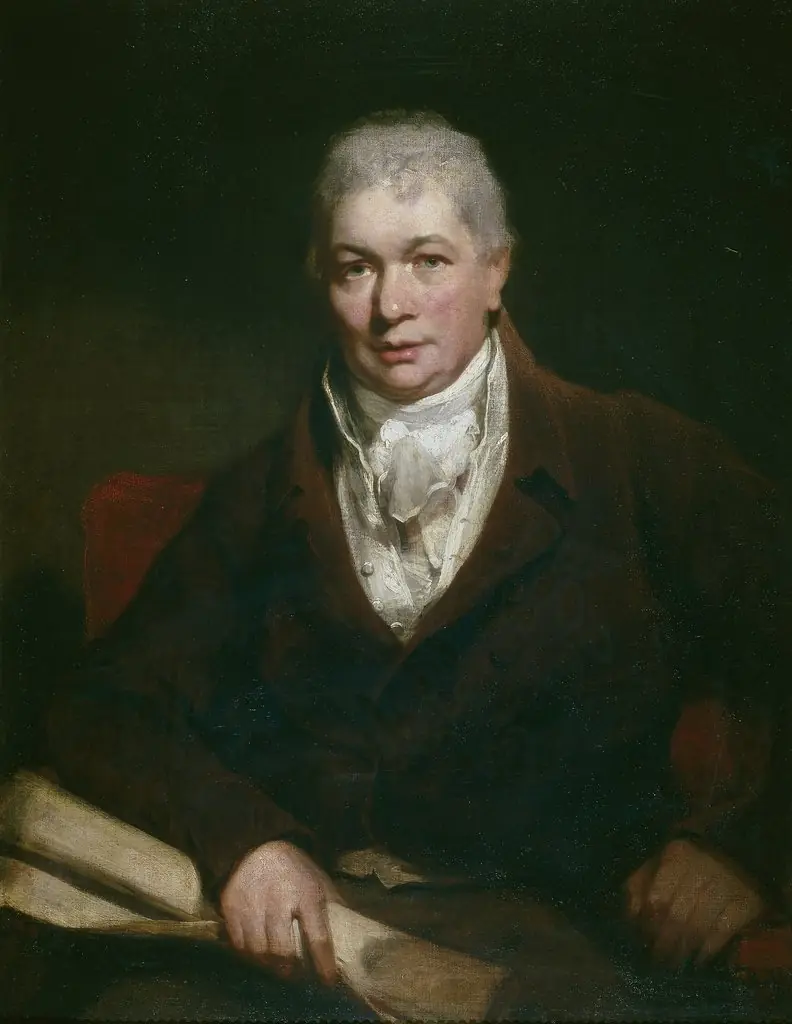 Portrait of a Man
 Portrait of Sir John Edward Browne
 George Stephenson (1781–1848)
 Portrait of John Reeves, 1774-1856
 Joseph Planta (1744–1827), Principal Librarian (1799–1827)
 John Smith of Craigend (1739 - 1816)