Artwork
Les Roses: Rosa Lucida
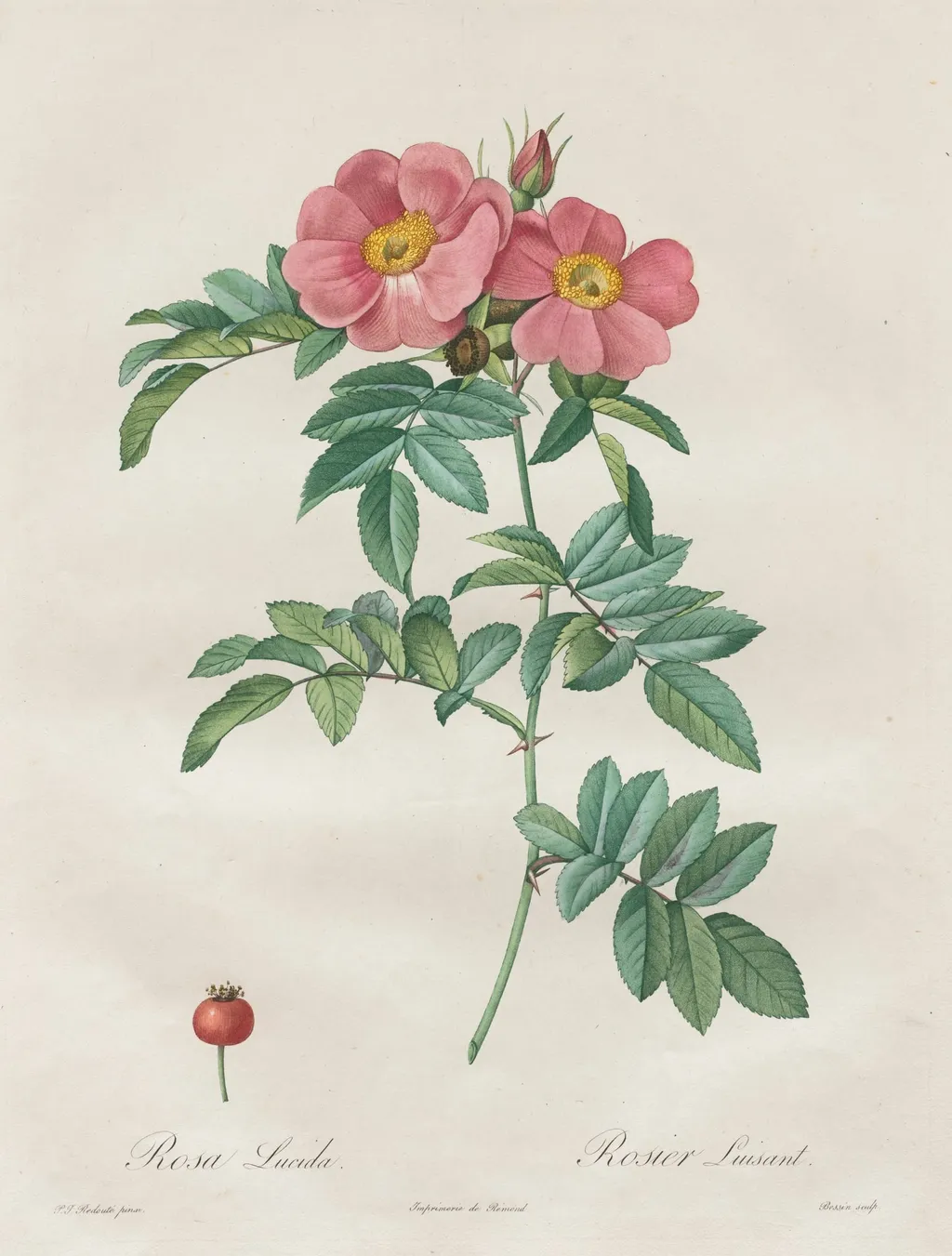
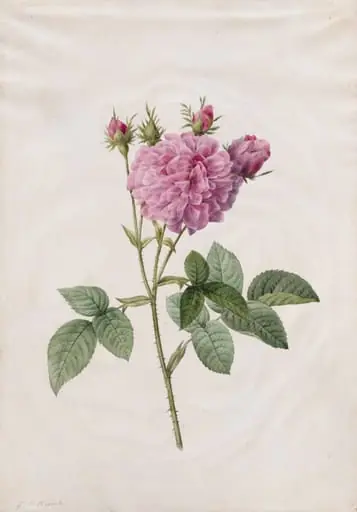
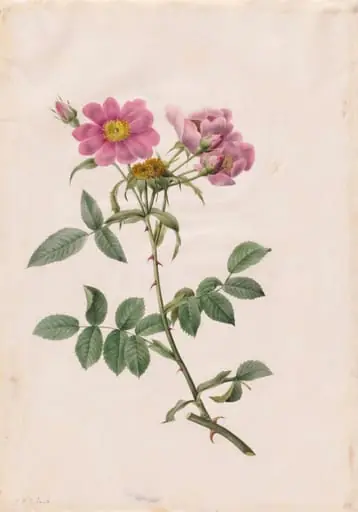
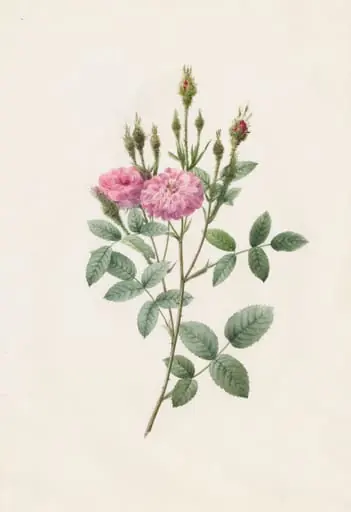
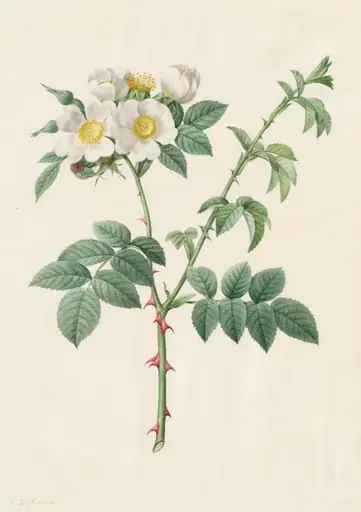
Les Roses: Rosa Lucida is a print by the Romanticist artist Henry Joseph Redouté. It dates from 1820 and is held in the collection of the Cleveland Museum of Art.
About this work
Overview
The work reflects the scientific and aesthetic interests of early 19th-century botanical illustration, emphasizing accuracy over ornamentation.
Les Roses: Rosa Lucida is a botanical print from 1820 by Henry Joseph Redouté, part of a series documenting rose varieties cultivated at the Château de Malmaison. Executed as a detailed lithograph, it belongs to the collection of The Cleveland Museum of Art. The work reflects the scientific and aesthetic interests of early 19th-century botanical illustration, emphasizing accuracy over ornamentation.
Subject & Meaning
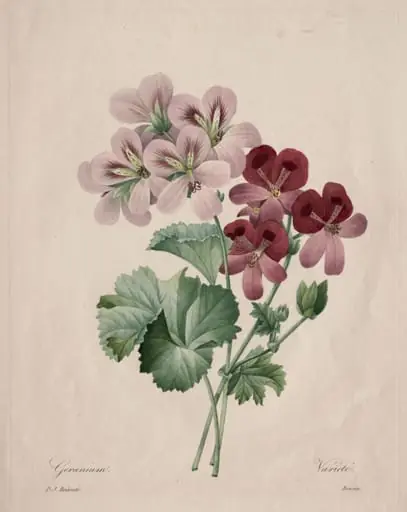
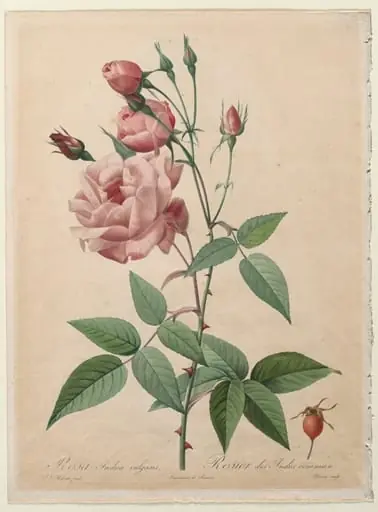
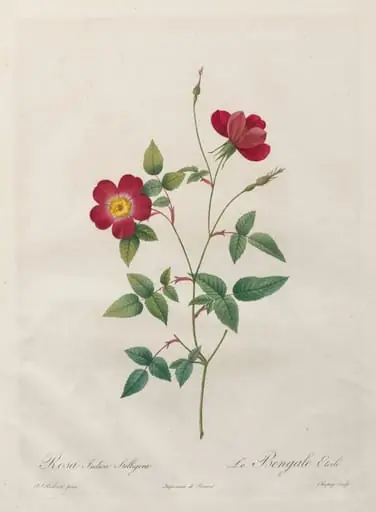
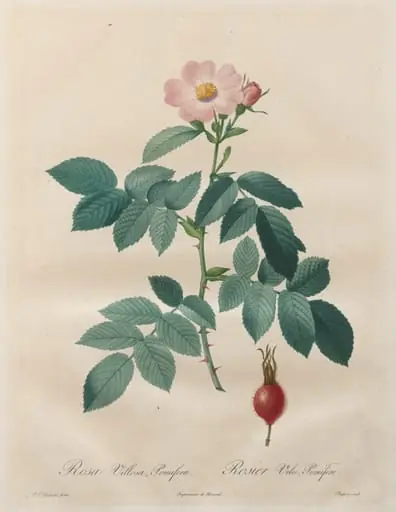
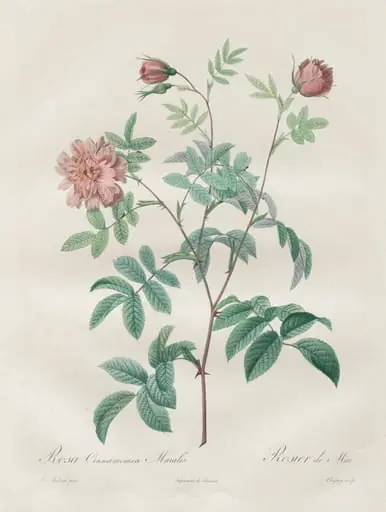
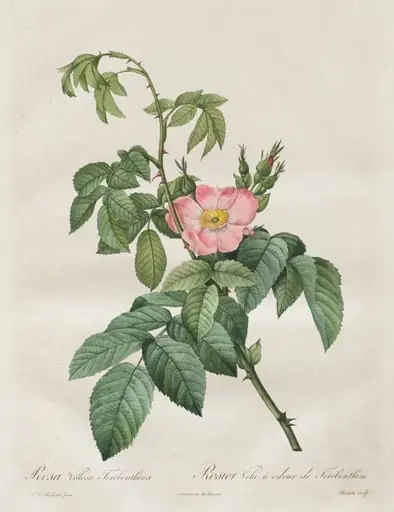
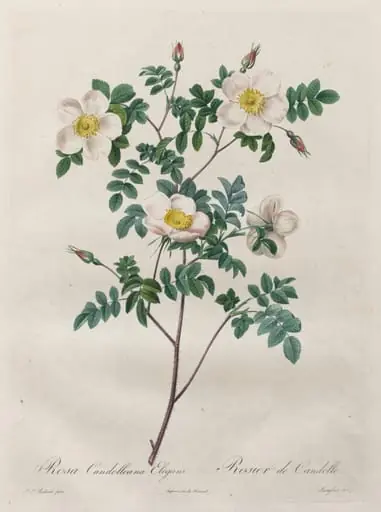
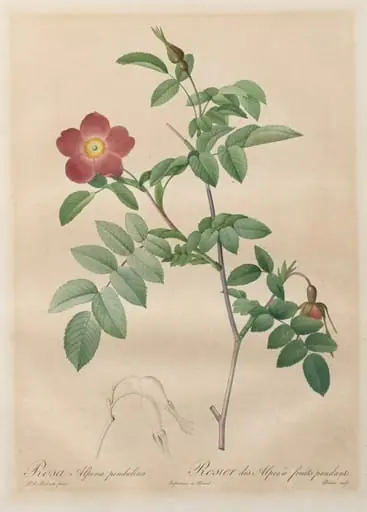
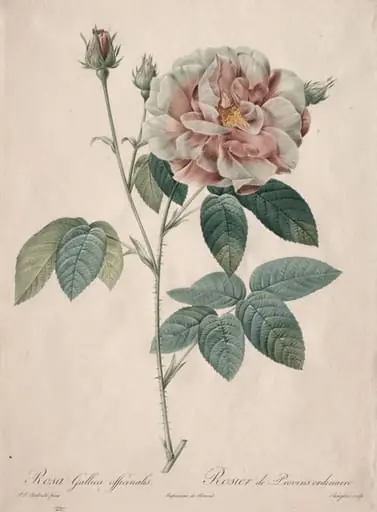
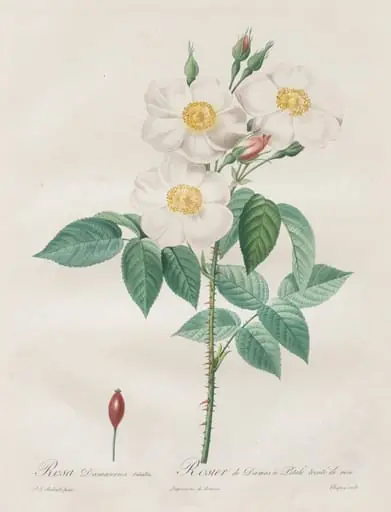
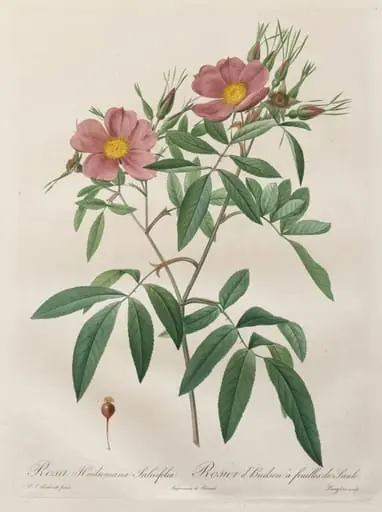
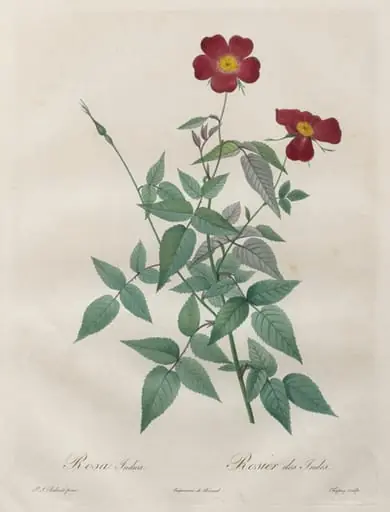
The print depicts three tightly arranged blooms of Rosa lucida, rendered with meticulous attention to petal structure and natural variation. The plain white background isolates the flowers, directing focus to their form and texture. These images were not merely decorative but served as botanical records, preserving the appearance of roses grown under Empress Joséphine’s patronage, who sought to catalog every variety in her garden.
Technique & Style
Redouté employed lithography to achieve fine, controlled lines and subtle tonal gradations. His technique prioritized precision, capturing the delicate curves of petals and the slight asymmetry of natural growth. The absence of landscape or contextual elements reflects a scientific approach, aligning with contemporary botanical standards that valued clarity and diagnostic detail over artistic embellishment.
History & Provenance
Created during Redouté’s tenure as court artist to Empress Joséphine, this print originated from a larger project commissioned to document the roses in her garden at Malmaison. The series was intended as both a scientific archive and a tribute to her passion for horticulture. The work entered The Cleveland Museum of Art’s collection through established acquisition channels, preserving its historical and artistic significance.
Context
Redouté’s work emerged during a period when botanical illustration was increasingly tied to scientific inquiry and imperial collections. The cultivation of exotic plants, especially roses, symbolized Enlightenment-era interests in classification and natural order. Joséphine’s garden, one of Europe’s most extensive rose collections, provided the primary source material for Redouté’s detailed studies.
Legacy
Though Henry Joseph Redouté is less widely known than his brother Pierre-Joseph, his contributions to botanical printmaking helped refine the genre’s standards. The Rosa lucida series remains a reference for historians of horticulture and print, illustrating the intersection of art, science, and aristocratic patronage in early 19th-century France.
Artist & collection
Artist
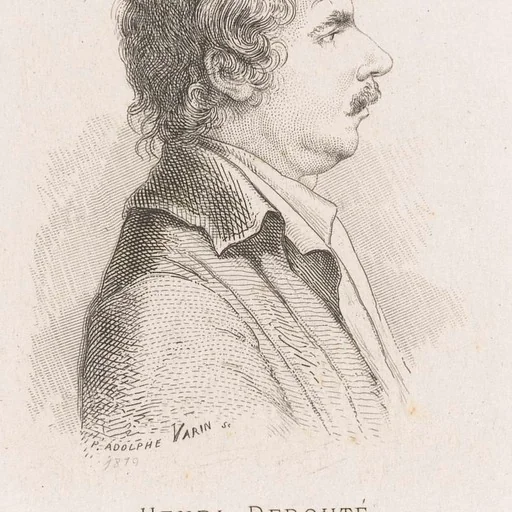
Henry Joseph Redouté (1766–1852) was a French artist, born in Saint-Hubert.