Artwork
A Woman doing Laundry
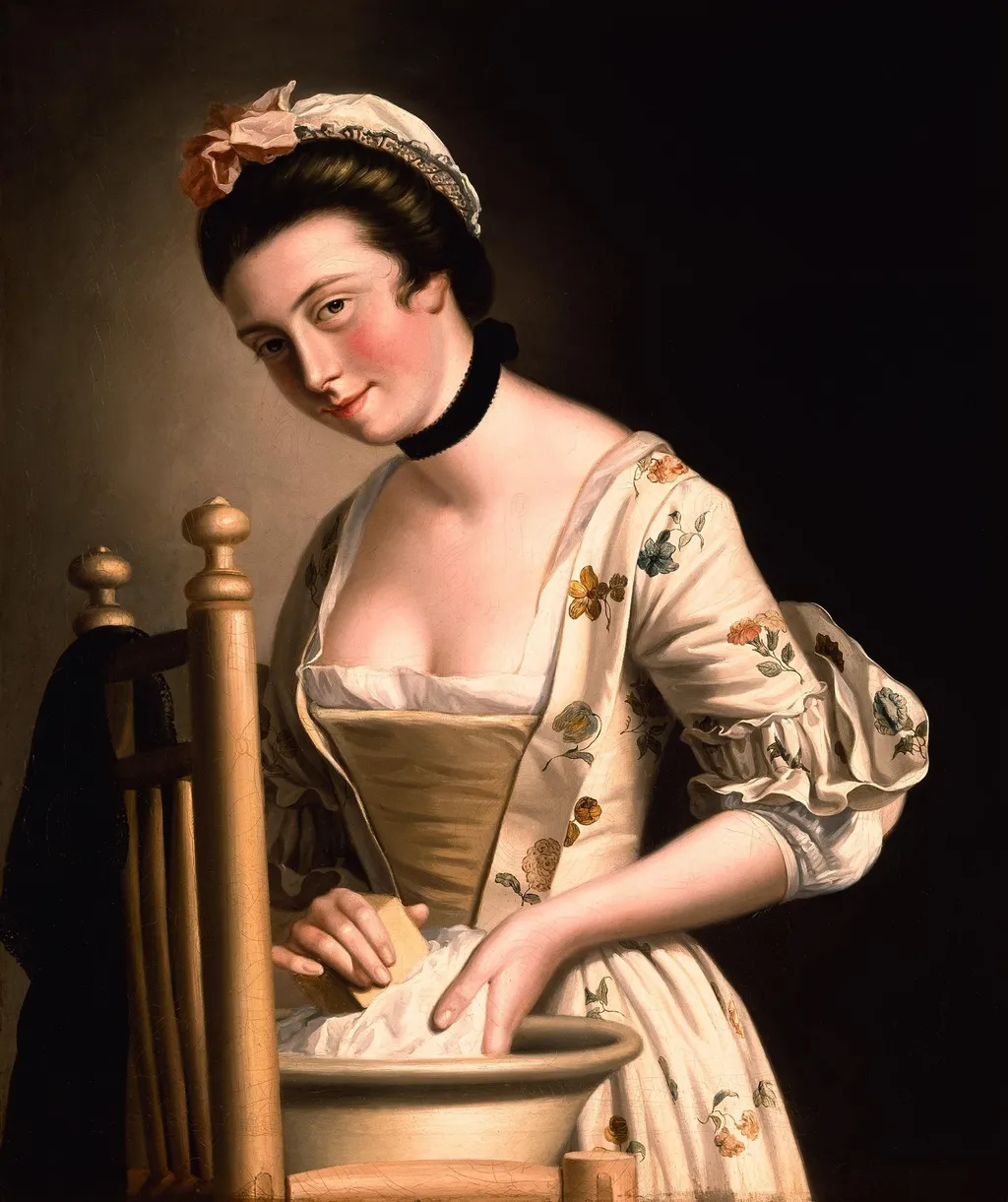
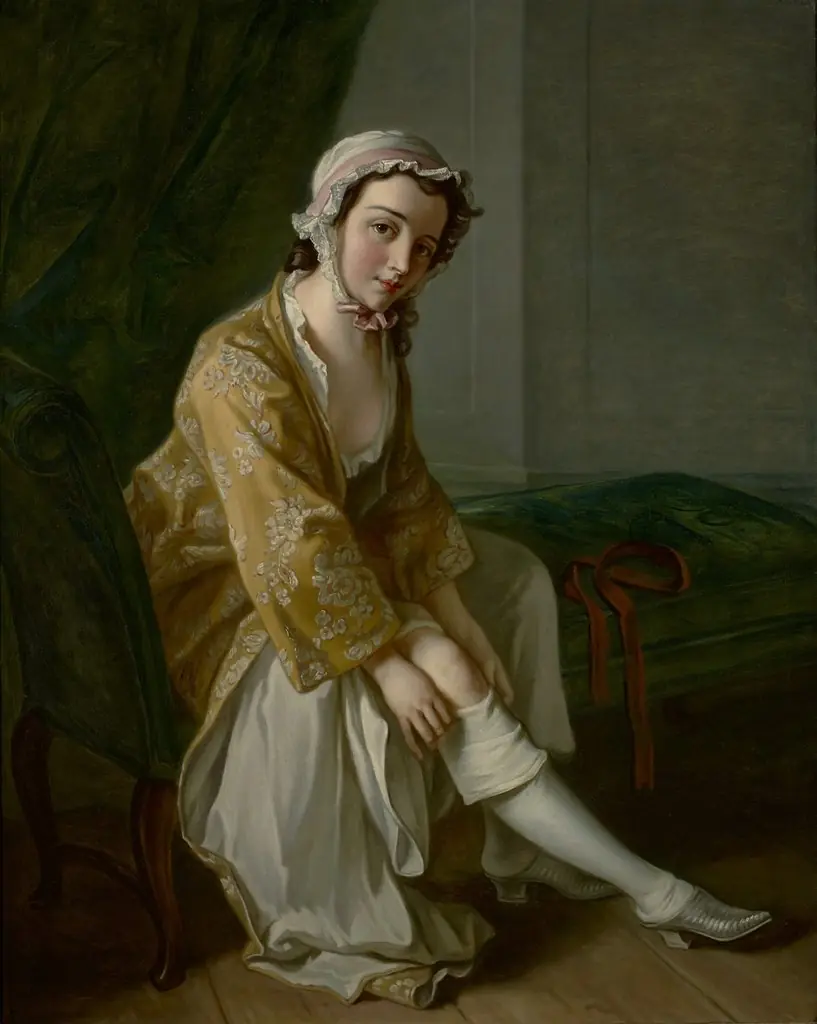
A Woman doing Laundry is an oil painting by the Rococo painting artist Henry Robert Morland. It dates from 1750 and is held in the collection of the Denver Art Museum.
About this work
Overview
Painted around 1750 by Henry Robert Morland, this oil-on-canvas work captures a quiet domestic moment: a woman engaged in the routine of laundry.
Painted around 1750 by Henry Robert Morland, this oil-on-canvas work captures a quiet domestic moment: a woman engaged in the routine of laundry. Morland, primarily known for portraiture and as the father of animal painter George Morland, turned his attention to everyday life in this piece. The painting is part of the Denver Art Museum’s collection and reflects the softer, intimate tendencies of Rococo sensibility, even as it avoids the movement’s typical ornamental excess.
Subject & Meaning
The painting portrays a working-class woman performing a common household task, emphasizing diligence rather than spectacle. Her focused posture and modest attire suggest a life defined by labor, not leisure. The absence of narrative drama or symbolic elements directs attention to the dignity of routine work. The scene offers no moralizing tone, instead presenting domestic labor as a natural, unremarkable part of daily existence.
Technique & Style
Morland employs subtle chiaroscuro to model the woman’s form against a dark background, lending volume without theatricality. The brushwork is restrained, with soft transitions between light and shadow. Her floral dress and white head covering are rendered with attention to fabric texture, while the wooden tub and apron are suggested rather than meticulously detailed. The composition is intimate, centered and balanced, reinforcing the quiet gravity of the moment.
History & Provenance
The painting’s early history is undocumented, but it entered the Denver Art Museum’s collection in the 20th century. Morland’s reputation as a portraitist of the British elite makes this domestic scene an unusual departure, suggesting a broader interest in ordinary life. Its survival and preservation reflect a later 19th- or 20th-century appreciation for genre scenes that had previously been overlooked in favor of grand historical or aristocratic subjects.
Context
In mid-18th-century Britain, domestic labor was rarely the subject of fine art, especially when depicted without idealization. While Rococo art often celebrated aristocratic leisure, Morland’s focus on a working woman aligns with emerging interest in the lives of common people. This work exists at the margins of its time’s artistic priorities, offering a quiet counterpoint to the era’s more flamboyant tendencies.
Legacy
Though not widely exhibited or studied, the painting contributes to a growing body of 18th-century genre works that depict labor with restraint and empathy. It stands as an early example of British art turning toward the unadorned realities of daily life, foreshadowing later 19th-century realism. Its preservation in a major American museum ensures its continued presence in discussions of social representation in art.
Own this work as a print
Artist & collection
Artist
Henry Robert Morland (1716/1719 – 30 November 1797) was an English portrait painter, best remembered for a portrait of King George III, and for being the father of the animal painter George Morland.