Artwork
Elizabeth, Mrs. John Bostock
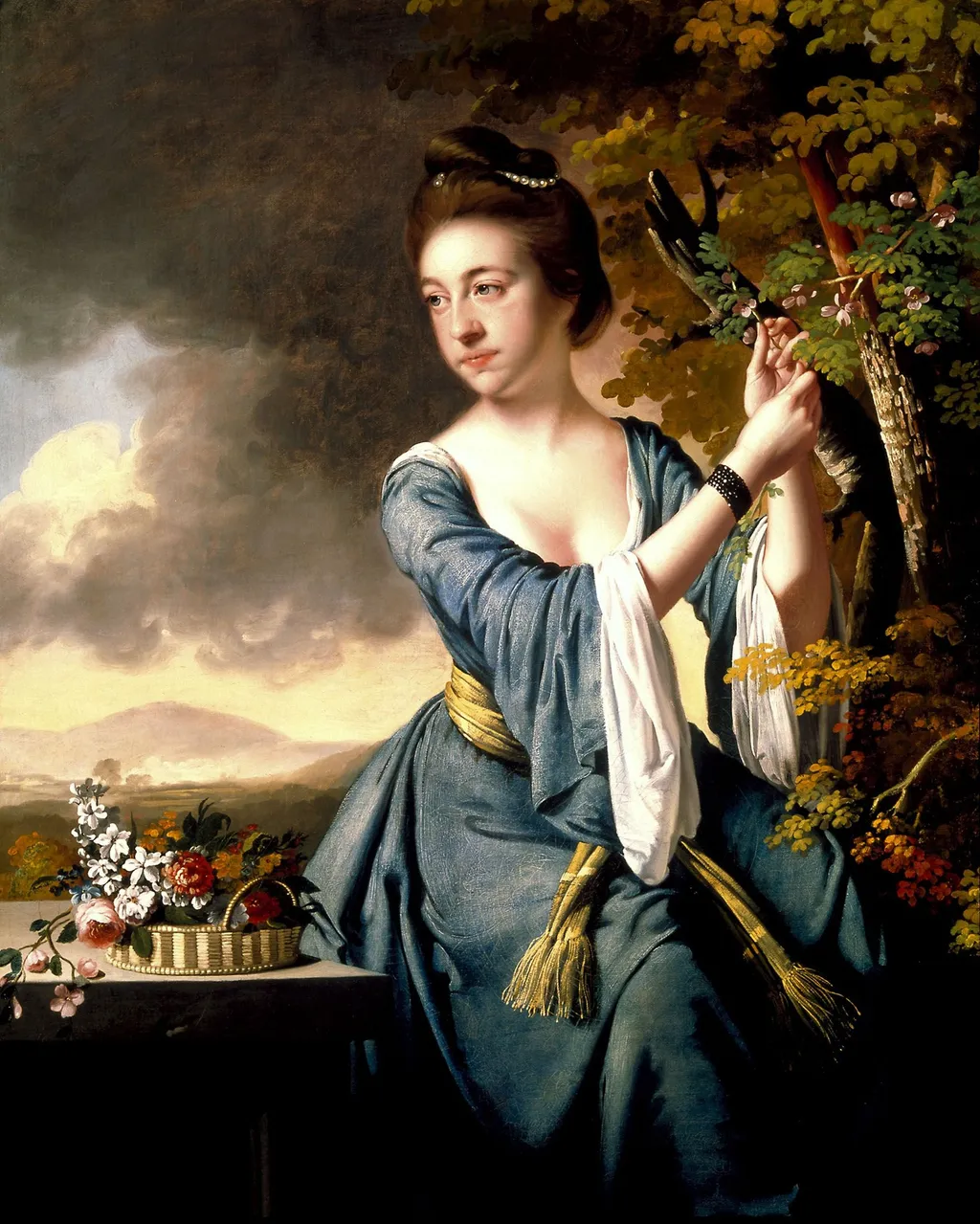
Elizabeth, Mrs. John Bostock is an oil painting by the Rococo painting artist Joseph Wright of Derby. It dates from 1769 and is held in the collection of the Denver Art Museum.
About this work
Overview
The painting is part of the Denver Art Museum’s collection and exemplifies Wright’s skill in rendering texture and light.
Painted in 1769 by Joseph Wright of Derby, this oil portrait captures Elizabeth Ashton, wife of John Bostock. Executed in the late Rococo tradition, the work blends portraiture with a soft natural setting, reflecting Wright’s interest in combining intimate human presence with atmospheric landscapes. The painting is part of the Denver Art Museum’s collection and exemplifies Wright’s skill in rendering texture and light.
Subject & Meaning
Elizabeth Ashton is portrayed in a contemplative pose, one hand gently touching her face while holding a sprig of foliage. The gesture suggests introspection or quiet connection with nature, common in portraiture of the period. Her attire—blue dress, gold sash, pearl necklace, and black bracelet—indicates social standing without overt grandeur. The natural elements around her imply harmony between the sitter and the pastoral world, a subtle idealization of refined domestic life.
Technique & Style
Wright employs a restrained palette and delicate brushwork to render fabric, skin, and foliage with quiet precision. While not as dramatically lit as his scientific or nocturnal scenes, the portrait still shows his sensitivity to light—soft illumination falls across the figure, modeling form without harsh contrast. The background merges into a hazy landscape, blurring the boundary between interior and exterior, a hallmark of his more lyrical portraits.
History & Provenance
Commissioned in 1769, the portrait remained within the Bostock family for generations before entering the Denver Art Museum’s collection. Its journey reflects the movement of private British portraiture into public institutions in the 20th century. No major alterations or reworkings are documented, preserving Wright’s original composition and tonal balance as intended.
Context
In late 18th-century England, portraiture often merged personal identity with ideals of sensibility and nature. Wright, though better known for industrial and dramatic subjects, frequently painted members of the Midlands’ intellectual and mercantile classes. This work aligns with a broader trend among British artists to portray subjects in relaxed, semi-rural settings, signaling cultural refinement beyond urban elite norms.
Legacy
Though not among Wright’s most celebrated works, the portrait illustrates his versatility and nuanced approach to character. It contributes to understanding how British portraitists balanced individual likeness with poetic atmosphere. The painting remains a quiet example of how domestic elegance was visually articulated during the transition from Rococo to early Neoclassical sensibilities.
Own this work as a print
Artist & collection
Artist
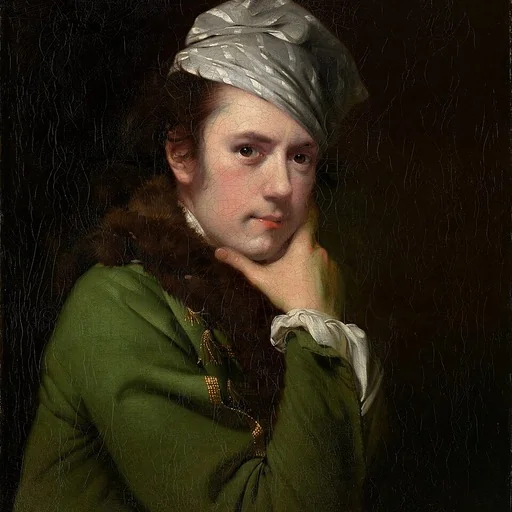
Joseph Wright (3 September 1734 – 29 August 1797), styled Joseph Wright of Derby, was an English painter who specialised in portrait painting and landscape art.

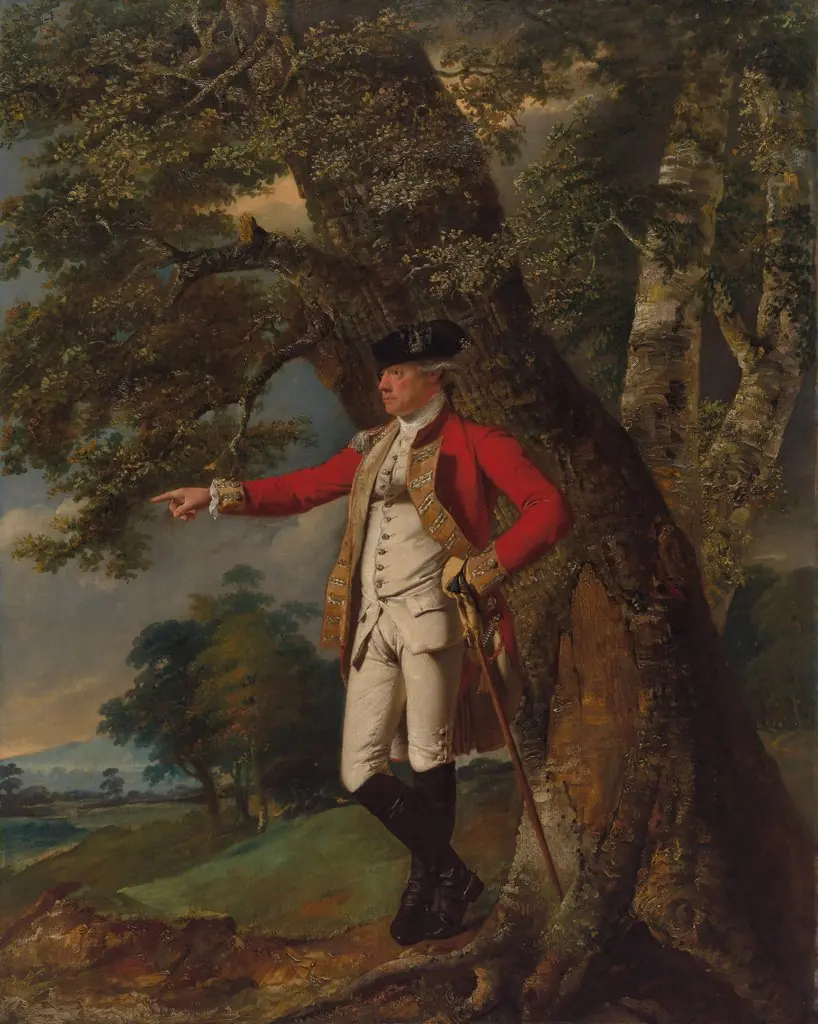 Portrait of Colonel Charles Heathcote
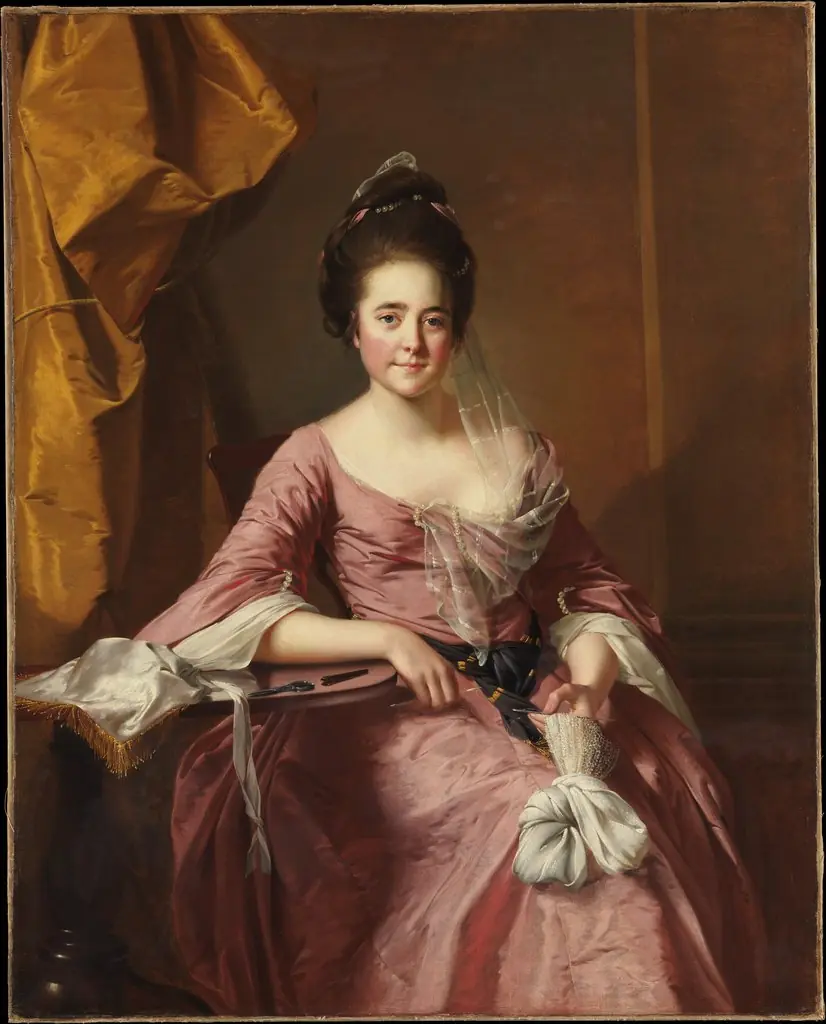 Portrait of a Woman
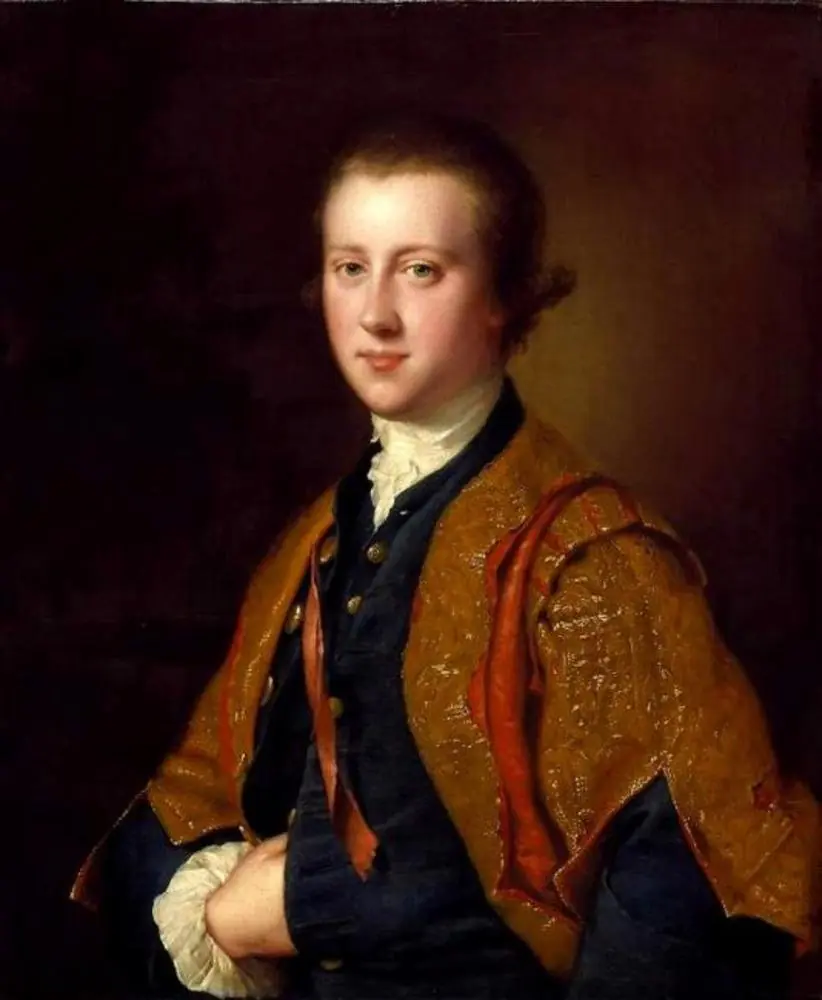 The Hon. Richard Fitzwilliam, 7th Viscount Fitzwilliam of Merrion
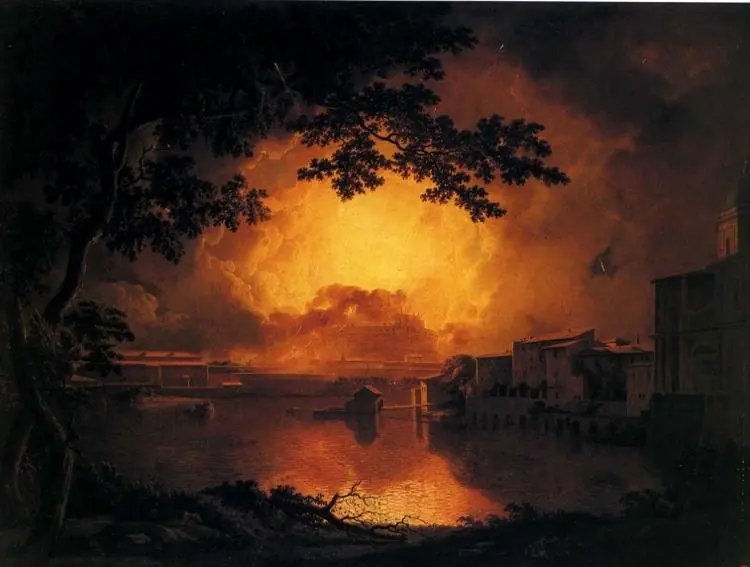 The Girandola at the Castel Sant'Angelo in Rome
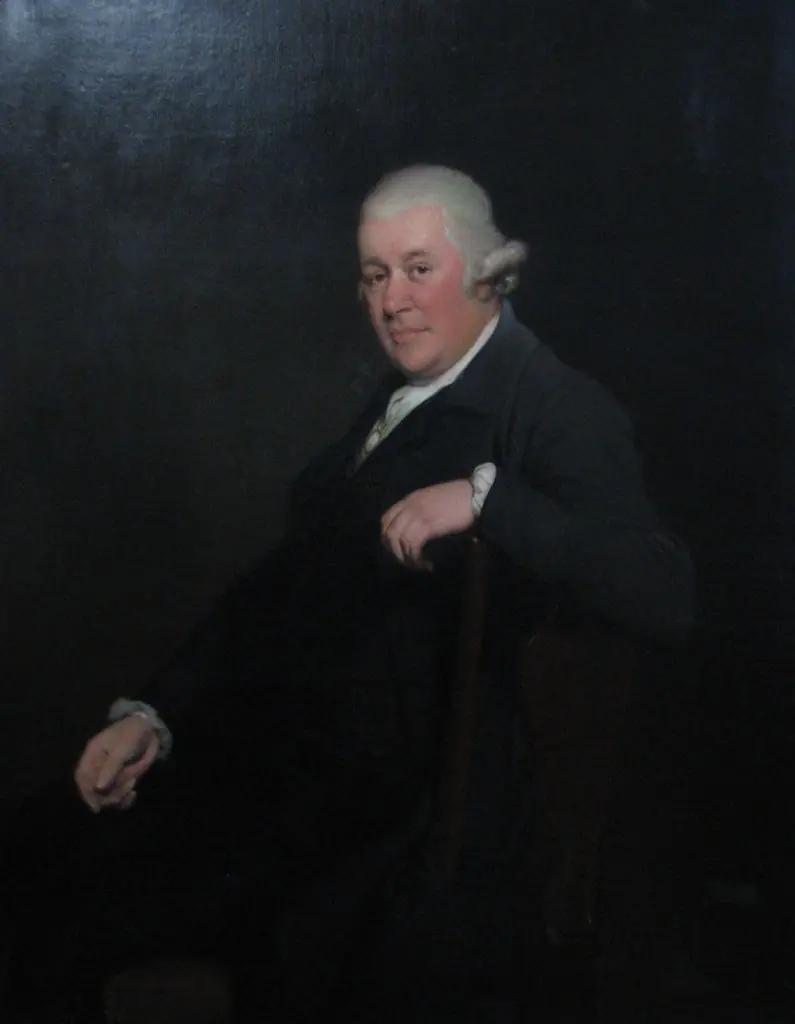 Reverend Basil Bury Beridge
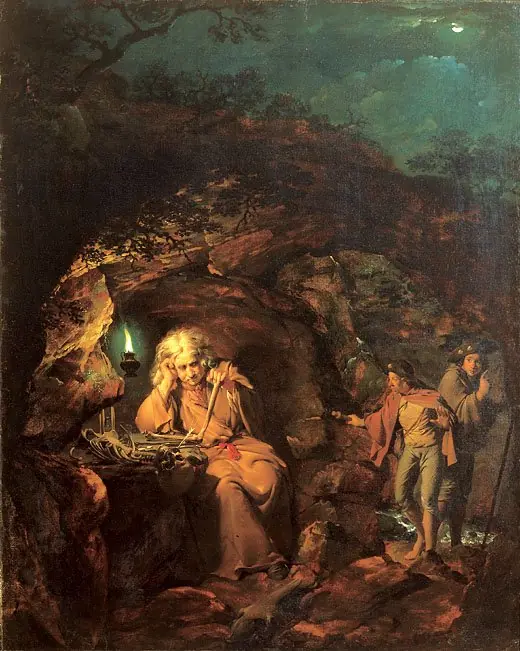 A Philosopher by Lamplight
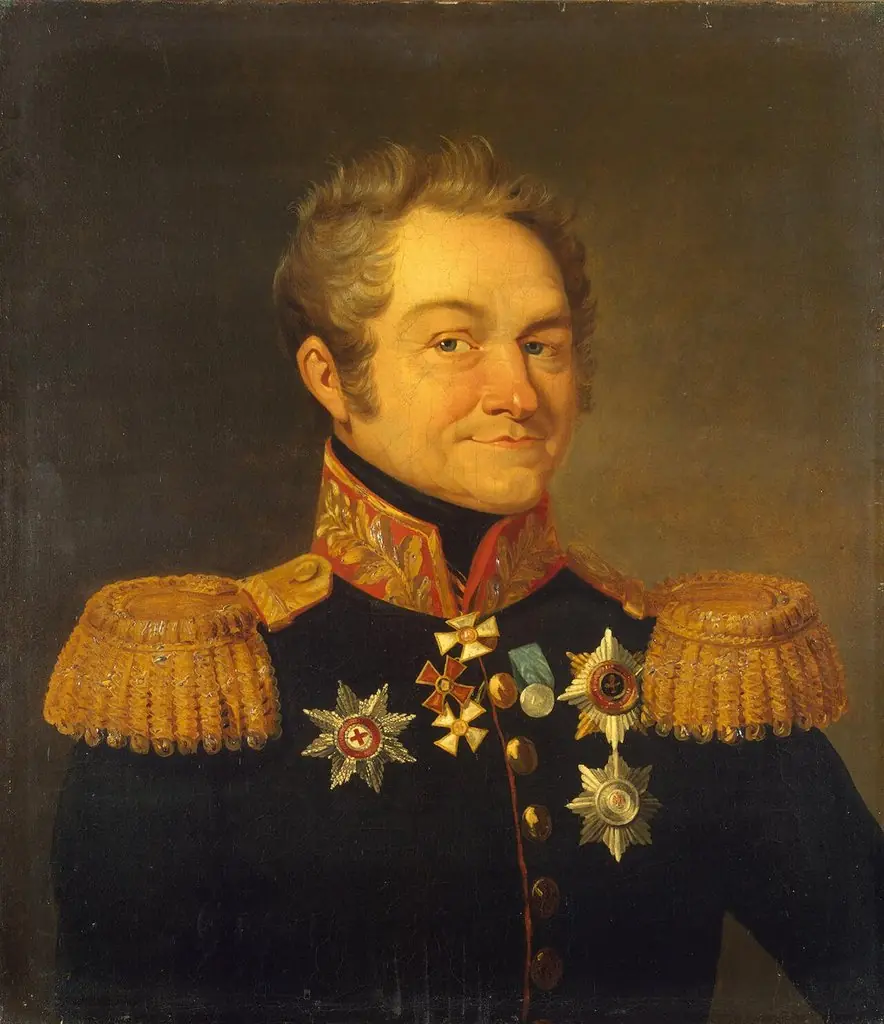 Portrait of Alexander B. Fock (1763-1825)
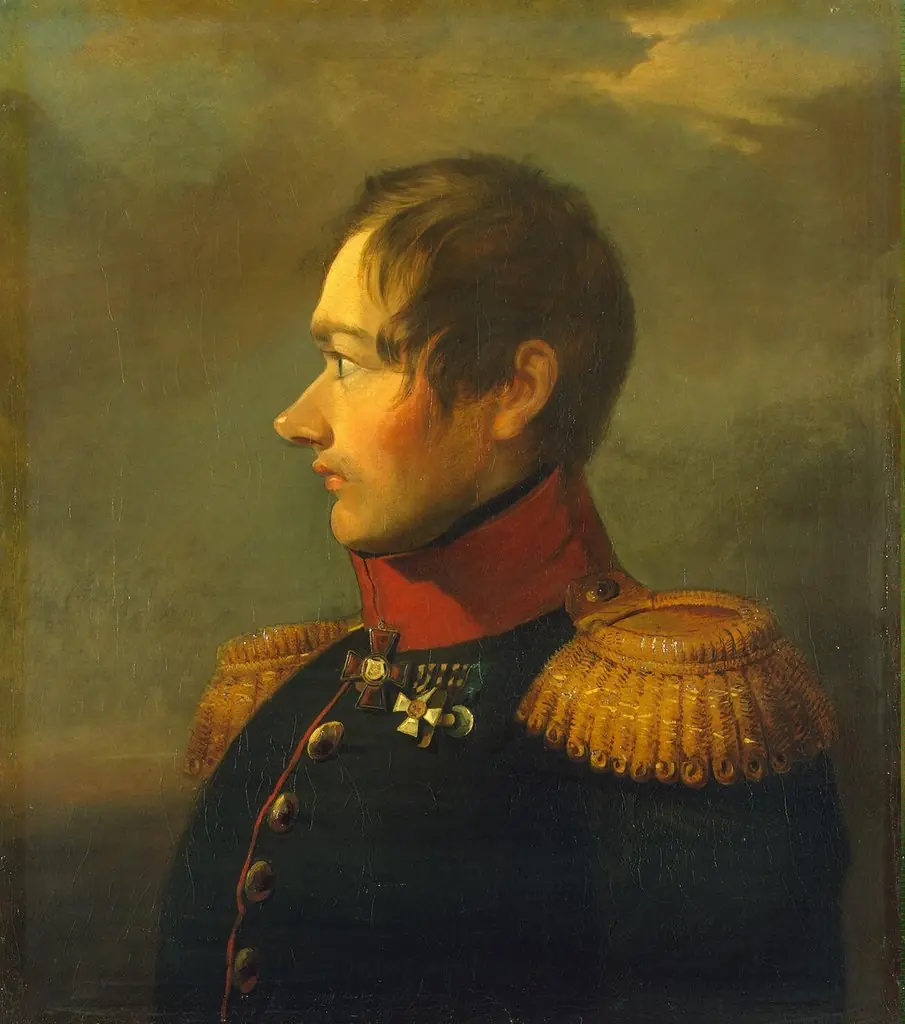 Portrait of Fyodor A. Lindfors (1760-1813)
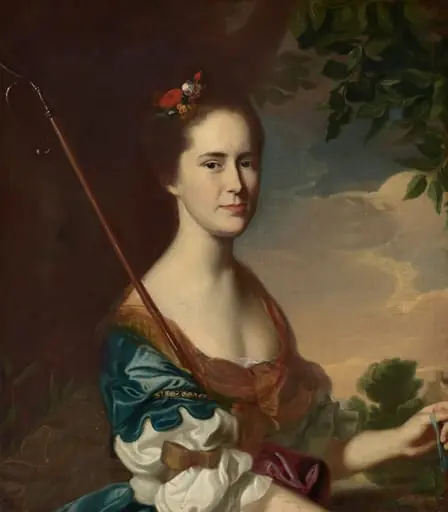 Elizabeth Gray Otis (Mrs. Samuel Alleyne Otis)
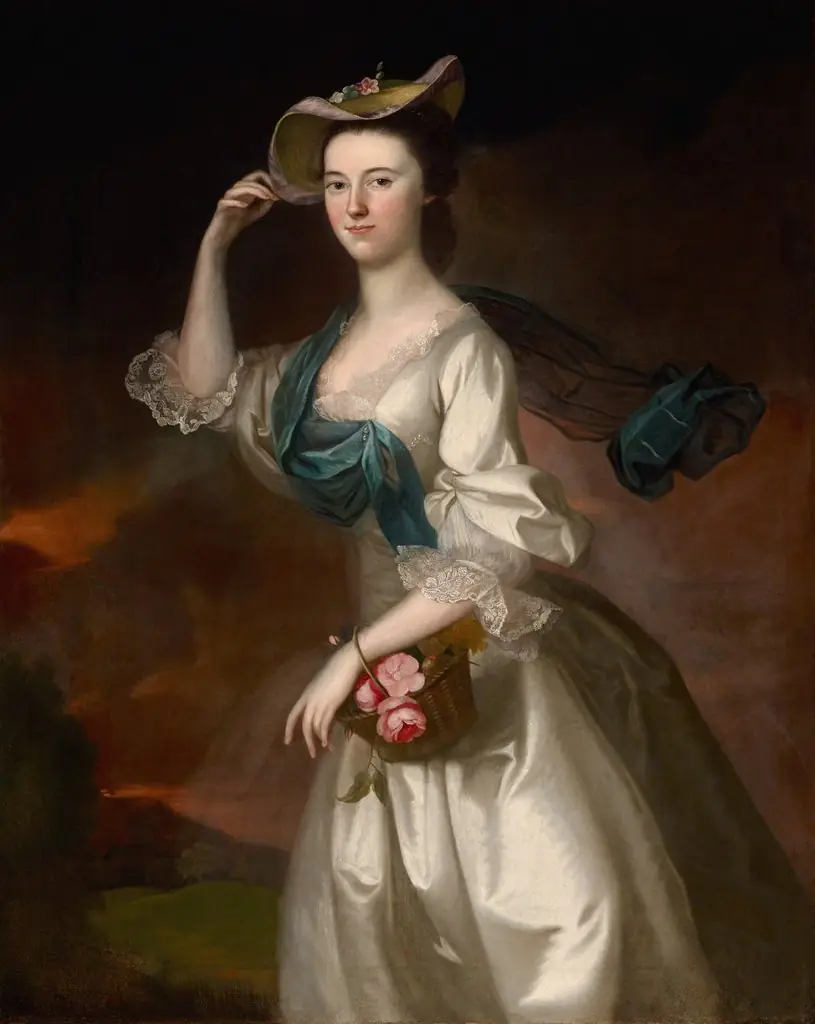 Portrait of Abigail Erving Scott
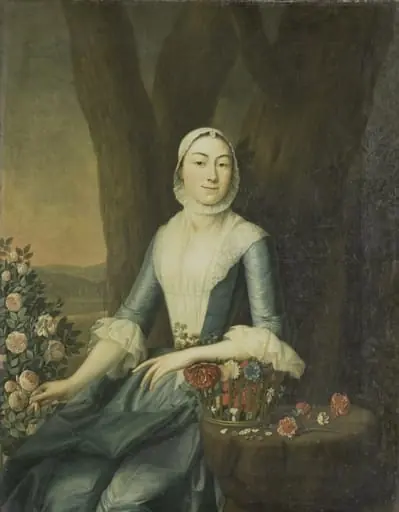 Portrait of Magdalena van Citters, Wife of Adriaen Isaac Hurgronje
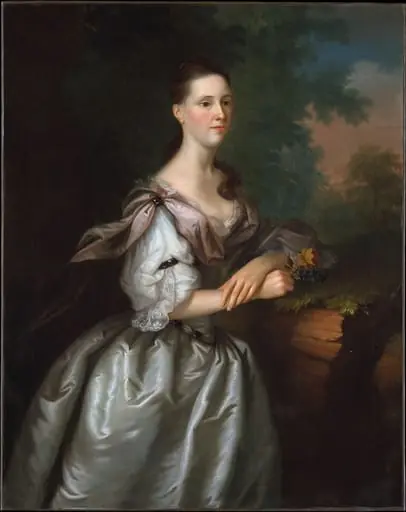 Mrs. Samuel Cutts
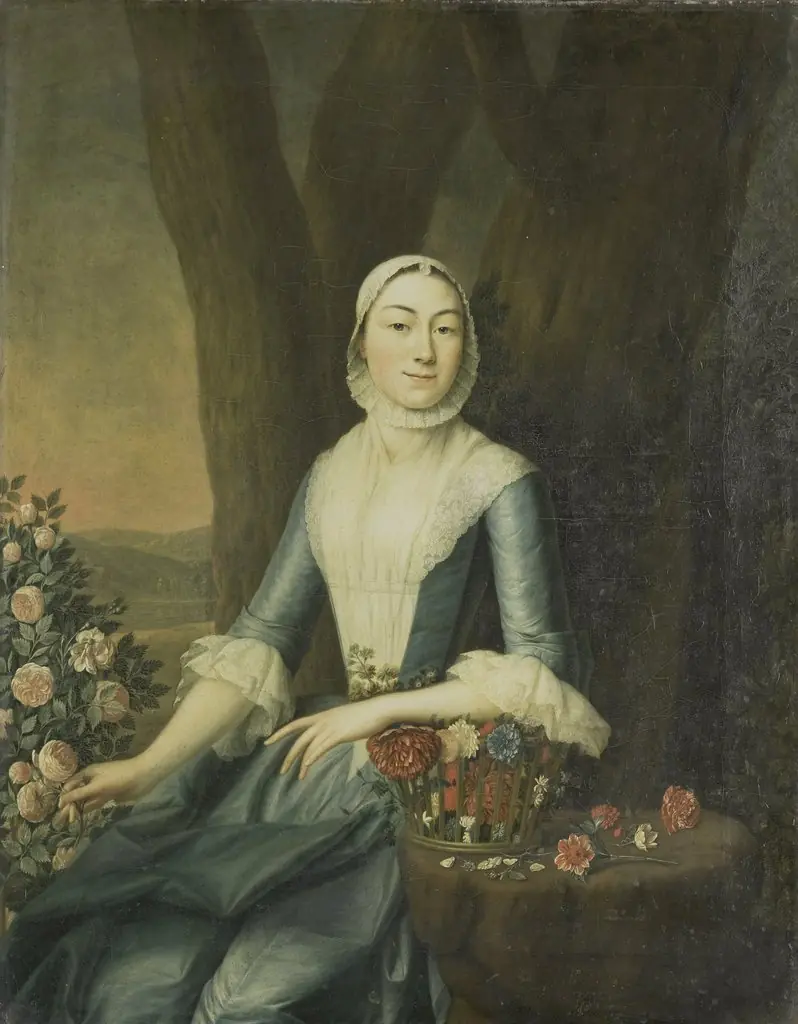 Portrait of Magdalena van Citters, Wife of Adriaen Isaac Hurgronje
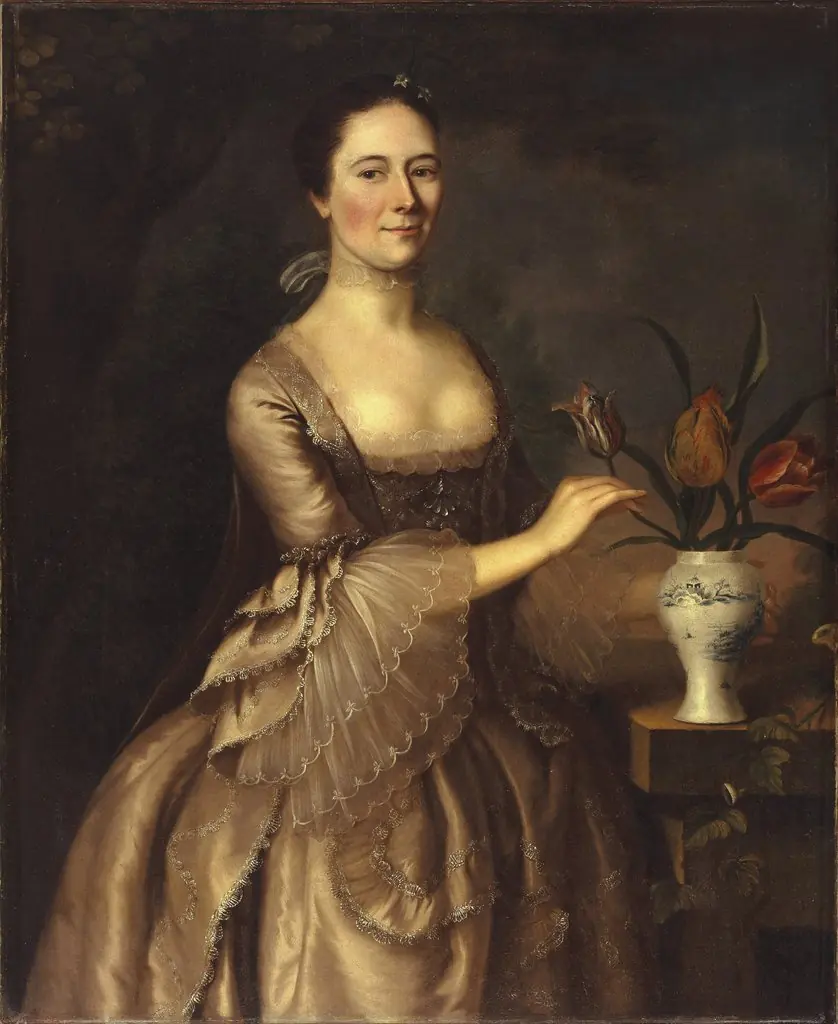 Portrait of a Woman
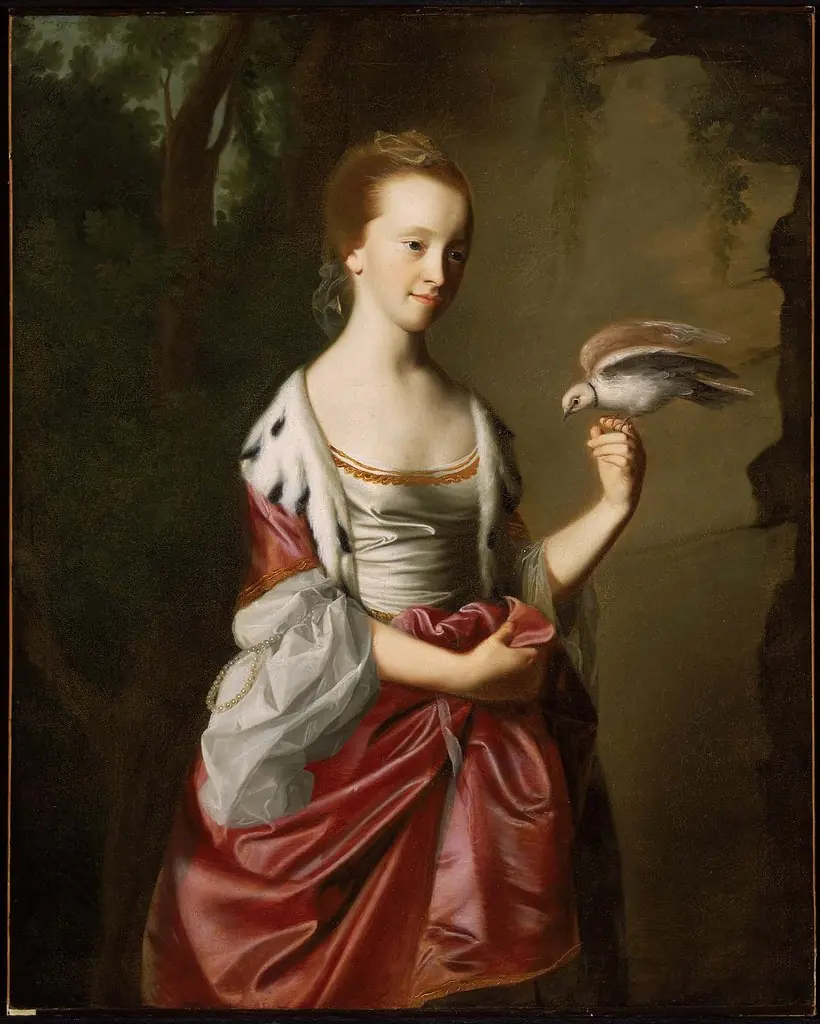 Elizabeth Ross (Mrs. William Tyng)
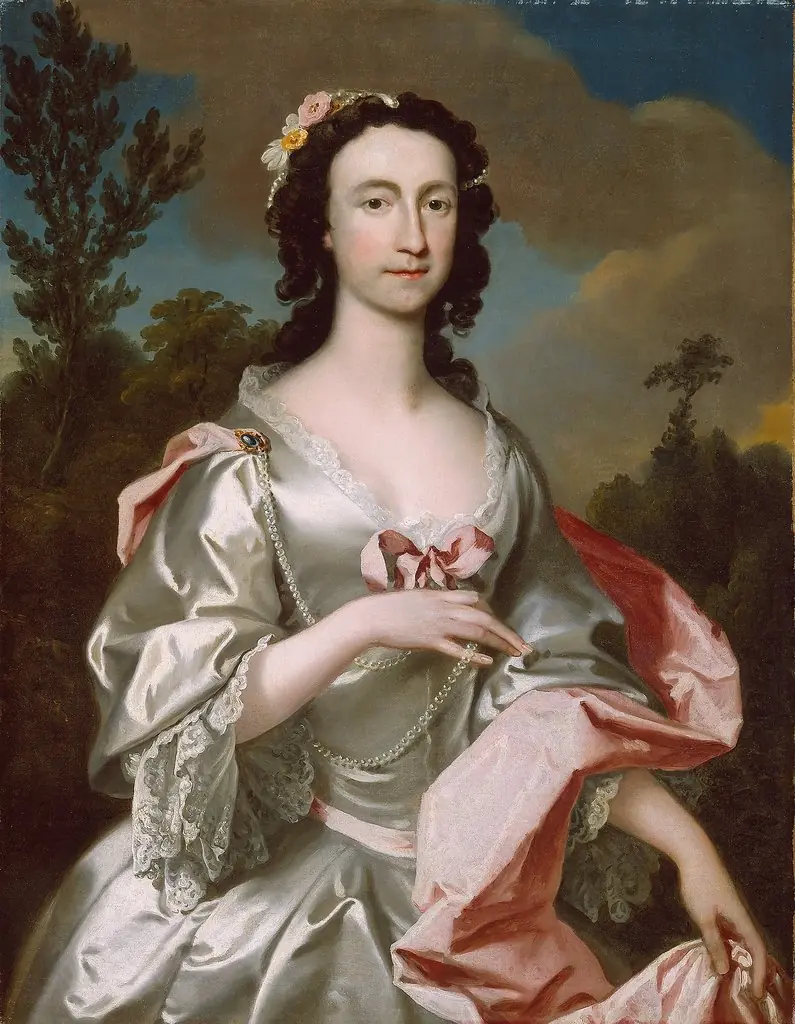 Mrs. Freeman Flower
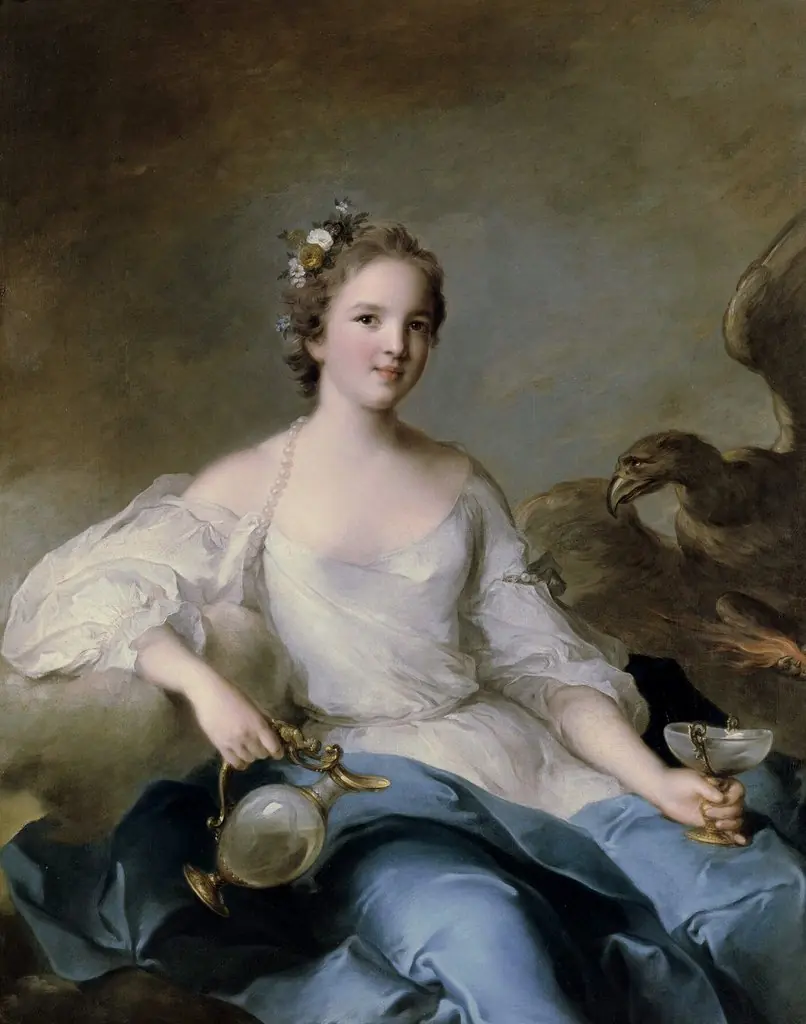 Portrait of Charlotte-Louise de Rohan-Guéméné, princesse de Masseran (1722-1786)
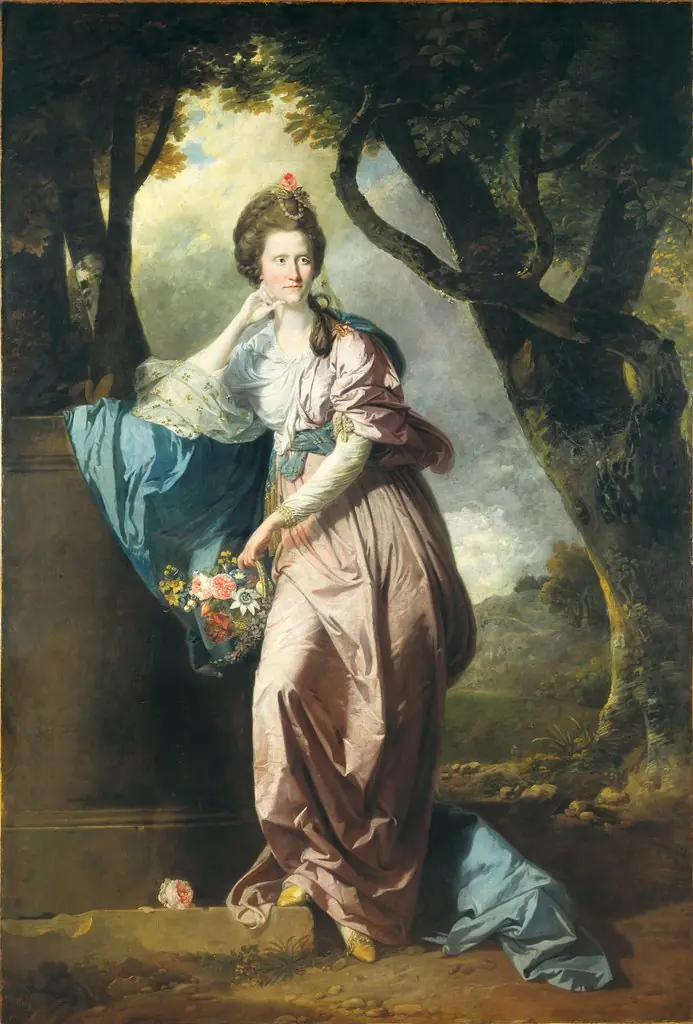 Mrs Woodhull
 Portrait of Eleanor, Countess of Lauderdale
 Mrs. John Banister