Artwork
Boy on a Hobby Horse
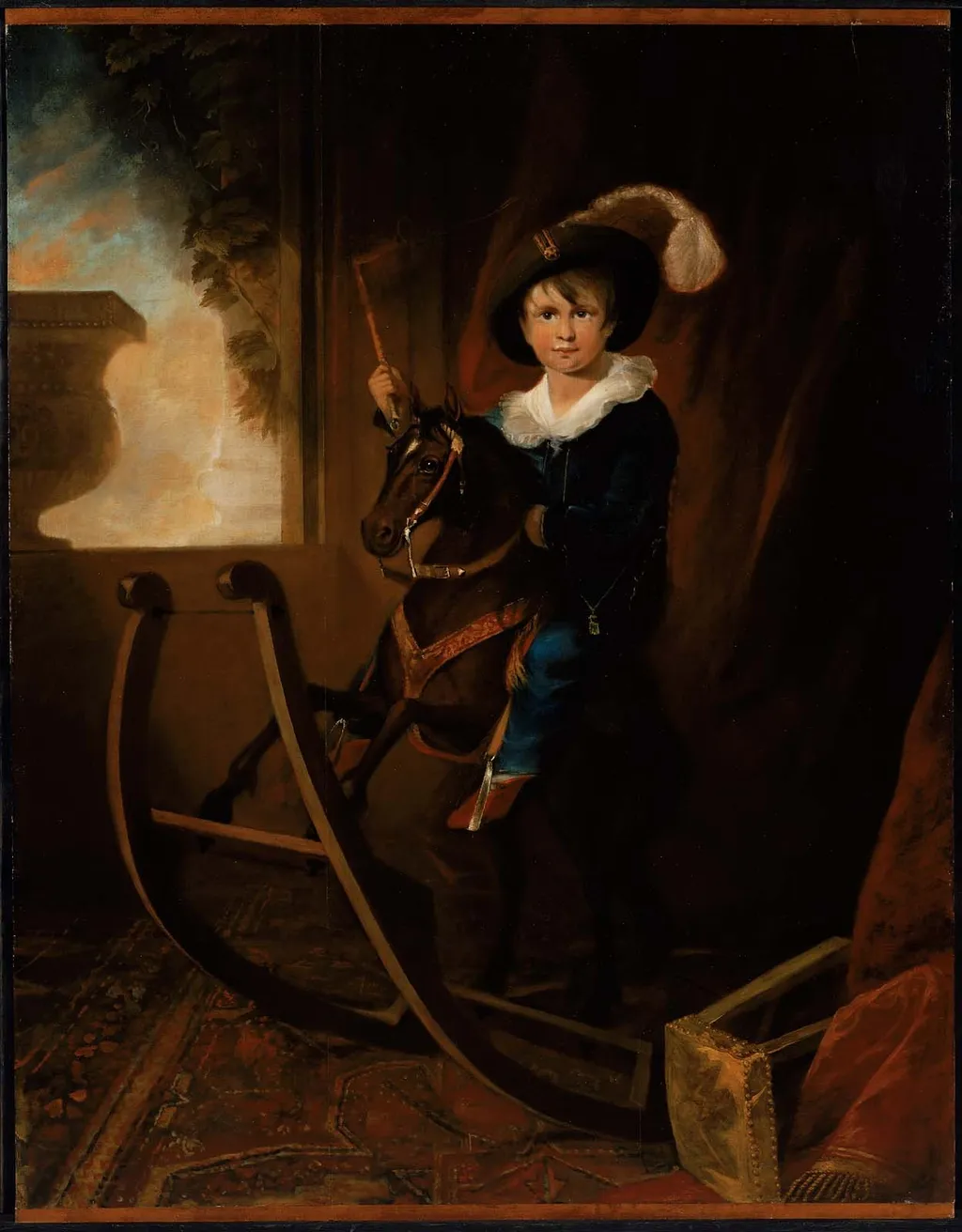
Boy on a Hobby Horse is an oil painting by Henry Sargent. It dates from 1815 and is held in the collection of the Museum of Fine Arts Boston.
About this work
Overview
Painted in 1815 by Henry Sargent, this oil on canvas depicts a young boy seated on a wooden hobby horse.
Painted in 1815 by Henry Sargent, this oil on canvas depicts a young boy seated on a wooden hobby horse. The work is part of the permanent collection at the Museum of Fine Arts, Boston. Rendered with restrained tones and minimal detail, the composition focuses on the child’s stillness and the quiet interplay of light and shadow, reflecting early 19th-century American portraiture’s emphasis on introspection over spectacle.
Subject & Meaning
The boy, dressed in a dark blue jacket and black hat with a feather, holds a stick as if guiding his toy horse. His direct gaze and neutral expression invite contemplation rather than narrative. The hobby horse, a common childhood object, may symbolize early imagination or transition into adulthood. The absence of context or activity suggests a moment suspended in time, emphasizing solitude and inward focus.
Technique & Style
Sargent employs chiaroscuro to model the boy’s form against a deep, unbroken background. A sliver of light enters from the left, illuminating the child’s face and shoulder, while the rest recedes into shadow. The brushwork is precise but unadorned, avoiding decorative flourishes. The dark background isolates the figure, heightening the sense of intimacy and psychological presence without distraction.
History & Provenance
The painting was completed in 1815 and remained in private hands until it entered the Museum of Fine Arts, Boston’s collection. Its early ownership is undocumented, but its preservation suggests it was valued by collectors of American portraiture. No significant alterations or restorations are recorded, and the surface remains largely intact, preserving Sargent’s original tonal balance.
Context
Created during a period when American artists were developing a distinct visual language, the work reflects a shift from grand historical themes to intimate domestic scenes. Sargent, influenced by European traditions, adapted them to depict ordinary subjects with quiet dignity. The painting aligns with contemporaneous efforts to capture the psychological depth of everyday life in the young republic.
Legacy
Though not widely exhibited, the painting is recognized for its restrained elegance and early use of psychological portraiture in American art. It contributes to scholarly understanding of how 19th-century artists conveyed inner life through composition and lighting rather than narrative. Its quiet presence continues to inform interpretations of childhood and identity in early American visual culture.
Artist & collection
Artist
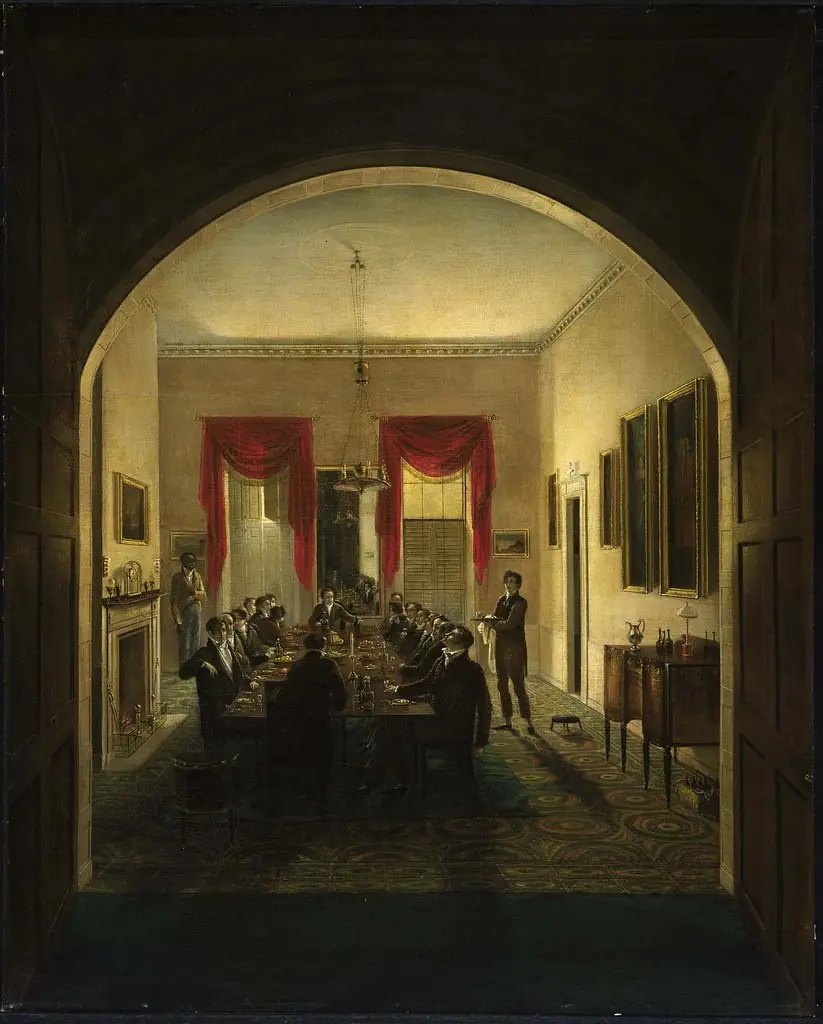
Henry Sargent painted lively portraits and group scenes in early 19th-century America.

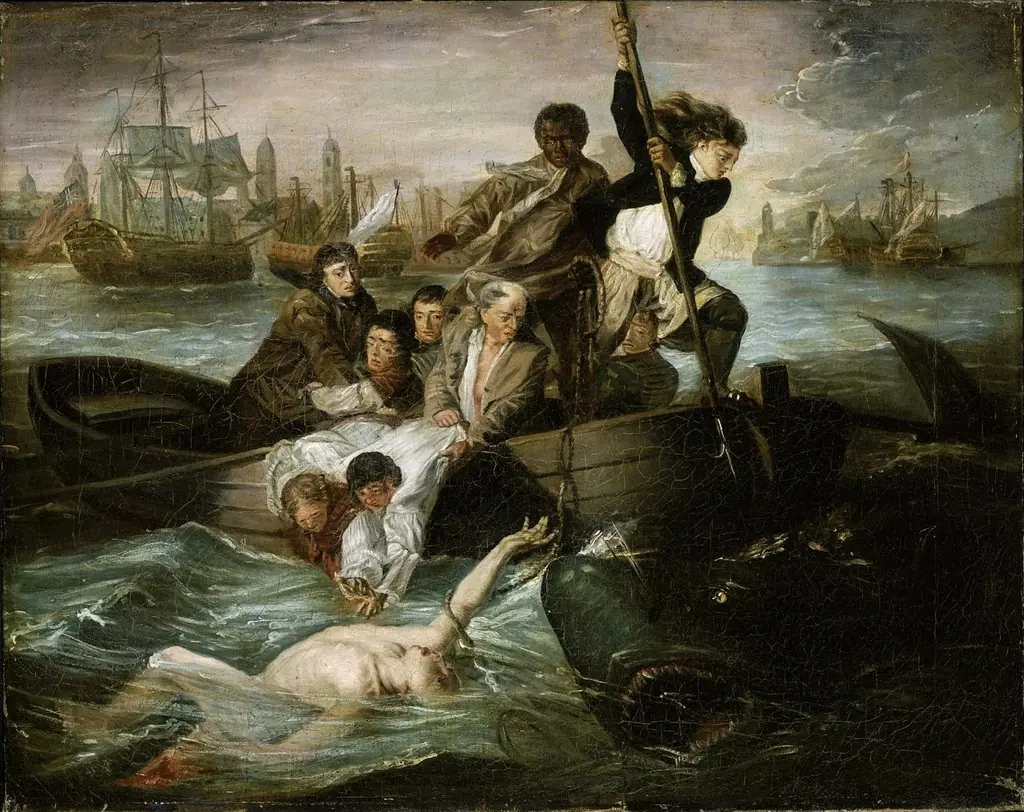
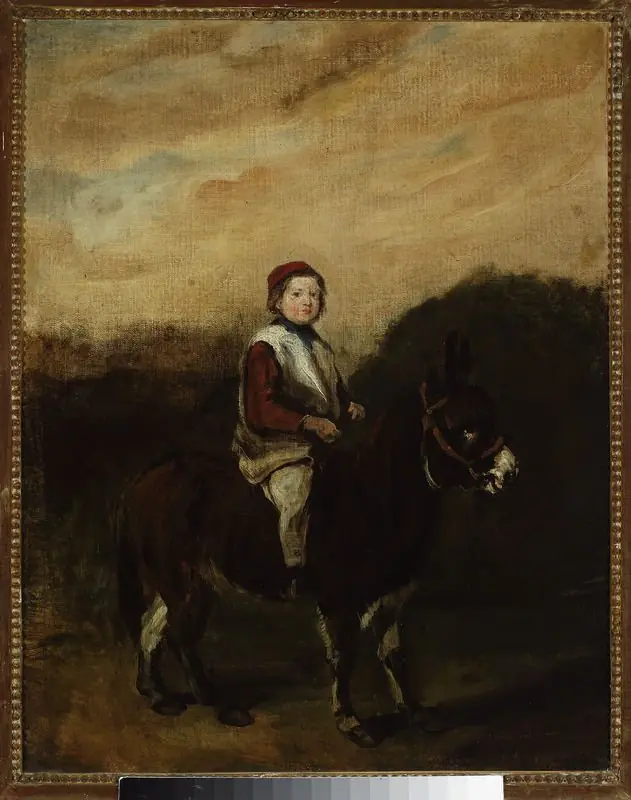 Artist’s son on a donkey
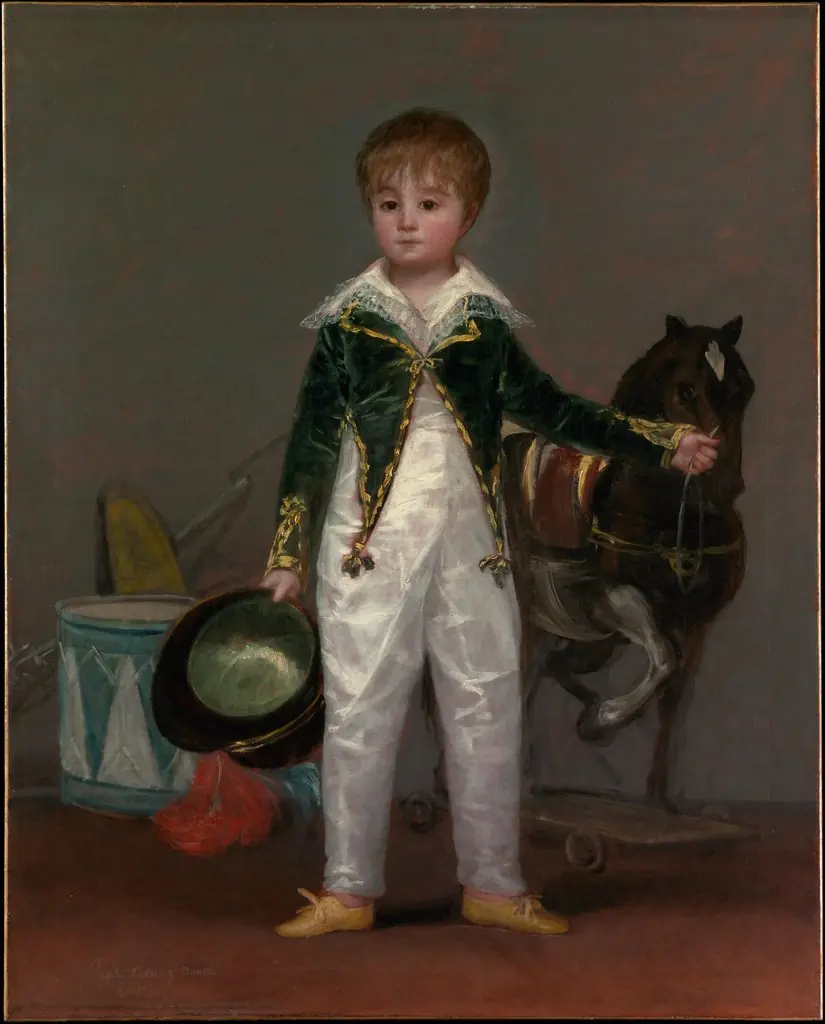 José Costa y Bonells, Called Pepito
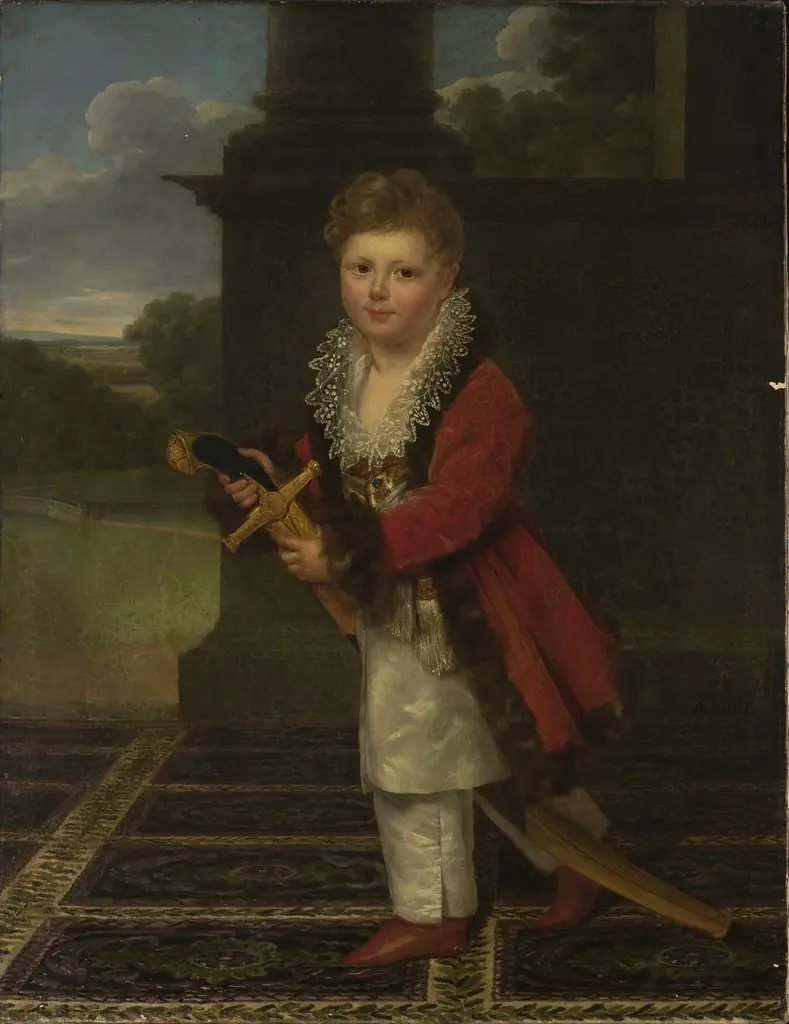 Childhood portrait of Zygmunt Krasiński (1812–1859) in the Polish costume with his father’s sword
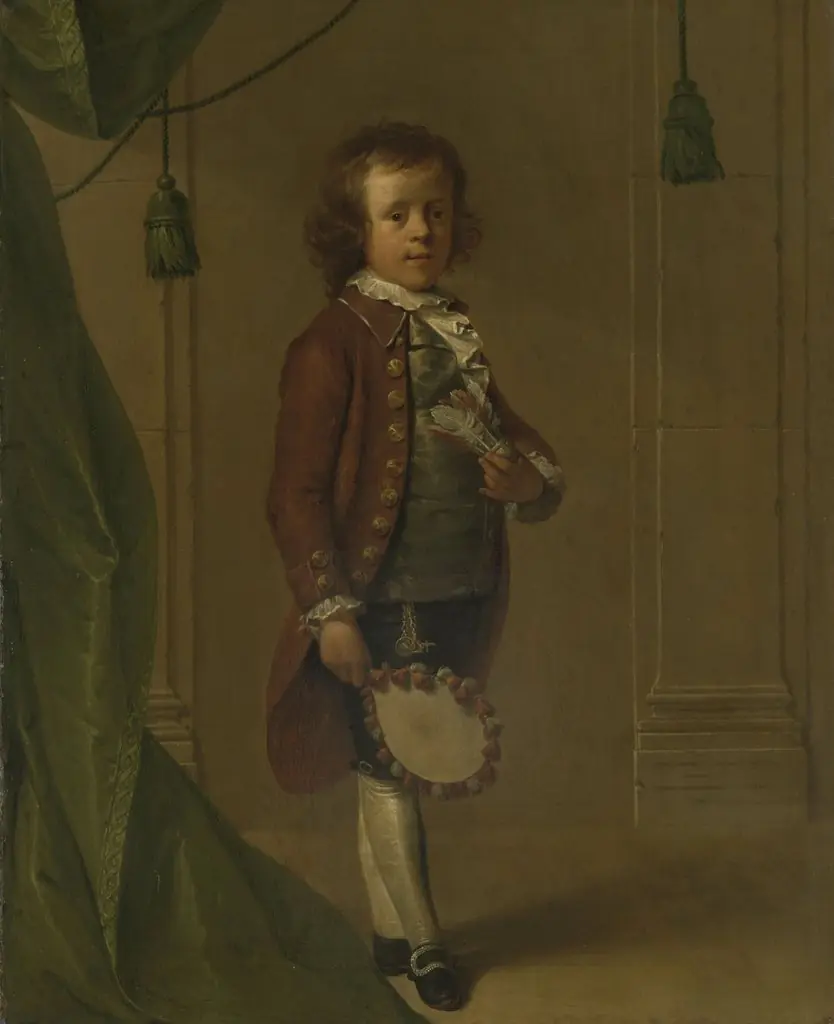 Portrait of Dionys Eliasz van Nijmegen
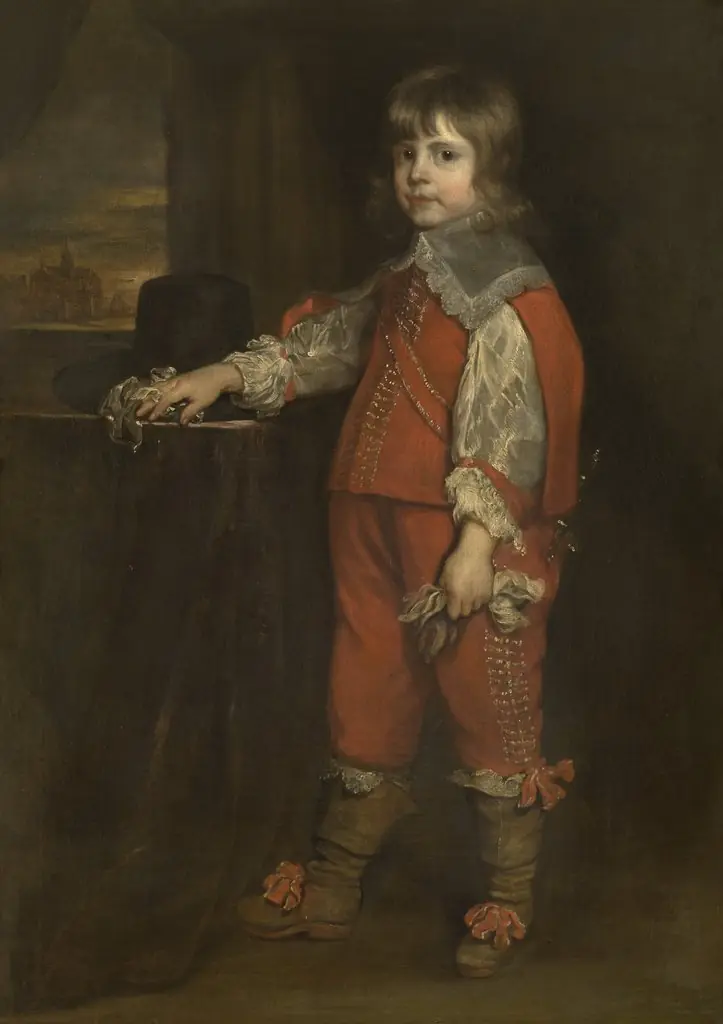 Charles II, when Prince of Wales
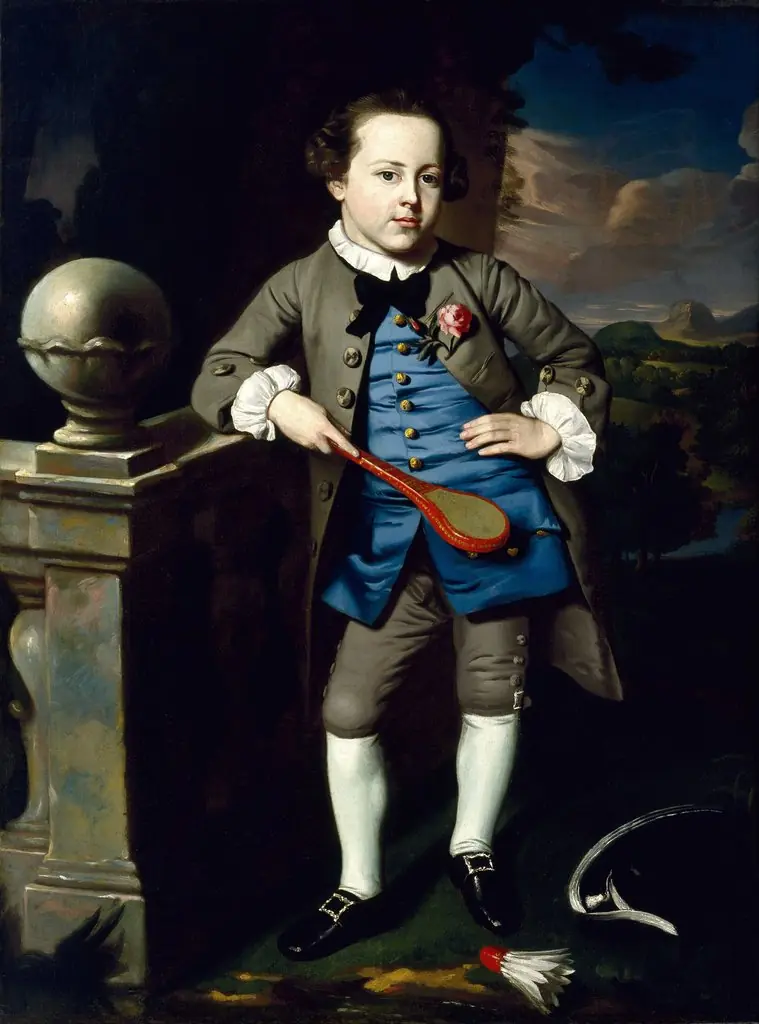 Portrait of a Boy
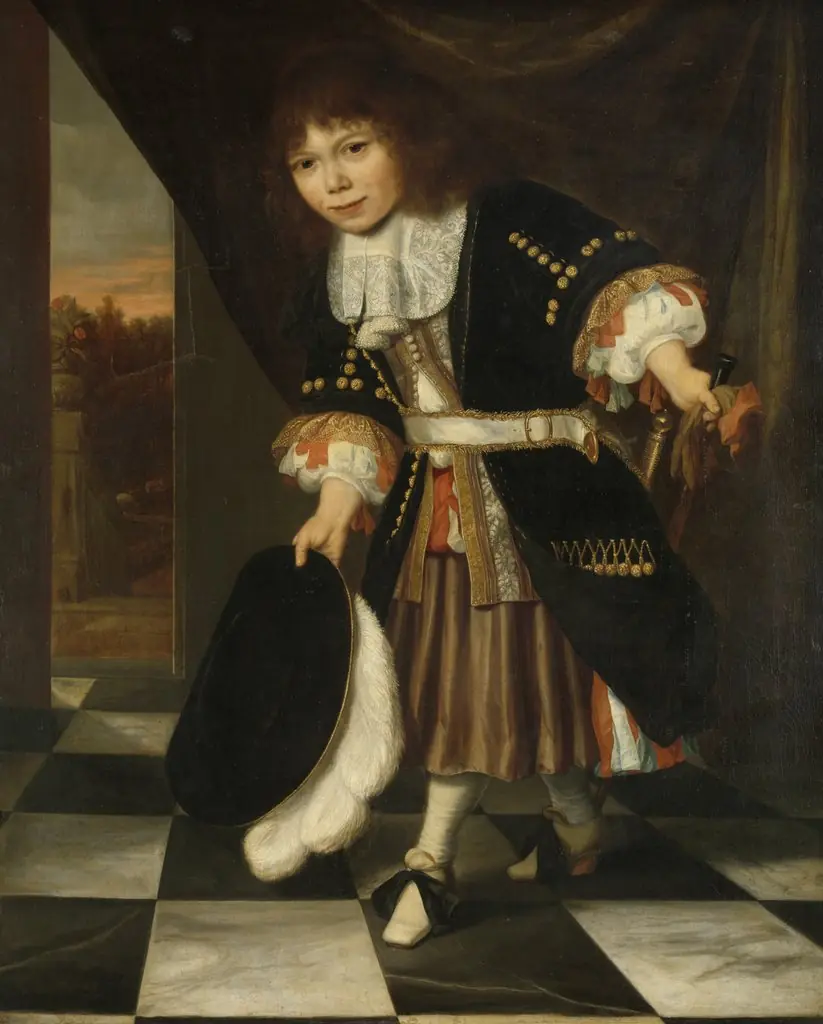 Portrait of a boy, called 'The son of Admiral van Nes'
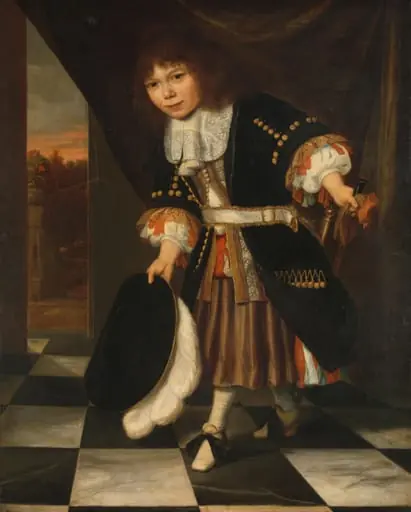 Portrait of a Boy, called The Young Son of Admiral van Nes (The Admiral's Son)
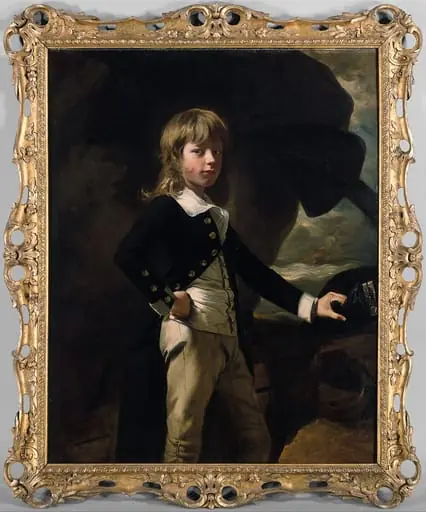 Midshipman Augustus Brine
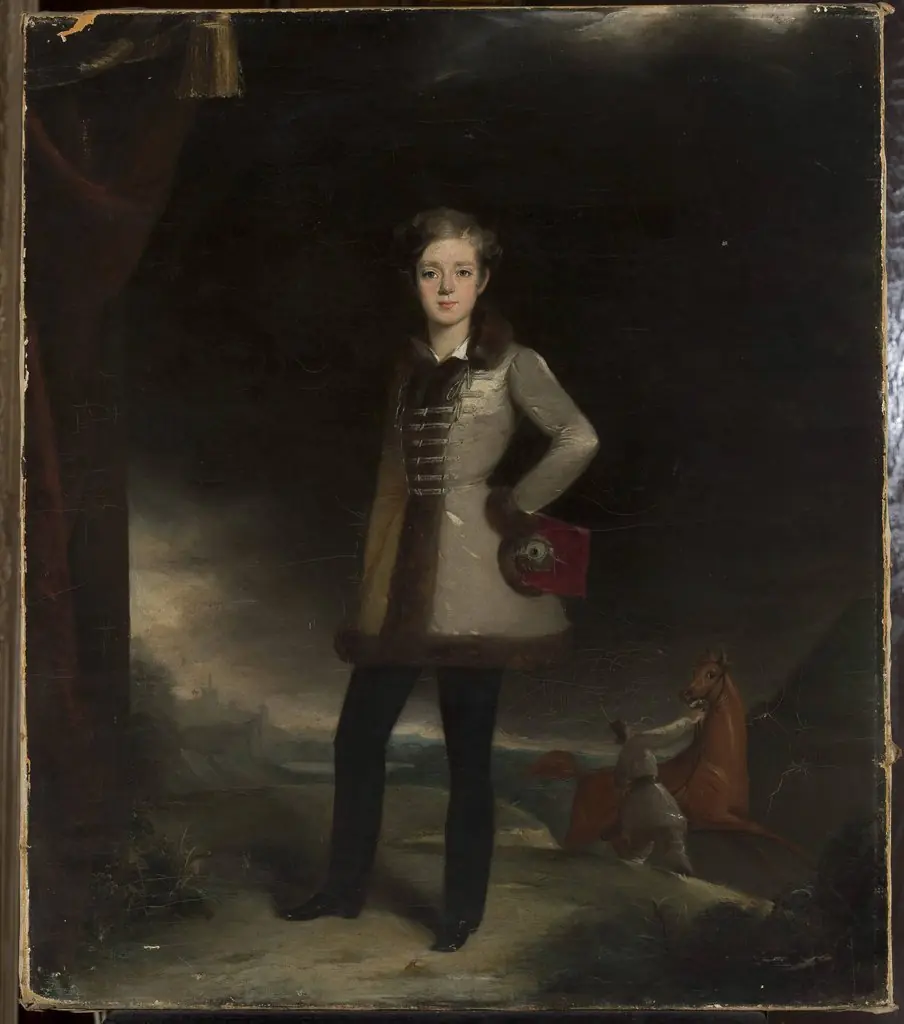 Childhood portrait of Adam Potocki
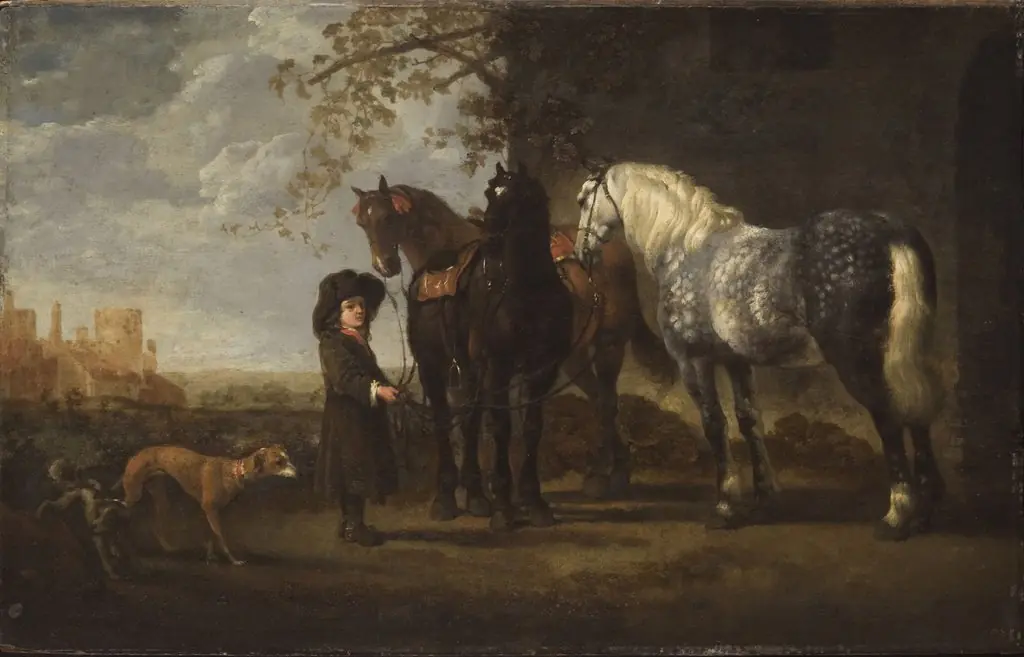 Groom with Three Horses and Two Dogs
 George Taylor II