Artwork
Portrait of Charles I, King of England (1600-1649)
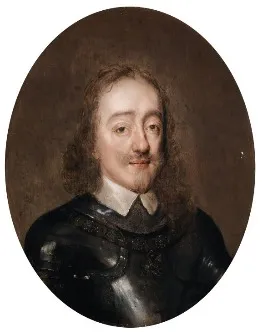
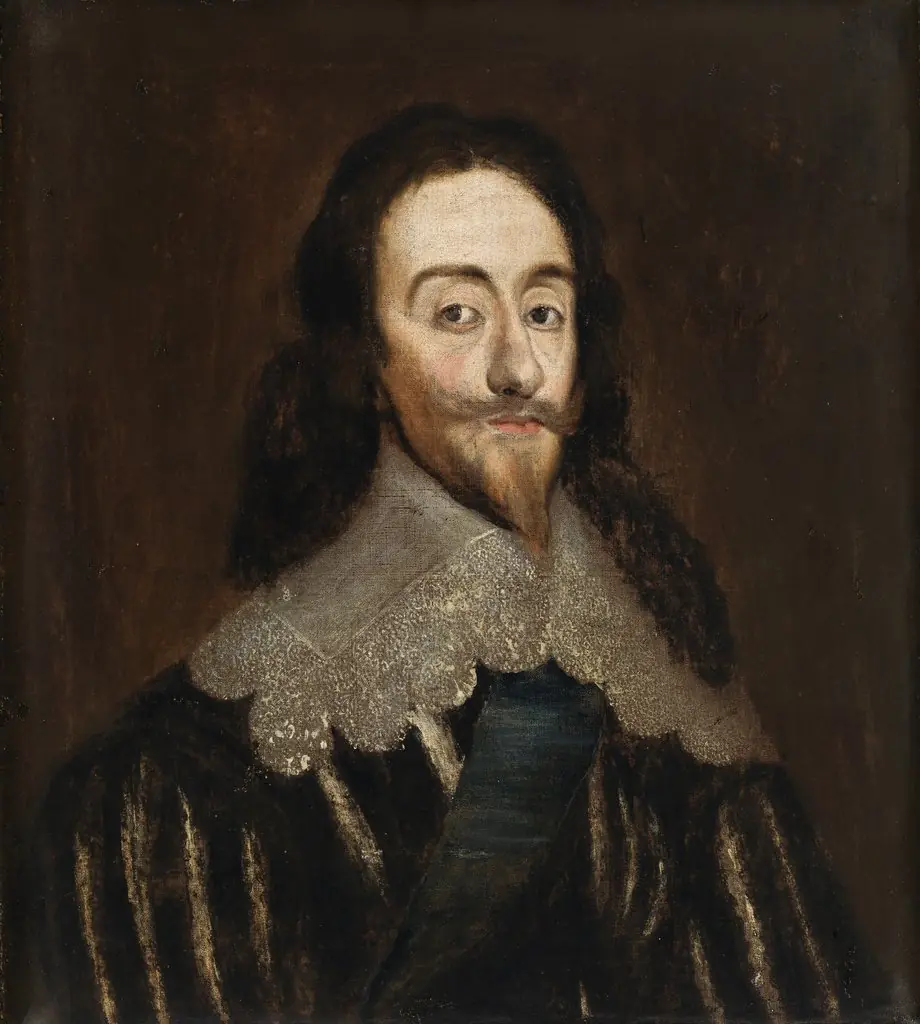
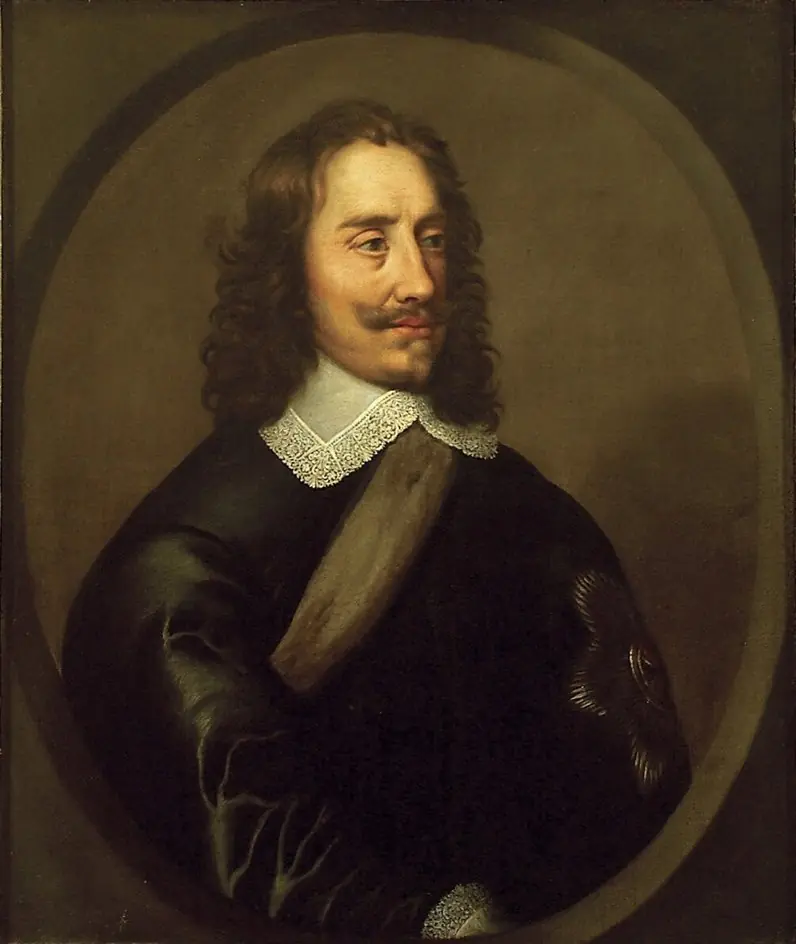
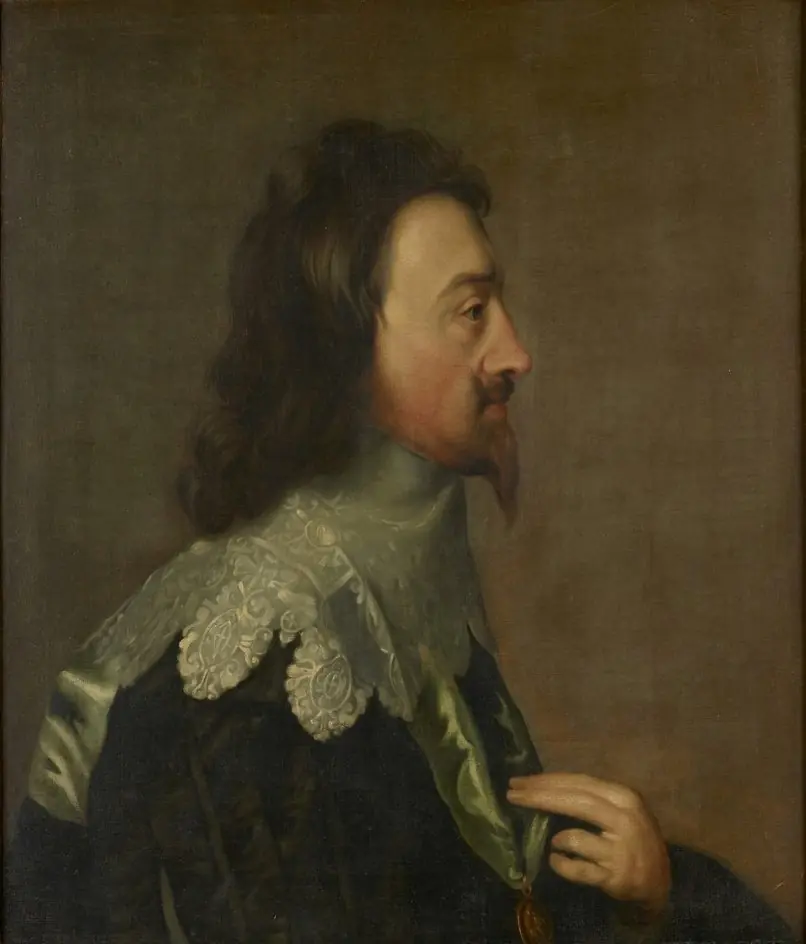
Portrait of Charles I, King of England (1600-1649) is an unspecified painting by the Early Baroque Italian artist Henry Stone. It dates from 1640 and is held in the collection of the National Gallery of Ireland.
About this work
Overview
Stone, an English artist trained in the Netherlands and influenced by continental practices, was primarily known for reproducing the works of Anthony van Dyck.
Painted in 1640 by Henry Stone, known as 'Old Stone,' this portrait presents Charles I of England in a restrained, lifelike manner. Stone, an English artist trained in the Netherlands and influenced by continental practices, was primarily known for reproducing the works of Anthony van Dyck. This painting reflects his skill in capturing royal likeness through careful observation rather than overt grandeur, aligning with the quieter end of early Baroque portraiture.
Subject & Meaning
Charles I is depicted without regalia or symbolic attributes, emphasizing his personal presence over political authority. His neutral gaze and composed demeanor suggest introspection rather than command. The absence of crowns, scepters, or elaborate settings shifts focus to the individual, possibly reflecting the king’s desire for dignity amid growing political tensions. The direct eye contact invites a quiet, intimate engagement with the viewer.
Technique & Style
Stone employs a muted palette and subtle chiaroscuro to model the king’s face and leather jacket, enhancing volume without dramatic contrast. The texture of fabric and hair is rendered with precision, reflecting a Northern European attention to detail. The dark brown background isolates the figure, drawing focus to his form. The style avoids theatricality, favoring naturalism over idealization, consistent with Stone’s role as a meticulous copyist of van Dyck’s more refined compositions.
History & Provenance
The painting entered the National Gallery of Ireland’s collection as part of a broader acquisition of 17th-century British portraiture. Its attribution to Henry Stone, a lesser-known figure compared to van Dyck, underscores the role of studio assistants and copyists in disseminating royal imagery. While not commissioned by the court, the portrait likely served as a private or semi-official likeness, circulating among supporters during a period of increasing instability in Charles’s reign.
Context
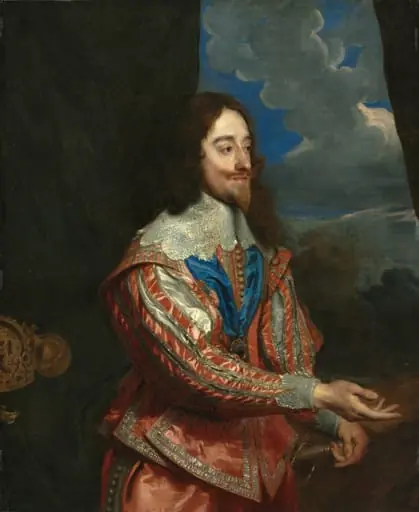
Painted just nine years before Charles I’s execution, this portrait captures a monarch at a turning point—his authority increasingly contested, his image carefully managed. While van Dyck’s court portraits projected divine kingship, Stone’s version offers a more humanized, subdued representation. It reflects the broader trend among English artists to adapt continental styles while maintaining a restrained, domestic sensibility amid rising political and religious conflict.
Legacy
As a work by a copyist rather than a leading court painter, this portrait illustrates the transmission of visual language in early modern England. It preserves a recognizable likeness of Charles I outside the dominant van Dyckian idiom, offering insight into how royal images were reproduced and circulated among non-elite audiences. Its survival and preservation in Dublin highlight the transnational movement of art and artists during a turbulent era.
Artist & collection
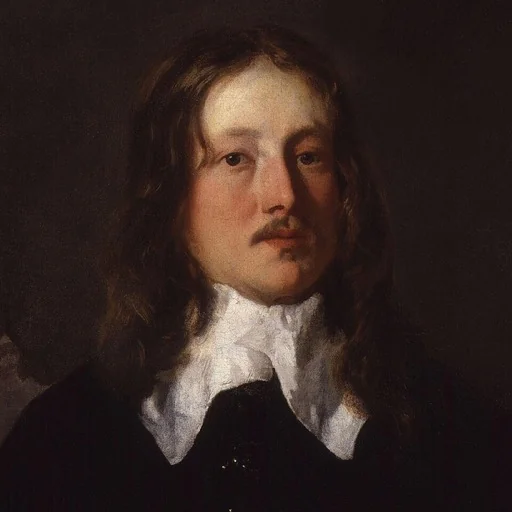
Artist
Henry Stone (1616 – 24 August 1653), known as "Old Stone", was an English painter and copyist of the works of Van Dyck.