Artwork
The Suicide
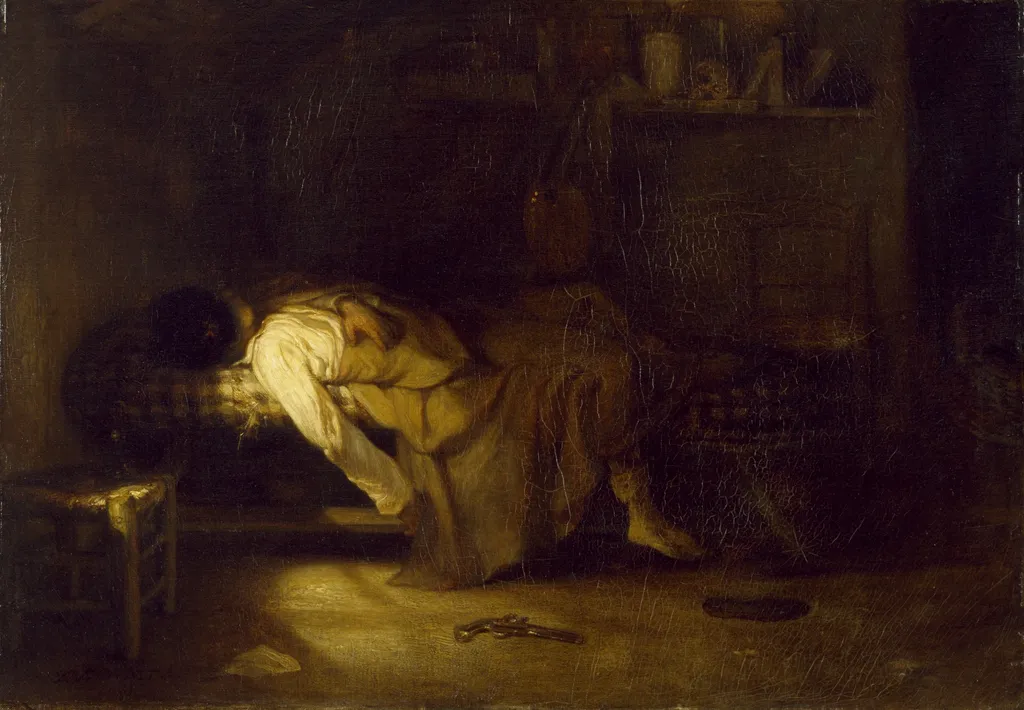
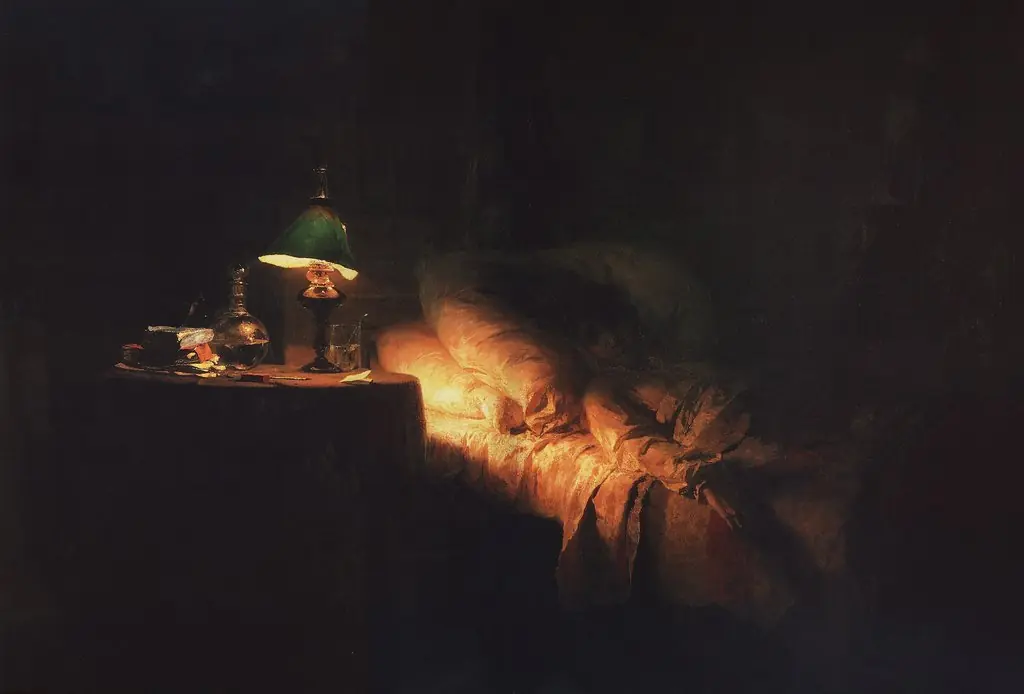
The Suicide is an oil painting by Alexandre Gabriel Decamps. It dates from 1836 and is held in the collection of the Walters Art Museum. Painted in 1836 by Alexandre-Gabriel Decamps, this oil work presents a solitary figure in a quiet, dim interior.
About this work
Overview
Rendered with deliberate restraint, the scene avoids overt drama, instead conveying emotional weight through stillness and minimal surroundings.
Painted in 1836 by Alexandre-Gabriel Decamps, this oil work presents a solitary figure in a quiet, dim interior. The composition centers on a man slumped at a table, his posture suggesting exhaustion or despair. Rendered with deliberate restraint, the scene avoids overt drama, instead conveying emotional weight through stillness and minimal surroundings. The painting resides in the Walters Art Museum, where it remains accessible to the public.
Subject & Meaning
The figure, dressed in simple clothing, appears withdrawn, his head resting on folded arms. No explicit cause for his condition is shown, inviting contemplation rather than narrative resolution. The absence of objects or symbols suggests an internal state rather than external circumstance. The painting evokes solitude and resignation, reflecting 19th-century interests in psychological depth over theatrical storytelling.
Technique & Style
Decamps employed chiaroscuro to model the figure against the shadowed room, guiding focus to the central form. Thick applications of paint, or impasto, lend texture to the shirt and tabletop, enhancing tactile presence. The light source, faint and distant, emerges from a small window, casting no strong highlights but softening edges with subtle gradations. The brushwork remains controlled, avoiding flourish in favor of quiet realism.
History & Provenance
Completed in 1836, the painting entered the collection of Henry Walters in the early 20th century and was later transferred to the Walters Art Museum in Baltimore. Its acquisition reflected growing interest in French academic and Romantic-era works with psychological nuance. The work has remained in the museum’s permanent collection since, with no record of significant exhibition beyond institutional display.
Context
Decamps painted during a period when French art increasingly turned toward intimate, emotionally charged scenes. While contemporaries like Delacroix emphasized movement and color, Decamps favored subdued tones and psychological restraint. This work aligns with broader trends in Romanticism that valued inner life over grand narratives, resonating with literary depictions of melancholy and isolation.
Legacy
Though not widely reproduced, the painting exemplifies Decamps’ quieter approach to Romanticism, distinguishing him from more flamboyant peers. Its enduring presence in the Walters collection underscores its role as a study in emotional economy. Art historians note its influence on later realist painters who sought to depict psychological states through minimal means and controlled lighting.
Own this work as a print
Artist & collection
Artist
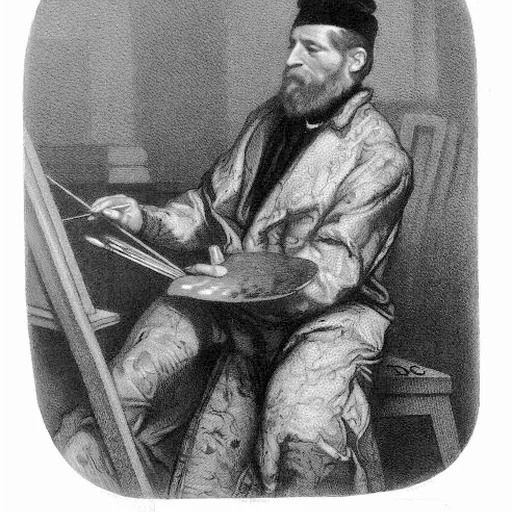
Alexandre-Gabriel Decamps was a French painter noted for his Orientalist works.

 Akolik
 Untitled
 Self-Portrait with an Injured Foot
 The Death of Chatterton
 'Alone in the World'
 Peasant kitchen in ruins (Italian kitchen)
 Encore, again Encore!
 After the Pardon (Il lui sera beaucoup pardonne parce qu'elle a beaucoup danse)
 A scholar in his study
 The Visit to the Nursery
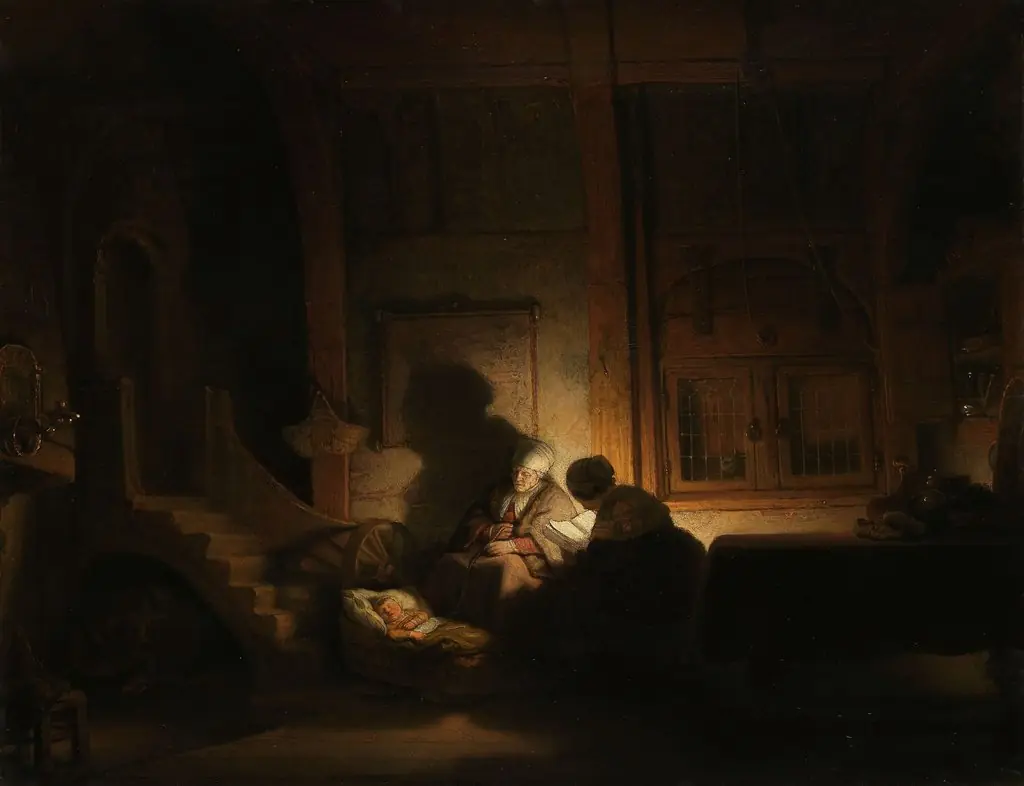 The holy family at night
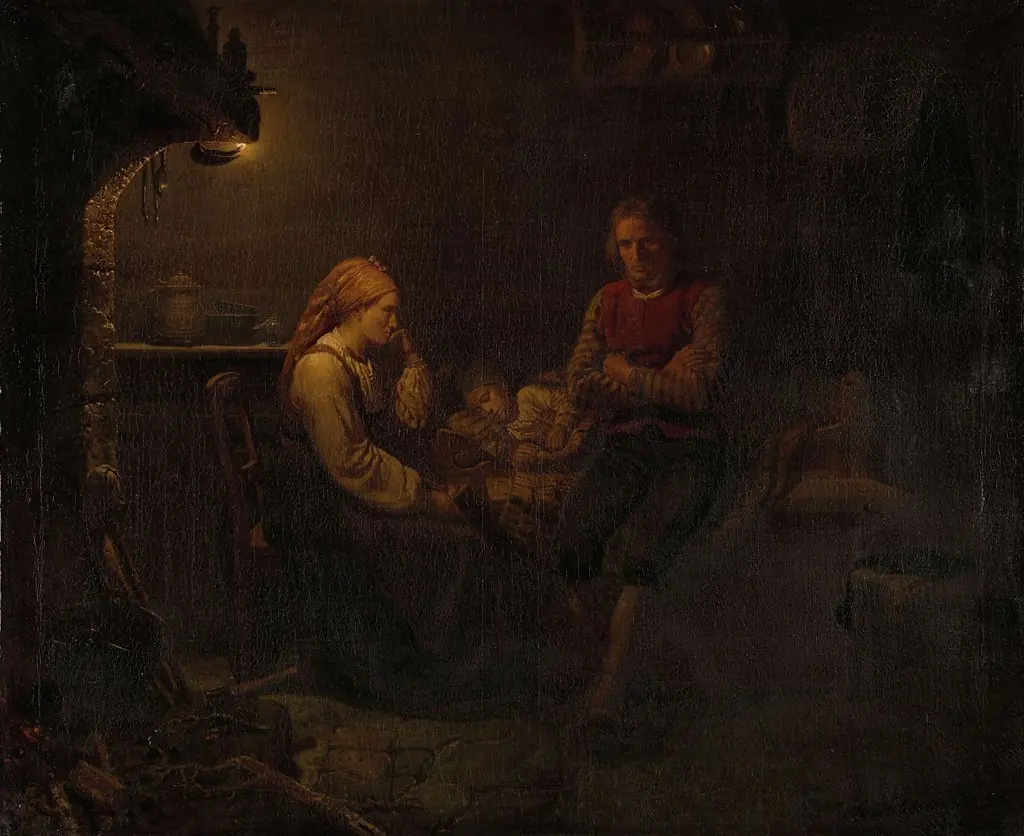 The ill child