Artwork
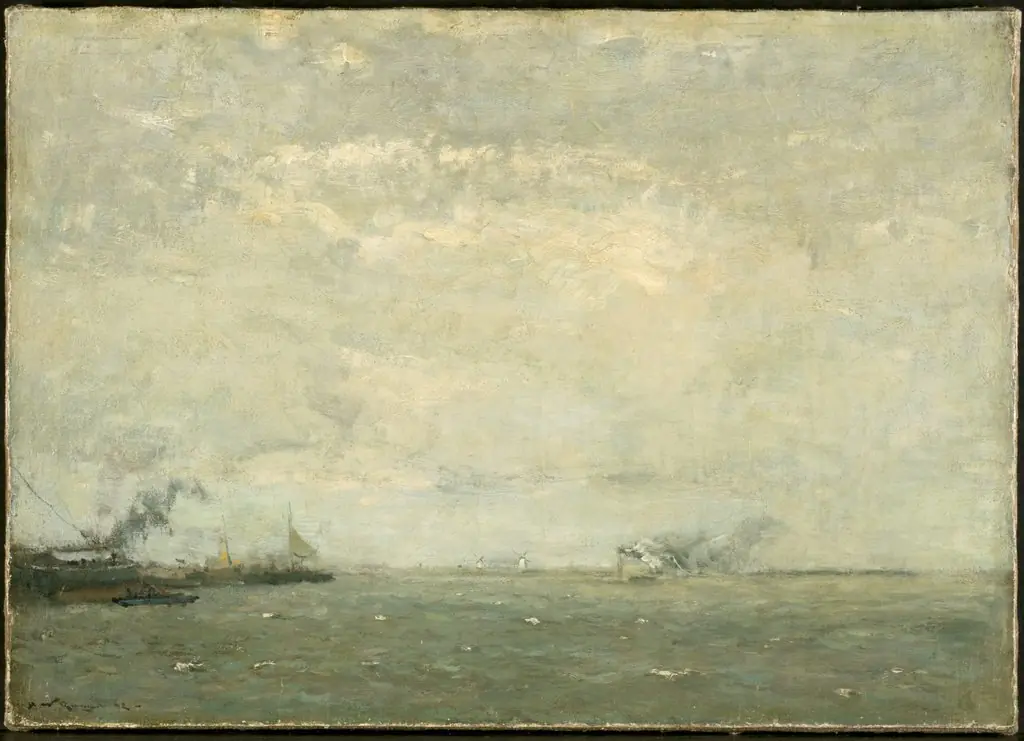
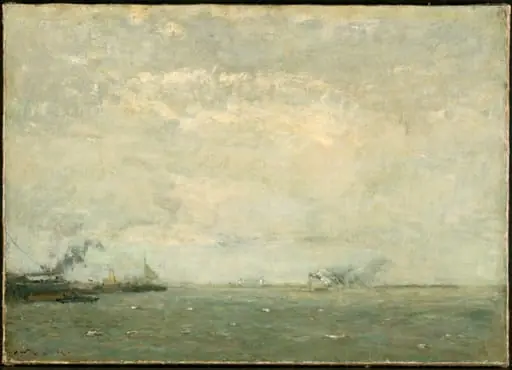
Gray Day, Fishers Island Sound
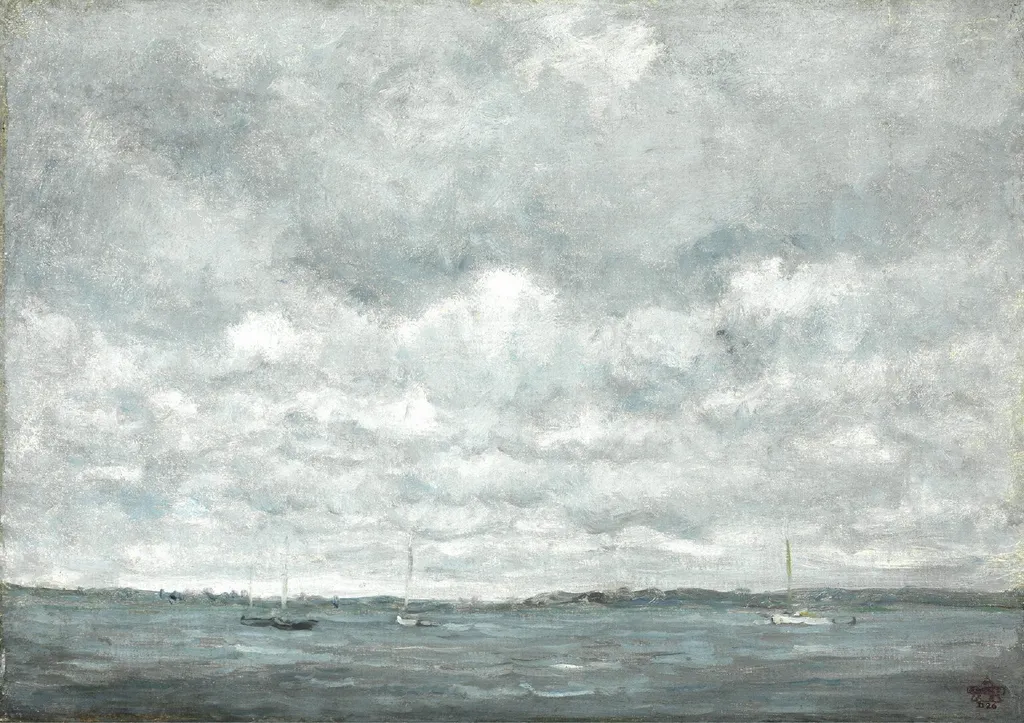
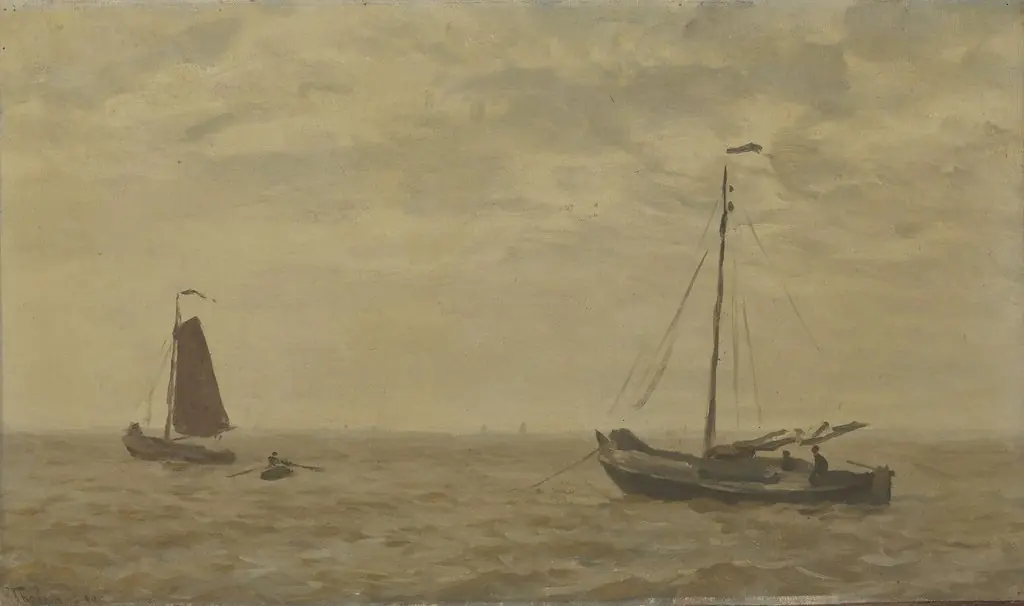
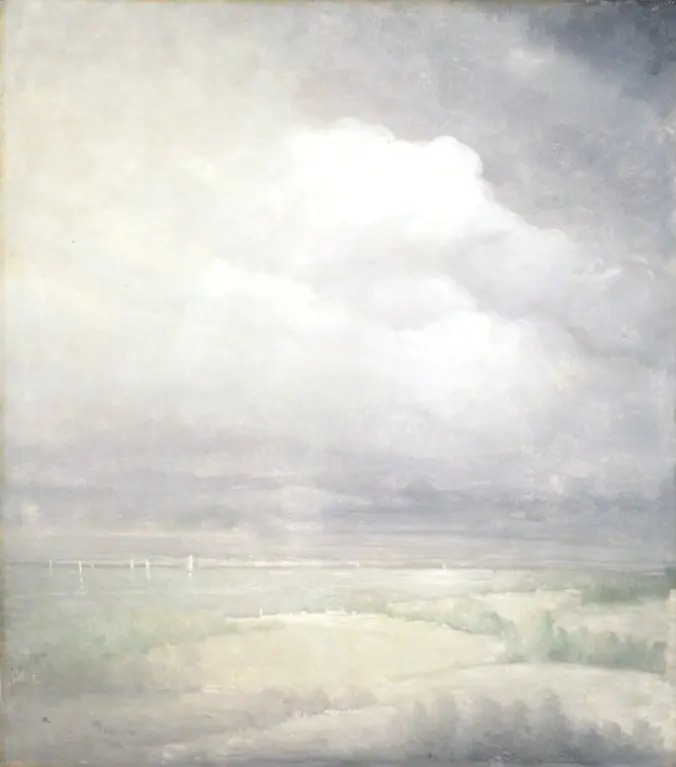
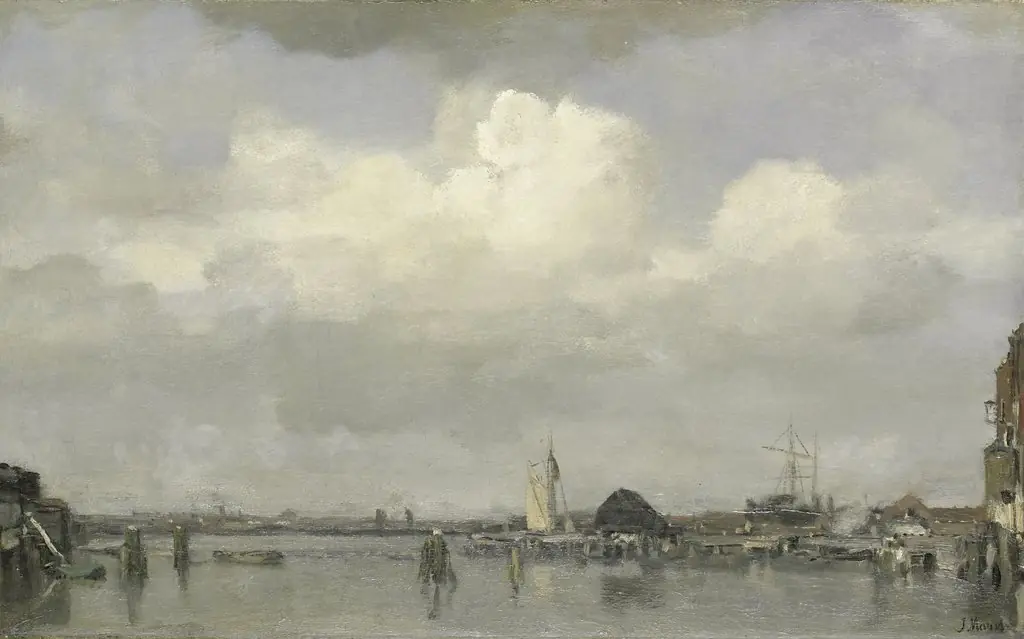
Gray Day, Fishers Island Sound is an oil painting by the American Impressionist artist Henry Ward Ranger. It dates from 1905 and is held in the collection of the Detroit Institute of Arts.
About this work
Overview
The work reflects Ranger’s sustained interest in atmospheric effects and maritime subjects, aligning with the broader American Tonalist tradition.
Painted in 1905, *Gray Day, Fishers Island Sound* is an oil on canvas landscape by Henry Ward Ranger, capturing the quiet mood of a coastal scene off Long Island. The work reflects Ranger’s sustained interest in atmospheric effects and maritime subjects, aligning with the broader American Tonalist tradition. It resides in the collection of the Detroit Institute of Arts, where it contributes to the museum’s representation of late 19th- and early 20th-century American landscape painting.
Subject & Meaning
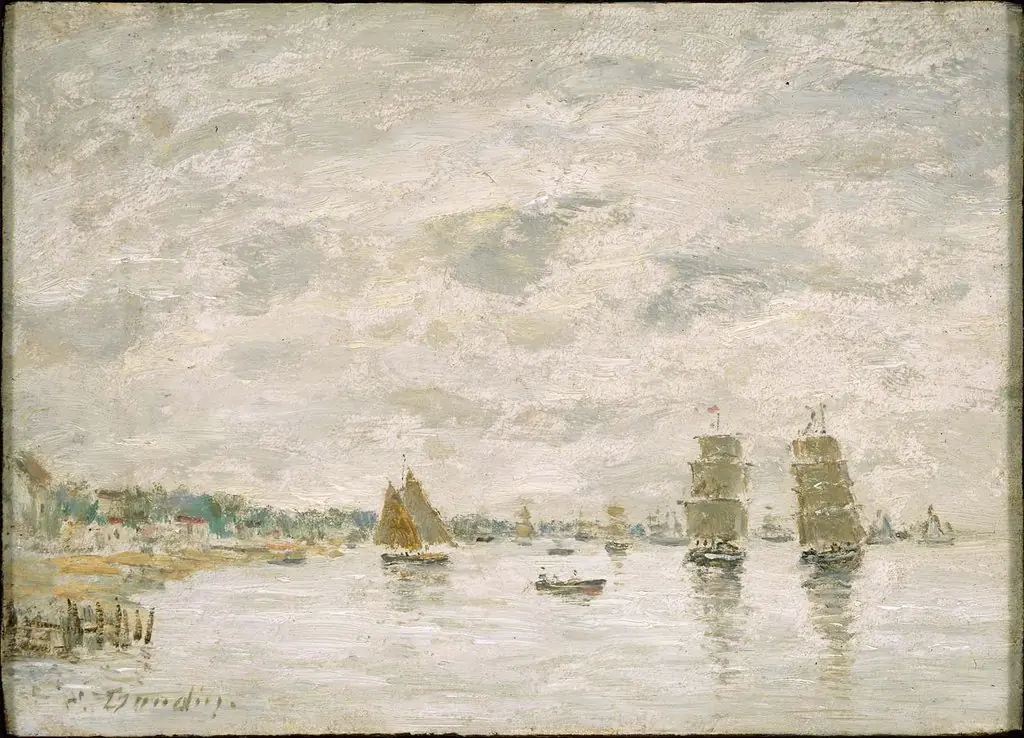
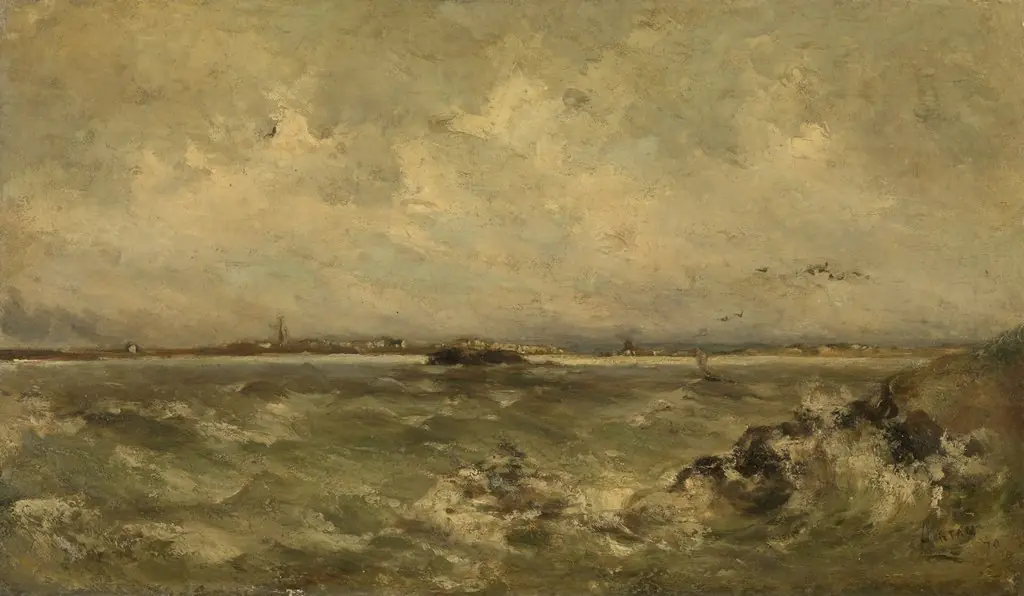
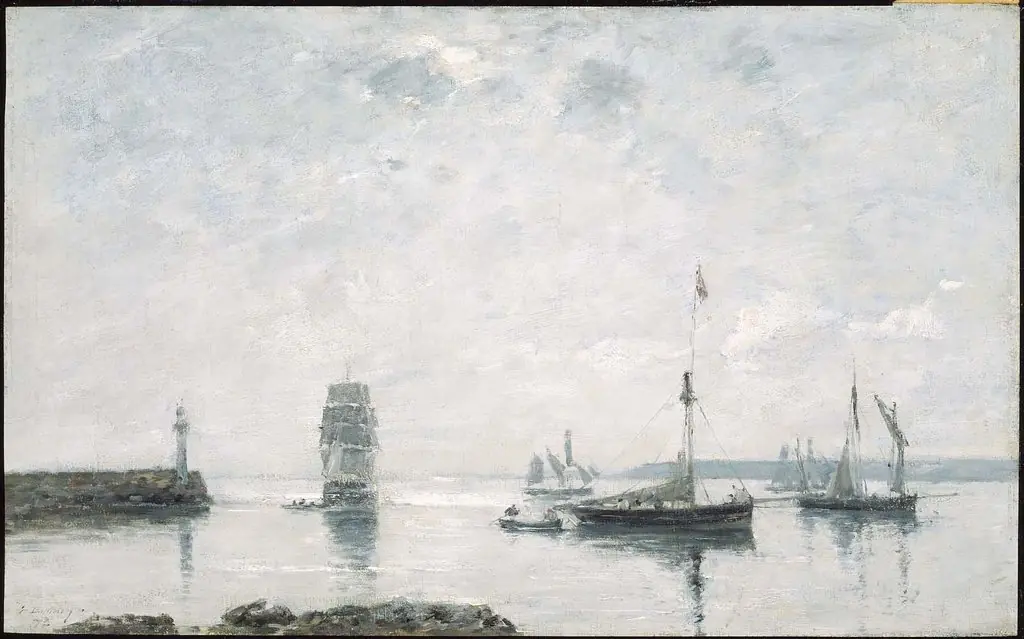
The painting presents a muted seascape on an overcast day, with calm water reflecting the diffuse light of a cloud-covered sky. A few small boats drift near the horizon, and a faint strip of land suggests the distant shore of Fishers Island. The absence of human activity and the subdued palette emphasize solitude and stillness, evoking a contemplative mood rather than narrative or drama.
Technique & Style
Ranger employed soft brushwork and a limited tonal range to unify the composition, favoring grays, blues, and pale whites. The sky and water merge through subtle gradations, minimizing sharp edges and enhancing the sense of atmospheric cohesion. This approach aligns with Tonalist principles, prioritizing emotional resonance over detailed realism or vibrant color contrasts.
History & Provenance
Created during Ranger’s active years in the Old Lyme Art Colony, the painting reflects his commitment to capturing the subtle moods of the New England coast. It entered the Detroit Institute of Arts’ collection in the 20th century, likely through acquisition or donation, and has remained part of their American art holdings since, offering insight into regional landscape traditions of the era.
Context
Ranger was a central figure in the American Tonalist movement, which emerged in reaction to the brighter palettes of Impressionism. While often associated with the Old Lyme colony, his work diverged from its more luminous style, favoring subdued tones and quiet compositions. *Gray Day* exemplifies this preference, situating it within a broader shift toward introspective landscape expression in American art around 1900.
Legacy
Though less widely known than some contemporaries, Ranger’s influence endured among artists seeking emotional depth in landscape painting. *Gray Day, Fishers Island Sound* remains a representative example of Tonalist aesthetics, illustrating how restraint in color and form could convey profound stillness. It continues to inform scholarly understanding of American landscape painting beyond the dominant Impressionist narrative.
Artist & collection
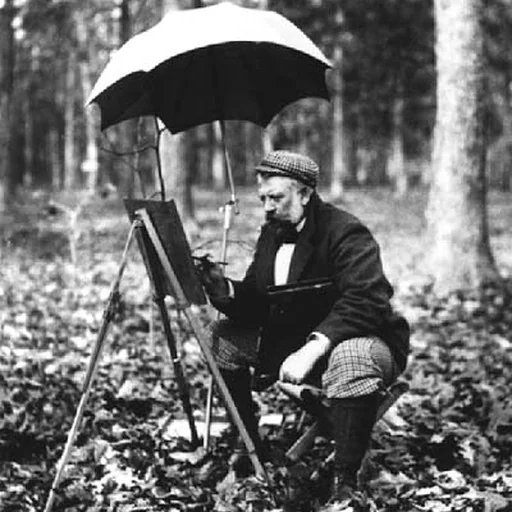
Artist
Henry Ward Ranger (January 29, 1858 – November 7, 1916) was an American artist. Born in western New York State, he was a prominent landscape and marine painter, an important Tonalist, and the leader of the Old Lyme Art…