Artwork
Study of the Bust of a Naked Youth with a Vase – Sketch to the Painting "Vase-Seller"
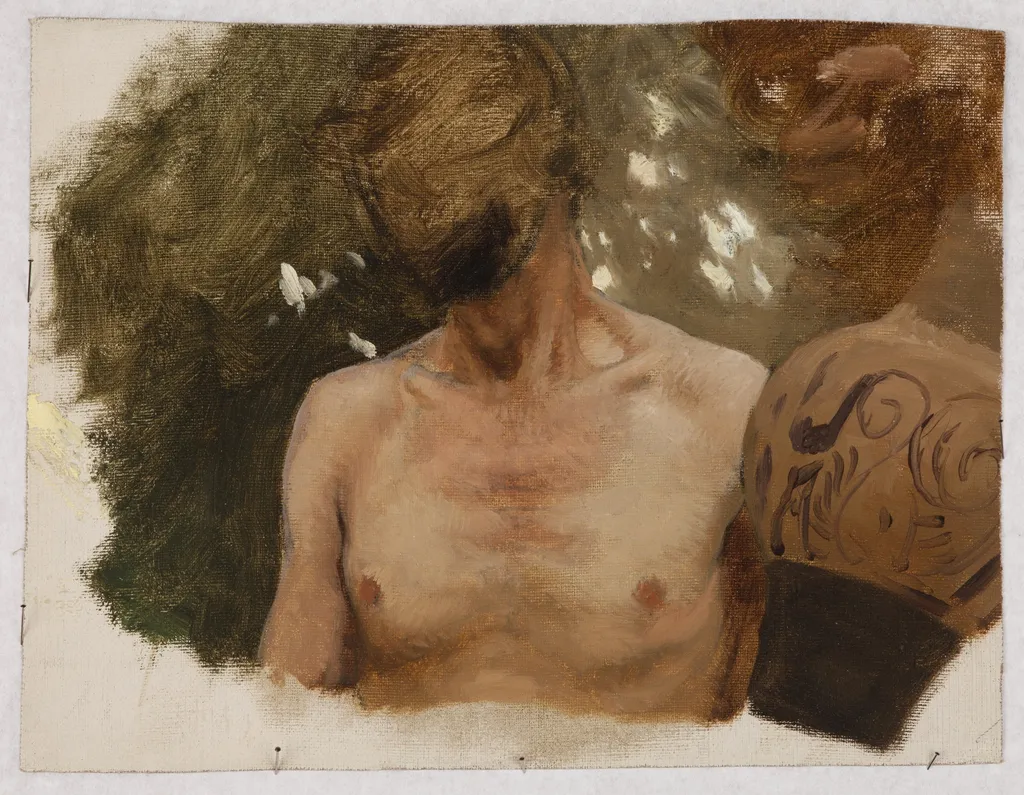
Study of the Bust of a Naked Youth with a Vase – Sketch to the Painting "Vase-Seller" is an oil painting by Henryk Siemiradzki. It dates from 1882 and is held in the collection of the National Museum in Kraków.
About this work
Overview
This oil sketch, dated around 1882, was made by Polish artist Henryk Siemiradzki as a preparatory study for his larger work titled 'Vase-Seller.
This oil sketch, dated around 1882, was made by Polish artist Henryk Siemiradzki as a preparatory study for his larger work titled 'Vase-Seller.' Executed with loose, expressive brushwork, it focuses on the upper torso of a young male figure, capturing a moment of stillness. The piece belongs to the collection of the National Museum in Kraków and exemplifies Siemiradzki’s habit of refining figures through direct observation before completing major compositions.
Subject & Meaning
The subject is a nude youth, depicted from the chest upward, his head turned away from the viewer in a pose of quiet introspection. No narrative context is given; the focus is on the form itself, suggesting an exploration of classical idealism rather than storytelling. The presence of a vase nearby hints at its connection to the larger painting, where the figure may serve as a vendor or attendant in an ancient setting.
Technique & Style
Siemiradzki employs chiaroscuro to model the figure with subtle gradations of light and shadow, emphasizing volume and anatomical structure. The background is rendered in dark, indistinct strokes, isolating the youth and enhancing the sense of depth. Brushwork is deliberately loose and visible, contrasting with the polished finish of his finished paintings and revealing the immediacy of the sketching process.
History & Provenance
Created during Siemiradzki’s time in Rome, the study was likely made in his studio as part of a series of preparatory works for 'Vase-Seller.' It entered the National Museum in Kraków’s collection in the early 20th century, where it remains today. Its survival as a standalone work reflects its value as a document of the artist’s method, rather than merely a discarded draft.
Context
Siemiradzki worked within the academic tradition, favoring classical themes drawn from antiquity. In the late 19th century, artists often produced detailed figure studies to ensure anatomical accuracy in large-scale historical scenes. This sketch aligns with that practice, showing how even artists committed to grand narratives relied on intimate, observational work to ground their compositions in realism.
Legacy
Though not widely exhibited, this study offers insight into Siemiradzki’s working process and his commitment to classical form. It stands as a quiet testament to the discipline behind his more elaborate paintings, illustrating how academic artists balanced idealized composition with direct observation. Its preservation underscores the importance of preparatory works in understanding 19th-century studio practice.
Artist & collection
Artist
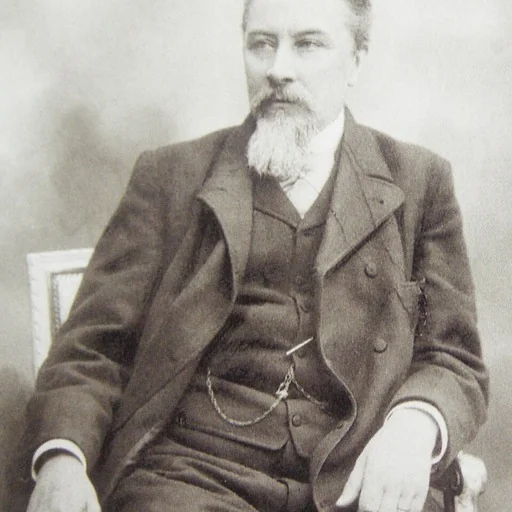
Henryk Hektor Siemiradzki (24 October 1843 – 23 August 1902) was a Polish painter.

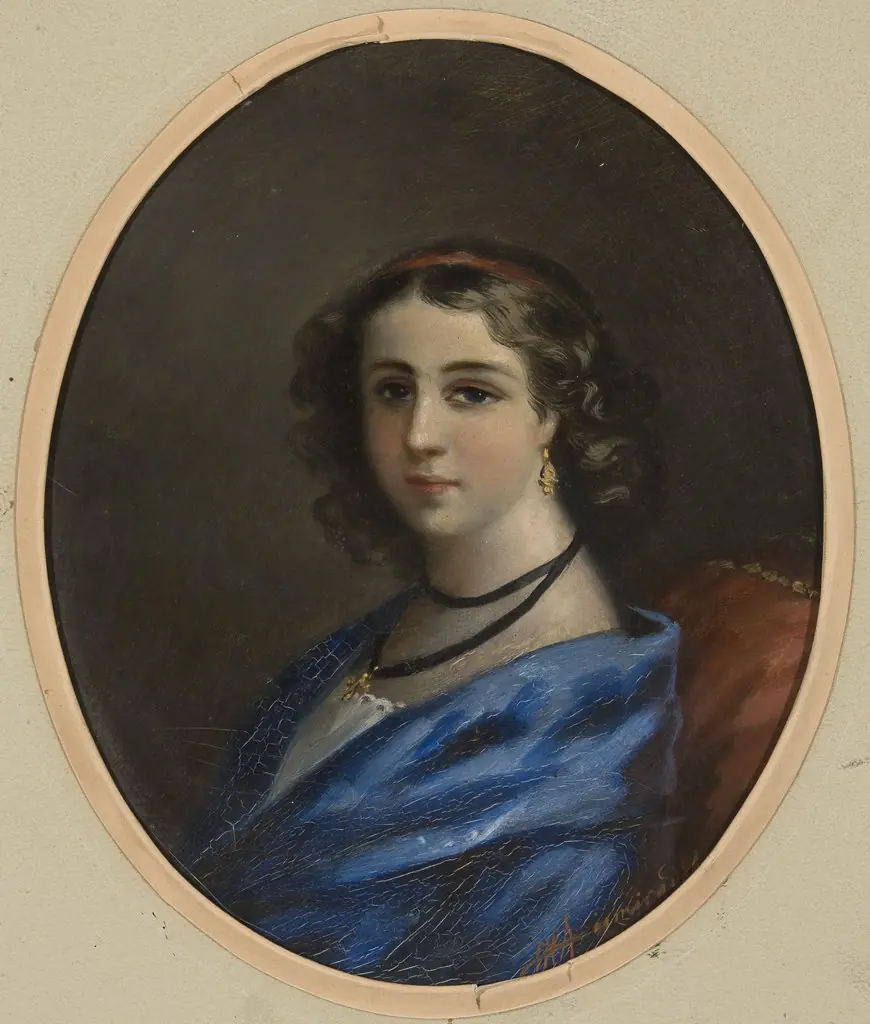 Portrait of a woman
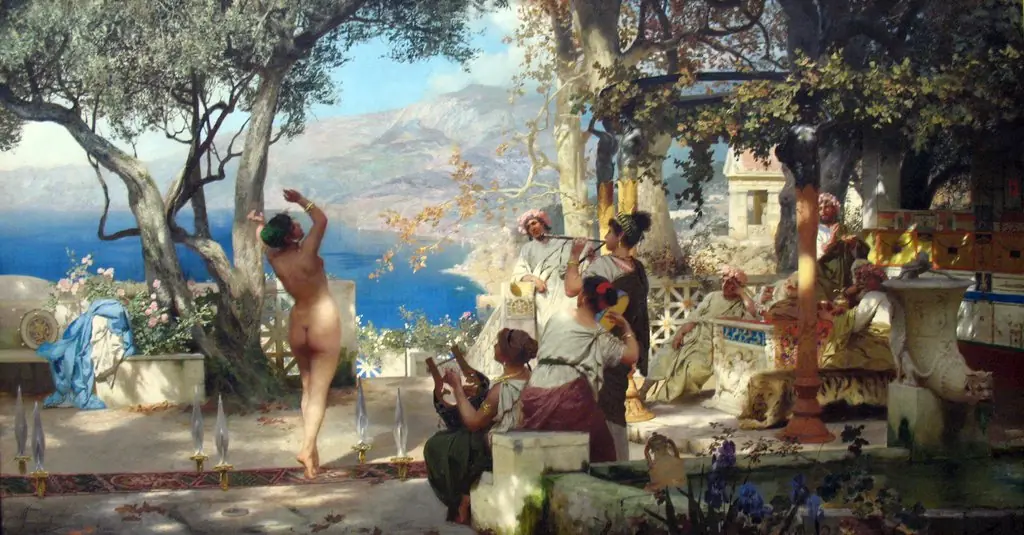 Dance amongst swords
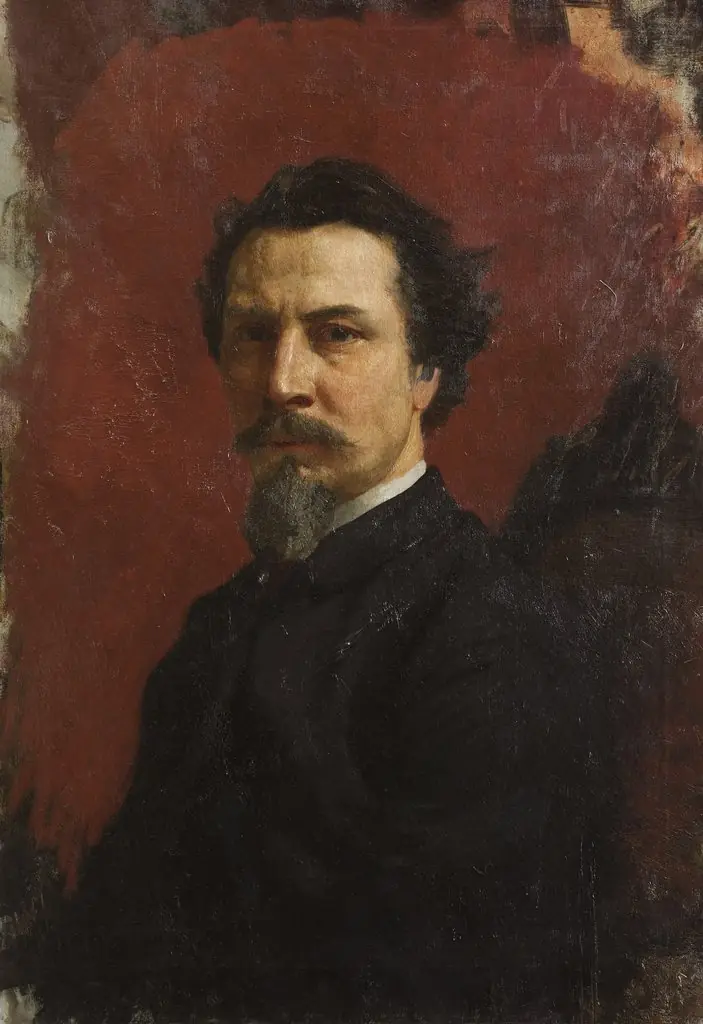 Self-Portrait
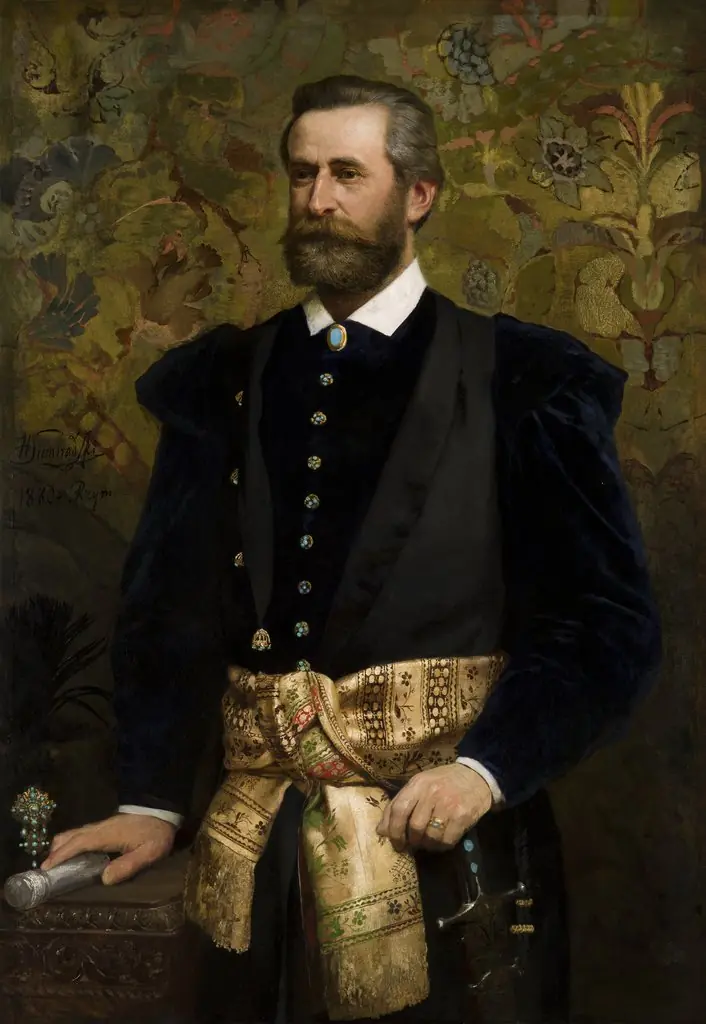 Portrait of Ludwik Wodzicki (1834–1894), Marhal of the Galician Seym
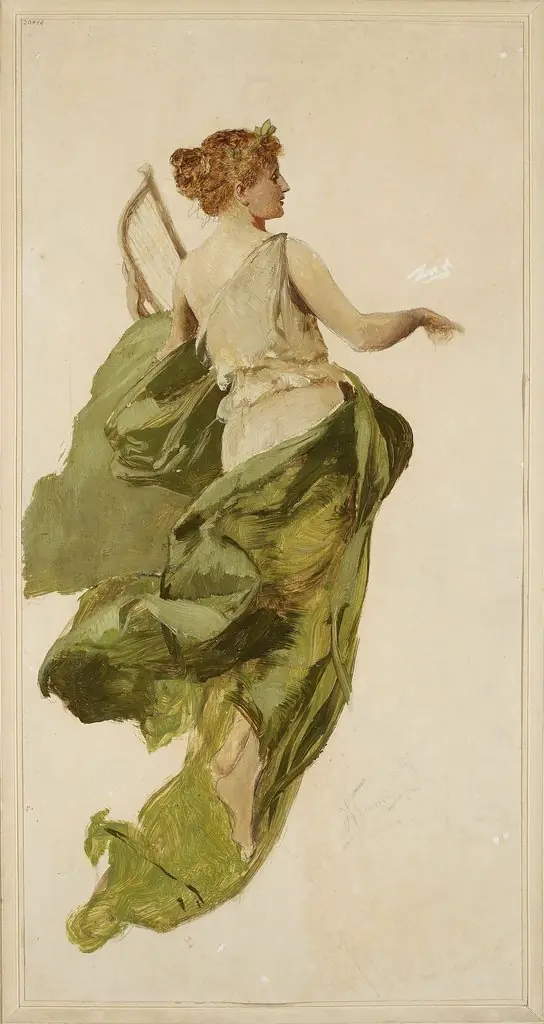 Allegory of Music, sketch for the project of the stage curtain of the Słowacki Theatre in Kraków
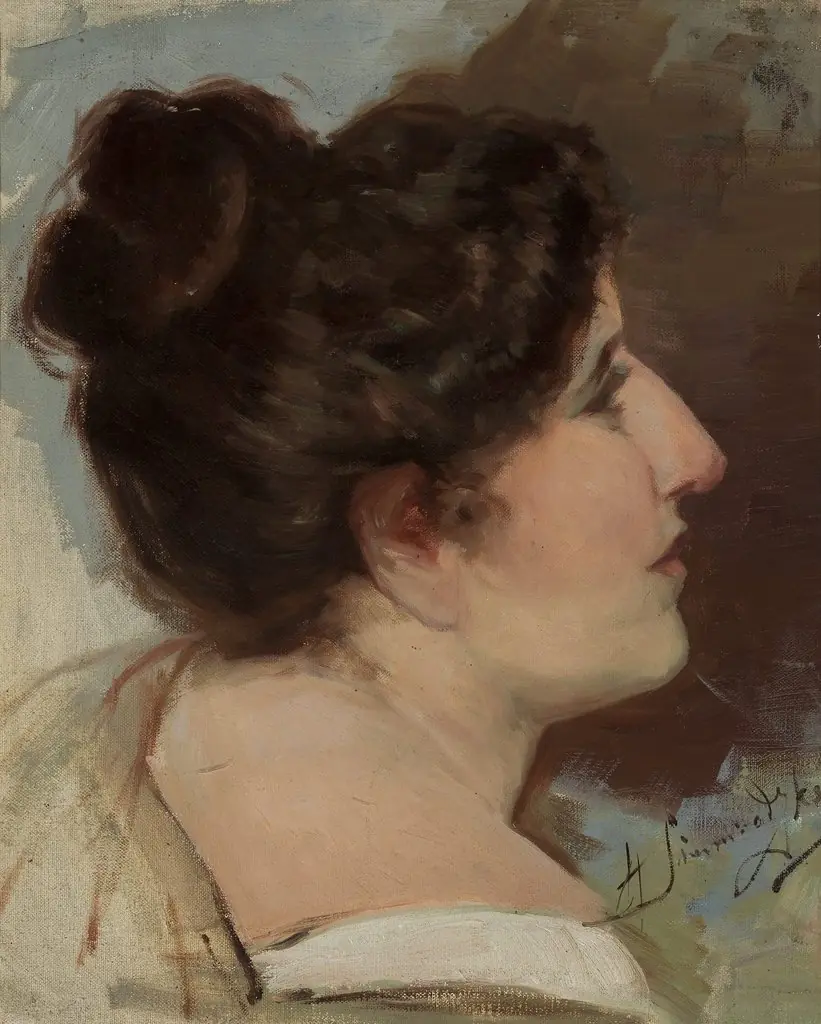 Study of a head
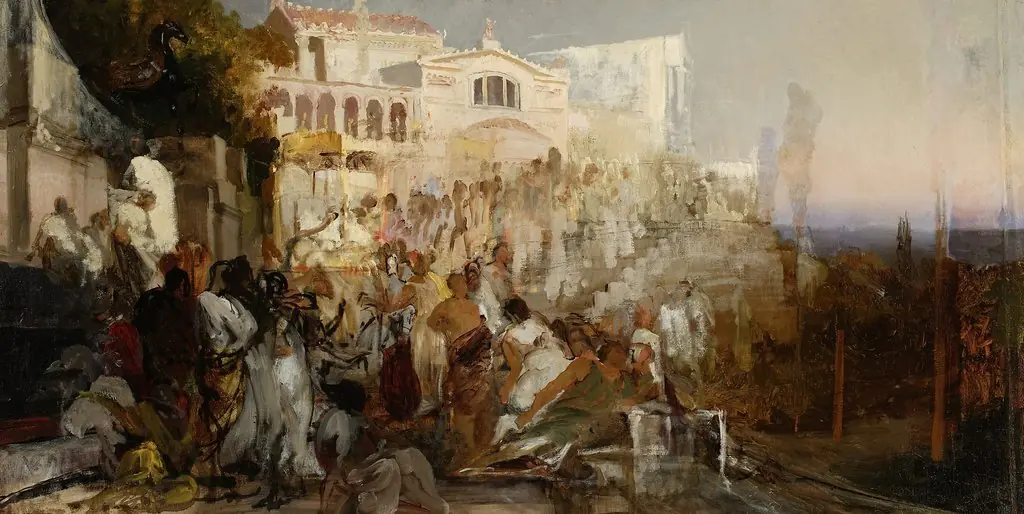 Candlesticks of Christianity, sketch
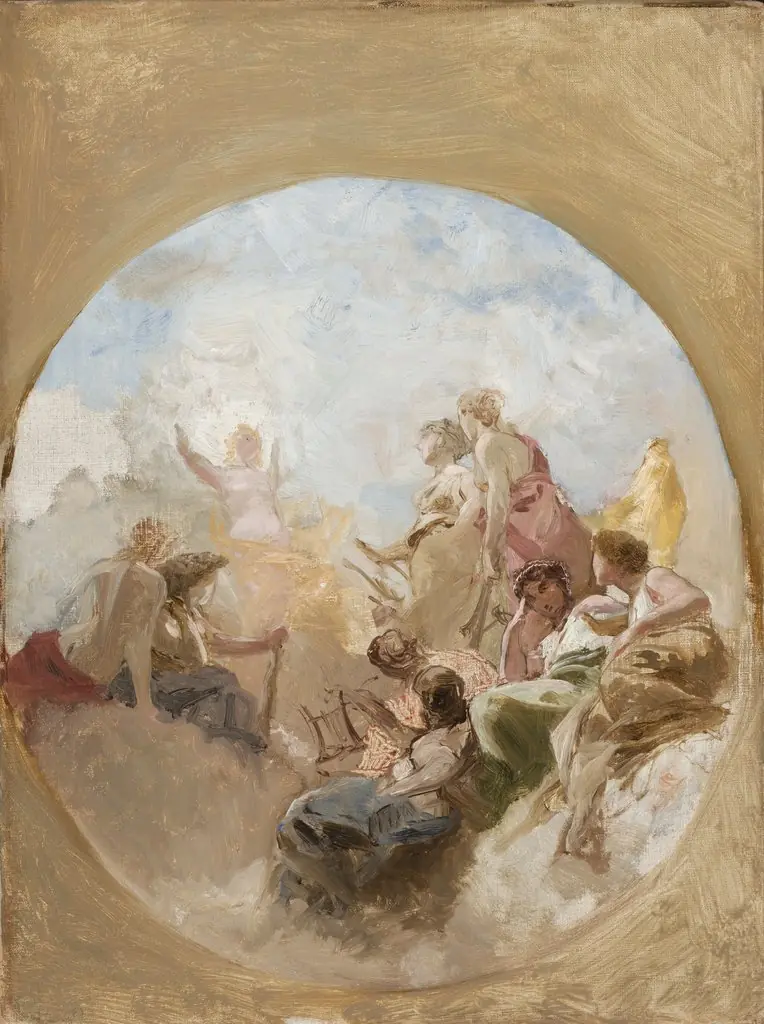 "Aurora" ("Goddess of the Dawn") – Sketch to a Plafon at the House of Jura Nieczajew-Malcew in Sanktt Petersburg
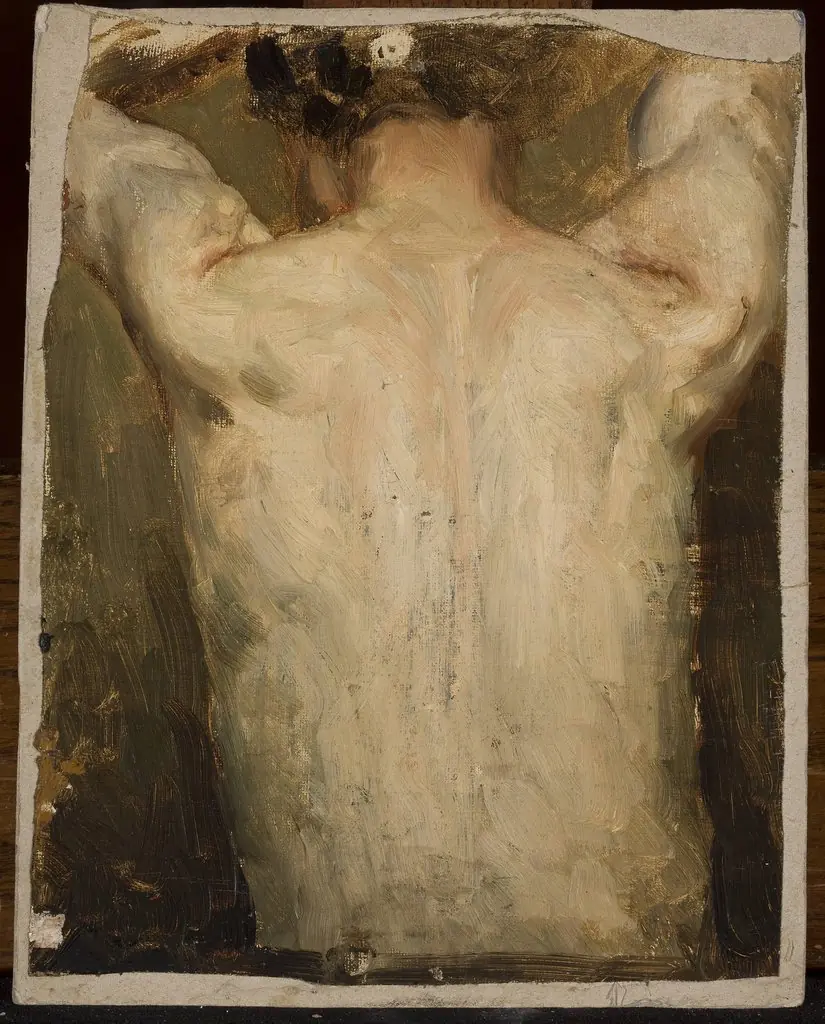 Female model – back
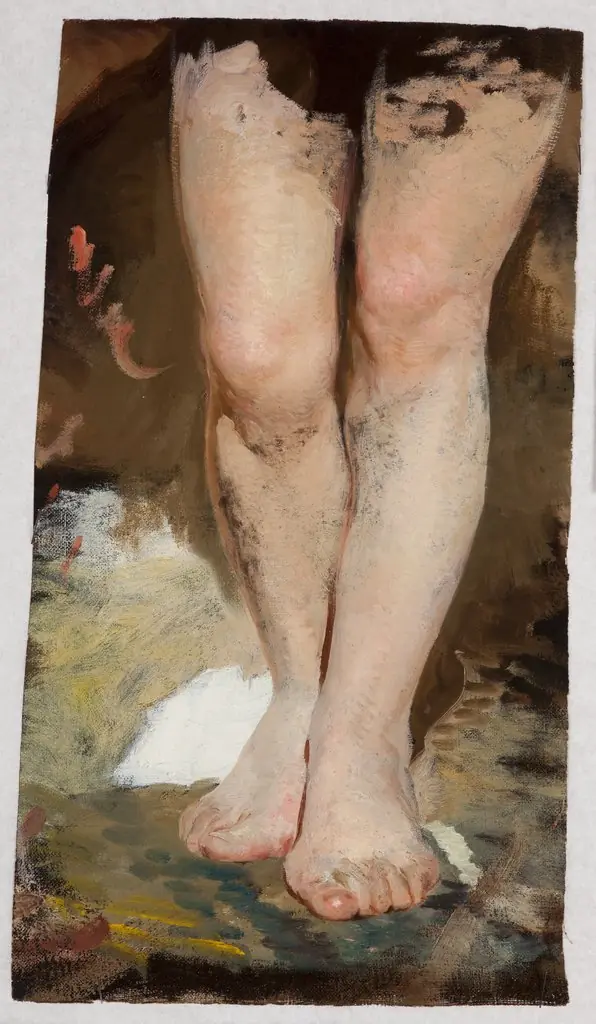 Study of Legs (Phryne) to the Painting "Phryne on the Poseidon's Celebration in Eleusis"
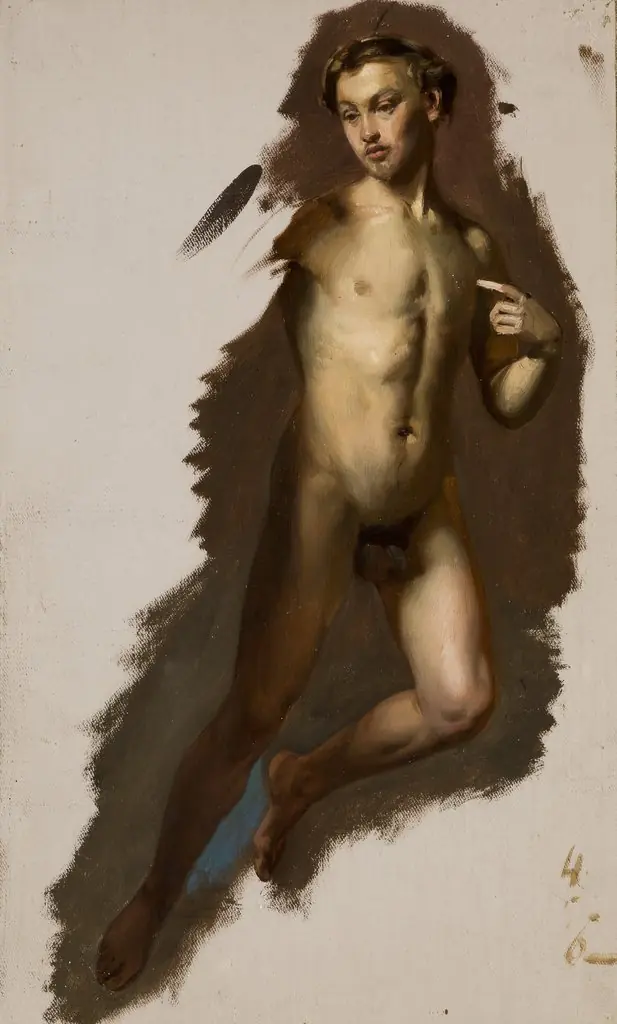 Study of the Amor Figure to the Painting "Wedding Procession of Amor and Psyche"
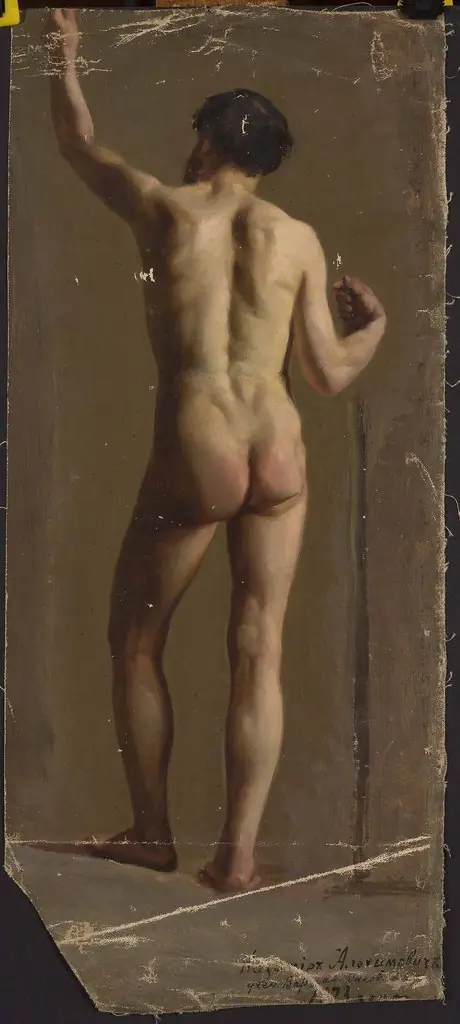 Nude of a standing man, back view
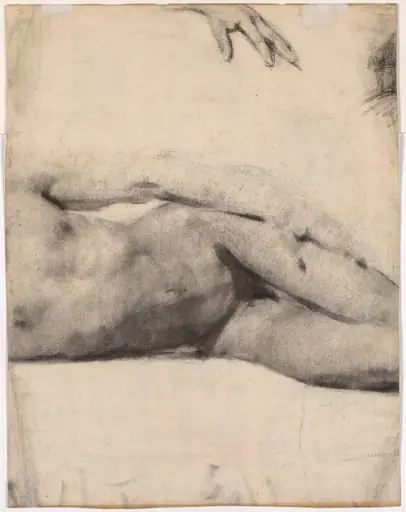 Reclining Male Nude (verso)
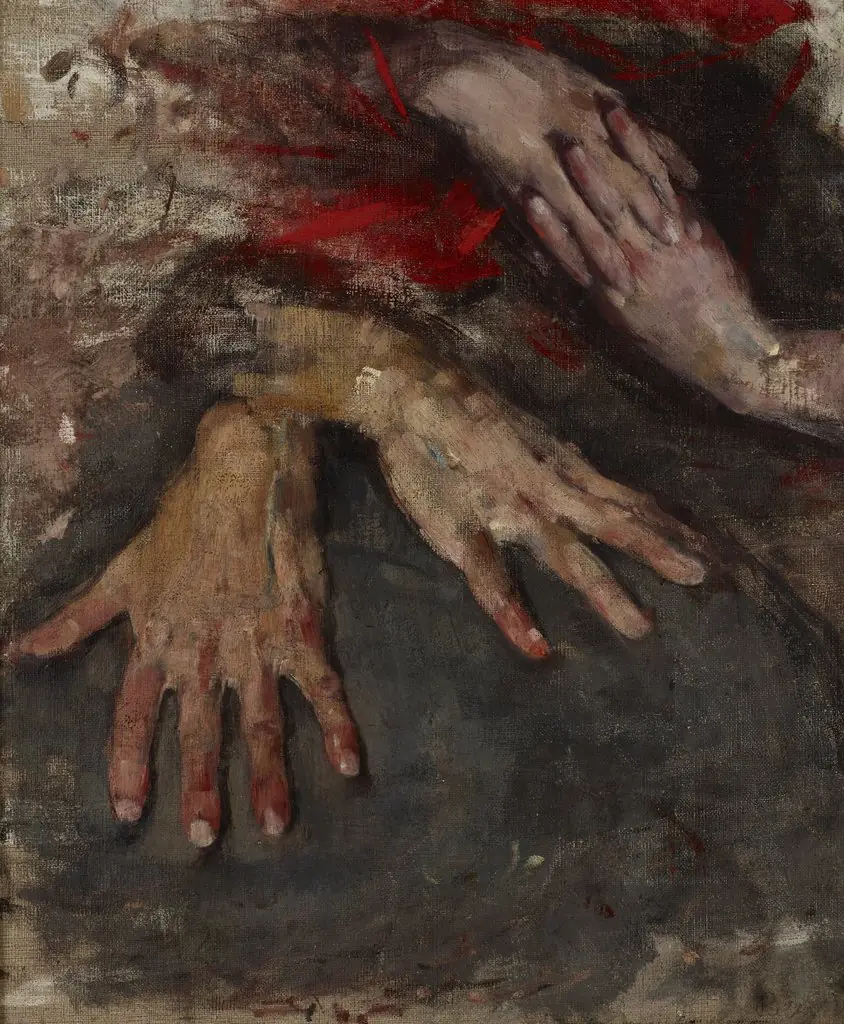 Study of Two Pairs of Hands
 Vanhus, akatemiamalli
 Saul's Legs
 Nude
Nude Öljymaalausluonnoksia
 Study to the Painting "Christian Dirce"
 Lemminkäinen