Artwork
Portrait of a Boy
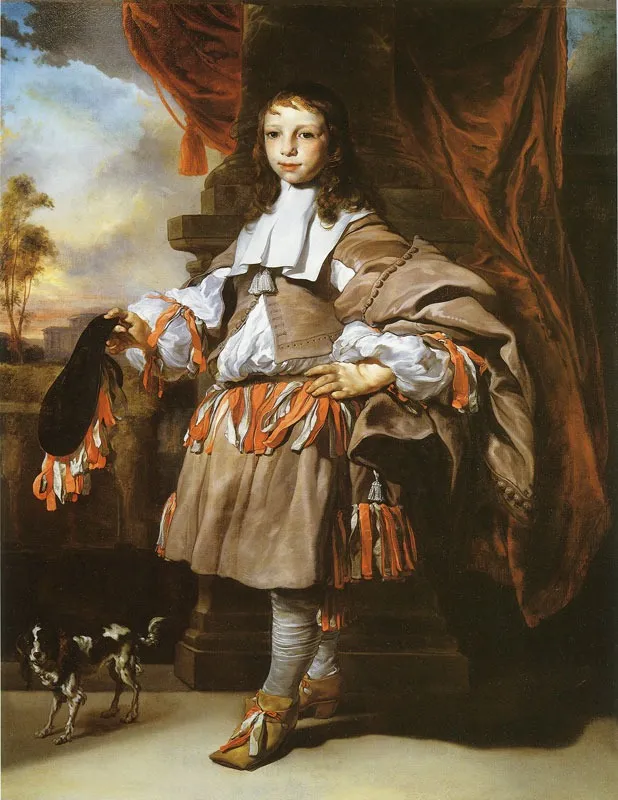
Portrait of a Boy is an oil painting by the Dutch Golden Age artist Jan van Noordt. It dates from 1665 and is held in the collection of the Museum of Fine Arts of Lyon.
About this work
Overview
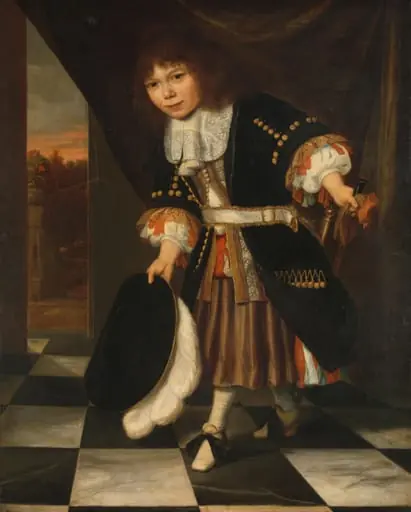
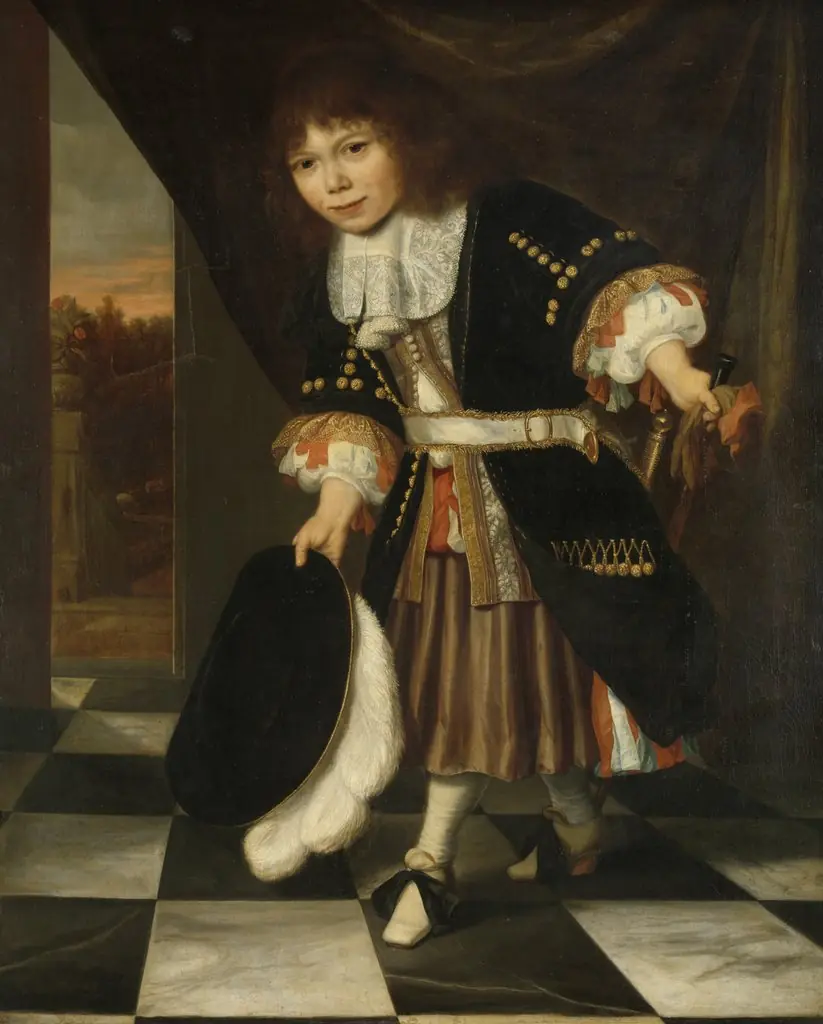
Jan van Noordt’s 1665 oil painting titled *Portrait of a Boy* presents a young male figure standing within an interior space. He is dressed in elaborate attire—a white shirt with a ruffled collar, a brown coat trimmed in orange, and matching breeches—while holding a dark hat. Two small dogs sit at his feet, and a red curtain frames a muted view of trees and a building beyond.
Subject & Meaning
The juxtaposition of the indoor setting with the distant landscape may hint at the transition between private upbringing and the broader world awaiting him.
The work captures a moment of youthful confidence, emphasizing status through clothing and accessories. The presence of the dogs, often symbols of loyalty, and the opulent garments suggest a family of means, possibly indicating the boy’s noble lineage. The juxtaposition of the indoor setting with the distant landscape may hint at the transition between private upbringing and the broader world awaiting him.
Technique & Style
Van Noordt employs chiaroscuro, using strong contrasts of light and shadow to model the boy’s features and the textures of his garments. The illumination catches the white shirt and orange trim, while deeper tones recede, creating a three‑dimensional effect. The brushwork is fine in the details of the fur and fabric, yet broader in the background, balancing realism with a modest compositional depth.
History & Provenance
Created in the mid‑seventeenth century, the portrait entered the collection of the Museum of Fine Arts of Lyon, where it remains on display. Its provenance prior to acquisition by the museum is not extensively documented, but the painting’s attribution to Jan van Noordt aligns with his known output of portraiture for affluent patrons in the Dutch Republic.
Context
The painting reflects the Dutch Golden Age’s fascination with individual portraiture that conveyed social rank through attire and setting. Van Noordt, active in the 1660s, often rendered figures with meticulous attention to costume, aligning his work with contemporaries who emphasized material wealth and personal identity in their compositions.
Artist & collection
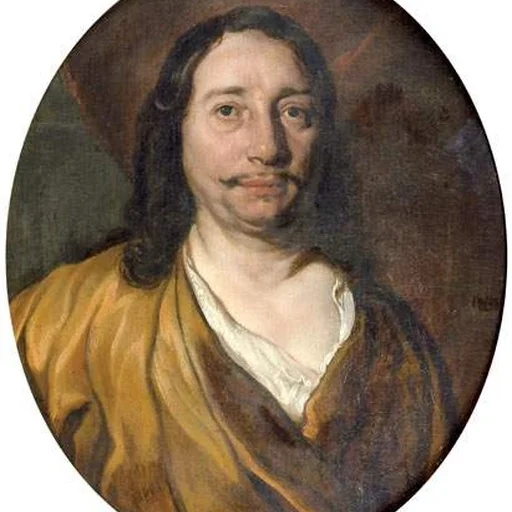

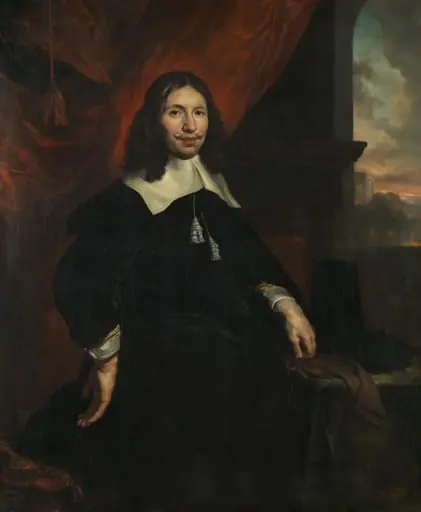 Dionijs Wijnands (1628-73). Amsterdam merchant, son of Hendrick Wijnands and Aeltje Denijs
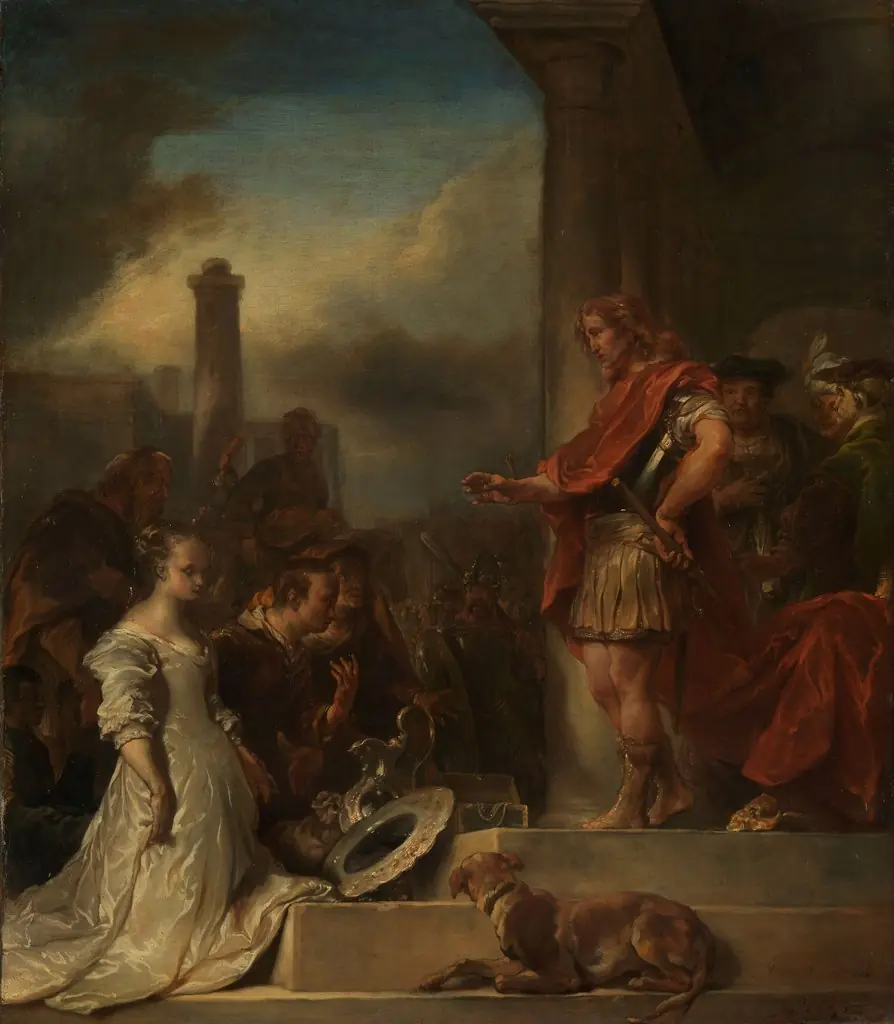 The continence of Scipio
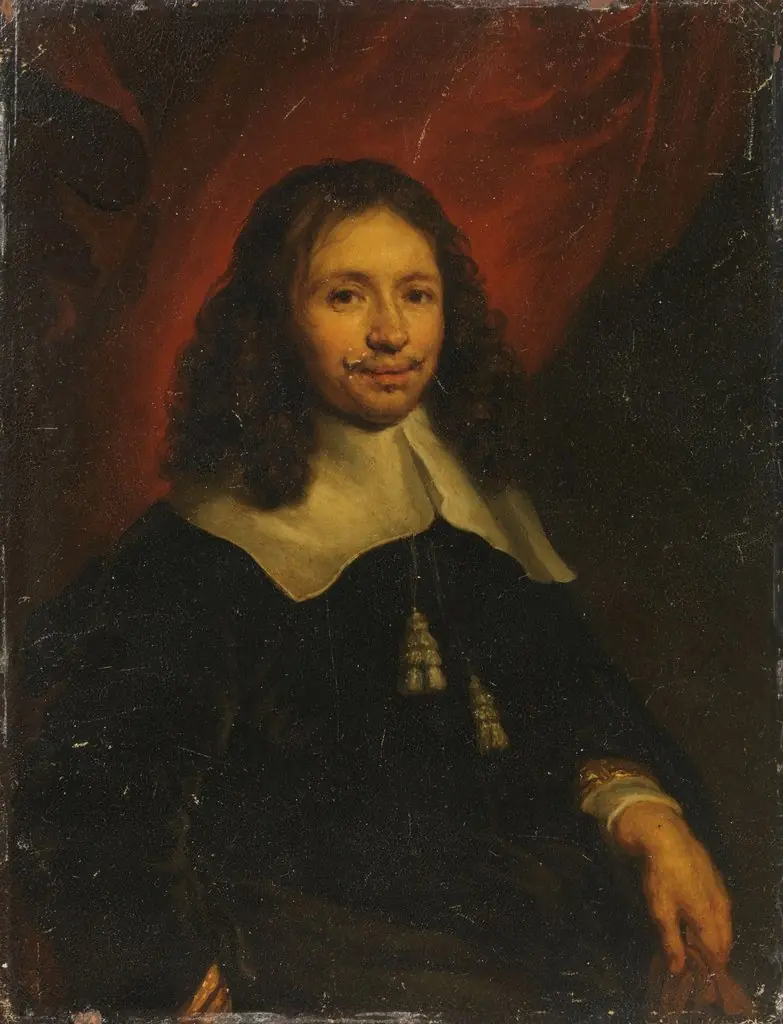 Dionijs Wijnands (1628-73). Amsterdam merchant
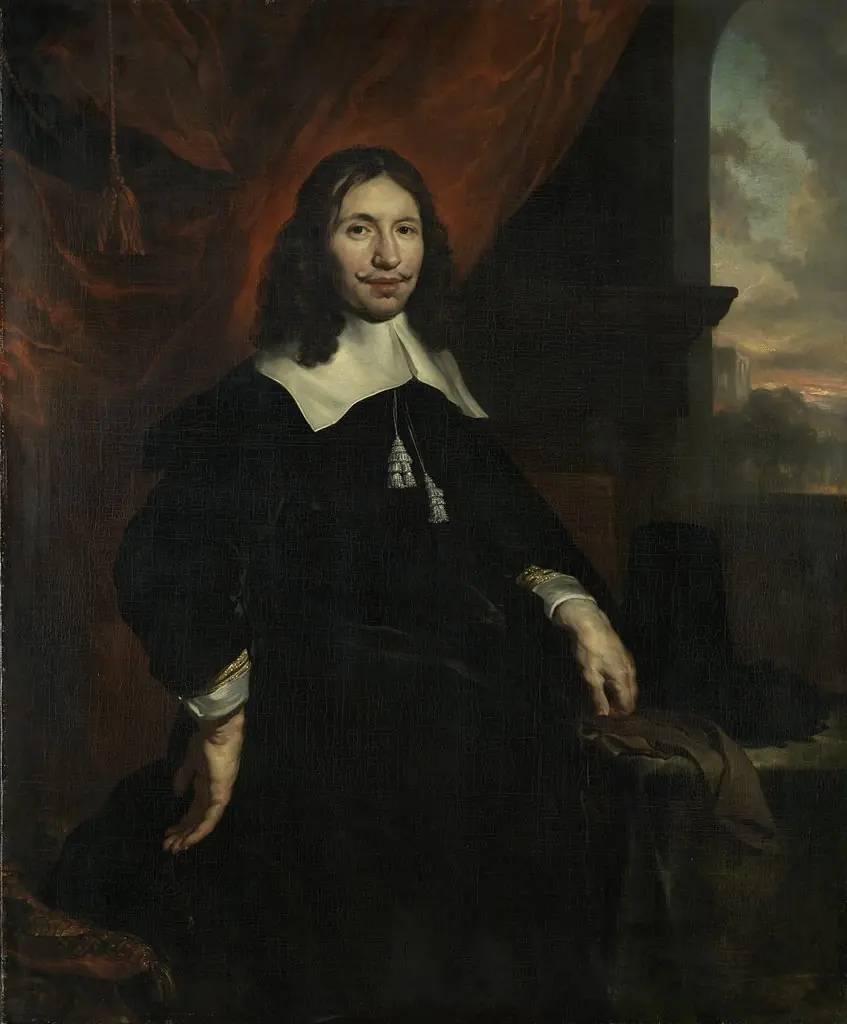 Dionijs Wijnands (1628-73). Amsterdam merchant, son of Hendrick Wijnands and Aeltje Denijs
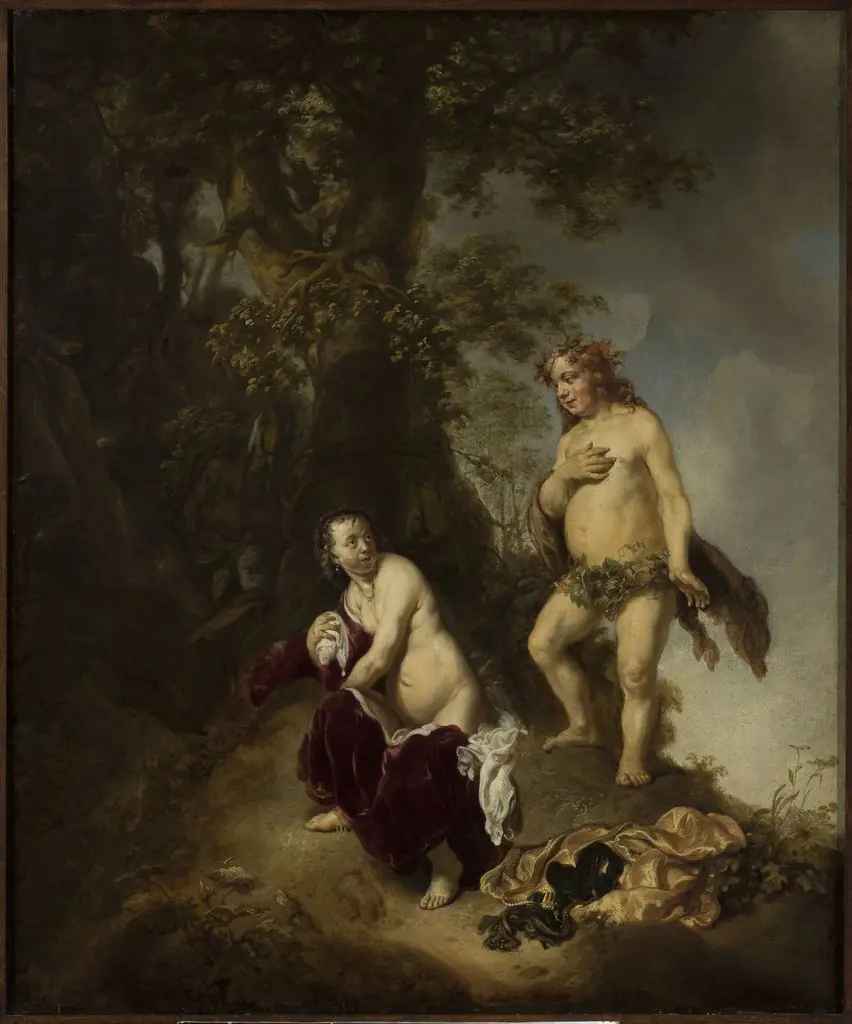 Bacchus and Ariadne
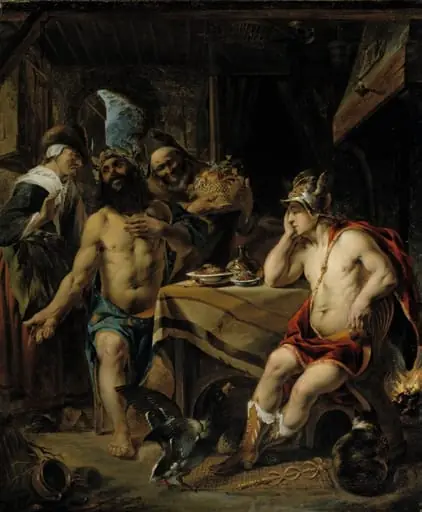 Jupiter ja Merkurius Filemonin ja Bauciin luona
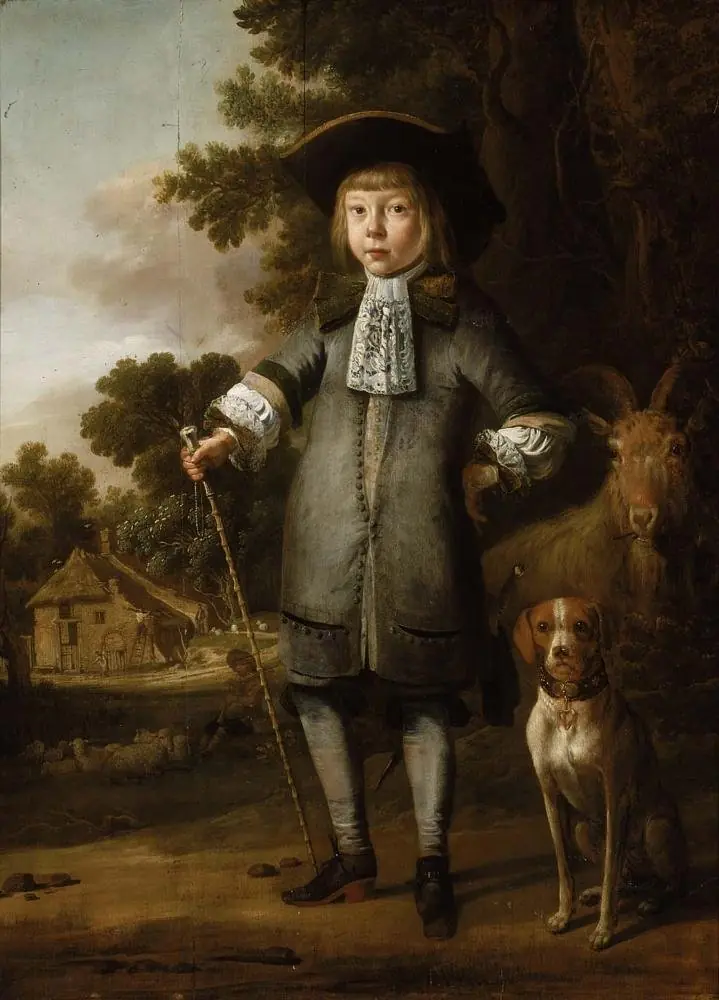 Portrait of a Boy
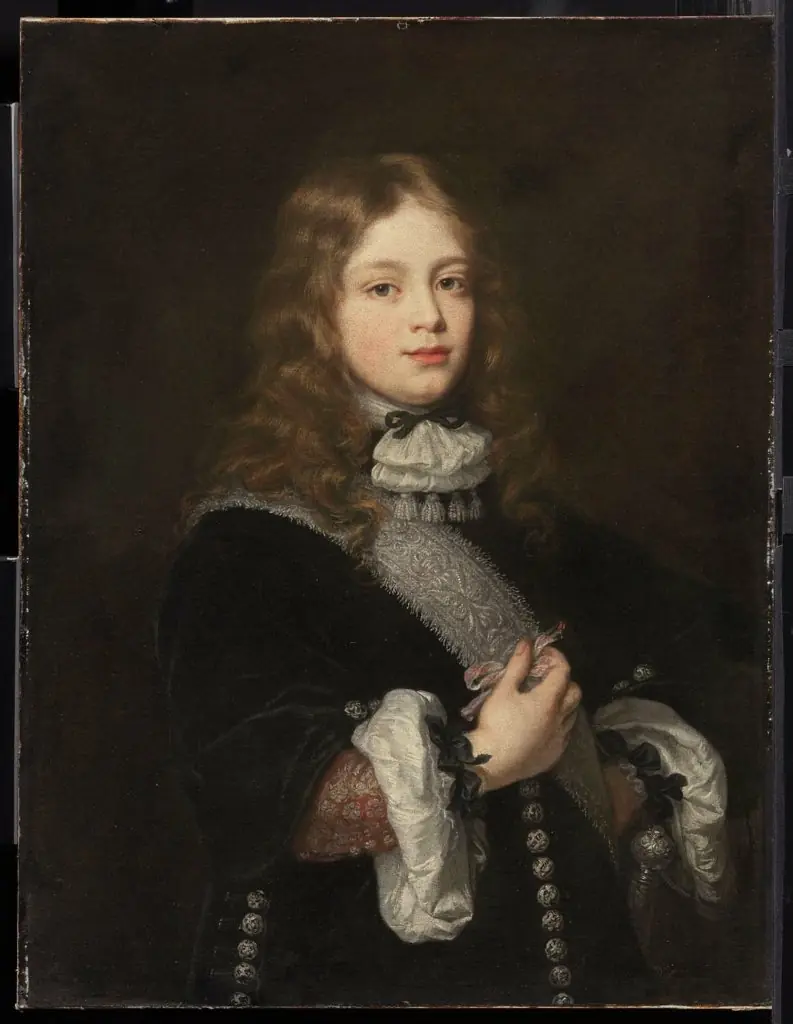 Portrait of a Boy
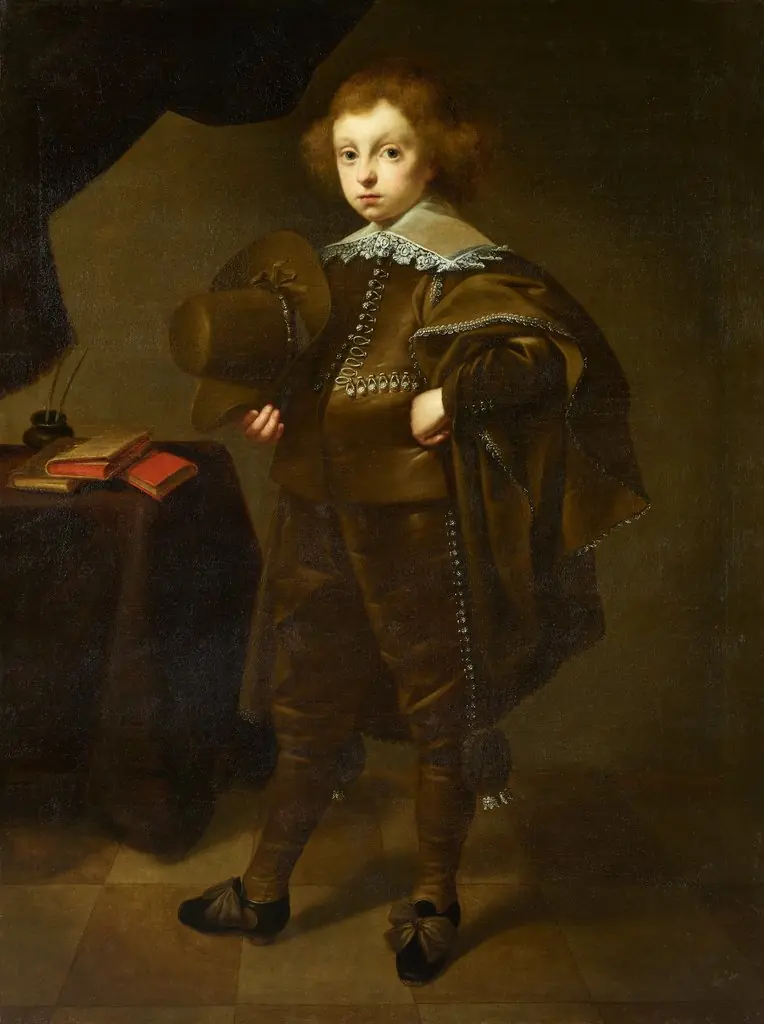 Portrait of a Boy
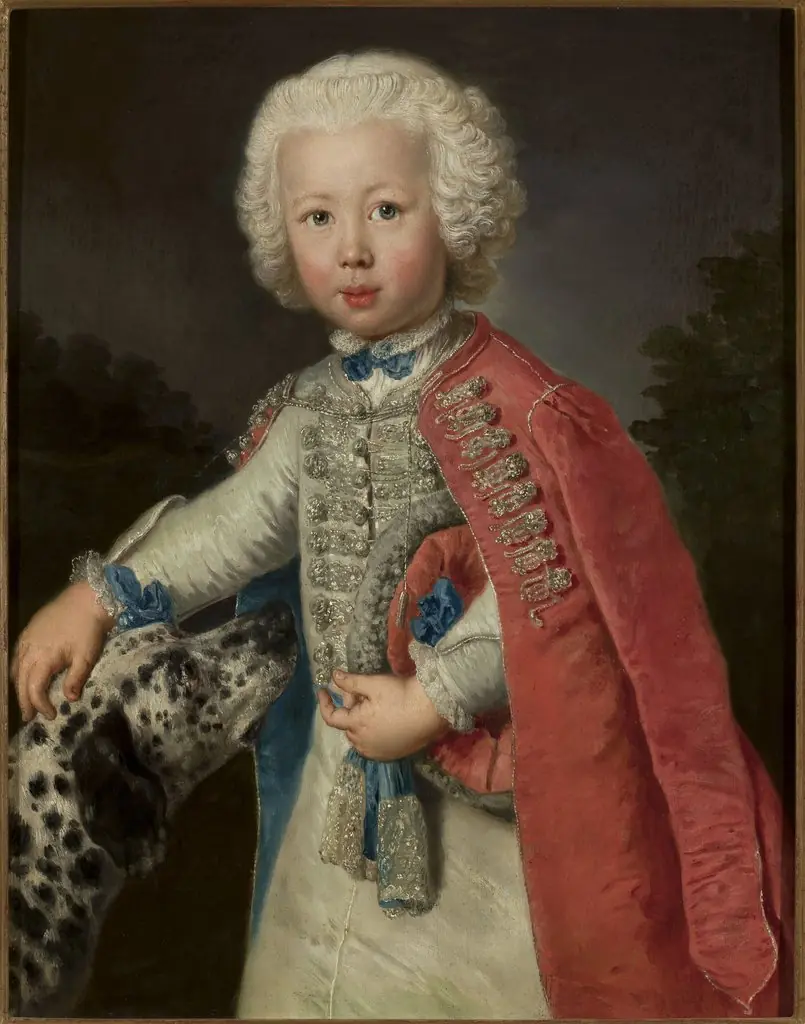 Portrait of a boy
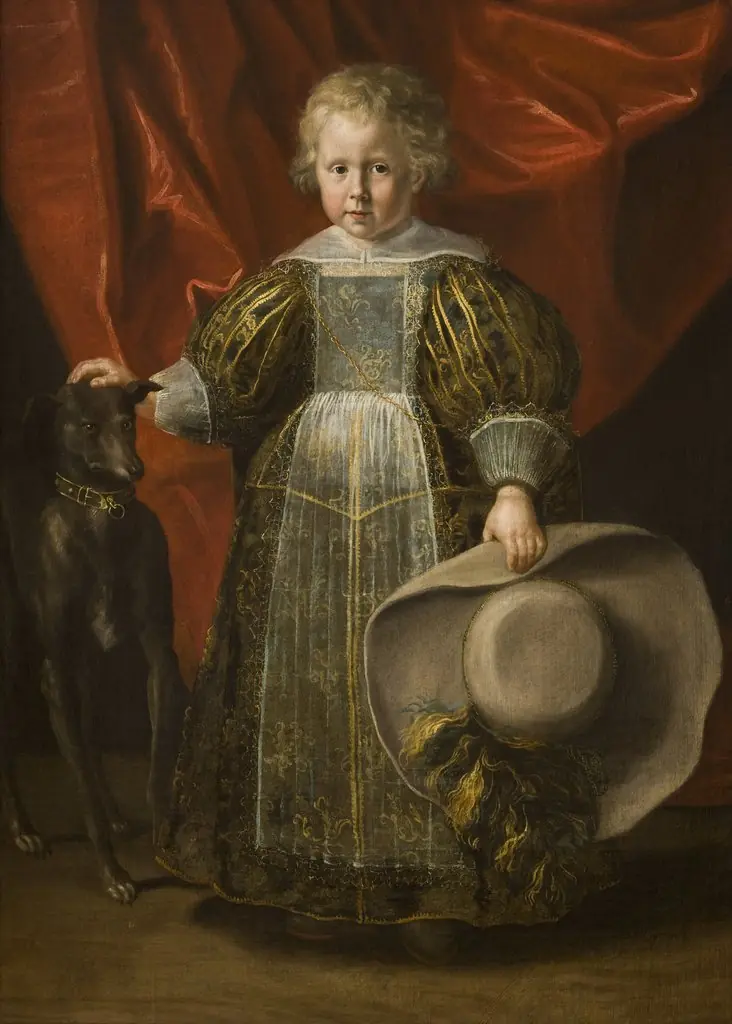 Portrait of a Boy
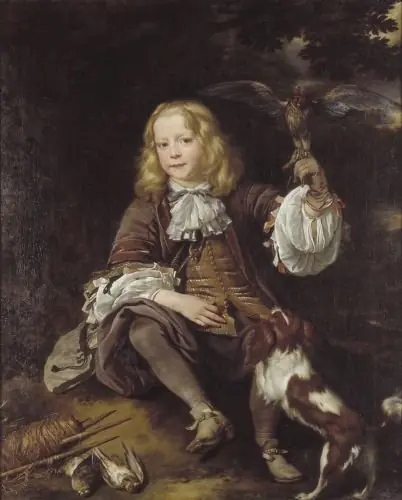 Portrait of Cornelis van Groenendyck (1658-1704)
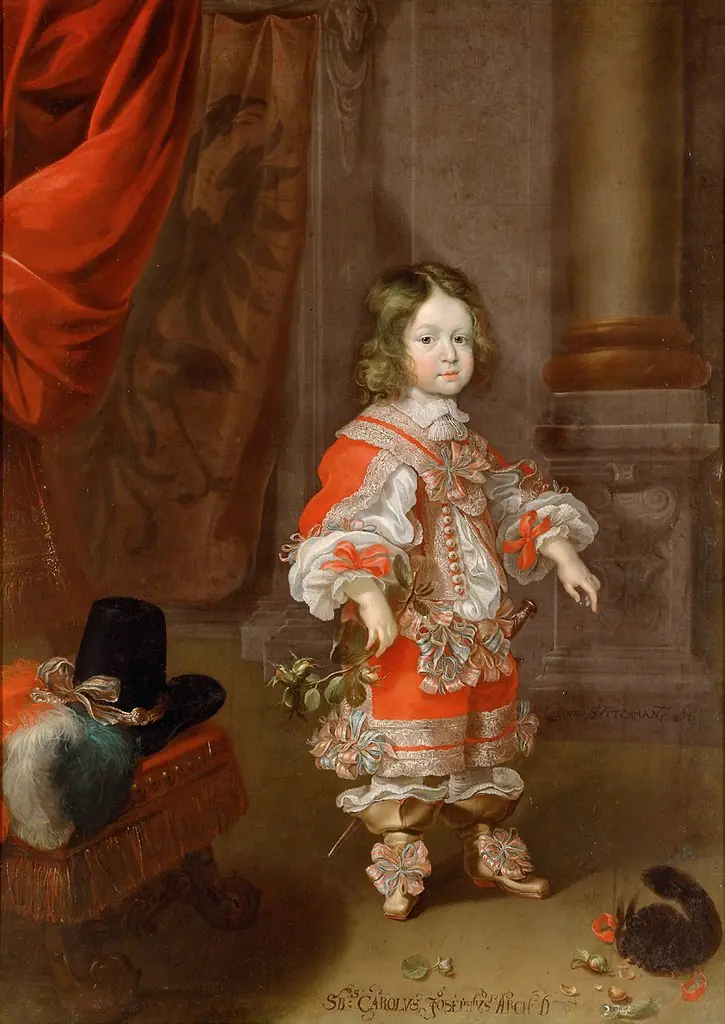 Erzherzog Karl Joseph (1649-1664) mit Eichhörnchen, im Alter von vier bis fünf Jahren
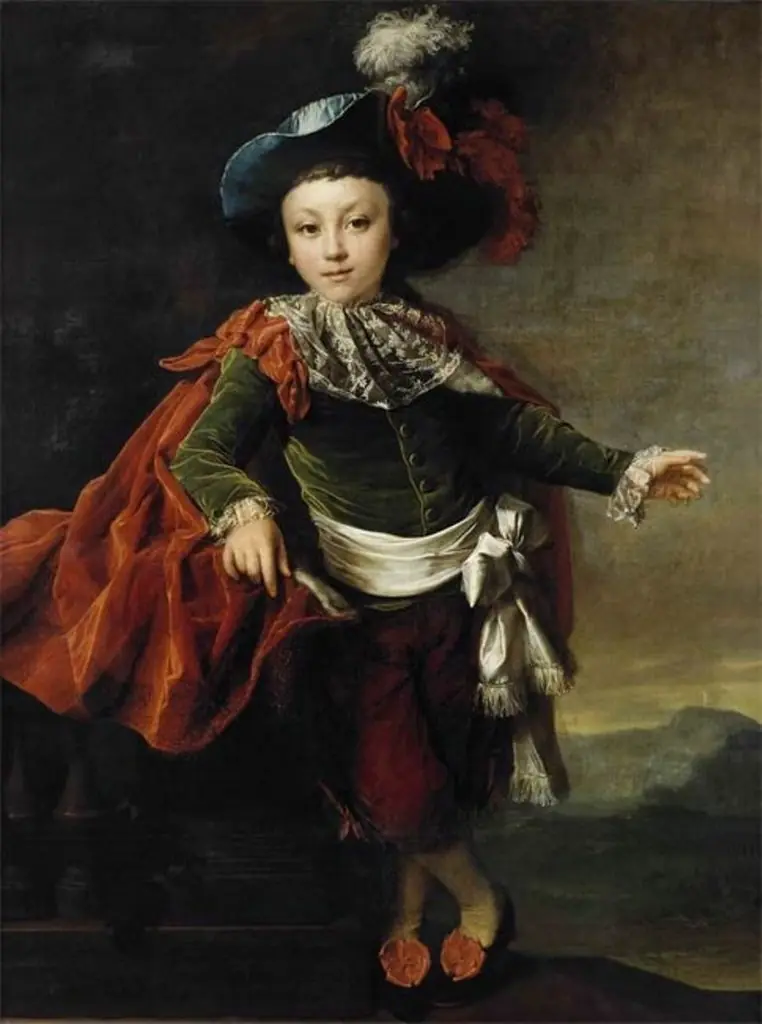 Portrait of F.P. Makerovsky in masquerade costume
 Portrait of a Boy, called The Young Son of Admiral van Nes (The Admiral's Son)
 Portrait of a boy, called 'The son of Admiral van Nes'
 Charles II, when Prince of Wales
 Dwarf with a Dog, formerly denominated Antonio el Inglés