Artwork
Elisabet Sofia Maria, 1683-1767, prinsessa av Holstein-Norburg, hertiginna av Holstein-Sonderburg-Plön, hertiginna av Braunschweig-Lüneburg, furstinna av Braunschweig-Wolfenbüttel
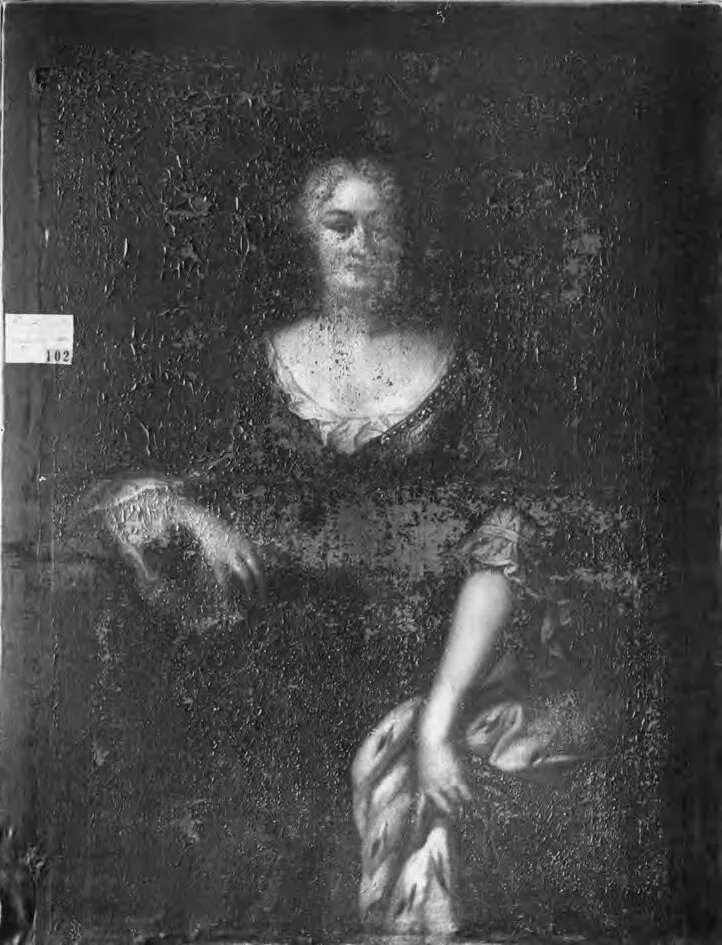
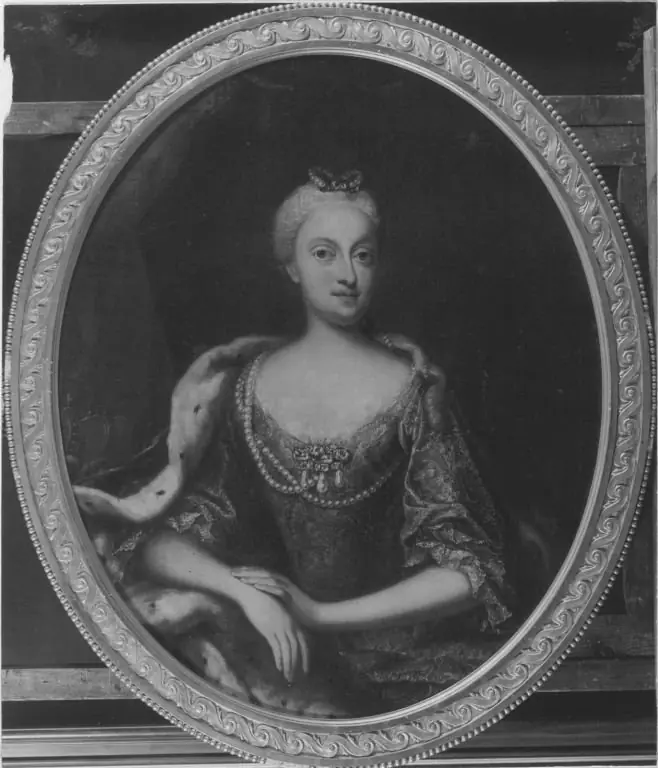
Elisabet Sofia Maria, 1683-1767, prinsessa av Holstein-Norburg, hertiginna av Holstein-Sonderburg-Plön, hertiginna av Braunschweig-Lüneburg, furstinna av Braunschweig-Wolfenbüttel is an oil painting by the Rococo painting artist Herman Hendrik de Quiter the Younger. It dates from 1718 and is held in the collection of the Nationalmuseum.
About this work
Overview
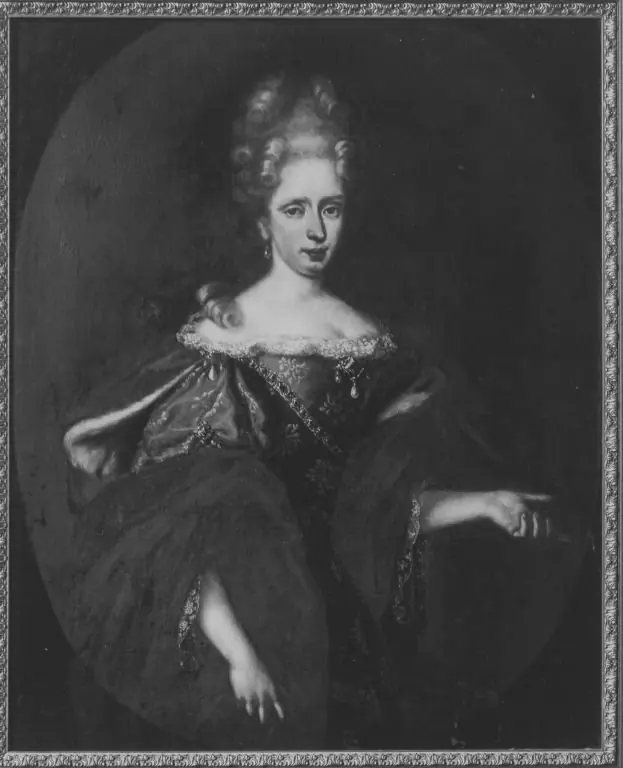
This oil portrait, executed around 1718 by the Dutch painter Herman Hendrik de Quiter the Younger, presents Elisabeth Sophie Marie, a noblewoman of the early eighteenth century. The work is part of the collection of Sweden’s Nationalmuseum and records the sitter’s numerous titles, including princess of Holstein‑Norburg and duchess of several German houses.
Subject & Meaning
Elisabeth Sophie Marie (1683–1767) is shown in formal attire, her posture suggesting both poise and modesty. The composition emphasizes her status through the richness of her dress while the subdued expression conveys a restrained dignity typical of aristocratic portraiture of the period.
Technique & Style
The painter employs a restrained palette, setting the figure against a deep, almost black background that heightens the contrast with the lighter fabric of the dress. Subtle chiaroscuro modelling gives the body a three‑dimensional presence, while the blurred facial features focus attention on the overall silhouette rather than individual likeness.
History & Provenance
Created circa 1718, the portrait entered the Nationalmuseum’s holdings as part of its early eighteenth‑century European collection. Its attribution to de Quiter the Younger rests on stylistic analysis and documented commissions for German‑Danish courts during that era.
Context
The painting reflects the cross‑regional alliances of the German and Danish nobility, where portraiture served diplomatic and familial purposes. The sitter’s multiple titles illustrate the complex web of dynastic connections that the artwork subtly records through its formal presentation.
Artist & collection
Artist
Herman Hendrik de Quiter the Younger
Herman Hendrik de Quiter the Younger (1685–1731) was an artist, born in Bonn.

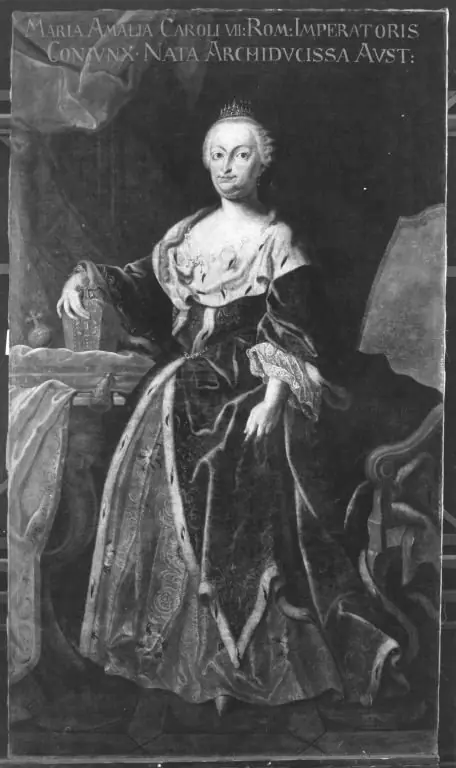 Bildnis der Maria Amalia, Tochter Kaisers Joseph I., Gemahlin Kaiser Karls VII.
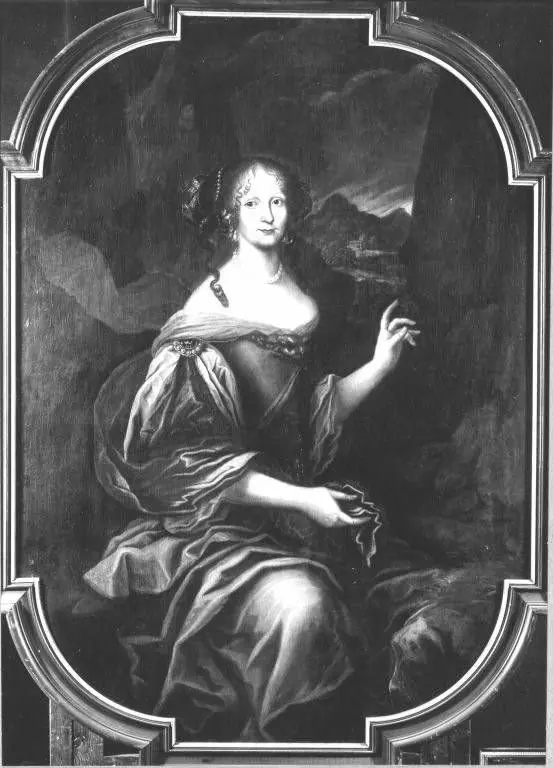 Bildnis einer Hofdame
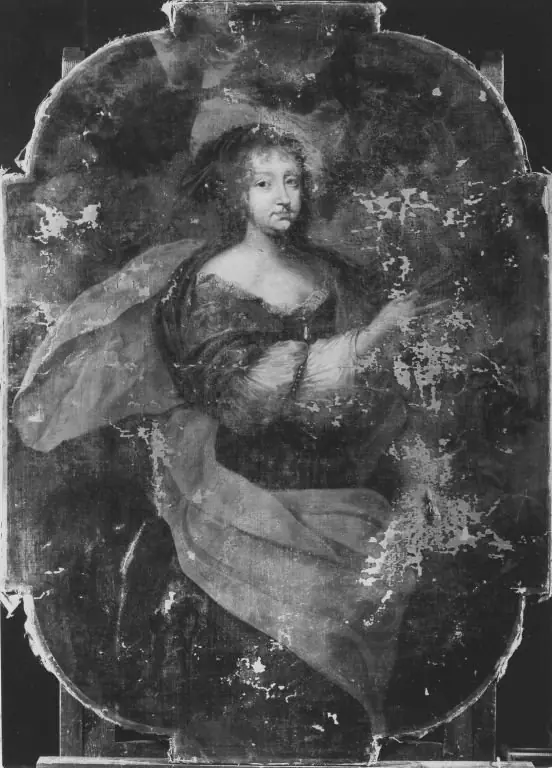 Bildnis einer Hofdame
 Bildnis der Prinzessin Francisca Elisabeth von Parma
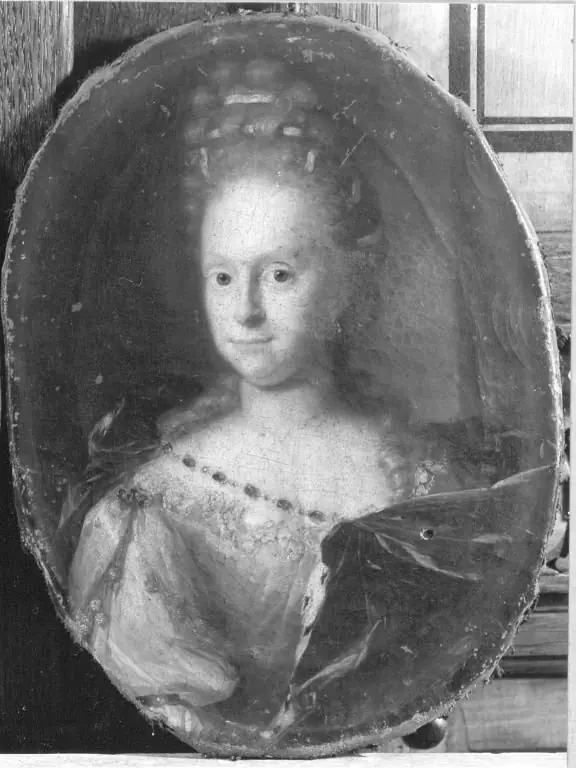 Bildnis einer unbekannten Fürstin
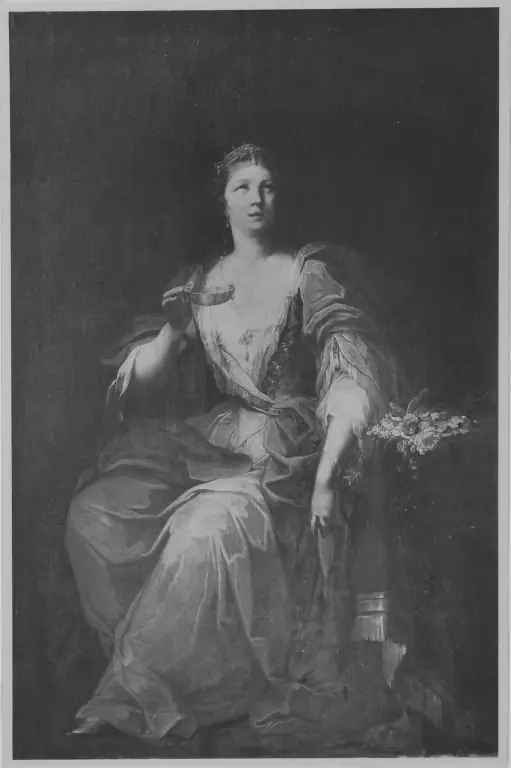 Der Perlentrunk der Cleopatra
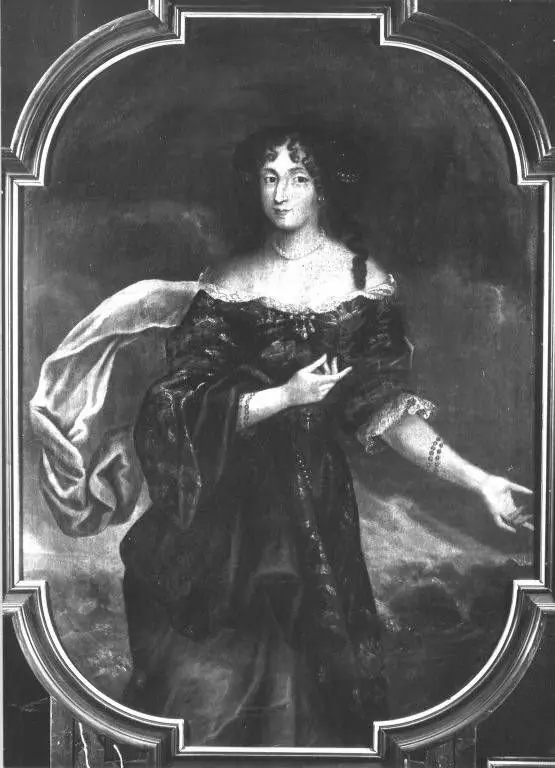 Bildnis einer Hofdame
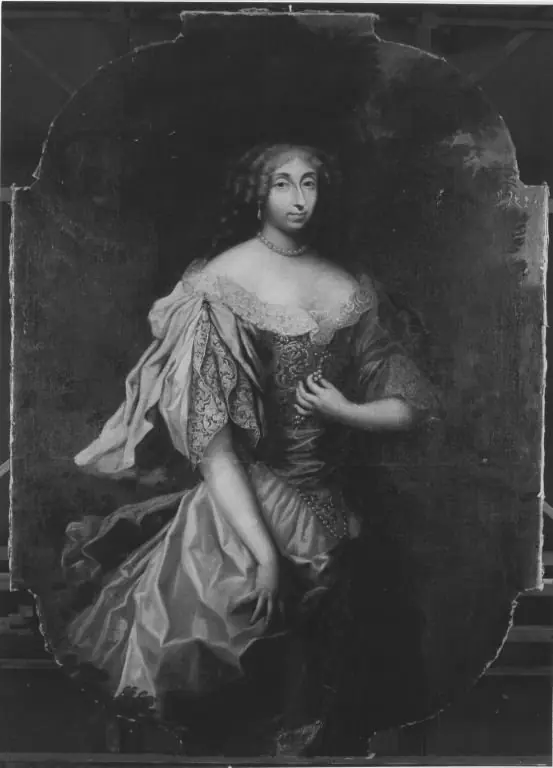 Bildnis einer Hofdame
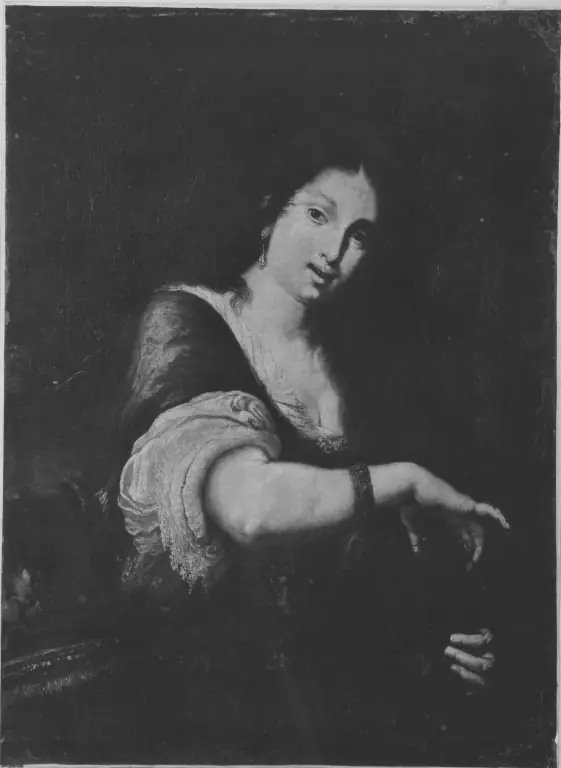 Berenike (Kopie nach)
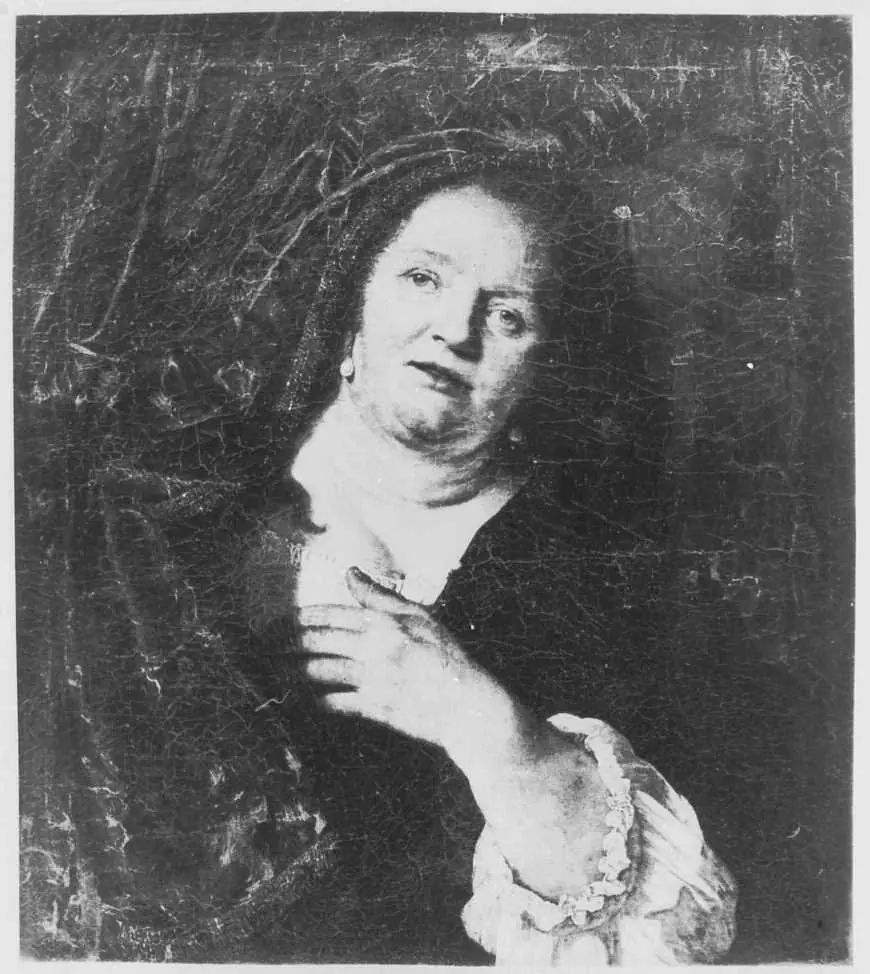 Portrait of a Woman with a Curtain
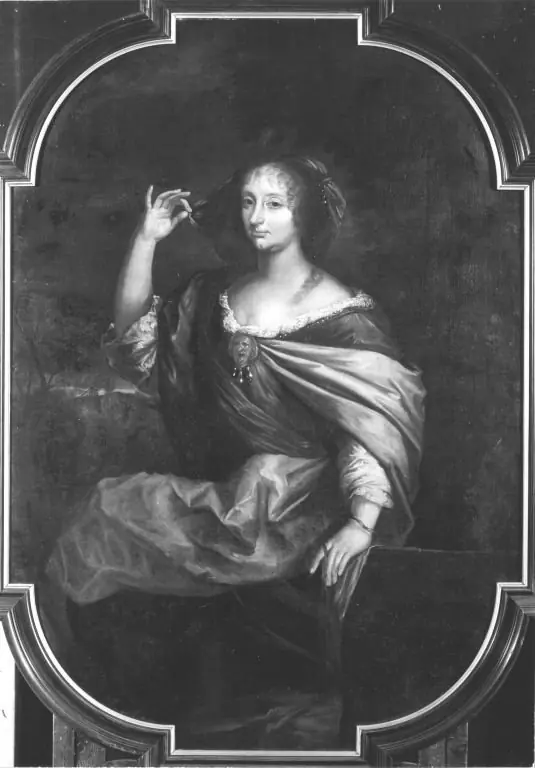 Bildnis einer Hofdame
 Kaiserin Maria Amalia, Gemahlin Kaiser Karls VII.