Artwork
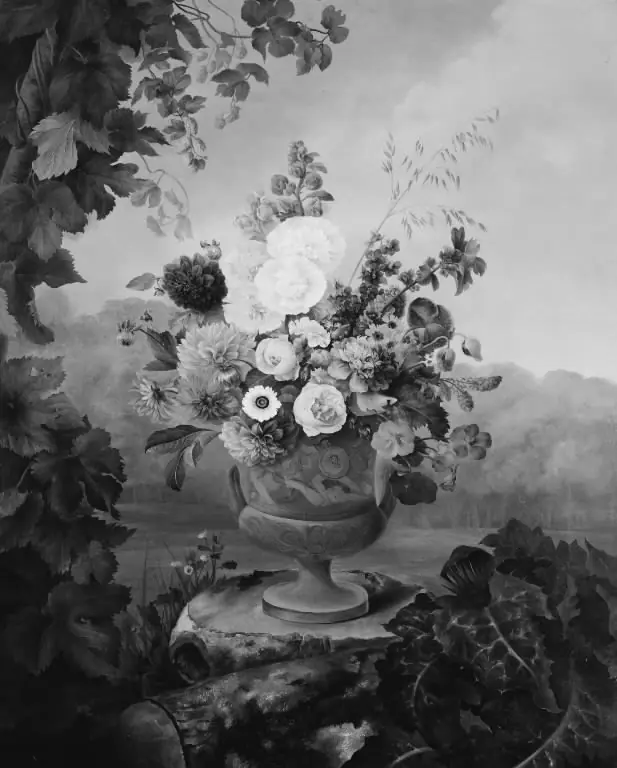
Blomsterkurv med frugt ved en træstub
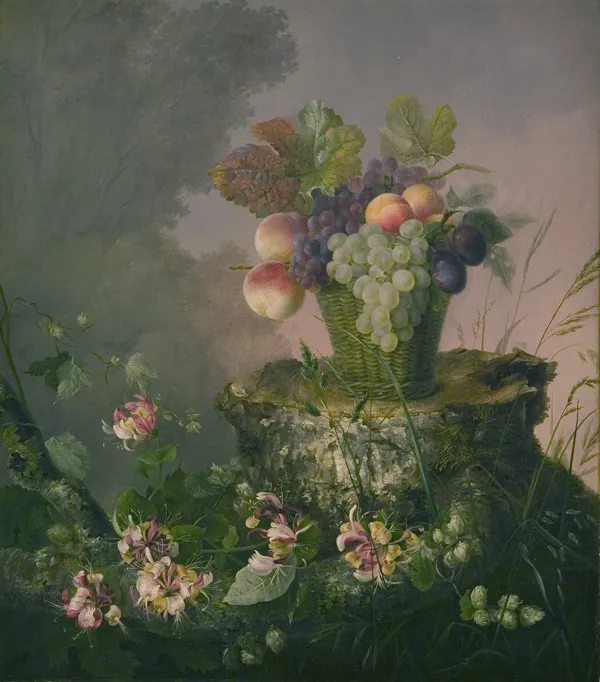
Blomsterkurv med frugt ved en træstub is an oil painting by the Realist artist Hermania Neergaard. It dates from 1844 and is held in the collection of the Statens Museum for Kunst.
About this work
The painting is called Blomsterkurv med frugt ved en træstub.
It was made by Hermania Neergaard in 1844.
The artist used oil paint to create this work, which is a floral piece, and it's now held at Statens Museum for Kunst, where you can see other similar artworks, and if you're interested in learning more about the style, look up the technique of glazing.
Overview
Executed with careful attention to natural detail, the work reflects the Danish tradition of domestic still-life painting in the mid-19th century.
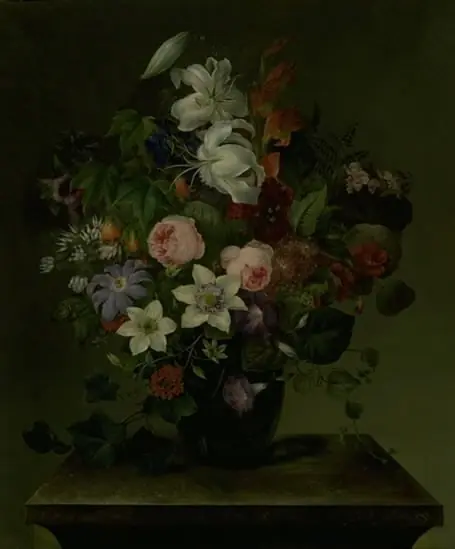
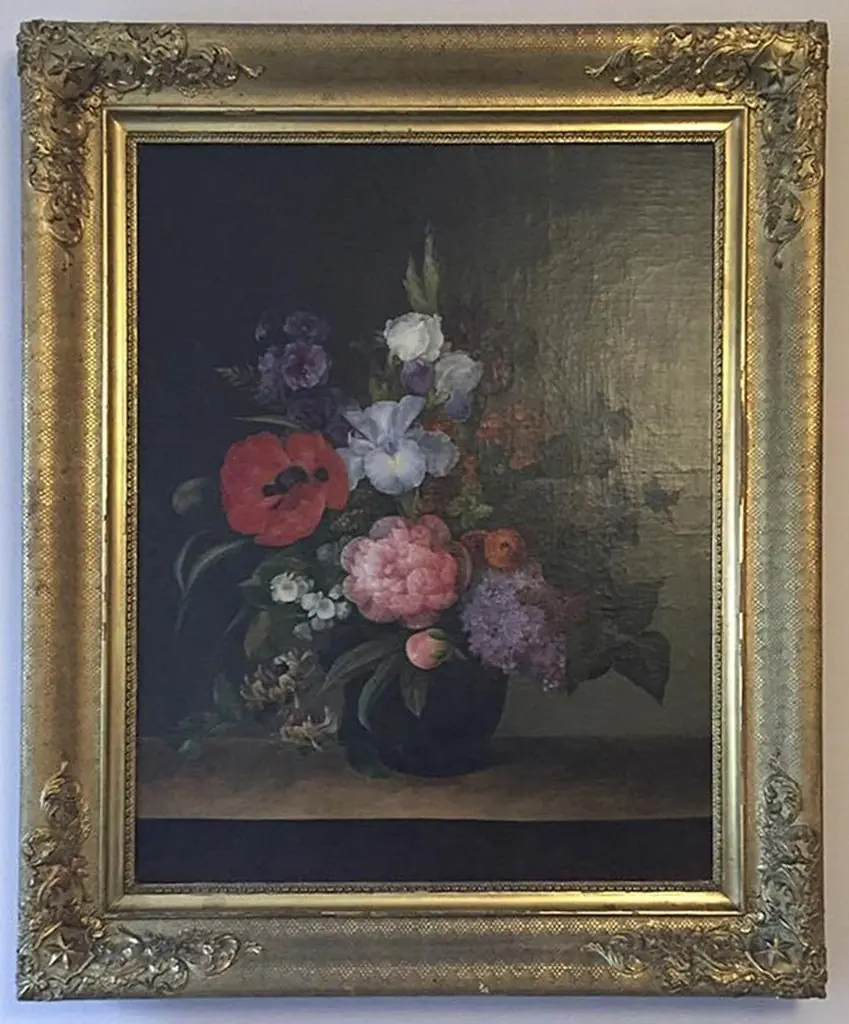
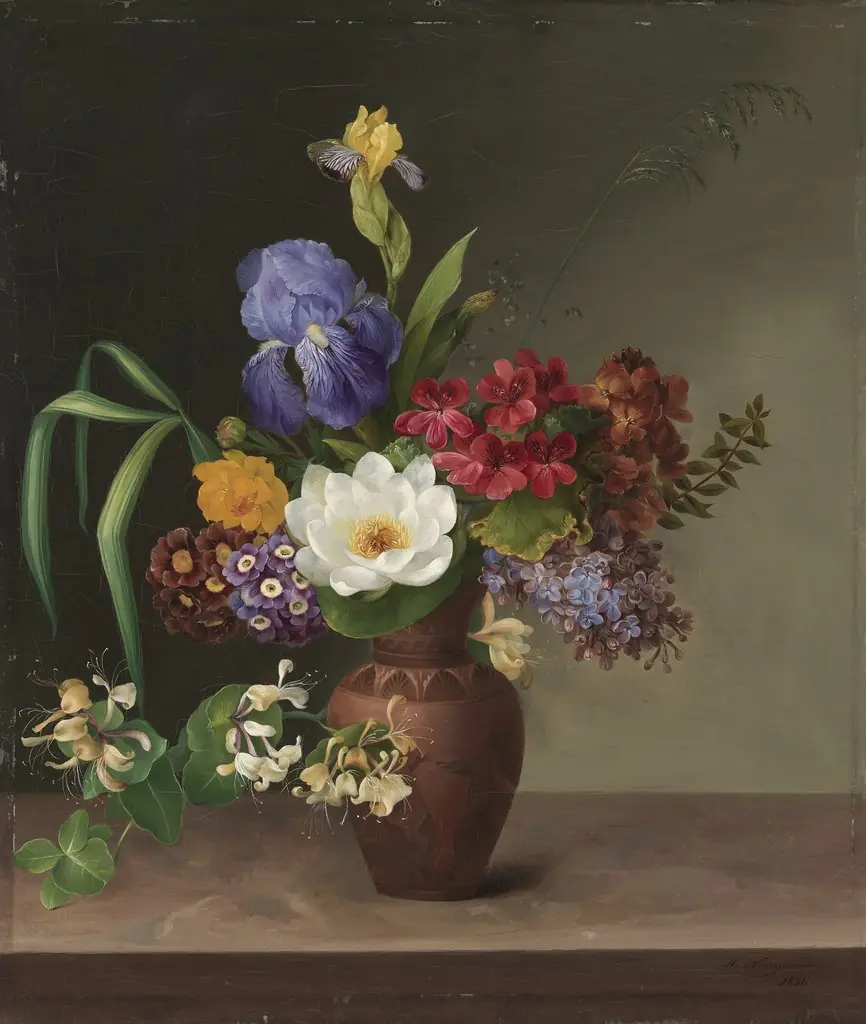
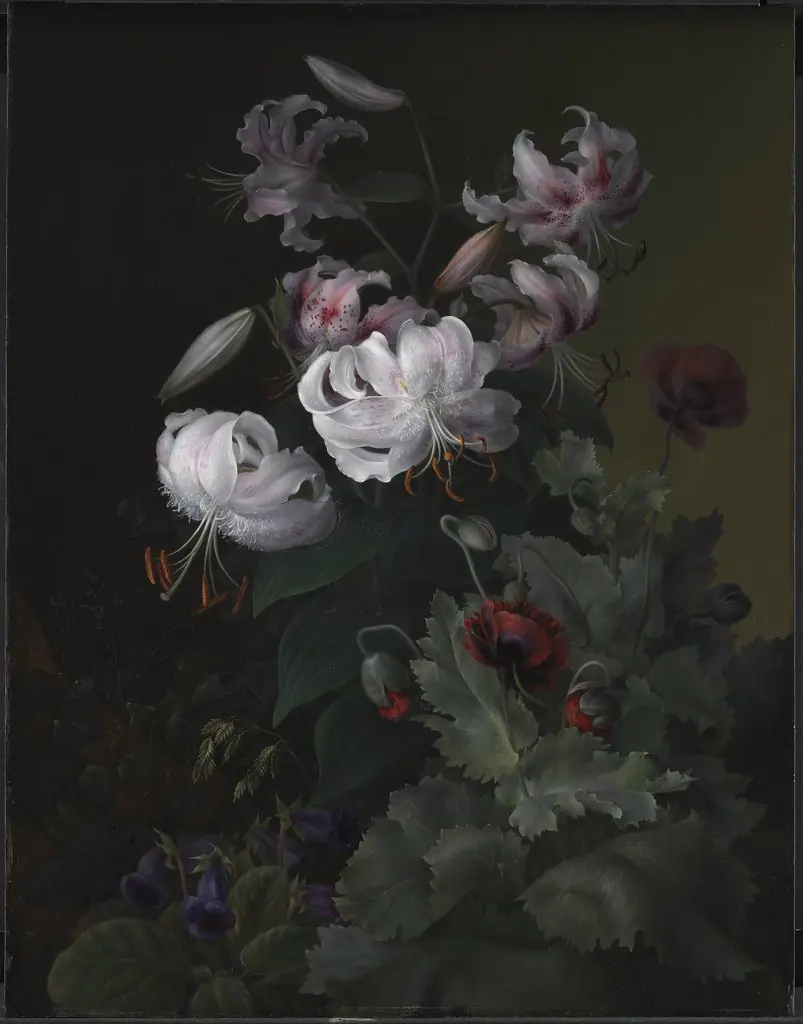
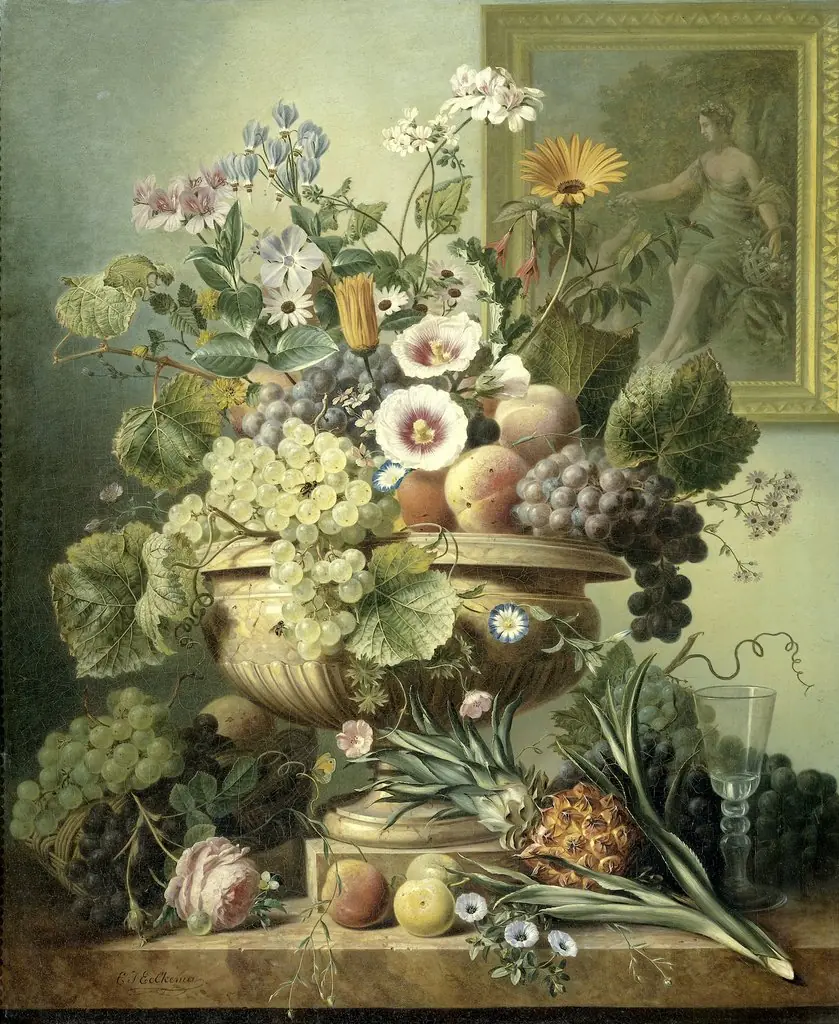
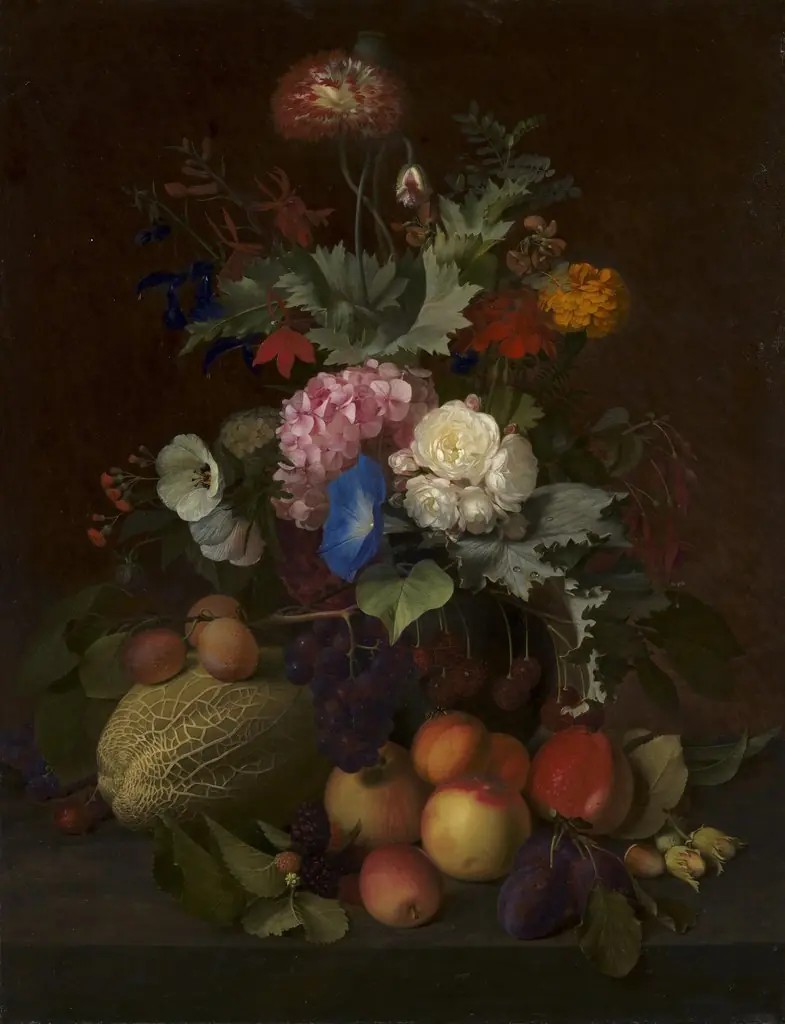
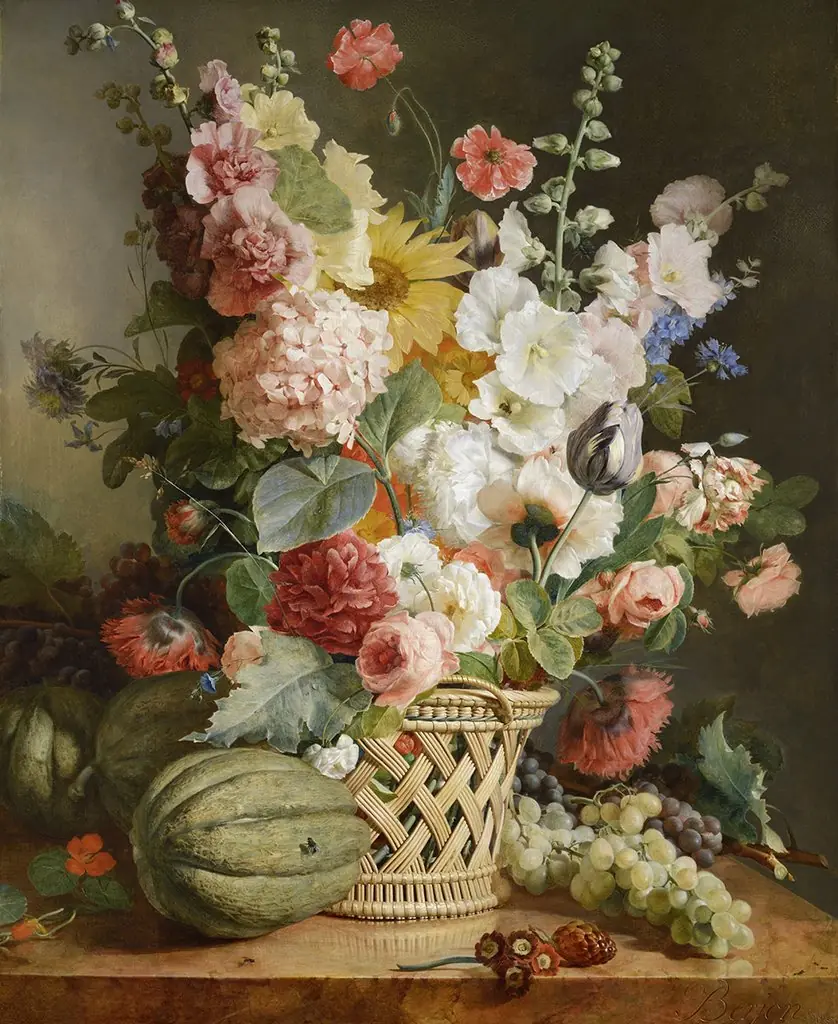
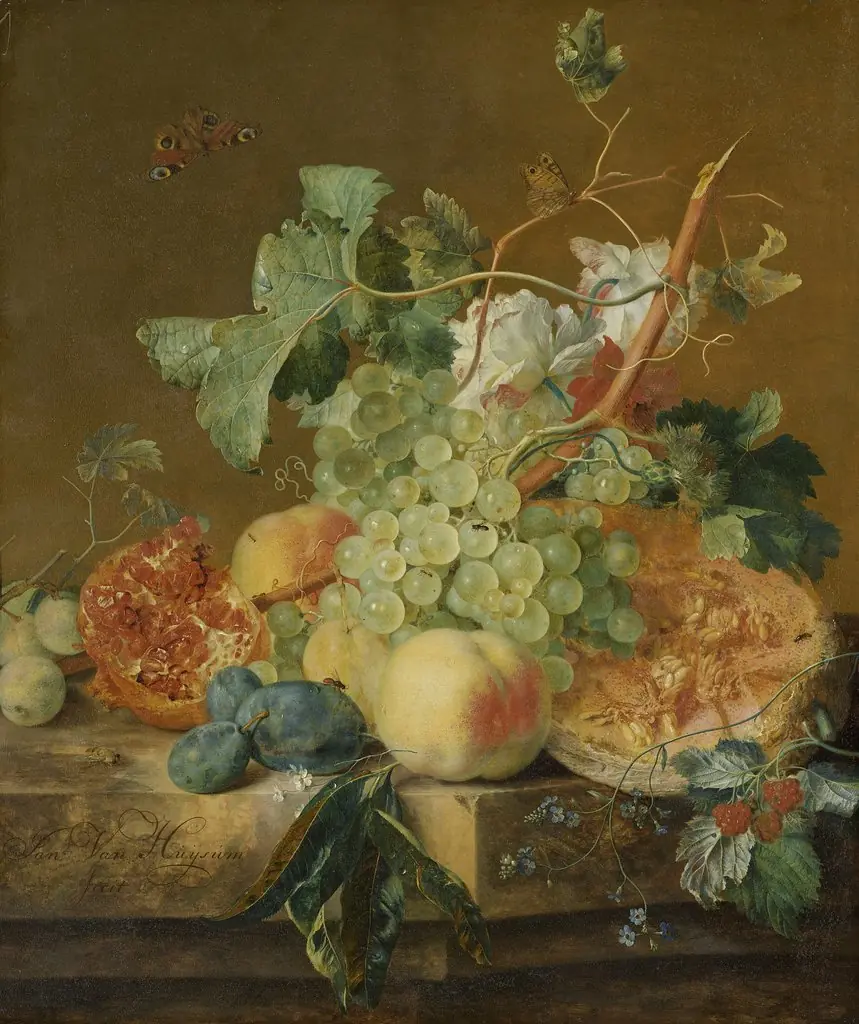
Hermania Neergaard’s 1844 oil painting *Blomsterkurv med frugt ved en træstub* presents a quiet still life composed of flowers and fruit arranged beside a weathered tree stump. Executed with careful attention to natural detail, the work reflects the Danish tradition of domestic still-life painting in the mid-19th century. It resides in the collection of Statens Museum for Kunst, where it is contextualized among other works from the period.
Subject & Meaning
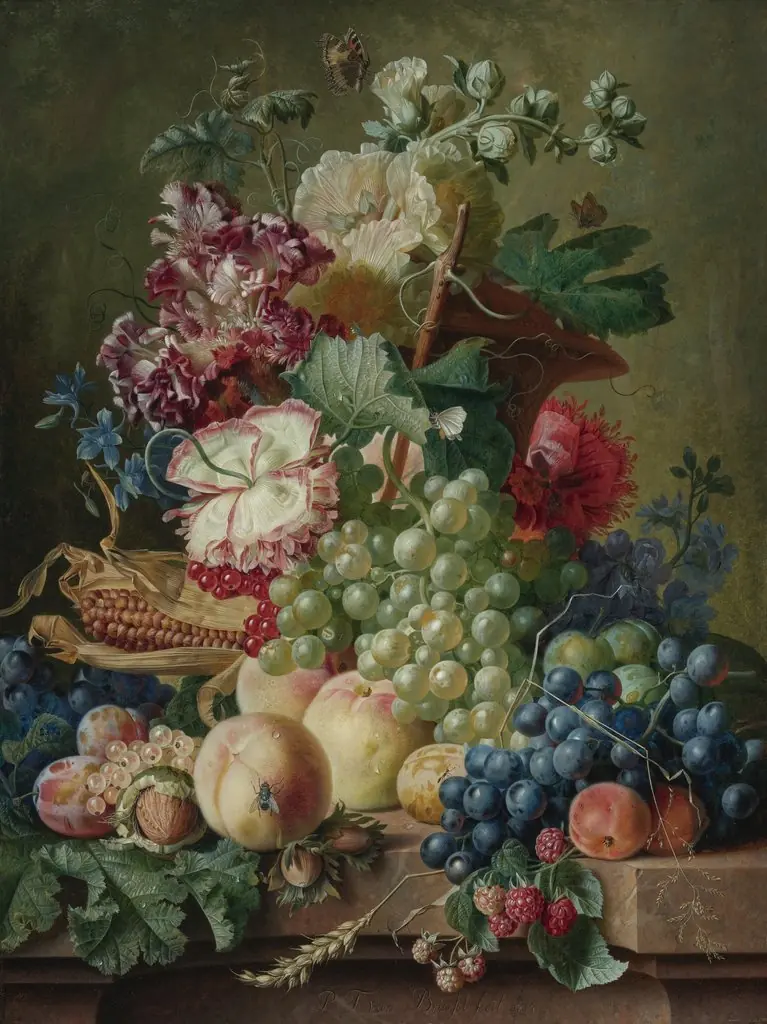
The composition centers on a woven basket filled with seasonal blooms and ripe fruit, placed near the base of a tree stump—suggesting a connection between cultivated beauty and the natural world. There is no overt symbolism, but the arrangement evokes transience and quiet harmony. The absence of human figures reinforces a contemplative tone, aligning with the era’s interest in ordinary, unadorned scenes.
Technique & Style
Neergaard employed oil paint with a restrained palette and subtle gradations of light to render textures—petals, fruit skin, and rough bark—with quiet precision. Her use of glazing techniques enhanced depth and luminosity, particularly in the petals and glossy fruit surfaces. The brushwork is deliberate but unobtrusive, favoring clarity over dramatic effect, characteristic of Danish realism in still life.
History & Provenance
Painted in 1844, the work was likely exhibited at Charlottenborg, where Neergaard regularly showed her still lifes. Her paintings attracted the attention of the Danish royal family, who acquired several of her works. This particular piece entered the national collection of Statens Museum for Kunst, preserving its place in Denmark’s artistic heritage without documented changes in ownership since the 19th century.
Context
Neergaard worked within a Danish artistic climate that valued domestic subjects and technical refinement over grand narratives. Still-life painting, often dismissed elsewhere as minor, held cultural weight in Denmark as an expression of order, observation, and national identity. Her training under Frederik Christian Camradt placed her within a lineage of artists committed to meticulous, unembellished representation.
Legacy
Though not widely known beyond Denmark, Neergaard’s work contributed to the legitimacy of still-life painting in 19th-century Nordic art. Her focus on everyday objects, rendered with quiet dignity, influenced later generations of Danish painters who sought to elevate domestic scenes. The painting remains a reference point for studies of gender, technique, and the evolution of realism in Scandinavian art.
Artist & collection
Artist
Hermania Sigvardine Neergaard (1799–1875) was a Danish flower and still-life painter. A student of Frederik Christian Camradt (1762–1844), she exhibited her paintings in Charlottenborg where several were bought by the royal family.