Artwork
Toujours pacifiste? la guerre t'a pourtant reussi!
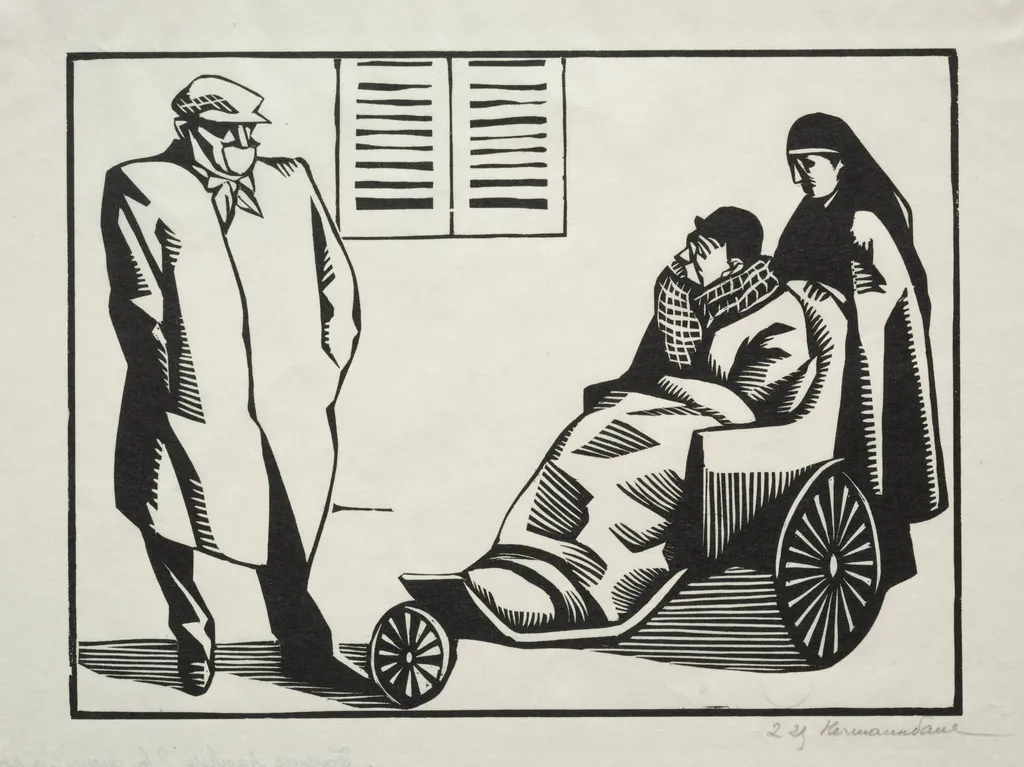
Toujours pacifiste? la guerre t'a pourtant reussi! is a print by Hermann-Paul. It dates from 1924 and is held in the collection of the Cleveland Museum of Art. Created around 1924 by Hermann Paul, this black-and-white drawing confronts the aftermath of war through a quiet, domestic scene.
About this work
Overview
Its title, a rhetorical question in French, suggests irony about the paradox of war bringing unintended personal outcomes, even to those who opposed it.
Created around 1924 by Hermann Paul, this black-and-white drawing confronts the aftermath of war through a quiet, domestic scene. Executed with sharp, expressive lines and deep contrasts, the work belongs to the collection of The Cleveland Museum of Art. Its title, a rhetorical question in French, suggests irony about the paradox of war bringing unintended personal outcomes, even to those who opposed it.
Subject & Meaning
The scene depicts three figures in a somber, unadorned setting: a standing man, a seated woman cradling an infant, and another woman leaning over her with her face averted. The empty picture frames in the background imply absence or unfulfilled expectations. The composition evokes emotional isolation and unresolved grief, questioning how war, despite its destruction, has shaped personal lives in ways that defy pacifist ideals.
Technique & Style
Paul employs stark tonal contrasts and bold, angular lines to heighten emotional tension. The use of chiaroscuro—sharp shifts between light and shadow—gives the figures a sculptural weight and isolates them within the sparse environment. The absence of detail in the background focuses attention on the figures' postures, reinforcing a sense of stillness and unspoken sorrow without narrative clutter.
History & Provenance
The drawing was produced in the early 1920s, a period of widespread reflection on the human cost of World War I. It entered the collection of The Cleveland Museum of Art at an unspecified date, likely through acquisition or donation in the mid-20th century. Its preservation reflects institutional interest in interwar European graphic art that engaged with social trauma.
Context
Emerging from a Europe still reeling from war, the work aligns with postwar artistic efforts to depict civilian suffering beyond battlefield imagery. Paul’s focus on domestic stillness, rather than violence, echoes broader trends in German and French printmaking that sought to convey psychological aftermath. The French title suggests an audience familiar with the moral ambiguities of post-armistice society.
Legacy
Though not widely exhibited, the drawing remains a quiet example of interwar graphic art that prioritized emotional nuance over spectacle. It contributes to the understanding of how artists used minimalism and symbolism to address collective trauma. Its presence in a major American museum underscores its role in transnational dialogues about war’s enduring impact on everyday life.
Own this work as a print
Artist & collection

Artist
René Georges Hermann-Paul (27 December 1864 – 23 June 1940) was a French artist. He was born in Paris and died in Saintes-Maries-de-la-Mer. He was a well-known illustrator whose work appeared in numerous newspapers and…

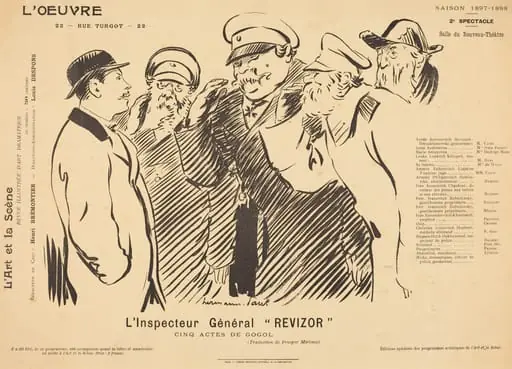 L'Inspecteur Général Revizor
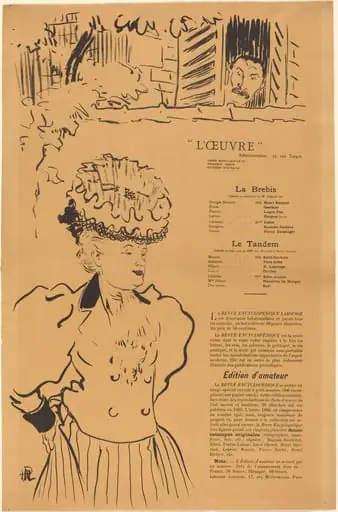 La Brebis; Le Tandem
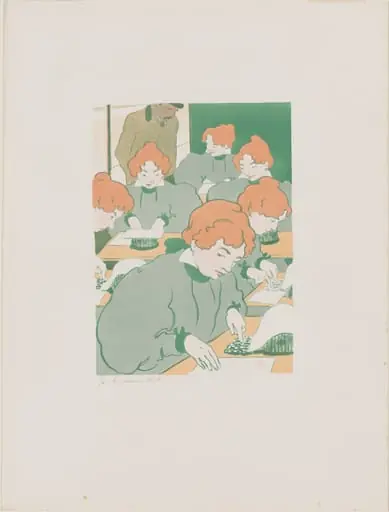 Les petits machines à écrire
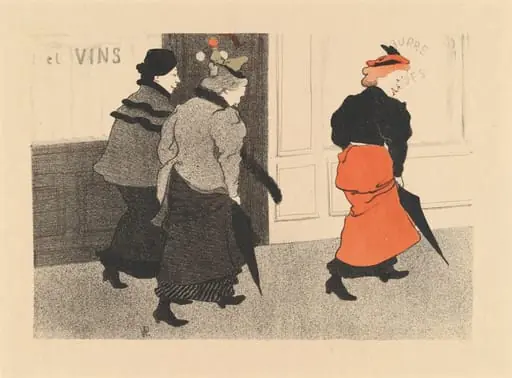 Milliners (Modistes)
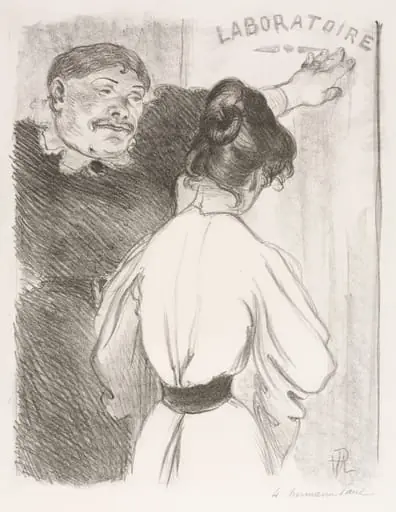 Laboratoire
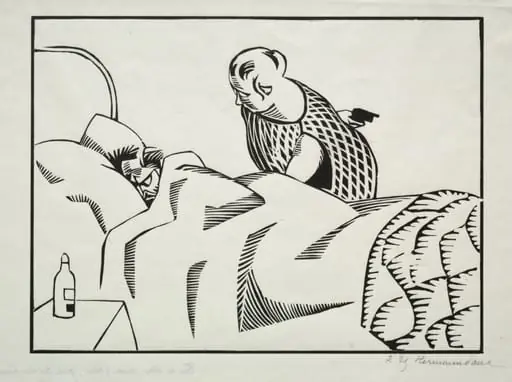 You are sure my dear that you cannot think of anything more to help the pain?
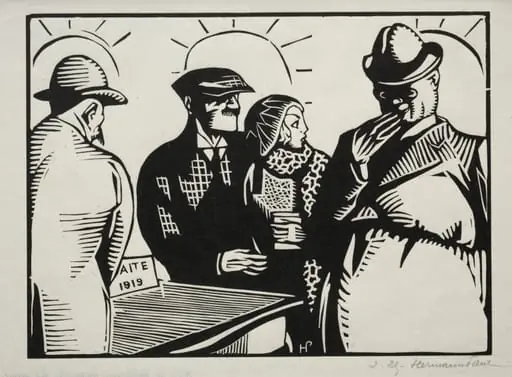 It is the Table on Which the Treaty of Versailles was Signed
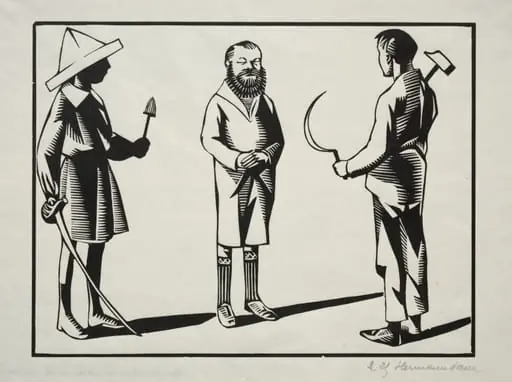 Moi! je tiens le sabre, et le goupillon; toi la faucille, le marteau et ler pastel. C'est la barbe.
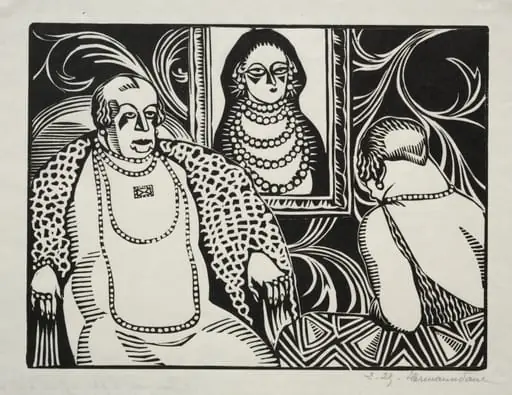 Pour moi le plus diffile c'est de m'habituer à porter un chapeau
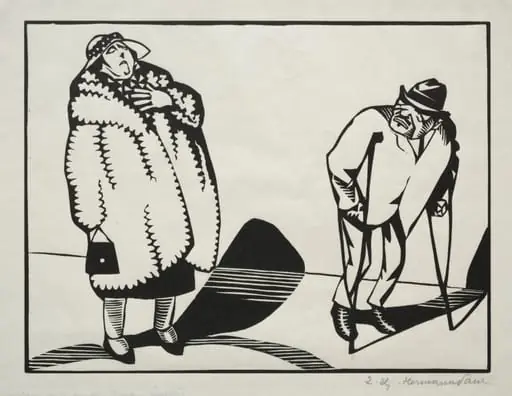 Charlot arrête toi je t'en supplie, jai jambres brisées
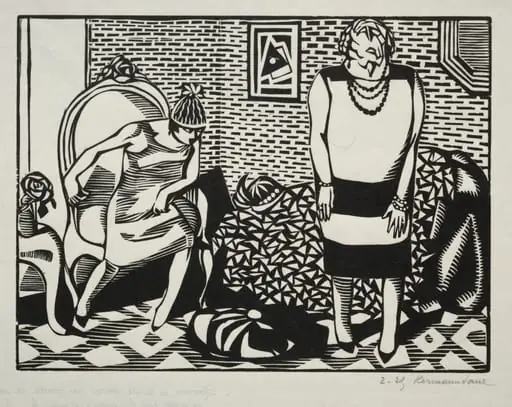 Mama, si tu ne peux pas garder de souliers ce n'est pas la peine d'avoir fait fortune
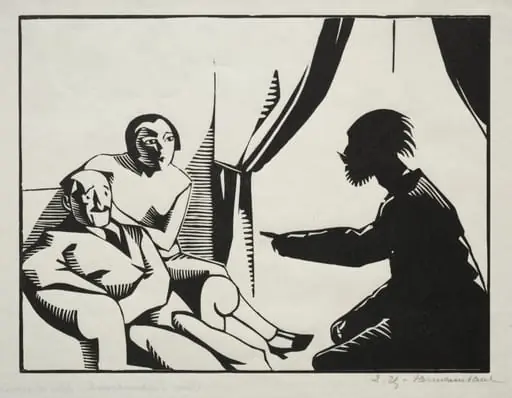 Avec l'internationale, plus d'armies, plus de militaires rien que les guerres civiles
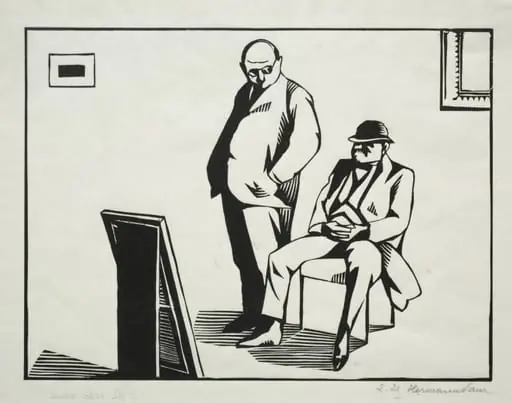 Et cela vaut! 100,000! et tout le monde le sait.
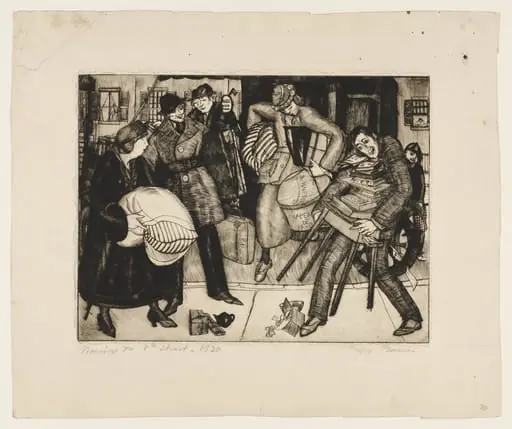 Untitled
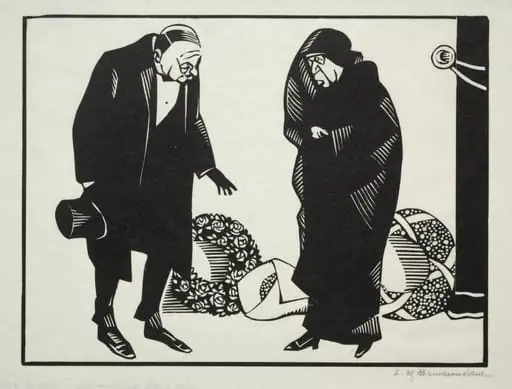 Vous voulez accompagner à pied le corps de votre - Oui c'est une occasion de marche un peu.
 Untitled
 Le Marché
 Non! pas de négresse, je suis pacifiste je voudrais une dame boche