Artwork
Les petits machines à écrire
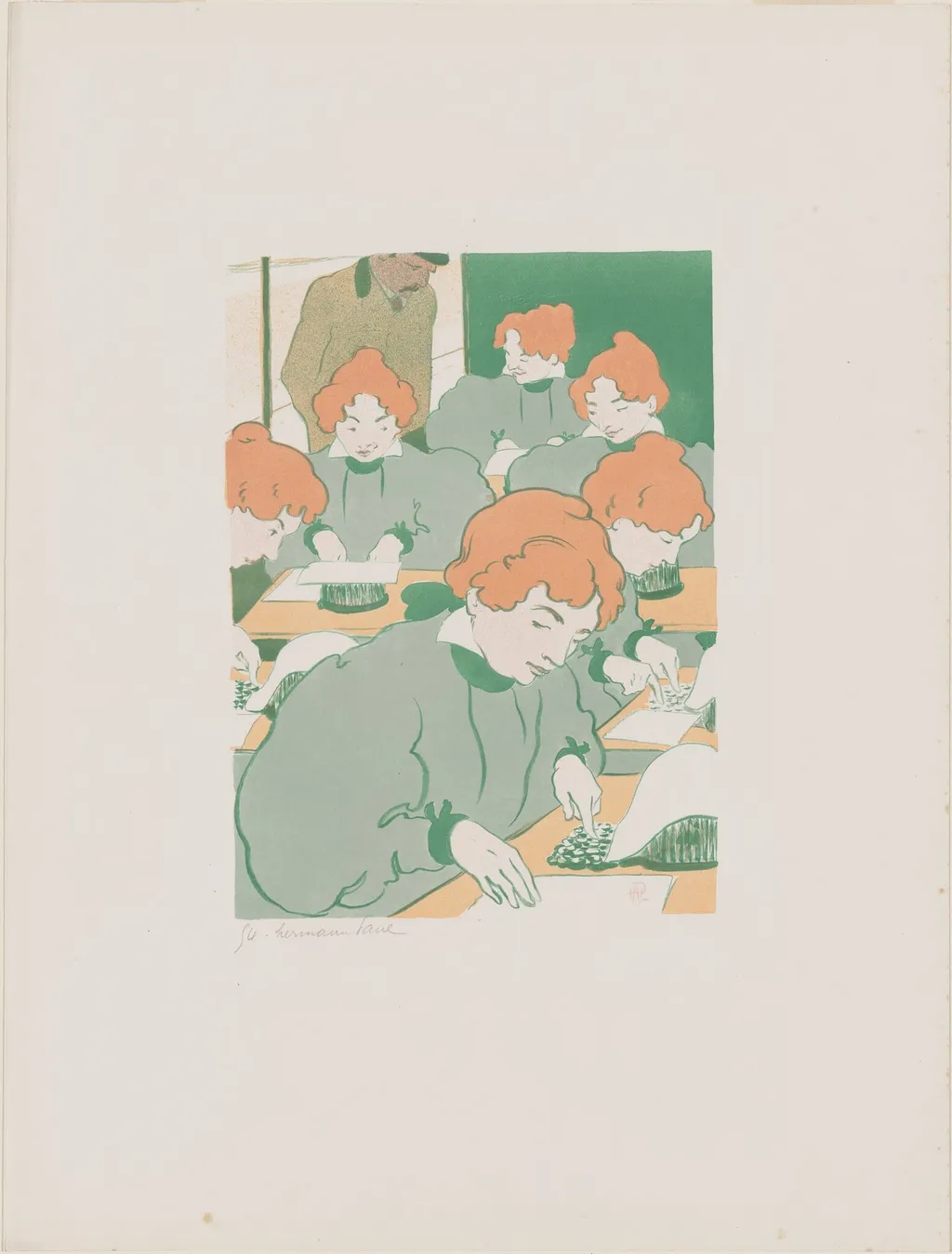
Les petits machines à écrire is an ink print by the Impressionist artist Hermann-Paul. It dates from 1896 and is held in the collection of the National Gallery of Art.
About this work
Overview
Created in 1896, this color lithograph titled *Les petits machines à écrire* presents a classroom scene where children sit at desks, each engaged with a miniature typewriter. The composition is set against a vivid green background reminiscent of a school wall, and the figures are distinguished by bright orange hair and simplified, flat coloration.
Subject & Meaning
The work humorously captures a slice of contemporary life, focusing on youthful interaction with technology. By portraying children earnestly operating tiny typewriters, the image comments on the growing presence of mechanized communication and the peculiar habits it engenders within society.
Technique & Style
Executed as a lithograph on wove paper, the piece employs a color lithography process that places pigments side by side without blending, yielding crisp, uniform tones. Hermann‑Paul’s graphic approach relies on bold black shapes and minimal outlines, producing a flat, poster‑like aesthetic devoid of shading.
History & Provenance
René Georges Hermann‑Paul, a French illustrator and caricaturist active in the late 19th century, produced this print during his prolific period of satirical contributions to Parisian newspapers and journals. The work reflects his broader output of socially observant, often comic imagery.
Context
At the turn of the century, typewriters were becoming ubiquitous in offices and schools, symbolizing modern efficiency. Hermann‑Paul’s choice to depict children with these machines aligns with his recurring interest in the quirks of modernity and the ways new technologies infiltrated everyday life.
Artist & collection

Artist
René Georges Hermann-Paul (27 December 1864 – 23 June 1940) was a French artist. He was born in Paris and died in Saintes-Maries-de-la-Mer. He was a well-known illustrator whose work appeared in numerous newspapers and…

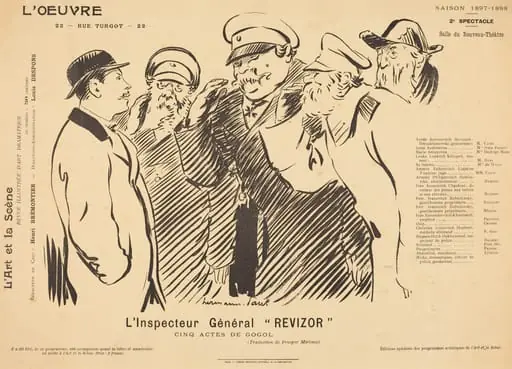 L'Inspecteur Général Revizor
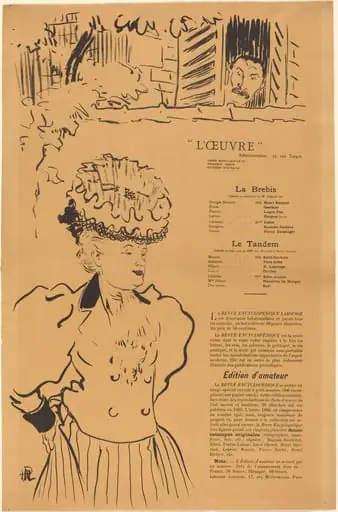 La Brebis; Le Tandem
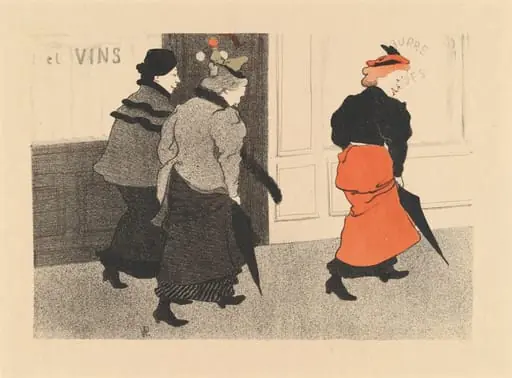 Milliners (Modistes)
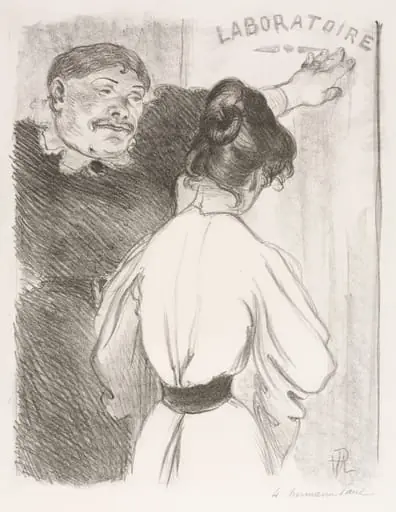 Laboratoire
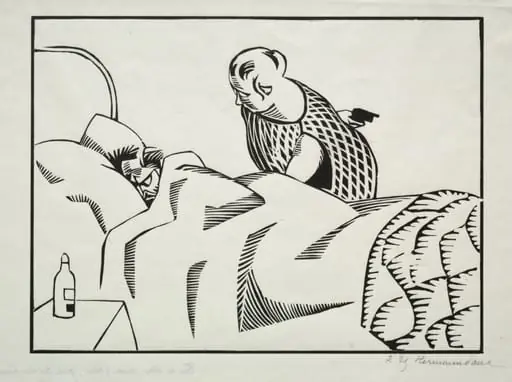 You are sure my dear that you cannot think of anything more to help the pain?
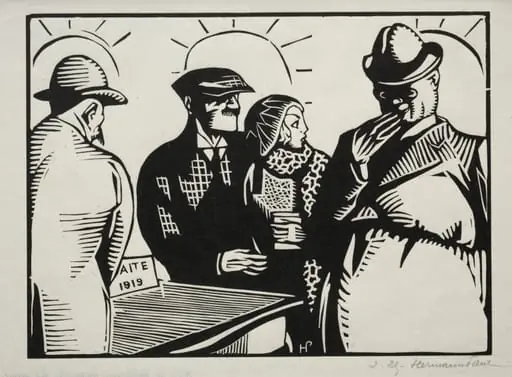 It is the Table on Which the Treaty of Versailles was Signed
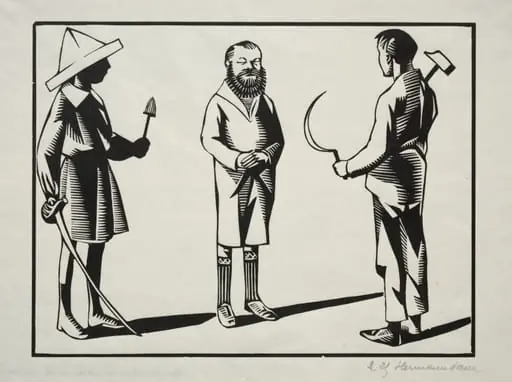 Moi! je tiens le sabre, et le goupillon; toi la faucille, le marteau et ler pastel. C'est la barbe.
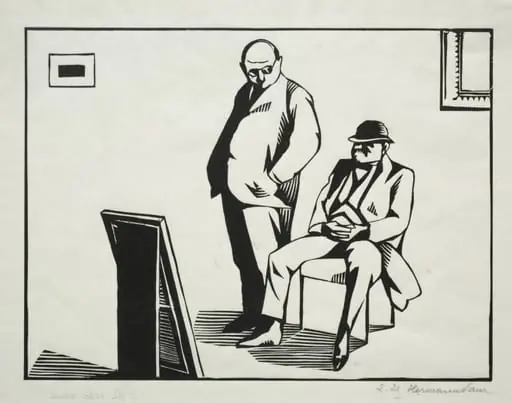 Et cela vaut! 100,000! et tout le monde le sait.
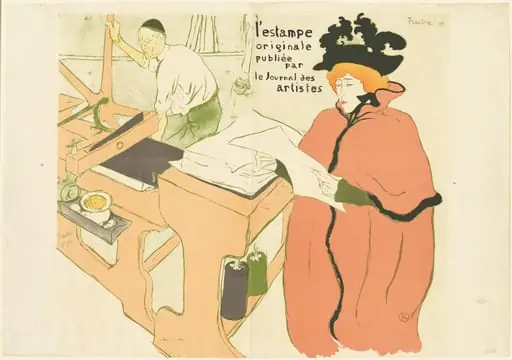 Cover for "L'estampe originale" (Couverture de "L'estampe originale")
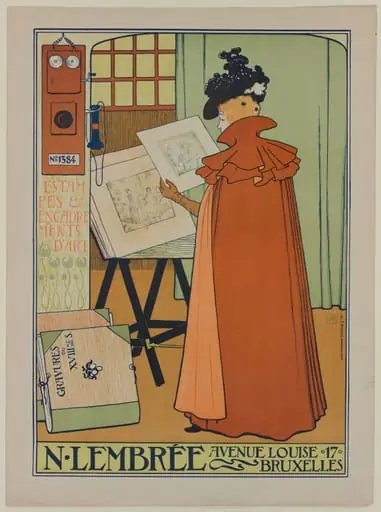 Poster for the Lembrée Gallery
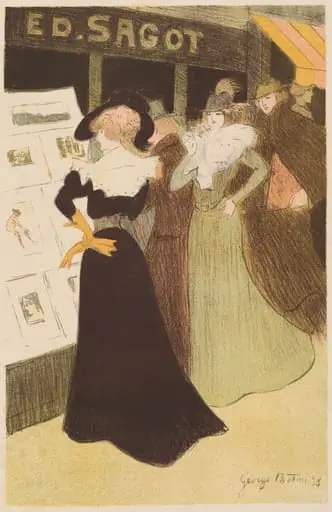 The Sagot Address
 Untitled
 Untitled
 Le solitaire
 Le solitaire
 Untitled
 Dressmaker (La Couturière)
 Tête de femme (Head of a Woman)
 At the Moulin Rouge: La Goulue and Her Sister
 Game of Checkers (La partie de dames)