Artwork
Théocrite (Theorcritus)
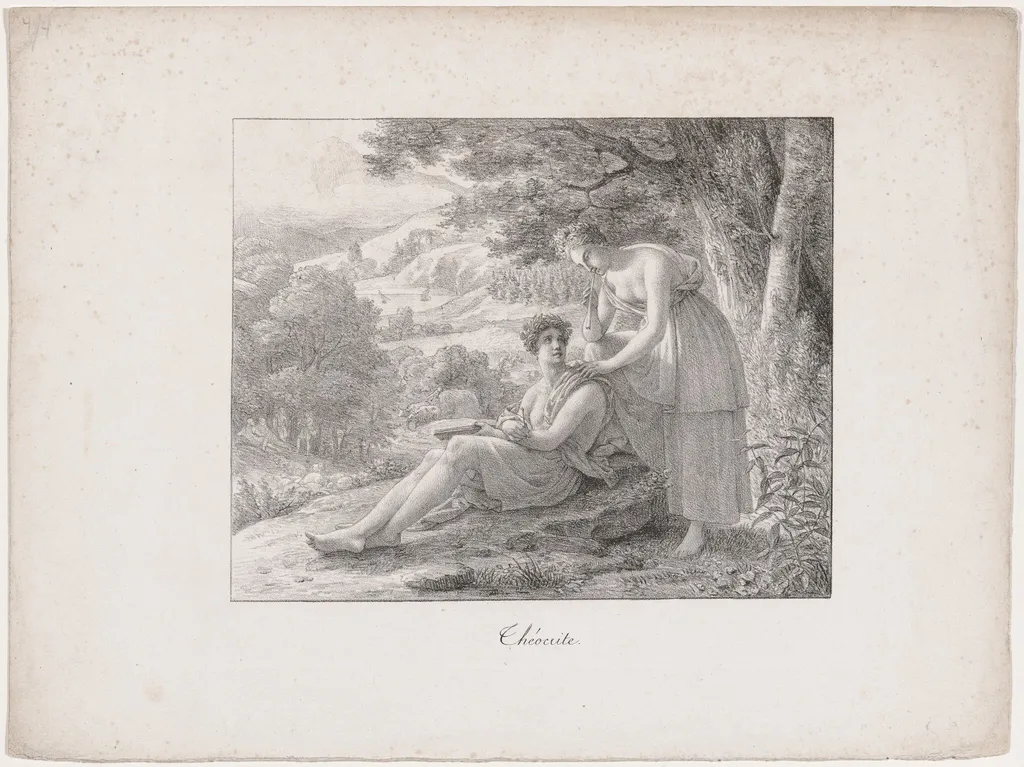
Théocrite (Theorcritus) is an ink print by the Romanticist artist Louis Hersent. It dates from 1818 and is held in the collection of the National Gallery of Art.
About this work
Overview
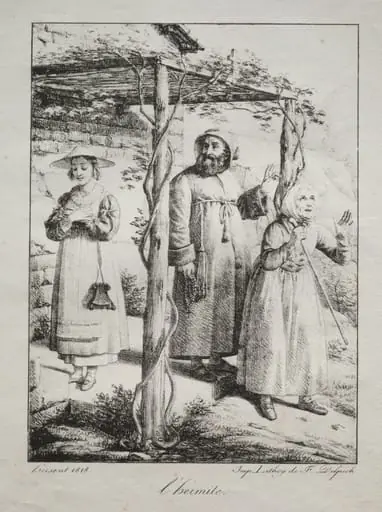
Louis Hersent’s lithograph titled *Théocrite* dates from 1818 and is part of the National Gallery of Art’s collection in Washington, D.C. Executed on wove paper, the print presents a compact, pastoral scene rendered in a light, sketch‑like manner that emphasizes tonal contrast across a modestly detailed landscape.
Subject & Meaning
The composition features two figures set against a rocky terrain. A seated individual, absorbed in a book, gazes downward, while a standing companion holds a bunch of grapes and a staff, suggesting a pastoral or poetic activity. The title references the ancient poet Theocritus, hinting at a literary or bucolic theme underlying the visual narrative.
Technique & Style
Created through lithography, Hersent employed a smooth, gestural line that captures both the solidity of the rocks and the softness of the surrounding hills. The print’s tonal gradations rely on careful manipulation of light and shadow, producing a delicate atmospheric effect typical of early 19th‑century French printmaking.
History & Provenance
The work was produced in 1818, a period when Hersent was active in the French academic tradition. It entered the National Gallery of Art’s holdings at an unspecified date, where it remains catalogued as a representative example of the artist’s print output and of early lithographic practice in France.
Artist & collection


 Les présents du berger
 The Sunrise Drew Her Thoughts to Europe
 Chloe
Chloe Eros with Three Girls at a Fountain
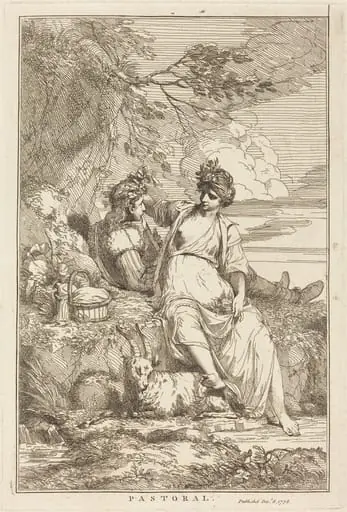 Pastoral
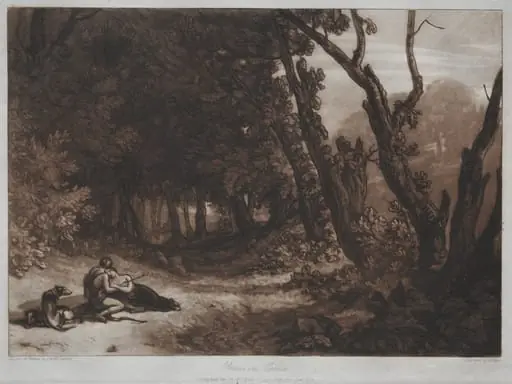 Liber Studiorum: Procris and Cephalus
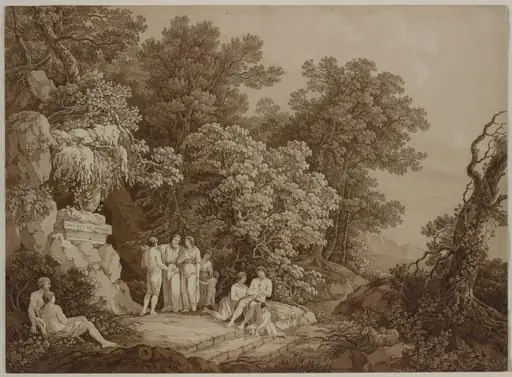 I was also in Arcadia (Kai ego en Arkadia)
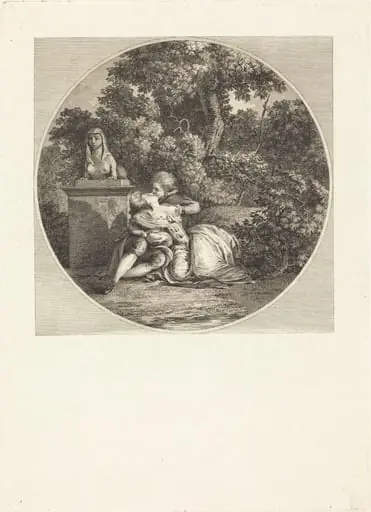 The Grove
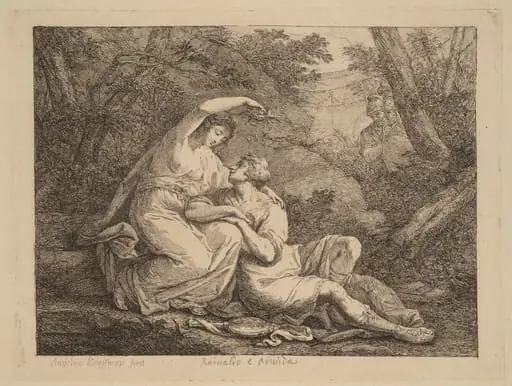 Rinaldo and Armida
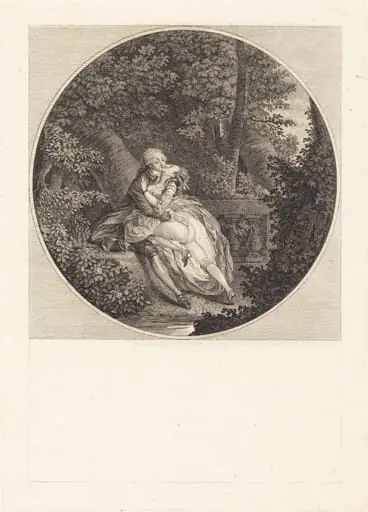 The Green Plot
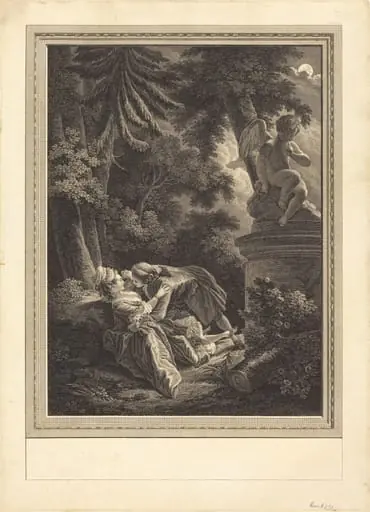 La nuit
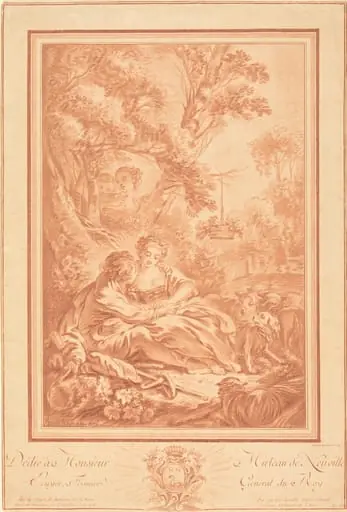 Two Lovers Seated at the Foot of a Large Tree, Surprised by Two Girls