Artwork
The Fiancée of the King of Garbe
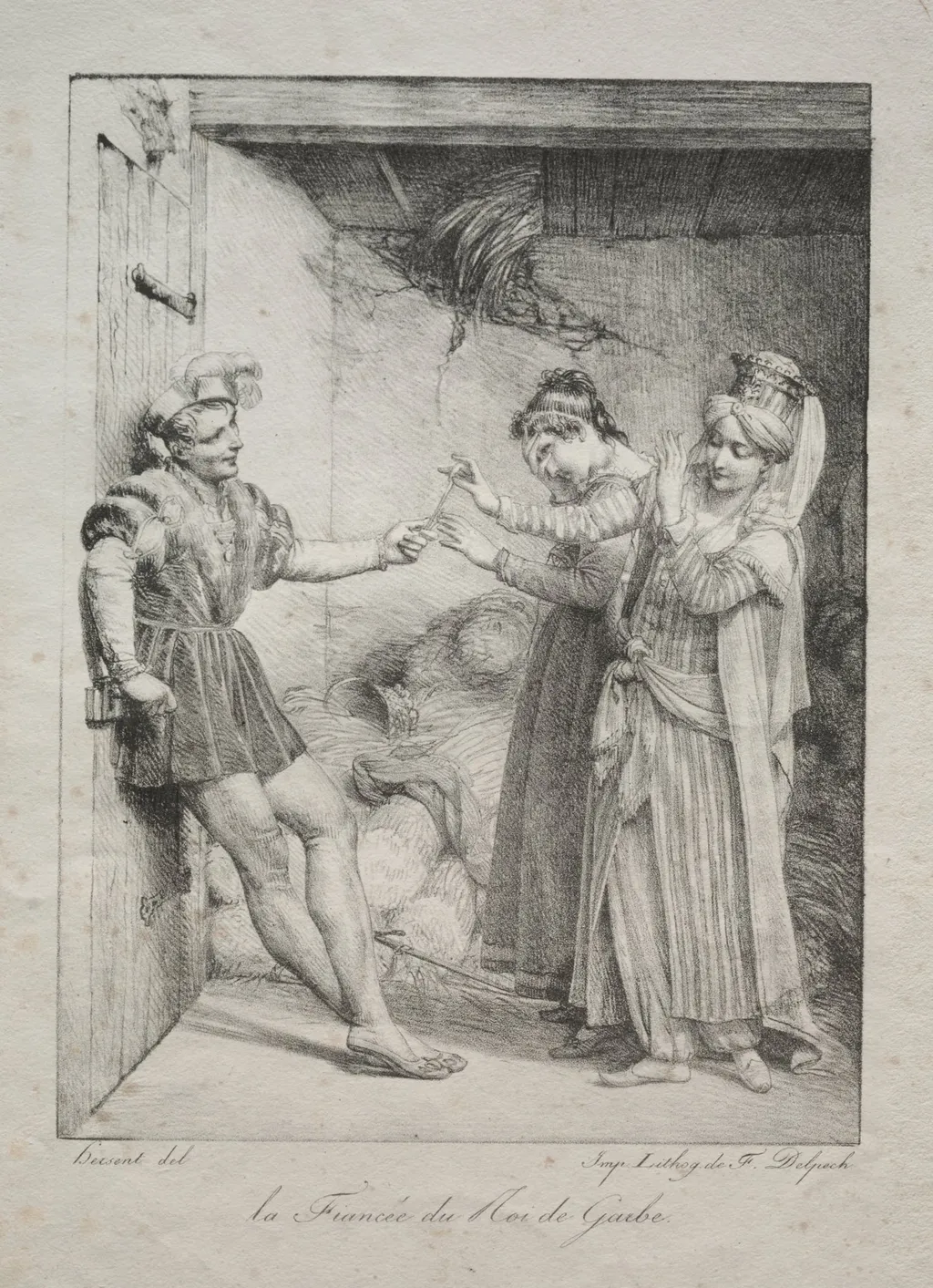
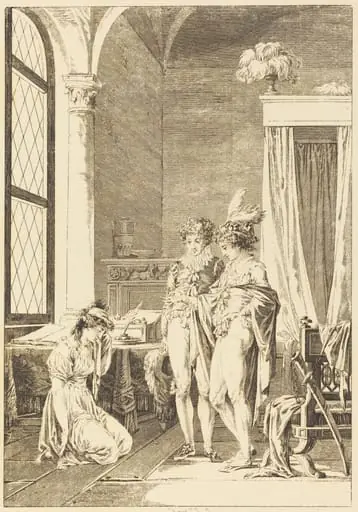
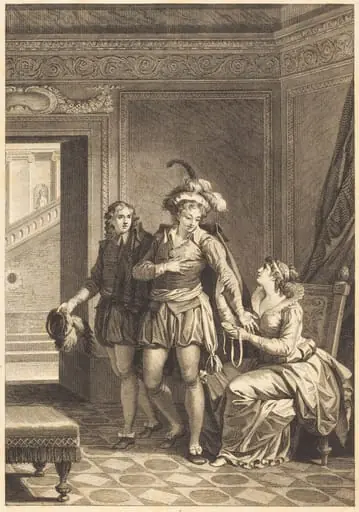
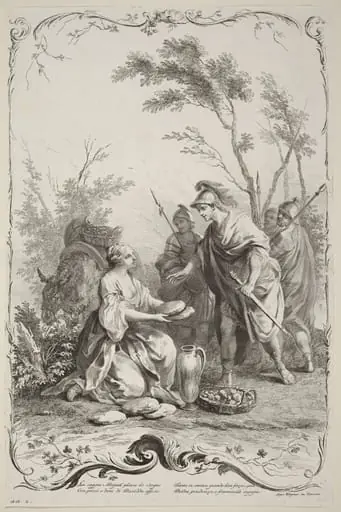
The Fiancée of the King of Garbe is a print by the Romanticist artist Louis Hersent. It dates from 1800 and is held in the collection of the Cleveland Museum of Art.
About this work
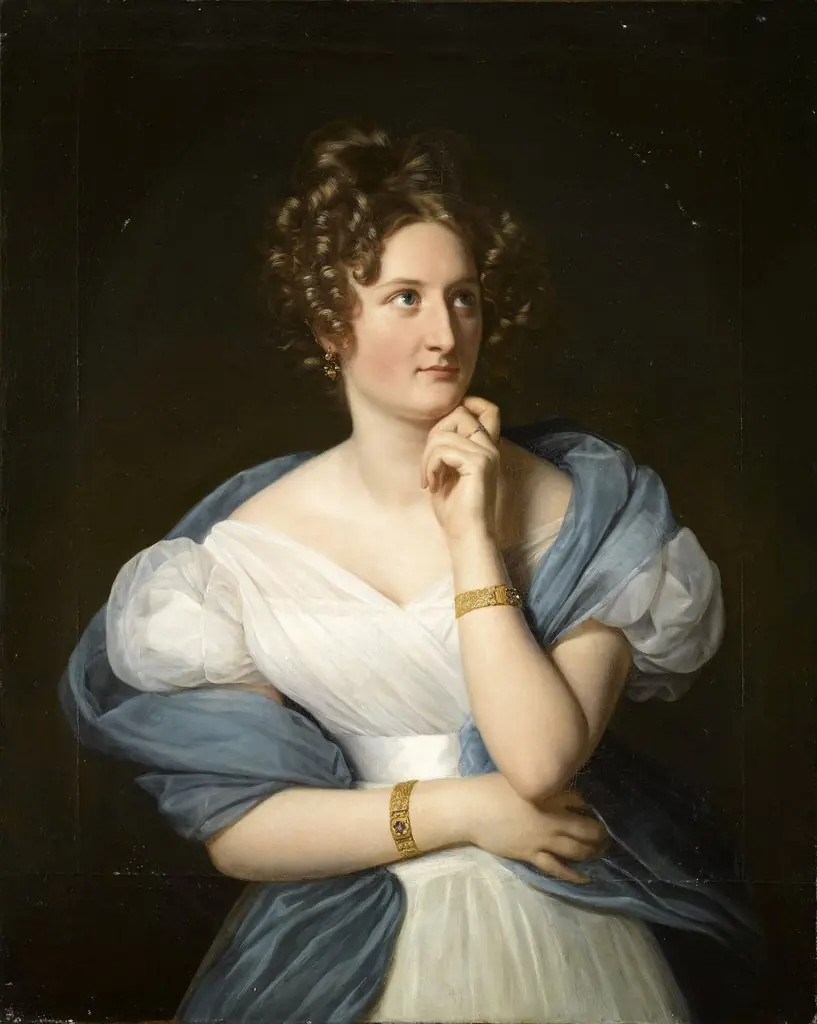
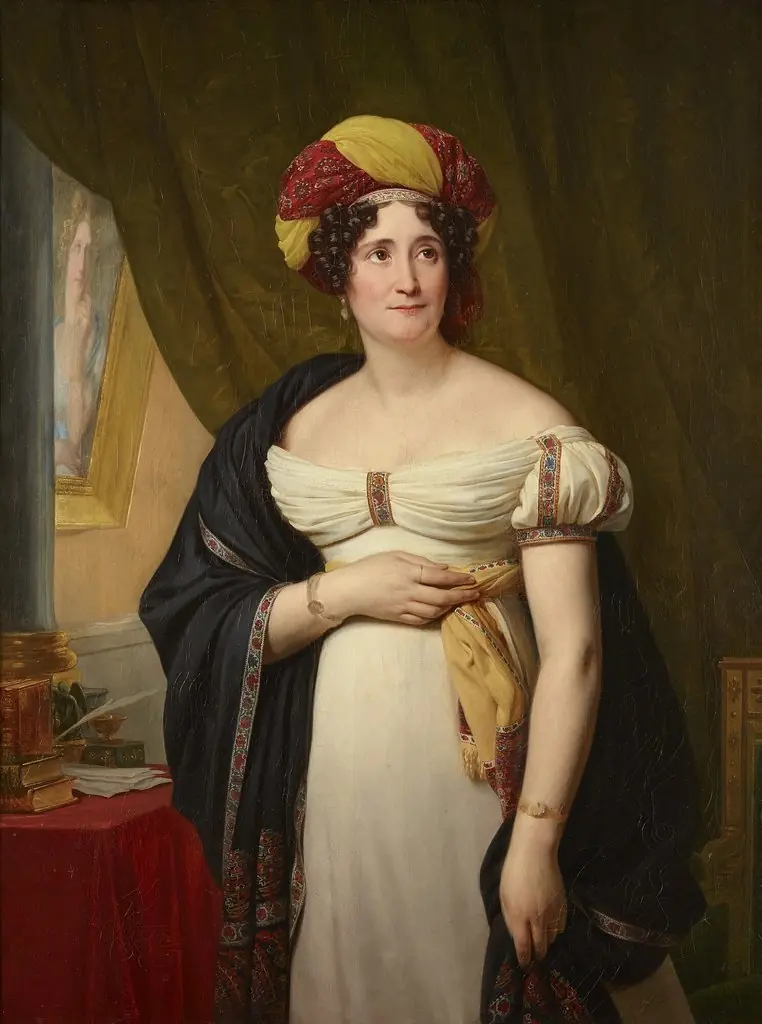
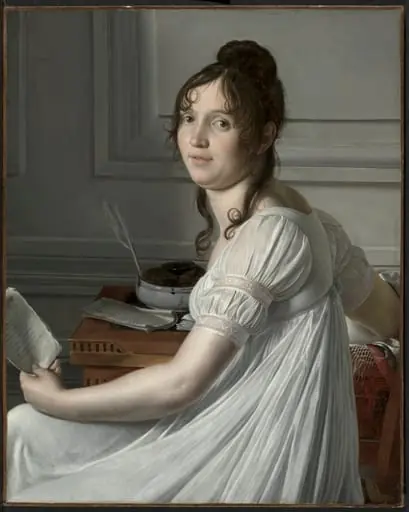
The painting shows a woman in a lavish dress.
She's likely a noblewoman, given her fancy clothes. The details on her dress and the background are what make this painting interesting - they give us a glimpse into the life of wealthy people back then.
You can learn more about this style by looking into the work of artist: Louis Hersent (French, 1777–1860)
Overview
The Fiancée of the King of Garbe is an 1800 portrait by French artist Louis Hersent, executed as a painted work rather than a print. It resides in the collection of The Cleveland Museum of Art. The composition centers on a single female figure, rendered with attention to costume and setting, reflecting the artist’s engagement with early 19th-century French portraiture and historical themes.
Subject & Meaning
The subject is a noblewoman depicted in ceremonial attire, possibly representing a fictional or allegorical bride to a monarch of Garbe, a place of uncertain historical reference. The title suggests narrative or romantic idealization, common in post-Revolutionary French art, where aristocratic imagery was reimagined through a lens of elegance rather than political assertion.
Technique & Style
Hersent employs refined brushwork to render the intricate textures of the sitter’s dress, including lace, embroidery, and fabric folds. The background is softly modeled, avoiding distraction while enhancing the figure’s presence. The palette is restrained yet rich, favoring muted tones that emphasize the subject’s dignity and the precision of her attire.
History & Provenance
The painting was completed in 1800 during Hersent’s early career, before he gained recognition for historical subjects. It entered the Cleveland Museum of Art’s collection through documented acquisition, though its earlier ownership history prior to the 20th century remains largely unrecorded in public sources.
Context
Created during the Consulate period in France, the work reflects a cultural shift where portraiture began to blend aristocratic tradition with emerging bourgeois tastes. Hersent, trained under David, avoided overt political messaging, instead focusing on refined aesthetics that appealed to collectors seeking elegance amid societal transformation.
Legacy
Though not among Hersent’s most widely studied works, The Fiancée of the King of Garbe exemplifies his skill in capturing costume and composure. It contributes to understanding how French artists navigated post-revolutionary identity through imagery that honored heritage without endorsing monarchy, preserving a quiet visual record of elite aesthetics.
Artist & collection