Artwork
John Barclay
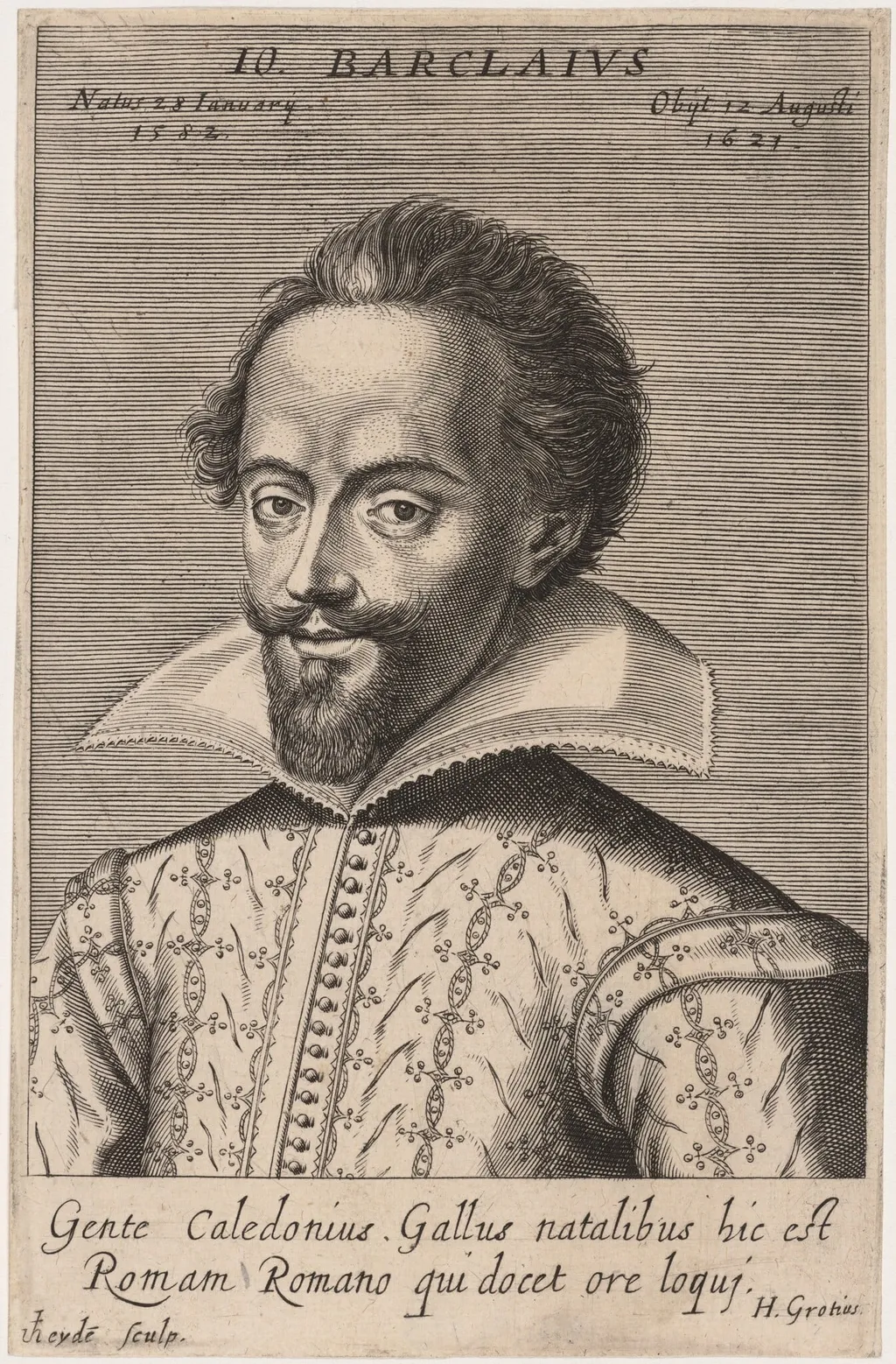
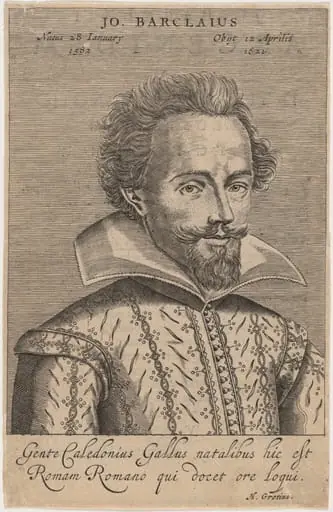
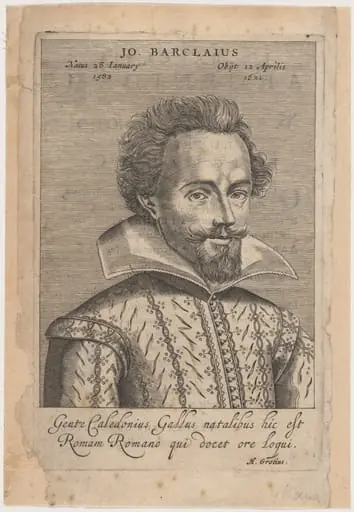
John Barclay is an ink print by the Renaissance artist Jacob van der Heyden. It dates from 1609 and is held in the collection of the National Gallery of Art.
About this work
Overview
Rendered in monochrome, the image concentrates on the sitter’s face and upper torso, set against an unadorned backdrop that eliminates distraction.
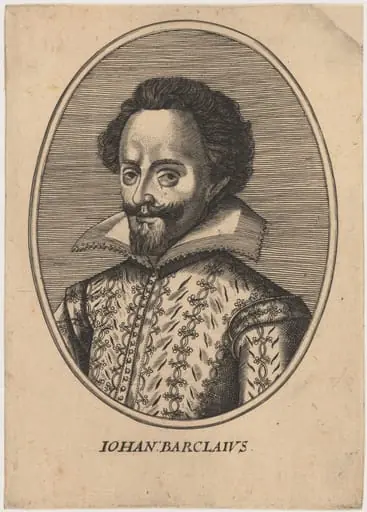
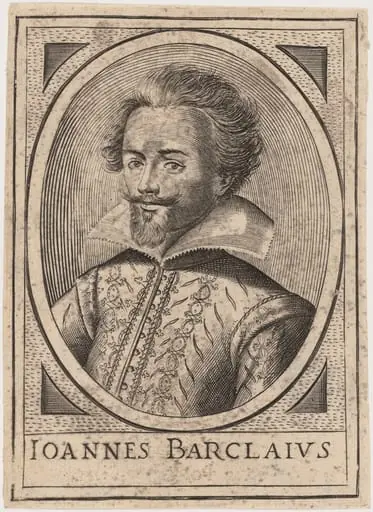
Jacob van der Heyden’s 1609 engraving presents the Scottish scholar John Barclay. Rendered in monochrome, the image concentrates on the sitter’s face and upper torso, set against an unadorned backdrop that eliminates distraction. The portrait’s composition emphasizes Barclay’s serious demeanor, his curled hair, and a neatly trimmed beard, all framed by a high‑collar garment with intricate patterned detailing.
Subject & Meaning
John Barclay, noted for his contributions to humanist scholarship, is identified by the inscription “Io. Barclayvs” at the top of the print. The sober expression and formal attire reflect the conventions of early‑seventeenth‑century academic portraiture, underscoring the sitter’s intellectual stature and the respect accorded to learned men of the period.
Technique & Style
Van der Heyden employs fine cross‑hatching to model light and shadow, creating a subtle gradation of tone across the facial features and clothing. The delicate network of intersecting lines produces depth without the use of color, while the minute dot and line patterns on the collar suggest an embroidered texture, demonstrating the engraver’s skill in rendering material qualities.
History & Provenance
The print originates from the early Baroque era, a time when portrait engravings served both documentary and decorative purposes. Though specific ownership records are scarce, the work is attributed to van der Heyden, an engraver active in the Low Countries, and it likely circulated among scholarly circles that valued visual representations of eminent intellectuals.
Context
In the early 1600s, engravings functioned as a primary means of disseminating images of notable figures across Europe. This portrait aligns with contemporary practices of producing portable, reproducible likenesses, allowing scholars like Barclay to be recognized beyond their immediate geographic sphere.
Legacy
The engraving remains a valuable visual record of John Barclay’s appearance and of early modern portraiture techniques. It contributes to the broader understanding of how print media documented intellectual life and how engravers such as van der Heyden translated painted conventions into the linear language of the burin.
Artist & collection