Artwork
John Barclay
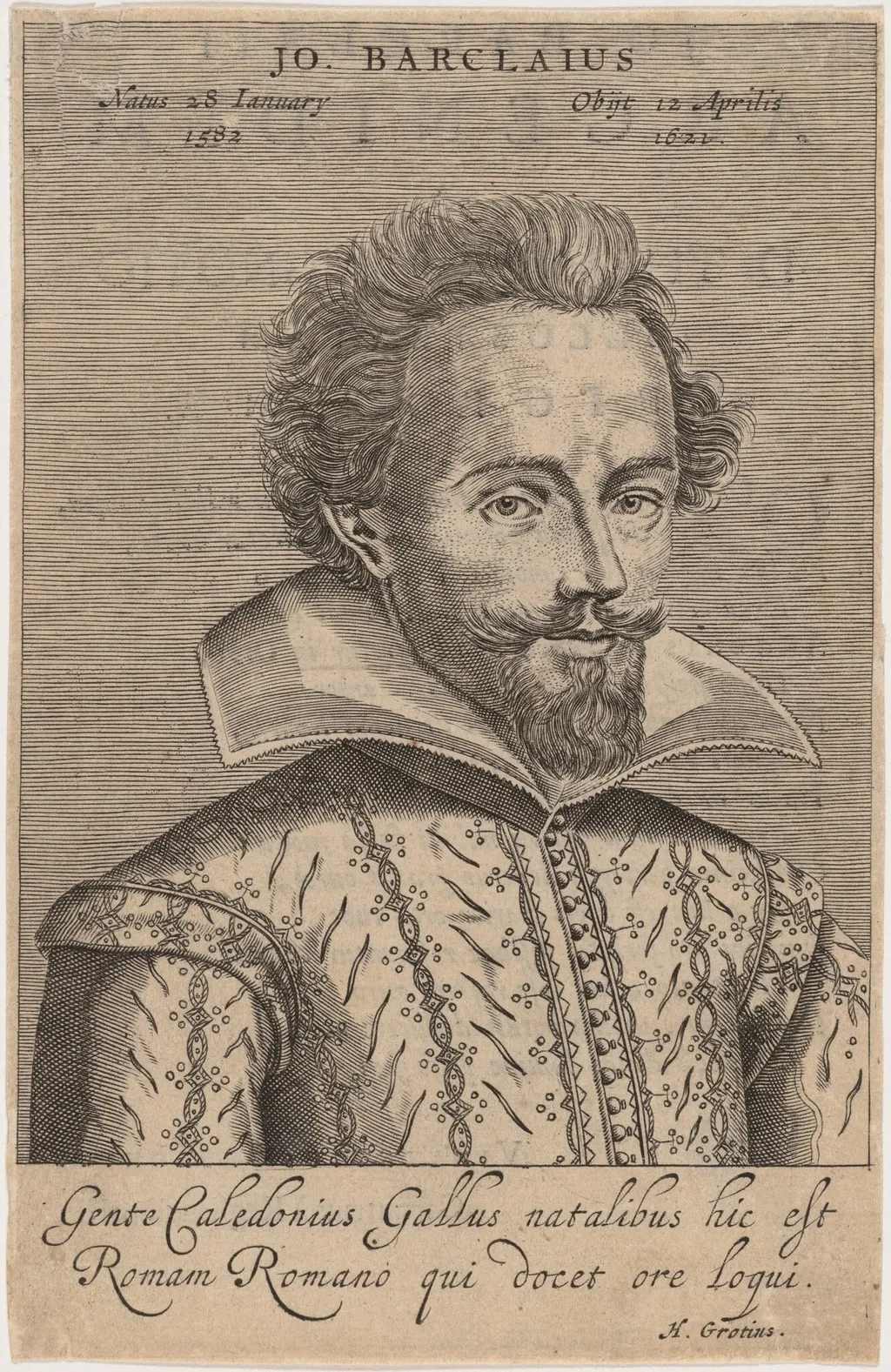
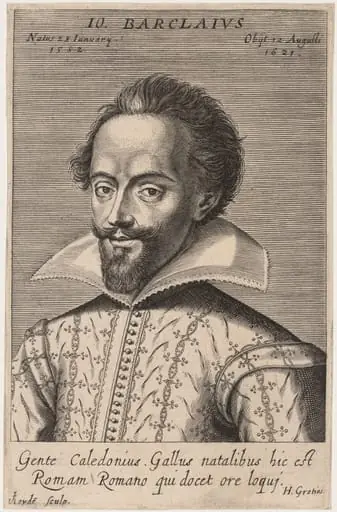
John Barclay is an ink print by the Renaissance artist Jacob van der Heyden. It dates from 1609 and is held in the collection of the National Gallery of Art.
About this work
Overview
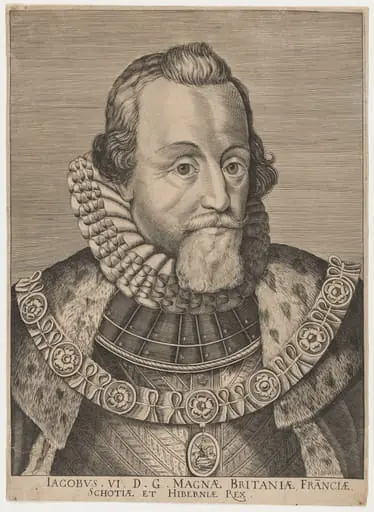
Inscriptions at top and bottom identify the sitter and provide his lifespan, following conventions of early modern portraiture.
This 1609 engraving by Jacob van der Heyden depicts John Barclay, a Scottish writer and Latinist. Rendered in monochrome, the portrait emphasizes fine linear detail to capture texture and form. The composition is tightly focused on the subject’s face and attire, with no decorative background to distract. Inscriptions at top and bottom identify the sitter and provide his lifespan, following conventions of early modern portraiture.
Subject & Meaning
John Barclay was a noted intellectual of his time, known for his Latin satires and scholarly works. The portrait presents him with dignity, his thick beard and elaborate clothing signaling status and learning. The Latin inscription at the base serves as a formal epitaph, reinforcing his identity and legacy. The image functions less as a personal likeness and more as a public declaration of his scholarly standing.
Technique & Style
Van der Heyden employed fine, controlled lines to render the intricate patterns of Barclay’s jacket, using cross-hatching and stippling to suggest fabric texture and depth. The engraving’s precision reflects the technical mastery of early 17th-century printmaking. Facial features are rendered with subtle gradations, while the plain background isolates the figure, directing attention to the sitter’s expression and attire.
History & Provenance
Created in 1609, the engraving was likely produced to accompany or promote Barclay’s published works, common for scholars of the period. It circulated among educated audiences in Europe, particularly in regions with strong Latin literary traditions. The print survives in several institutional collections, though its original commission and early ownership remain undocumented.
Context
In early 17th-century Europe, engraved portraits of scholars were widely distributed as both commemorative objects and promotional tools for printed texts. Barclay’s image aligns with a broader trend of using print to elevate intellectual figures. The use of Latin inscriptions and formal dress reflects the cultural prestige attached to humanist learning during this era.
Legacy
The engraving remains one of the few visual records of John Barclay, preserving his appearance for later generations. It exemplifies the role of print in shaping scholarly identity during the Renaissance. While not widely reproduced today, it continues to serve as a reference in studies of early modern portraiture and the visual culture of learning.
Artist & collection