Artwork
The Temptation of St Anthony
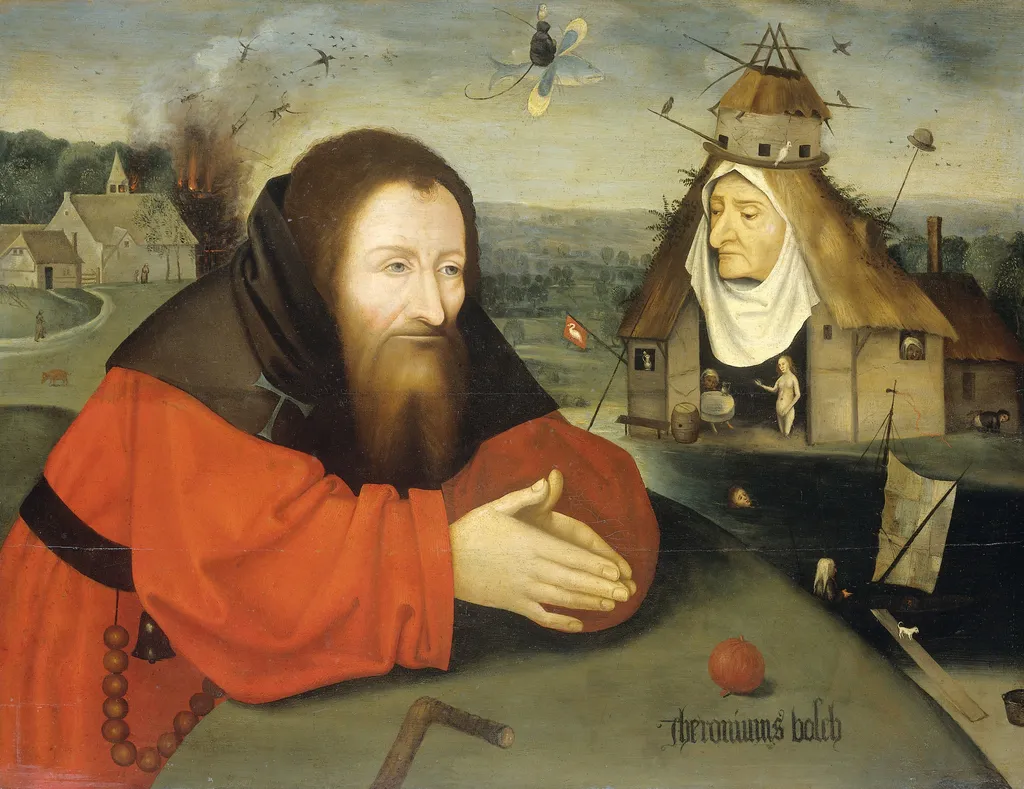
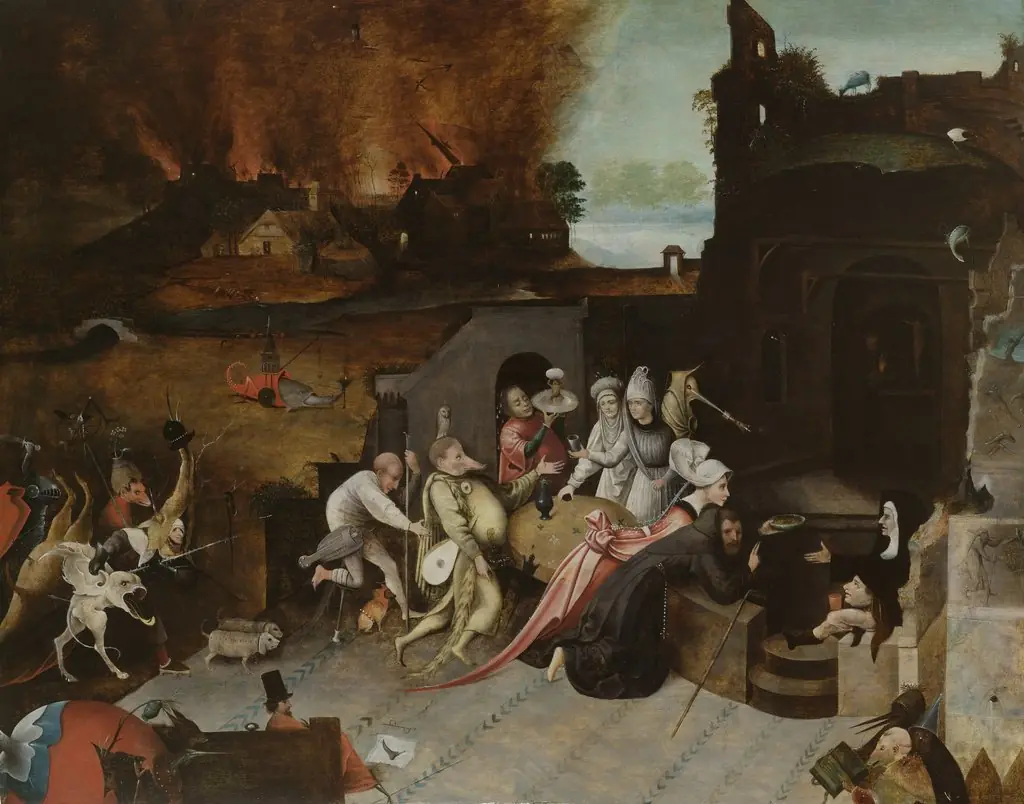
The Temptation of St Anthony is an oil painting by the Northern Renaissance artist Hieronymus Bosch. It is held in the collection of the Rijksmuseum.
About this work
Overview
The Temptation of St Anthony is an oil painting created by Hieronymus Bosch around 1550, exemplifying the Northern Renaissance style. Characterized by fantastical and often unsettling elements, the work is a hallmark of Bosch's distinctive approach to illustrating religious themes.
Subject & Meaning
The painting depicts a pivotal moment in the life of Anthony the Great, an early Christian saint renowned for withstanding temptations in the desert.
The painting depicts a pivotal moment in the life of Anthony the Great, an early Christian saint renowned for withstanding temptations in the desert. The scene shows Anthony, identifiable by his beard and red robe, witnessing a chaotic vision: a crowned, half-naked woman near a burning village, accompanied by bizarre flying creatures, scattered objects (a pumpkin, a broken wheel), and tiny figures in the background. These elements symbolize the saint's spiritual trials.
Technique & Style
Bosch's characteristic style is evident in the painting's dense, symbolic composition and the juxtaposition of the serene, staff-holding saint with the tumultuous, dreamlike background. The inclusion of bizarre creatures, architectural details (like the tower with a cross), and meticulous rendering of textures (flames, foliage) showcase Bosch's mastery of oil painting in conveying complex, psychologically charged narratives.
History & Provenance
The Temptation of St Anthony is part of the Rijksmuseum's collection. While the exact commission or early ownership details are not provided, its creation circa 1550 situates it within Bosch's later output, reflecting his established thematic preoccupations.
Context
This work is set against the backdrop of Northern Renaissance religious art, where biblical and hagiographical subjects were reinterpreted with heightened emotional and psychological depth. Bosch's emphasis on the surreal and the grotesque distinguishes his contribution to this tradition.
Legacy
The Temptation of St Anthony contributes to Bosch's legacy as a pioneer of surreal, psychologically complex religious art. Its intricate, symbolic landscape has influenced subsequent artists in exploring the intersection of the sacred and the bizarre, ensuring its place in the canon of Early Netherlandish painting.
Own this work as a print
Artist & collection
Artist
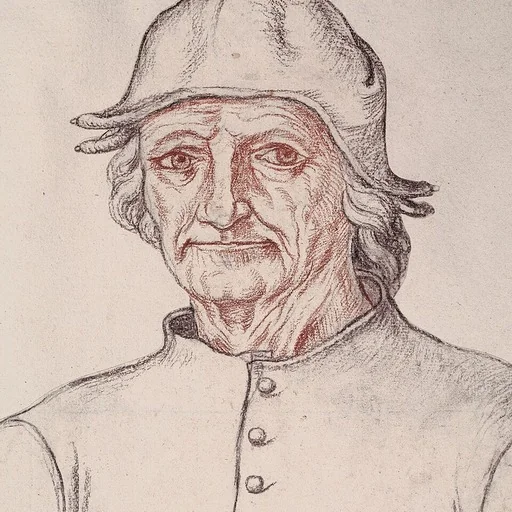
Hieronymus Bosch (; Dutch: ; born Jheronimus van Aken ; c. 1450 – 9 August 1516) was a Dutch painter from Brabant. He is one of the most notable representatives of the Early Netherlandish painting school. His work,…